 English
 русский
 Français
 Español
 Português
 Deutsch
 عربى
عربى Türk
Türk
Content
- 1 What a Steel Wire Rope Press Machine Is and How It Works
- 2 Common Types and Characteristics
- 3 Working Principle and Hydraulic Structure
- 4 Machine Series Configurations
- 5 Application Scenarios and Selection Guidelines
- 6 Typical Application Distribution
- 7 Pressing Cycle Time Comparison
- 8 Detailed Comparison of Rope Termination Methods
- 9 Maintenance Guidance
- 10 Manufacturing Background and Supply Capability
- 11 Frequently Asked Questions
- 11.1 Q1: What does a steel wire rope press machine actually do
- 11.2 Q2: What is the benefit of a dual-pressure pump hydraulic system
- 11.3 Q3: Which industries commonly use wire rope pressing machines
- 11.4 Q4: How is machine series selected for a specific rope diameter
- 11.5 Q5: What routine maintenance does a wire rope press machine require
What a Steel Wire Rope Press Machine Is and How It Works
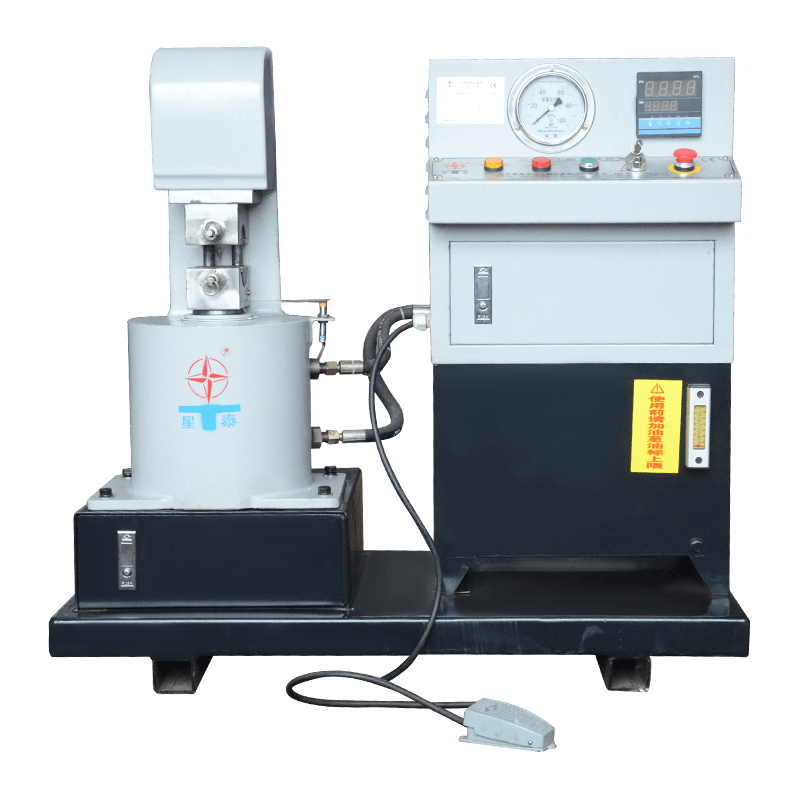
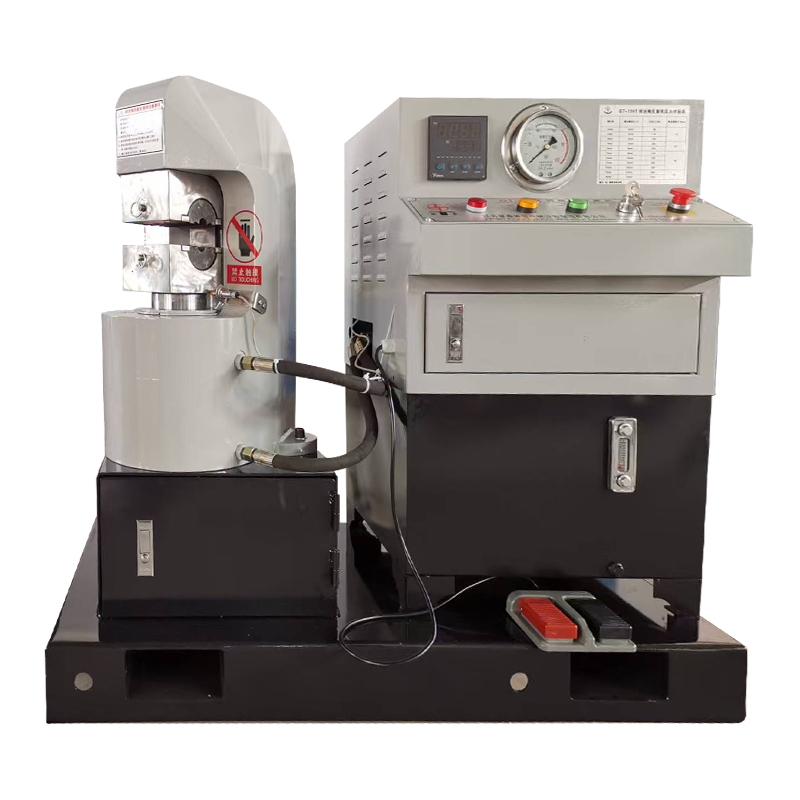
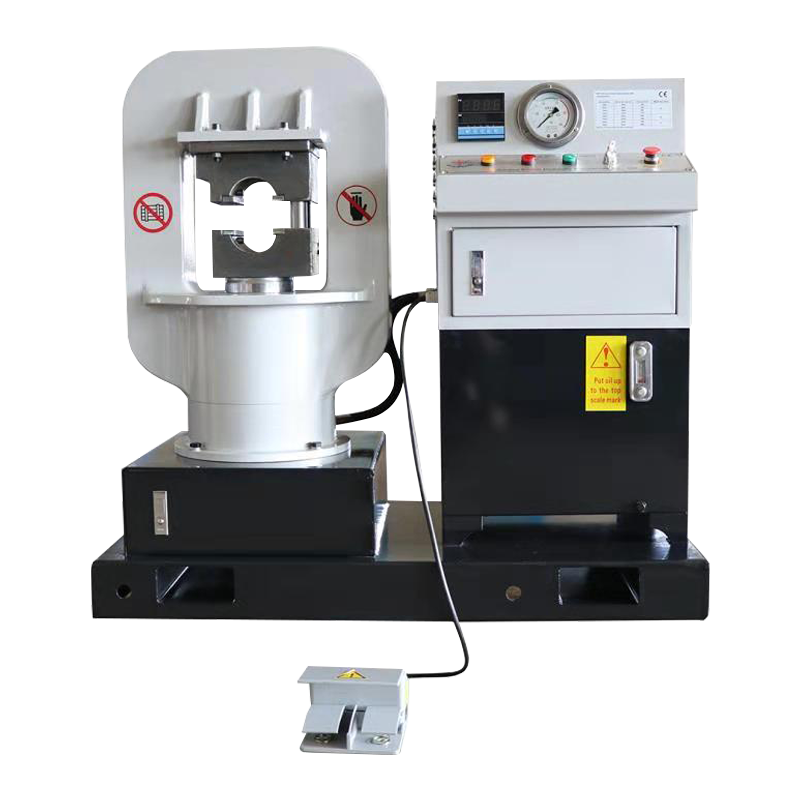
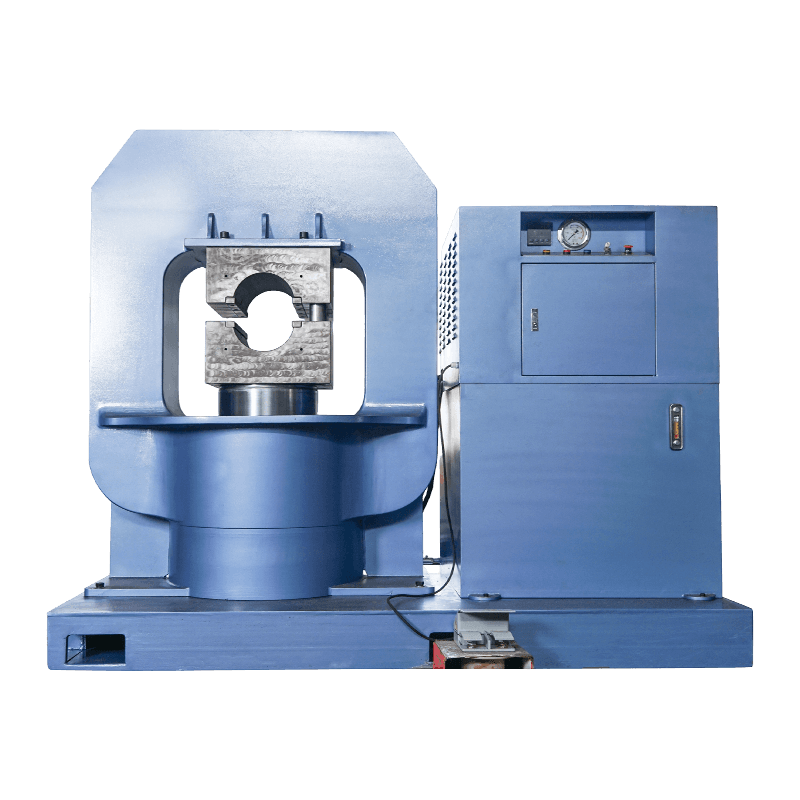
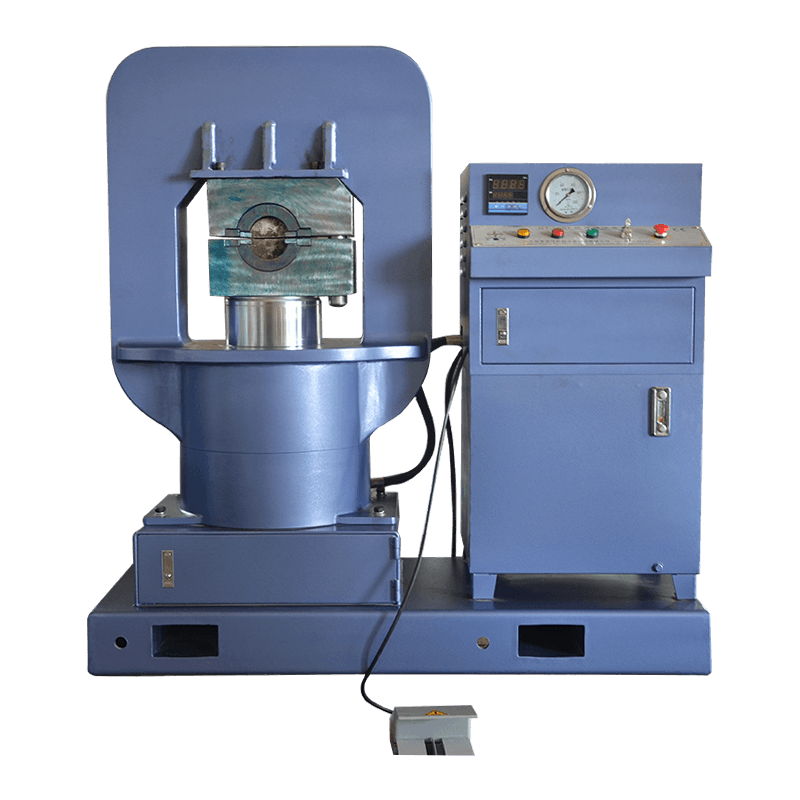
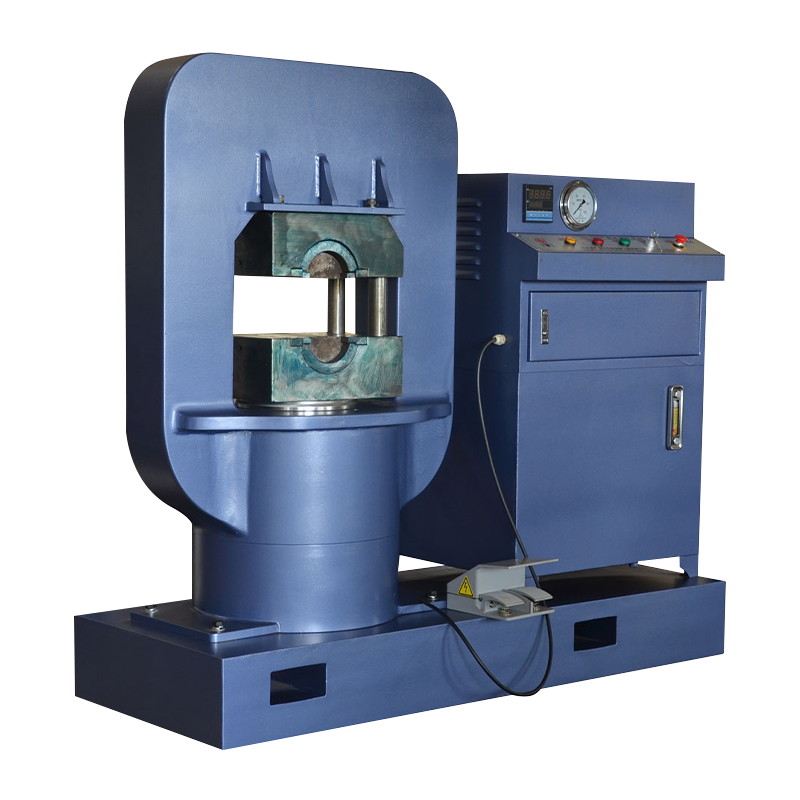
A steel wire rope press machine is a hydraulic machine that compresses an aluminum or steel sleeve onto a wire rope, forming a permanent swaged termination used for lifting, rigging, and structural rope assemblies. This type of wire rope pressing machine replaces manual swaging methods with a controlled hydraulic pressing cycle, producing a more consistent compression profile along the sleeve.
A wire rope press machine typically consists of a hydraulic power unit, a pressing die set matched to the sleeve diameter, and a frame that holds the sleeve and rope in position during the pressing cycle. As hydraulic pressure is applied, the die closes around the sleeve, plastically deforming the aluminum or steel material so that it grips the strands of the wire rope. This process is widely referenced in rigging and lifting equipment literature as a standard method for forming a swaged termination that supports repeated load cycles.
A steel wire rope press machine is generally selected when a rigging or lifting operation requires a consistent, repeatable swaged termination rather than a manually formed connection.
Common Types and Characteristics
Wire rope pressing machines are generally grouped by pressing force capacity, die configuration, and portability, since these parameters determine the rope diameter range and sleeve size that the machine can process. Light duty models typically handle smaller rope diameters and are suited to field or workshop use, while heavy duty models are built for larger rope diameters used in crane, marine, and structural lifting applications.
| Machine Category | Typical Rope Range | Portability | Common Use Direction |
|---|---|---|---|
| Light duty series | Smaller diameter rope | Portable | Workshop and field service |
| Medium duty series | Mid-range diameter rope | Semi-portable | General rigging production |
| Heavy duty series | Larger diameter rope | Fixed installation | Crane, marine, structural lifting |
Selecting a machine series generally starts with the maximum rope diameter that a production line or field crew needs to process.
Working Principle and Hydraulic Structure
A steel wire rope press machine generates its pressing force through a hydraulic power unit connected to a cylinder that drives the die set together. Many current wire rope pressing machine designs use a dual-pressure pump oil supply system, which allows the cylinder to move quickly at low pressure during the approach stroke and then switch to high pressure once the die contacts the sleeve. This staged pressure delivery supports a fast overall cycle while still maintaining a controlled, smooth pressing action during the actual compression stage.
Structural Diagram of the Pressing System
As shown in the diagram, the wire rope and sleeve are positioned within the die set, which sits between the machine frame and the hydraulic cylinder. When the pressing cycle begins, the hydraulic cylinder drives the die set closed around the sleeve, plastically deforming it around the rope strands to form the finished termination. The machine body itself is typically manufactured from a single block of material rather than a welded assembly, which supports structural integrity and helps the frame withstand repeated high-force pressing cycles without gradual deformation. This single-block construction approach is a design detail frequently highlighted in hydraulic machinery literature as a factor supporting long service life under repetitive loading. The combination of a rigid frame, a precisely matched die set, and a dual-pressure hydraulic system is the structural basis for consistent swaging quality across a full production run.
Machine Series Configurations
Wire rope press machine products are generally offered across several configuration series to match different rope diameter ranges and production settings. The horizontal card list below summarizes common configuration directions available from a typical hydraulic machine manufacturer and supplier serving rigging and lifting equipment producers.
Portable Light Duty
Compact frame suited to field service and mobile rigging repair work. Workshop Medium Duty
Balanced pressing force and cycle speed for general rigging production lines. Heavy Duty Fixed
Higher pressing force for large diameter rope used in crane and marine lifting. Multifunction Combined Line
Pressing machine paired with annealing and tapering equipment for full rope assembly production.
Configuration selection generally depends on the target rope diameter range, expected production volume, and whether portability is required.
Application Scenarios and Selection Guidelines
Steel wire rope press machines are applied across lifting and rigging assembly, marine mooring line production, mining hoist rope termination, and elevator rope installation. Selection generally follows a review of maximum rope diameter, sleeve material, expected production volume, and whether the equipment needs to move between job sites. The two panel comparison below summarizes field and fixed-installation oriented selection factors side by side.
| Field and Portable Use Light duty portable machines are generally reviewed. Rope diameter range is typically smaller. Transport weight and setup time are prioritized alongside pressing consistency. |
Fixed Production Line Use Medium to heavy duty machines are typically installed for continuous production. Cycle time and pressing force range are prioritized alongside die set changeover speed. |
Beyond the field and fixed installation distinction, selection guidelines generally include a review of sleeve material, since aluminum sleeves and steel sleeves may require different die geometry and pressing force. Rope construction and diameter tolerance also influence machine selection, with larger diameter or multi-strand rope generally requiring a heavier duty press. Reviewing the hydraulic power unit specification alongside expected daily production volume helps confirm that the selected machine supports the required cycle time without excessive downtime.
Typical Application Distribution
Understanding where steel wire rope press machines are commonly applied helps a rigging shop or equipment buyer anticipate the type of technical support and machine configuration that may be relevant to a given project. The donut chart below presents a general, qualitative illustration of common application categories for this machine type. This illustration reflects general industry patterns rather than a precise market statistic tied to any single supplier or region. Reviewing this distribution supports early planning discussions between a buyer and a machine manufacturer. The categories shown reflect the range of industries that rely on swaged wire rope terminations produced by this type of press.
The chart indicates that lifting and rigging assembly generally represents one of the larger application segments, reflecting the broad use of swaged rope terminations across cranes, slings, and general rigging hardware. Marine mooring line production forms another notable segment, where corrosion exposure and repeated load cycling make a consistent swaging process particularly important. Mining hoist rope termination represents a more specialized segment tied to underground and surface mining equipment that depends on rope integrity for safe operation. Elevator installation, while comparatively smaller in this illustration, remains a steady application area due to the ongoing need for rope replacement and termination during elevator maintenance cycles. Together these four categories illustrate why a wire rope press machine is considered a cross-industry production tool rather than one limited to a single sector. A manufacturer serving multiple segments generally maintains several machine series in parallel to address the differing rope diameter, sleeve material, and production volume requirements across these categories. This breadth of application also explains why technical inquiries to a hydraulic machine supplier often span rigging, marine, mining, and elevator projects within the same production planning cycle.
Pressing Cycle Time Comparison
Cycle time is a frequently referenced performance characteristic when comparing hydraulic systems used in a wire rope pressing machine. The line chart below presents a general, illustrative comparison of pressing cycle time across increasing rope diameter for a dual-pressure pump hydraulic system versus a single-pump hydraulic system. This type of comparison is commonly referenced in hydraulic machinery literature when discussing production efficiency improvements. The values shown represent a general relative pattern rather than a specific certified test result tied to one machine model. Reviewing this comparison supports a more informed conversation between a production manager and a machine supplier when evaluating equipment for a higher volume rigging line.
As shown in the chart, cycle time for a single-pump hydraulic system tends to increase relatively steadily as rope diameter grows, since the cylinder must move at the same working pressure throughout the full stroke regardless of whether the die is actually in contact with the sleeve. A dual-pressure pump system, by comparison, shows a shallower increase in cycle time across the same diameter range, since the rapid approach stroke at low pressure reduces the portion of the cycle spent waiting for the die to reach the sleeve. This gap becomes more noticeable at larger rope diameters, where the stroke distance and pressing force required are both greater. The pattern illustrated here is consistent with general hydraulic machinery principles, where staged pressure delivery reduces non-productive cylinder travel time without compromising the force available during the actual pressing stage. For a production line processing a high volume of terminations across a range of rope diameters, this type of cycle time difference can accumulate into a meaningful difference in daily throughput. It is worth noting that actual cycle time depends on additional factors such as operator handling speed, die changeover time, and hydraulic fluid temperature, so equipment specification sheets and site trials are generally reviewed together with a supplier before finalizing a machine selection for a specific production target.
Detailed Comparison of Rope Termination Methods
The table below compares general characteristics of hydraulic swaging using a wire rope press machine against manual swaging and mechanical wire rope clips, two other common rope termination methods.
| Termination Method | Consistency | Production Speed | Common Application |
|---|---|---|---|
| Hydraulic press swaging | Higher | Higher | Production rigging, lifting slings |
| Manual swaging | Moderate | Lower | Low volume field repair |
| Wire rope clips | Depends on installation | Fast, no equipment needed | Temporary or adjustable rigging |
This comparison highlights that hydraulic press swaging generally offers an advantage in consistency and production speed, which is why it remains the preferred method for higher volume lifting and rigging production. Manual swaging remains a practical option for occasional field repair where a full press machine is not available. Wire rope clips offer flexibility for temporary or adjustable rigging setups but depend heavily on correct installation to achieve reliable holding capacity. Reviewing this table alongside production volume and application requirements generally supports a more accurate termination method selection.
Maintenance Guidance
Routine maintenance supports consistent pressing quality and long term reliability from a steel wire rope press machine. Hydraulic fluid condition, die set wear, and frame alignment are among the factors typically reviewed during scheduled maintenance intervals.
- Check hydraulic fluid level and condition on a regular schedule to maintain consistent pressing pressure.
- Inspect the die set for wear or damage before each production run, replacing worn dies as needed.
- Verify frame alignment periodically to confirm the die set closes evenly around the sleeve.
- Clean and lubricate moving components according to the machine maintenance schedule.
- Record pressing pressure and cycle performance periodically to identify gradual drift before it affects termination quality.
Consistent hydraulic fluid maintenance and die set inspection are generally the two most influential factors in sustaining reliable pressing quality over time.
Manufacturing Background and Supply Capability
Steel wire rope press machines used across these applications are produced by dedicated hydraulic machinery manufacturers operating precision production facilities that maintain consistent die tolerance and frame quality across production batches. Jiangsu Xingtai Hydraulic Manufacturing Co., Ltd., a China based manufacturer founded in 1992 and located in Taizhou City, Jiangsu Province, specializes in hydraulic wire rope pressing machines, wire rope annealing and tapering machines, aluminum sleeves, and lifting clamps. The swaging components of the company machines are forged from high-strength alloy steel, and the machine body is manufactured from a single block of material to support structural integrity across repeated pressing cycles.
The company hydraulic systems utilize a dual-pressure pump oil supply arrangement that supports fast approach movement together with a smooth, controlled pressing stage, which is intended to improve both pressing quality and production efficiency. As a manufacturer and supplier serving rigging, lifting, marine, and elevator related industries, the company has exported wire rope pressing machines to countries including the United Kingdom, Australia, the Netherlands, Latvia, Malaysia, Thailand, India, Russia, Botswana, and Poland. Equipment buyers sourcing a wire rope press machine from a China based factory generally review production scale, hydraulic system design, and technical support availability alongside the specific machine data sheet when evaluating a supplier for a new or expanding production line.
Frequently Asked Questions
Q1: What does a steel wire rope press machine actually doIt compresses a sleeve onto a wire rope using hydraulic force, forming a permanent swaged termination used in lifting and rigging assemblies. |
Q2: What is the benefit of a dual-pressure pump hydraulic systemA dual-pressure pump system allows fast low-pressure movement during the approach stroke and switches to high pressure during actual pressing, which generally shortens overall cycle time while maintaining a smooth pressing action. |
Q3: Which industries commonly use wire rope pressing machinesCommon industries include lifting and rigging assembly, marine mooring line production, mining hoist rope termination, and elevator rope installation. |
Q4: How is machine series selected for a specific rope diameterSelection generally starts with the maximum rope diameter a production line or field crew needs to process, followed by a review of sleeve material, portability needs, and expected production volume. |
Q5: What routine maintenance does a wire rope press machine requireRoutine maintenance generally includes hydraulic fluid checks, die set wear inspection, frame alignment verification, and periodic lubrication of moving components. |

If you require custom hydraulic equipment or technical consultation, please feel free to contact the Xingtai Sales and Engineering Team.
-
 +86-523-86934677
+86-15896002505 -
 [email protected]
-
 +86-15896002505
-
 No. 3 Longgang Road, Gaogang Port Street, Taizhou City, China.
Copyright © Jiangsu Xingtai Hydraulic Manufacturing Co., Ltd. All Rights Reserved. Custom hydraulic machinery manufacturers Wholesale wire rope swagers Factory

