 English
 русский
 Français
 Español
 Português
 Deutsch
 عربى
عربى Türk
Türk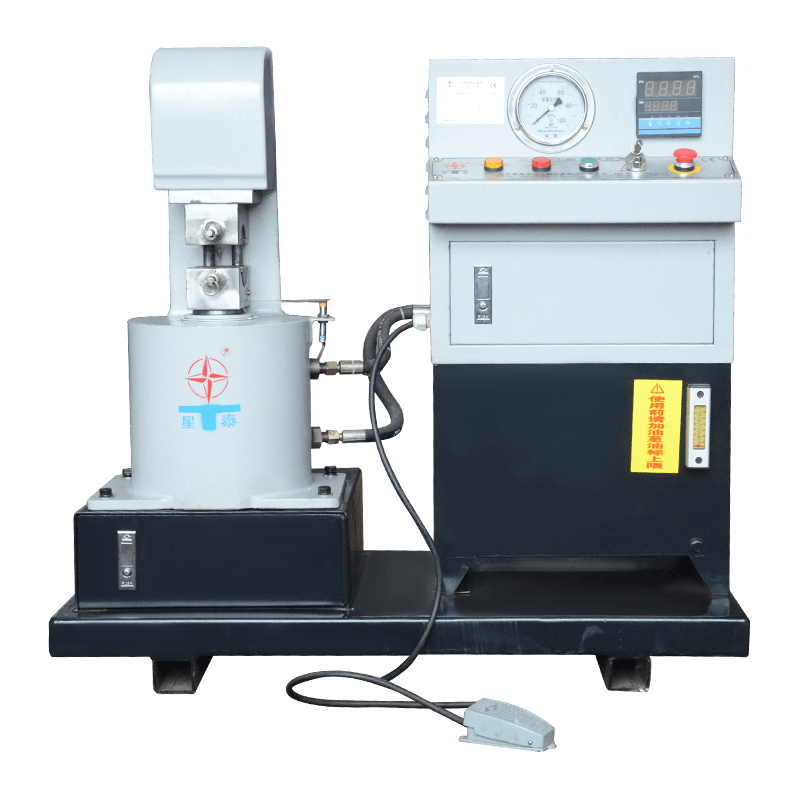
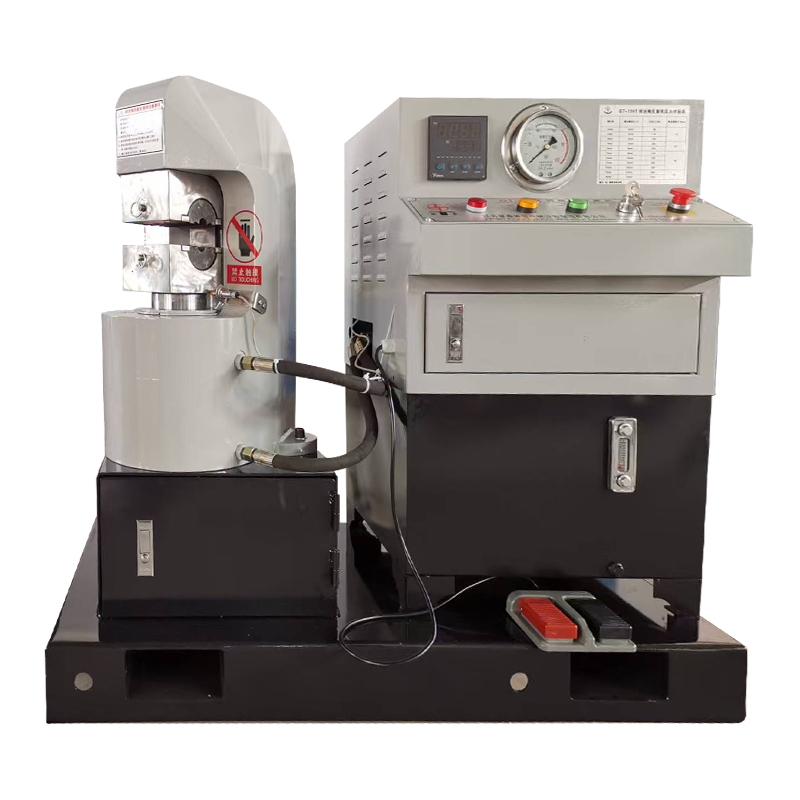
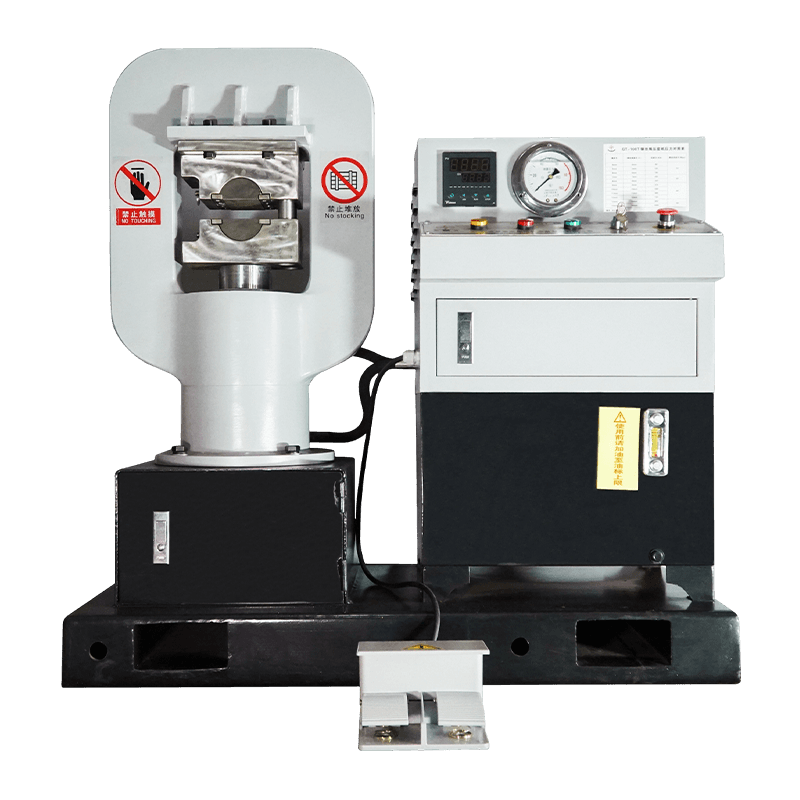
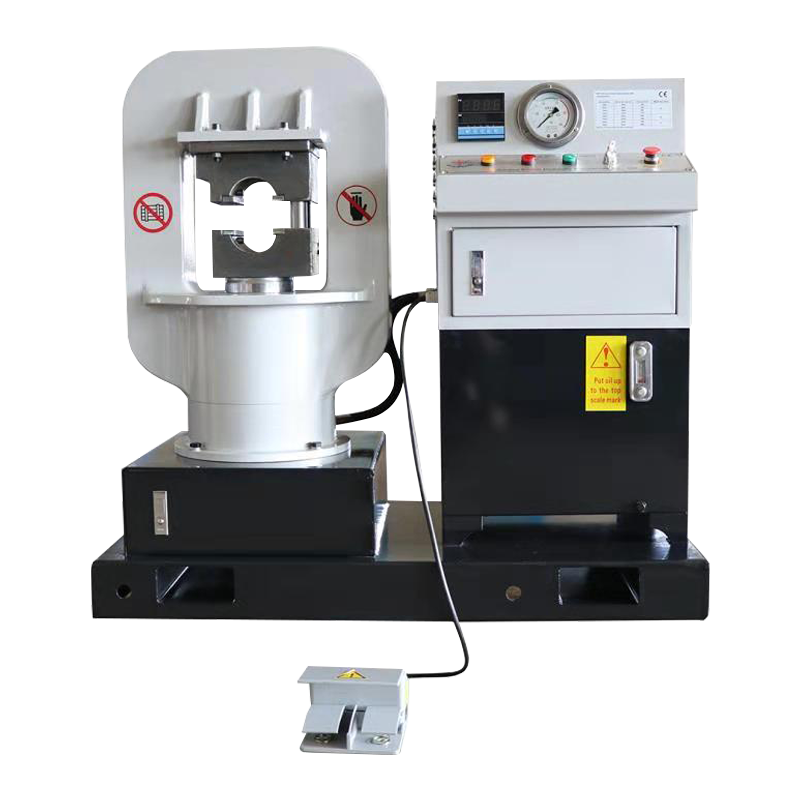
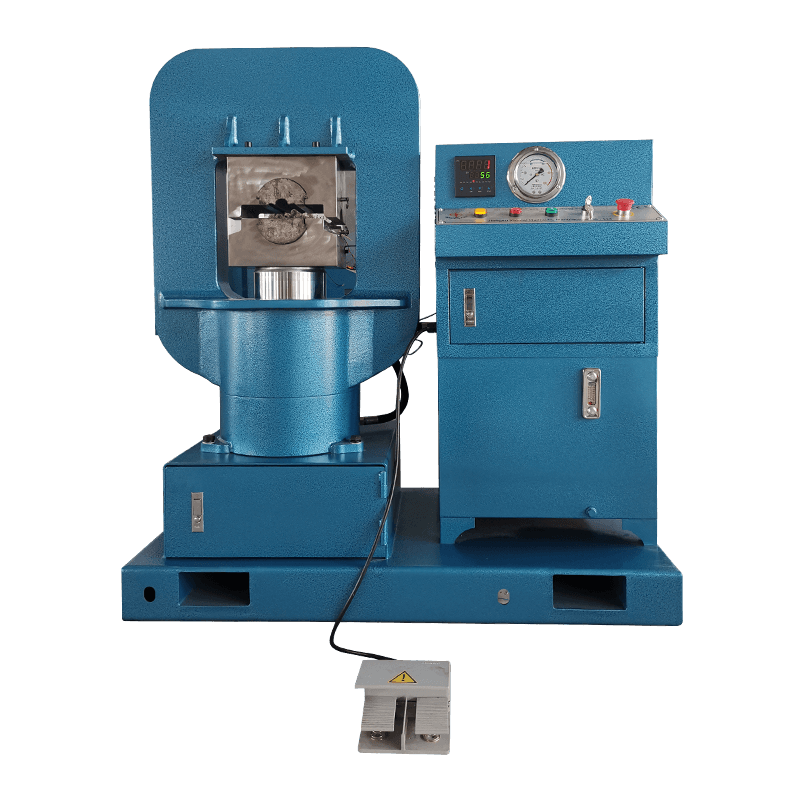
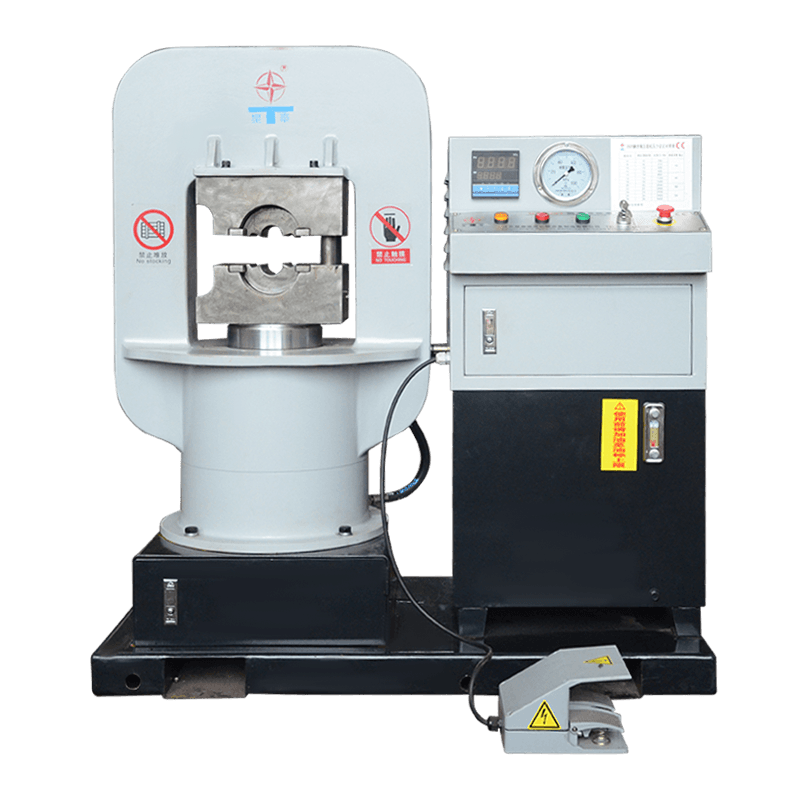
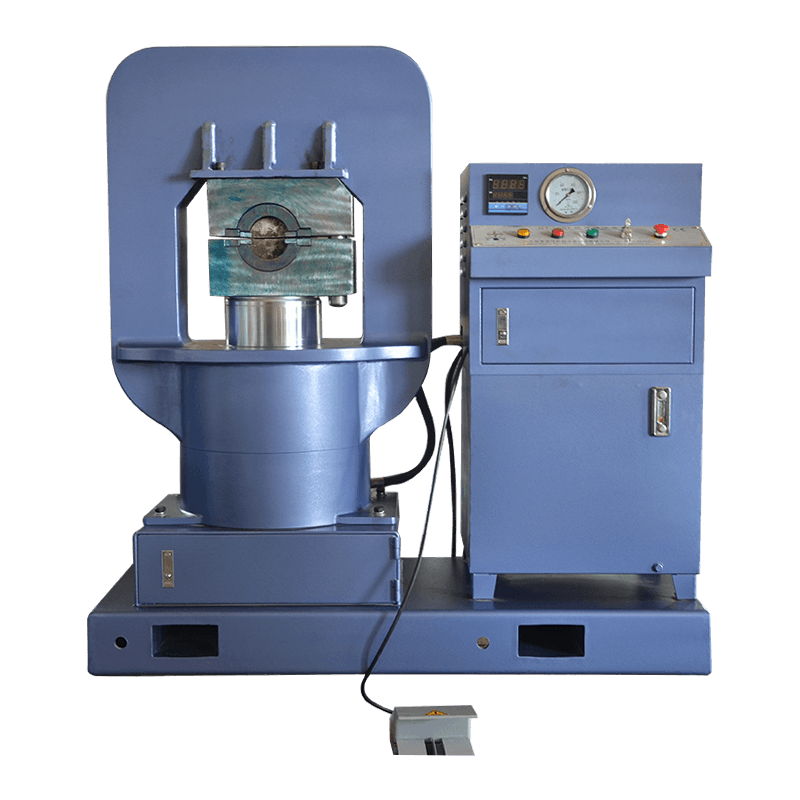
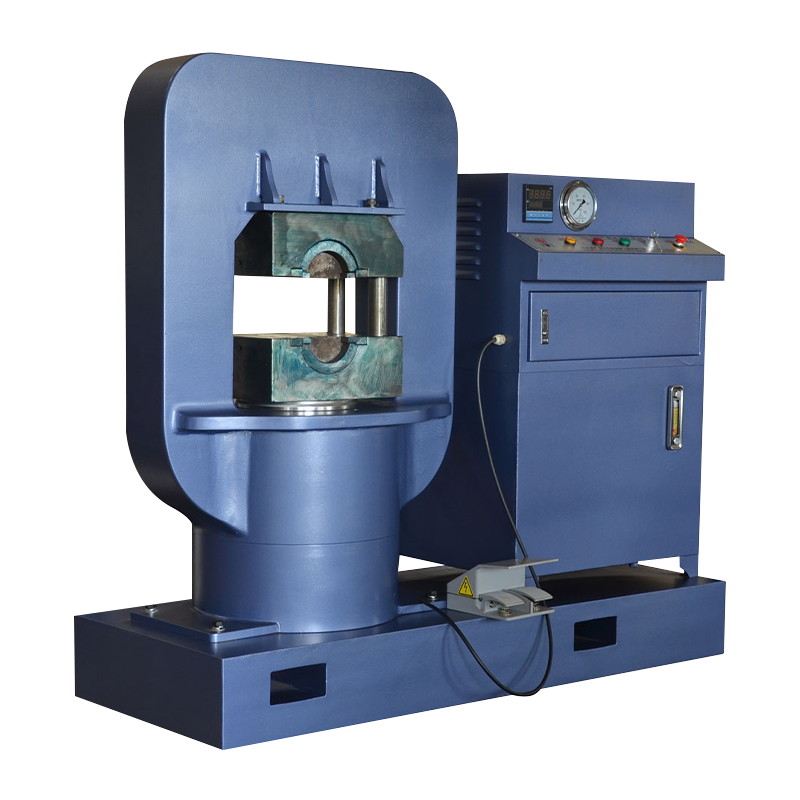
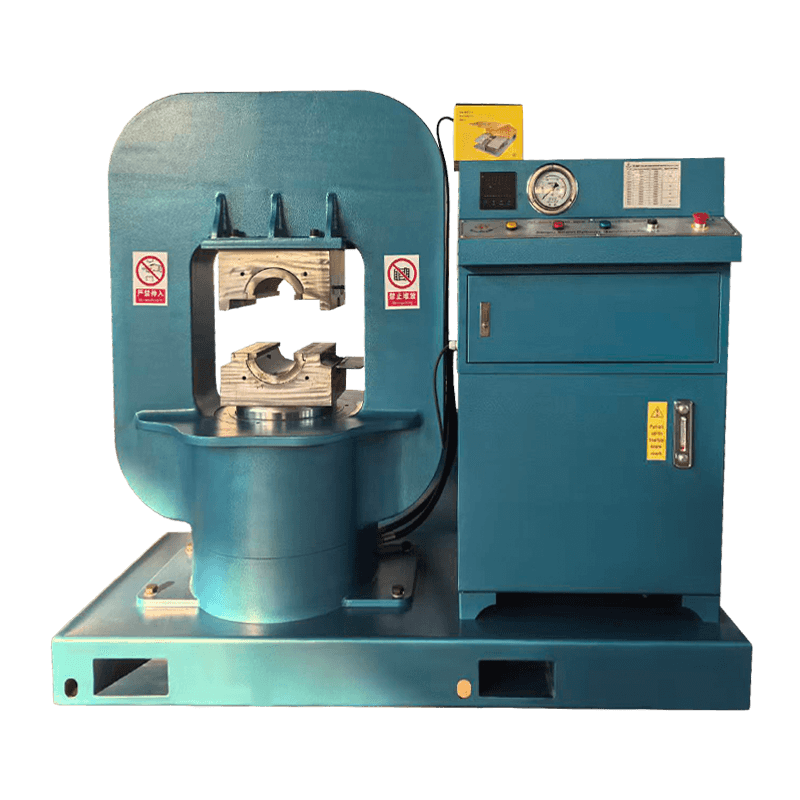
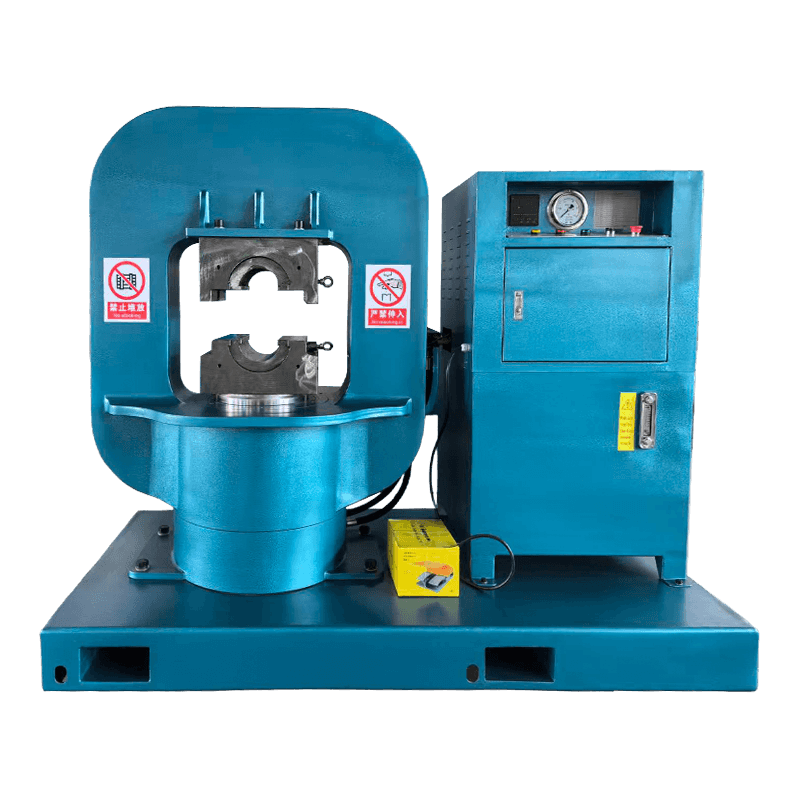
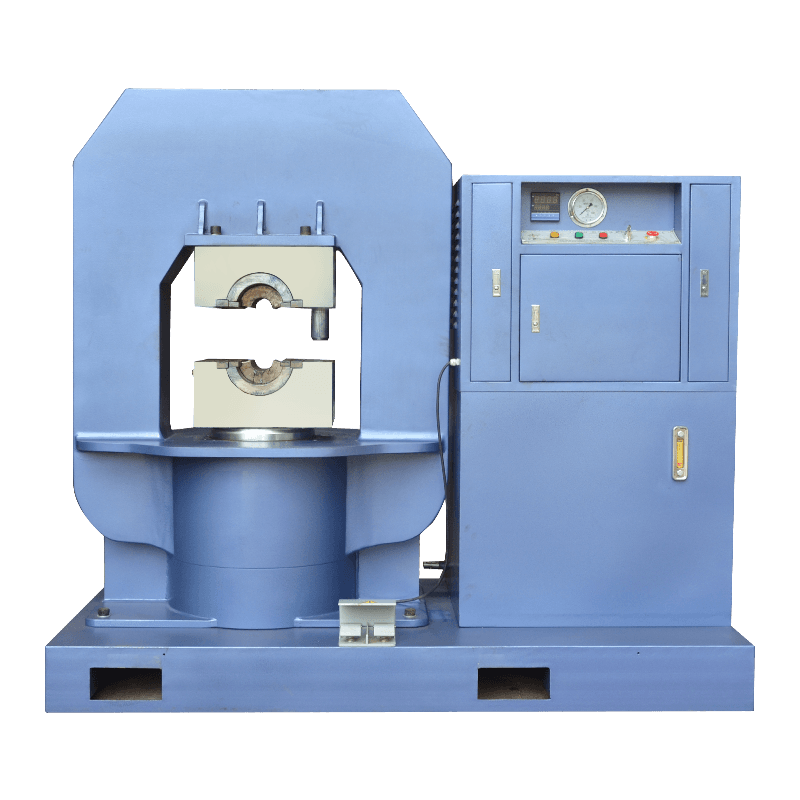
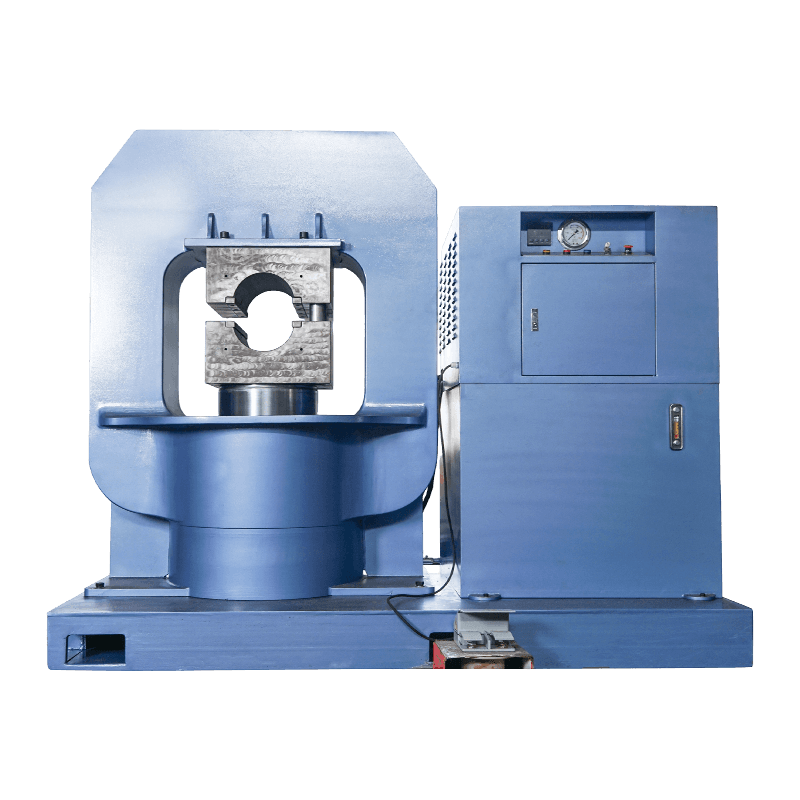
As Steel Wire Rope Press Machine Manufacturers and Steel Wire Rope Press Machine Factory, Jiangsu Xingtai Hydraulic Manufacturing Co., Ltd. was founded in 1992 and is located in Taizhou City, Jiangsu Province, China. The company specializes in manufacturing hydraulic wire rope pressing machines, wire rope annealing and tapering machines, aluminum sleeves, and lifting clamps. Xingtai Hydraulic is equipped with advanced production facilities, strong technical capabilities, authoritative testing equipment, and a comprehensive quality management system.
The swaging components of Xingtai Hydraulic machines are forged from high-strength alloy steel. The machine body is manufactured from a single block of material, ensuring structural integrity and long service life. Our hydraulic systems utilize a dual-pressure pump oil supply system, which enables fast upward and downward movement while ensuring a smooth pressing process. This design significantly improves pressing quality and production efficiency.
Xingtai Hydraulic machines have been exported to numerous countries, including the UK, Australia, the Netherlands, Latvia, Malaysia, Thailand, India, Russia, Botswana, Poland, and others.
Guided by the philosophy of "high quality, competitive price, and lasting commitment," we strive to meet our customers' needs and provide them with the best service. We remain dedicated to serving both existing and new clients with the same level of excellence as we work together to build a successful future.
SEARCH
CATEGORY
Steel Wire Rope Press Machine Manufacturers
Wire rope swaging machine is a specialized industrial tool designed to permanently join, compress, or form wire ropes using high-pressure force. It operates by pressing a metal sleeve or ferrule onto the ends of wire ropes, creating secure and reliable terminations for lifting, rigging, and structural applications. These machines are essential in industries such as construction, marine, mining, and transportation, where safety and load-bearing integrity are critical.
Swaging machines come in various capacities, from compact hydraulic models for small workshop use to large, automated units for high-volume production. They deliver consistent compression and eliminate the risk of slippage or failure that can occur with manual methods. Many modern swaging machines feature digital controls, precise pressure regulation, and interchangeable dies to handle different rope diameters and materials.
By ensuring a uniform and strong connection, wire rope swaging machines enhance efficiency, safety, and product longevity. Whether used to fabricate slings, cable assemblies, or architectural fittings, these machines are indispensable for professionals requiring durable, high-performance wire rope solutions. In short, a wire rope swaging machine provides the strength, precision, and reliability needed to meet demanding industrial standards.
Company
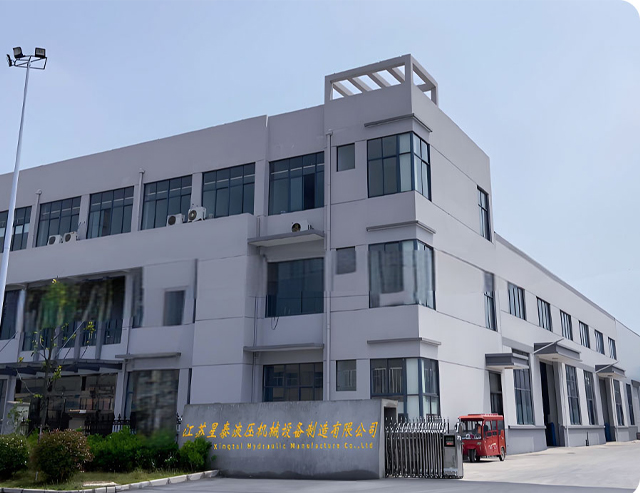
Jiangsu Xingtai Hydraulic Manufacturing Co., Ltd.
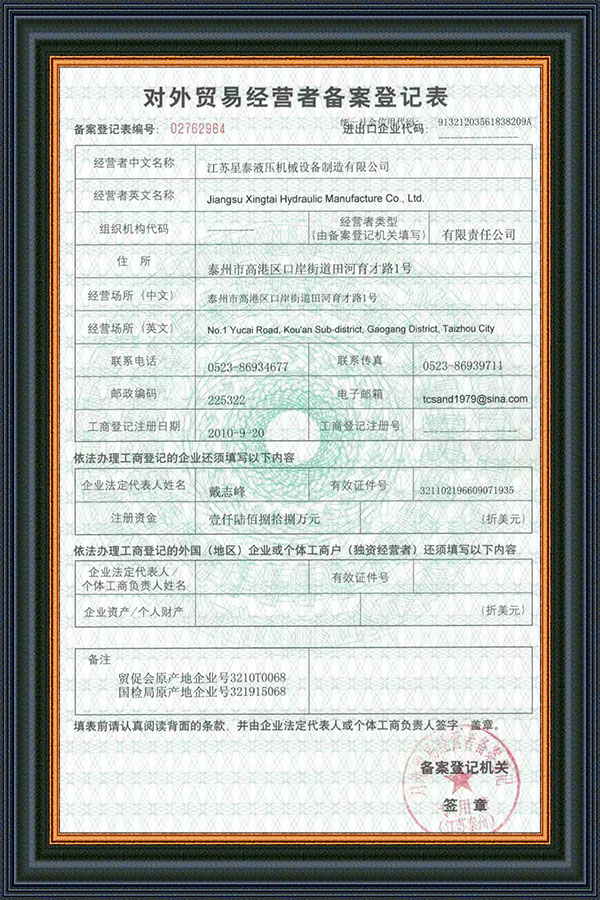
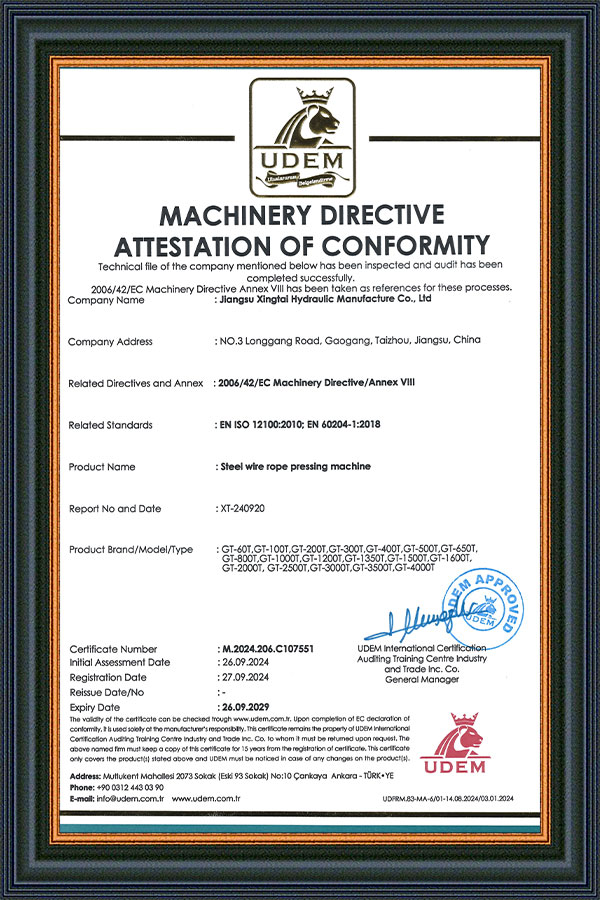
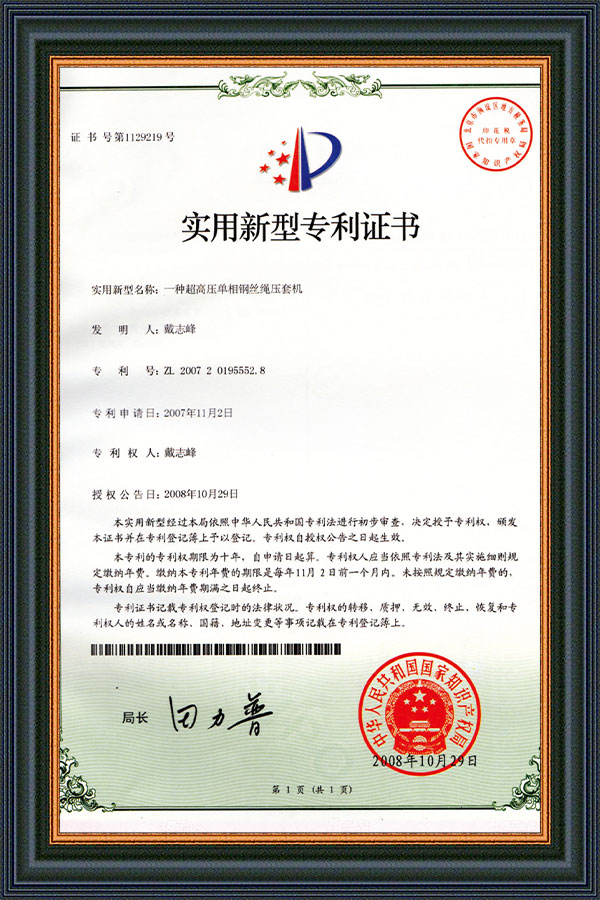
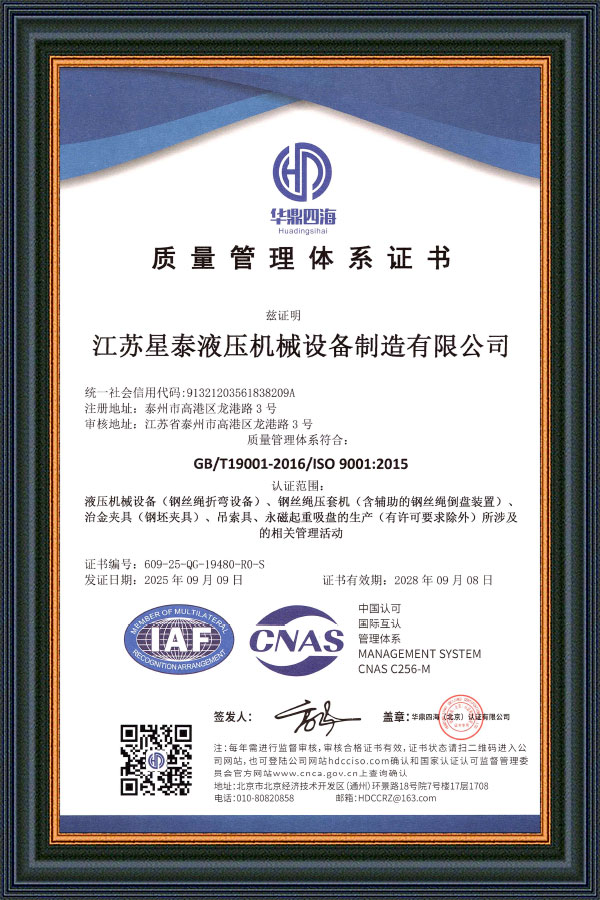
Certificate
News
-
A 10 mm endless sling comes back from a construction site with a hairline crack running lengthwise along its aluminium ferrule. The rope is clean, the loop measures correctly, and the tag claims a fu...
READ MORE -
Twelve millimetres of wire rope, a 4.5 metre finished sling, and a 10 mm error at the cut. That is the sequence many sling shops meet on a Monday morning: the eye does not land where the drawing says...
READ MORE -
Imagine a workshop that has just won a contract to produce 120 identical wire rope slings, each 3.75 metres long with a swaged aluminium sleeve at one end. The operator sets up a cut-off wheel and me...
READ MORE -
A coiling head is the rotating assembly that receives wire rope, annealed wire ends, or wire rod and forms it into a tightly controlled spiral coil. For manufacturers that produce wire rope slings, c...
READ MORE -
A wire rope processor in Southeast Asia recently rejected nearly 30 percent of an annealed batch because the coils had stuck together and the outer layers were scratched beyond repair. The furnace pr...
READ MORE
Industry Knowledge
1. Direct Answer: What Is a Steel Wire Rope Press Machine Used For?
A steel wire rope press machine (also called a wire rope swaging machine or hydraulic wire rope crimping machine) is used to permanently attach fittings—such as thimbles, sleeves, or studs—to the ends of wire ropes by applying controlled radial compression. This creates a termination that can hold 90% to 100% of the rope's rated breaking strength, compared to only 60% to 80% for hand-swaged or clamp-type terminations.
Typical applications include overhead cranes, suspension bridges, elevator cables, mining draglines, and marine rigging. A wire rope press machine ensures repeatable, fatigue-resistant terminations that meet ISO 7539 and EN 13411-3 standards.
2. How a Hydraulic Wire Rope Crimping Machine Works
The machine uses a hydraulic cylinder to drive wedge-shaped dies around an aluminum or copper ferrule. Typical crimping forces range from 10 tons for 6mm rope to 500+ tons for 40mm rope. The process takes 3 to 8 seconds per termination depending on rope diameter.
Modern wire rope swaging machine models include digital pressure readouts and data logging for quality assurance.
3. Performance Comparison: Press vs. Manual Swaging
Independent tests on 10mm 6x36 IWRC steel wire rope show clear advantages for hydraulic press termination.
A hydraulic wire rope crimping machine achieves 520% longer fatigue life compared to manual swaging, making it mandatory for safety-critical overhead lifting applications.
4. Selection Table: Steel Wire Rope Press Machine by Application
| Industry | Rope Diameter | Recommended Press Force | Typical Cycle Time |
|---|---|---|---|
| Overhead cranes | 8-22mm | 30-150 tons | 4-6 seconds |
| Marine rigging | 6-16mm | 20-80 tons | 3-5 seconds |
| Mining draglines | 28-52mm | 300-800 tons | 8-12 seconds |
| Elevator cables | 6-12mm | 15-40 tons | 3 seconds |
Selecting the correct steel wire rope press machine depends on maximum rope diameter and required production volume. Many wire rope swaging machine models include interchangeable die sets for multiple sizes.
5. Radar Comparison: Hydraulic Press vs. Mechanical vs. Manual Swaging
Five key metrics rated 1–10 (10 = best). Hydraulic press machines outperform all alternatives.
6. Key Advantages of Hydraulic Wire Rope Crimping Machines
Compared to hand swaging or mechanical presses, a hydraulic wire rope crimping machine offers:
- 100% repeatable crimp diameter within ±0.1mm tolerance
- Digital force monitoring and data export for ISO 9001 traceability
- Ability to swage up to 300 terminations per hour on small diameters
- Reduced operator fatigue and injury risk
Leading wire rope press machine models now include touchscreen controls and remote diagnostics.
7. Frequently Asked Questions (Steel Wire Rope Press Machine)
Q1: What is the difference between a wire rope press machine and a swaging machine?
The terms are used interchangeably. A wire rope swaging machine typically refers to hydraulic or mechanical presses that permanently deform ferrules onto rope ends.
Q2: What size wire rope can a hydraulic wire rope crimping machine handle?
Portable models handle 1mm to 20mm. Stationary industrial presses handle up to 60mm diameter wire rope.
Q3: How much force does a steel wire rope press machine generate?
From 10 tons to 1,000+ tons depending on model. A 100-ton press is common for 16-20mm ropes.
Q4: Can I use a wire rope press machine for aluminum or copper ferrules?
Yes. Most wire rope press machine dies are designed for aluminum ferrules. Copper requires slightly higher force.
Q5: What safety standards apply to hydraulic wire rope crimping machine terminations?
EN 13411-3, ISO 7539, and ASME B30.9. Always request certification from your equipment supplier.
Stay in touch with Xingtai.
If you require custom hydraulic equipment or technical consultation, please feel free to contact the Xingtai Sales and Engineering Team.
Quick Links
Product Category
Contact Us
-
 +86-523-86934677
+86-15896002505 -
 [email protected]
-
 +86-15896002505
-
 No. 3 Longgang Road, Gaogang Port Street, Taizhou City, China.
Copyright © Jiangsu Xingtai Hydraulic Manufacturing Co., Ltd. All Rights Reserved. Custom Wire rope press machine Manufacturers Wholesale wire rope swagers Factory

