 English
 русский
 Français
 Español
 Português
 Deutsch
 عربى
عربى Türk
Türk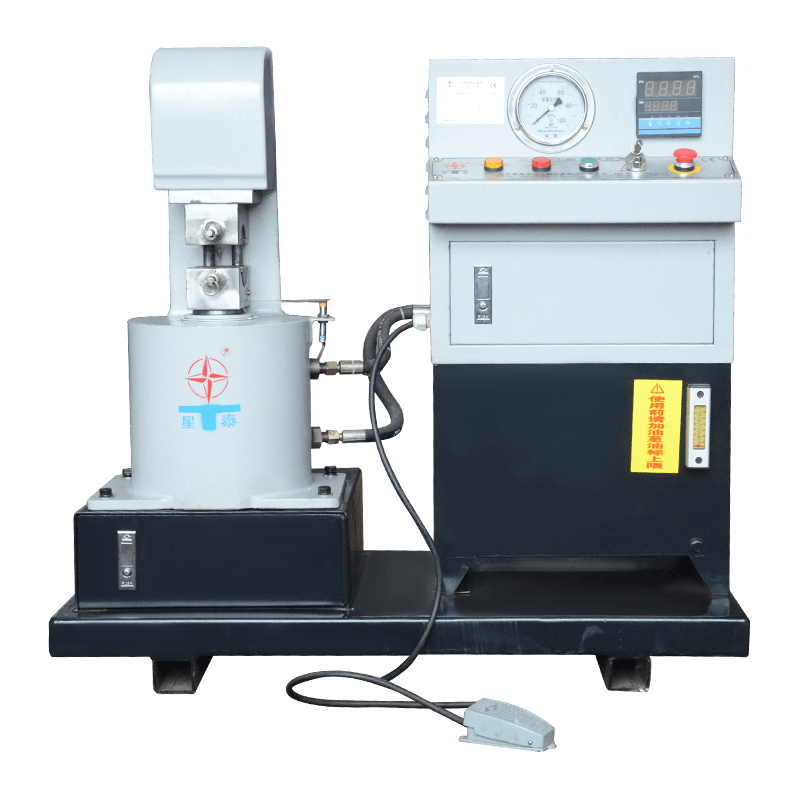
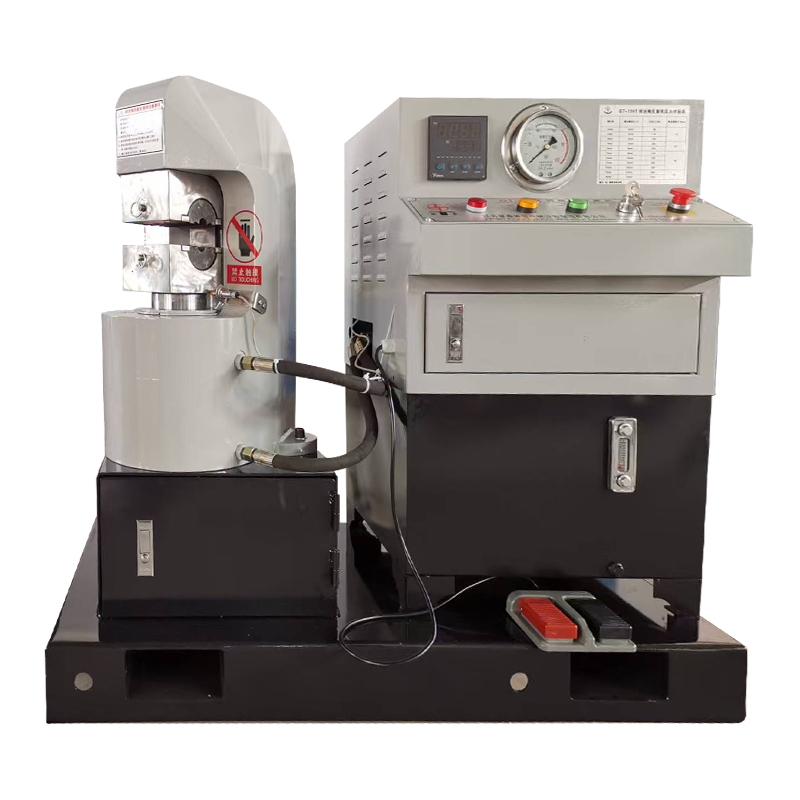
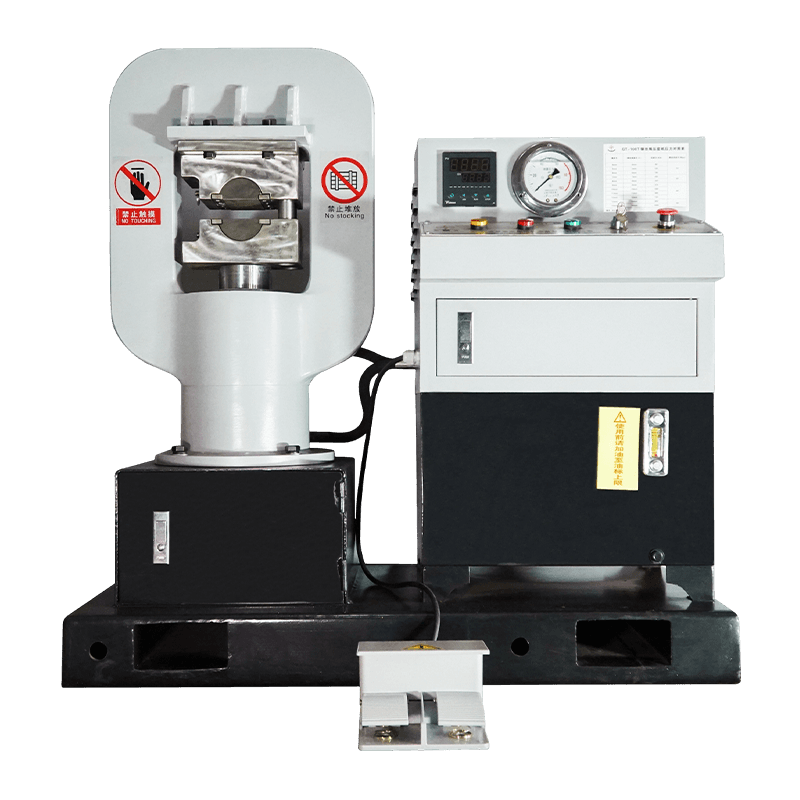
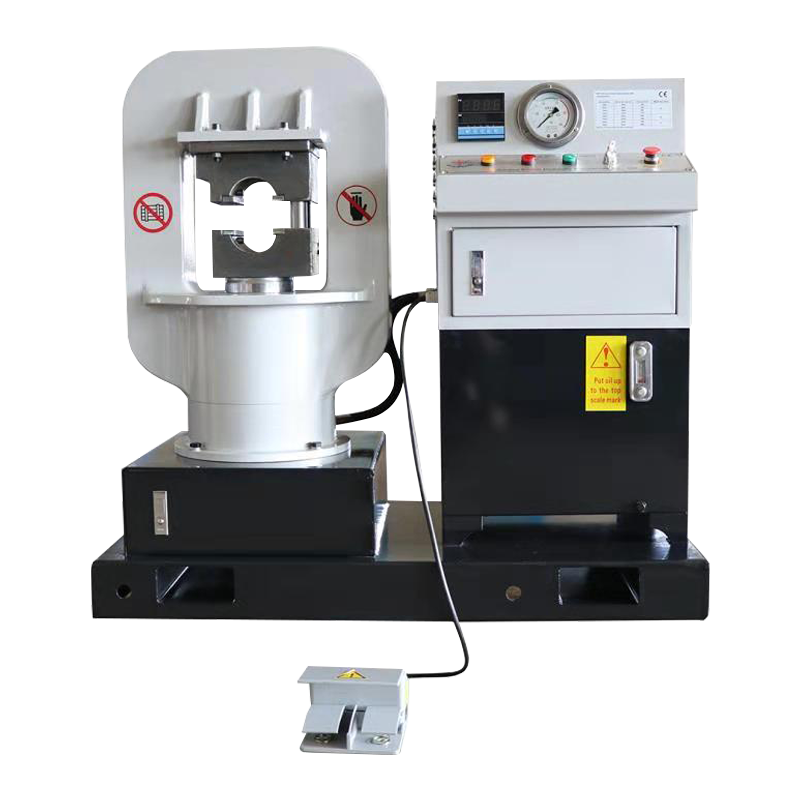
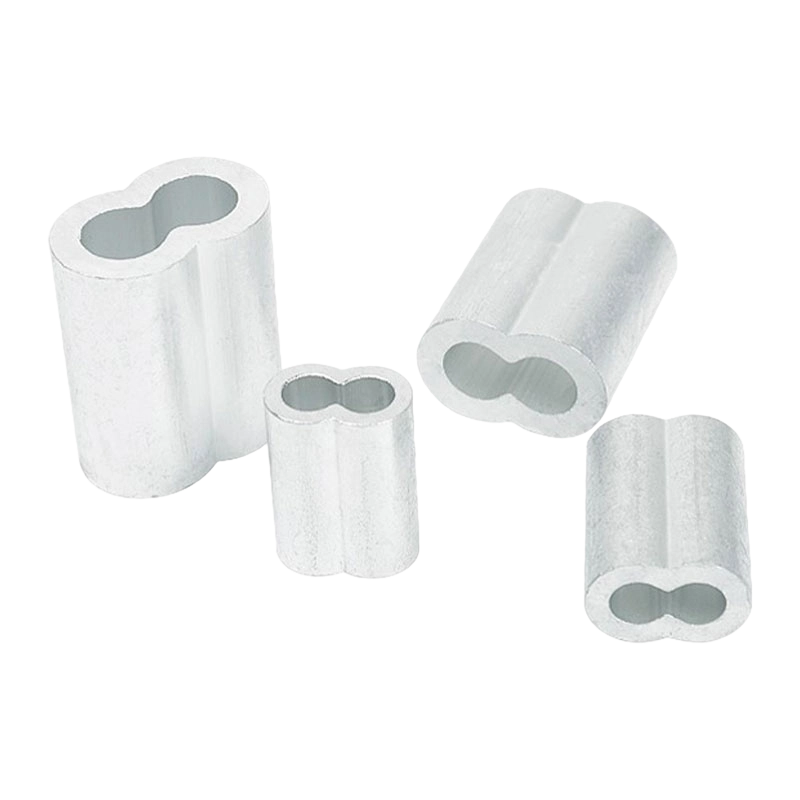
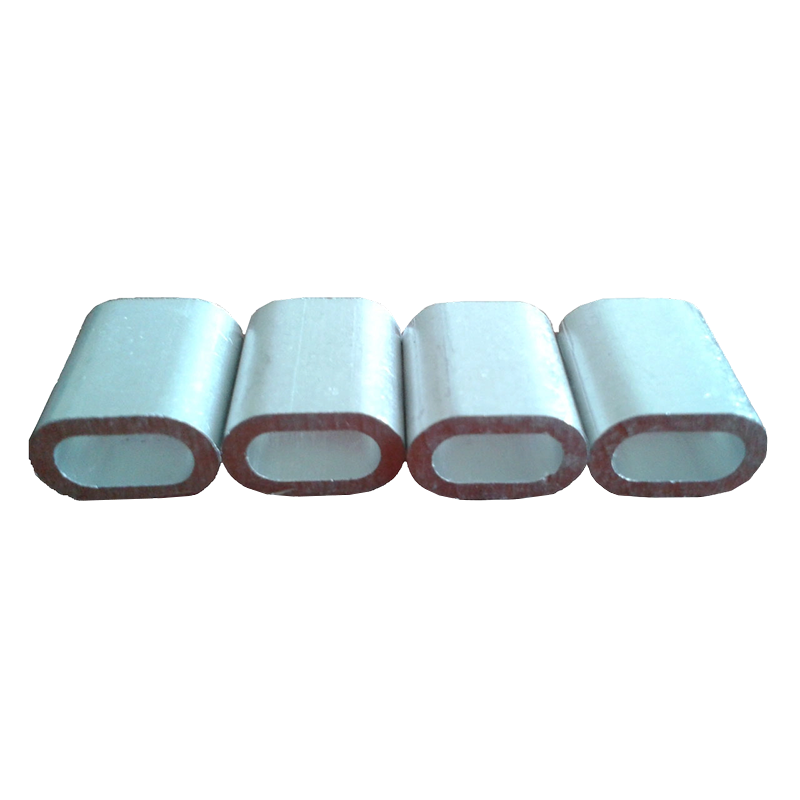
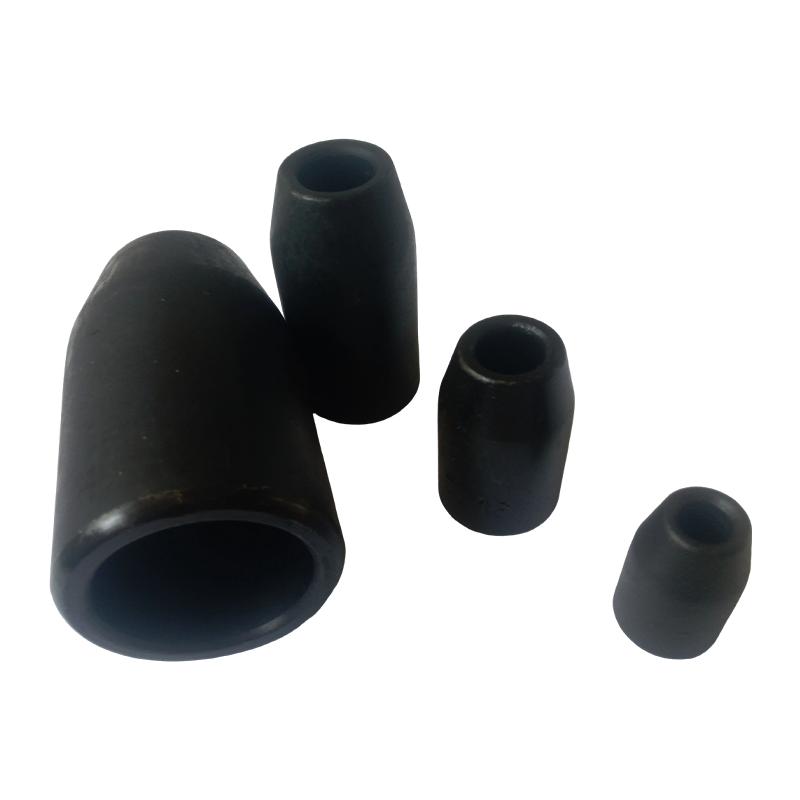
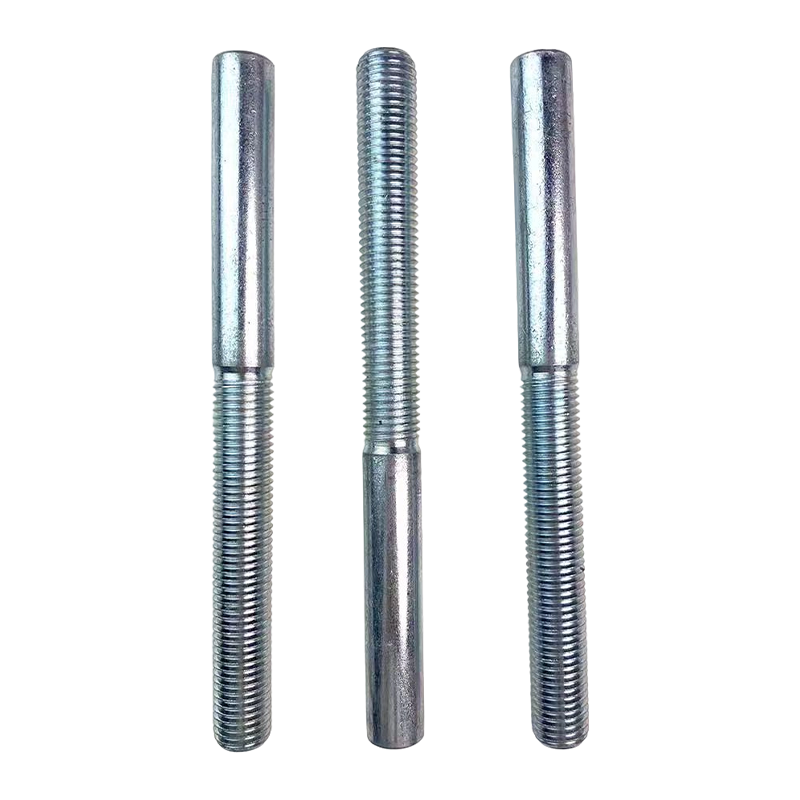
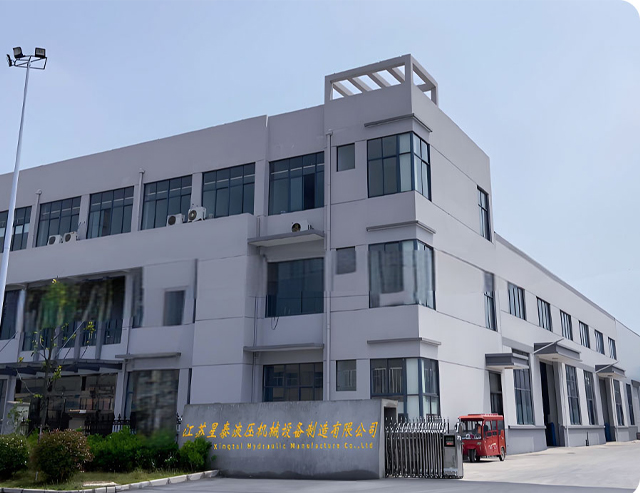
As Wire Rope Processing Accessories Manufacturers and Termination Systems Accessories Factory, Jiangsu Xingtai Hydraulic Manufacturing Co., Ltd. was founded in 1992 and is located in Taizhou City, Jiangsu Province, China. The company specializes in manufacturing hydraulic wire rope pressing machines, wire rope annealing and tapering machines, aluminum sleeves, and lifting clamps. Xingtai Hydraulic is equipped with advanced production facilities, strong technical capabilities, authoritative testing equipment, and a comprehensive quality management system.
The swaging components of Xingtai Hydraulic machines are forged from high-strength alloy steel. The machine body is manufactured from a single block of material, ensuring structural integrity and long service life. Our hydraulic systems utilize a dual-pressure pump oil supply system, which enables fast upward and downward movement while ensuring a smooth pressing process. This design significantly improves pressing quality and production efficiency.
Xingtai Hydraulic machines have been exported to numerous countries, including the UK, Australia, the Netherlands, Latvia, Malaysia, Thailand, India, Russia, Botswana, Poland, and others.
Guided by the philosophy of "high quality, competitive price, and lasting commitment," we strive to meet our customers' needs and provide them with the best service. We remain dedicated to serving both existing and new clients with the same level of excellence as we work together to build a successful future.

SEARCH
CATEGORY
Wire Rope Processing And Termination Systems Accessories Manufacturers
The Accessories encompasses a comprehensive range of essential components designed to enhance the functionality, safety, and performance of wire rope processing and termination systems. Each accessory serves a specialized role in ensuring secure connections, precise forming, and long-lasting durability in industrial, marine, and construction applications.
Among the key products, the Mould Die for Wire Rope Press Machine ensures accurate shaping and consistent compression during the swaging process, achieving uniform results for various ferrule sizes. Aluminum Ferrules are widely used for forming loops and eye terminations, offering lightweight strength and corrosion resistance—ideal for outdoor or marine environments. For heavy-duty or load-bearing assemblies, Flemish Eye Steel Ferrules provide superior mechanical integrity and resistance to slippage, making them a trusted choice for high-tension lifting operations.
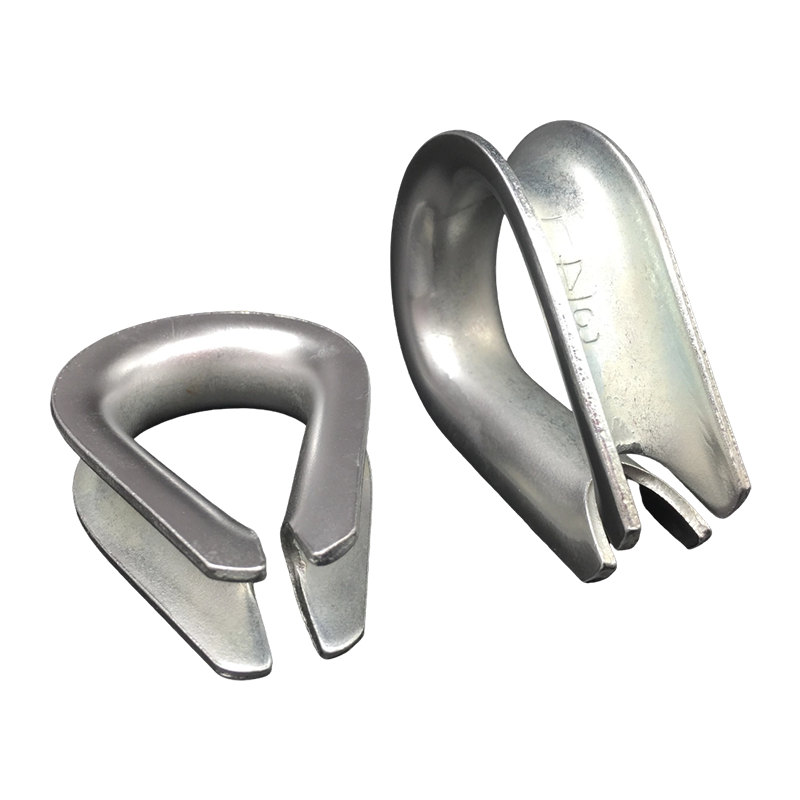
Complementing these are Steel Wire Rope Swage Terminals, which offer a permanent, high-strength connection between the rope and other fittings. Their precision engineering allows for efficient load transfer and improved fatigue resistance. Finally, Wire Rope Thimbles protect the rope eye from abrasion and deformation, extending service life and maintaining rope geometry under repeated stress.
Together, these accessories form the backbone of a safe and reliable wire rope system. By combining precision-manufactured fittings with durable materials, they ensure optimal performance across a wide range of industries—where reliability, safety, and structural integrity are non-negotiable.
Company
Jiangsu Xingtai Hydraulic Manufacturing Co., Ltd.
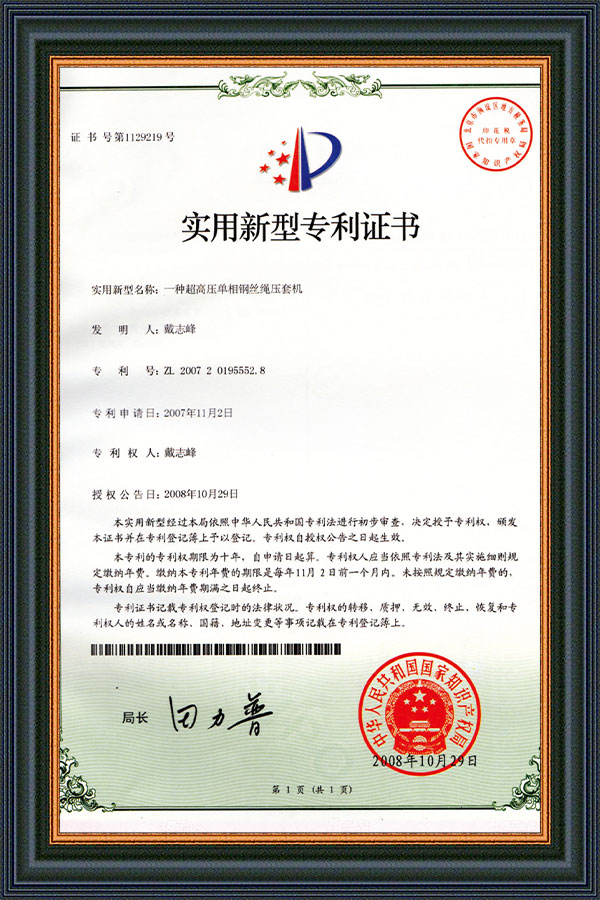
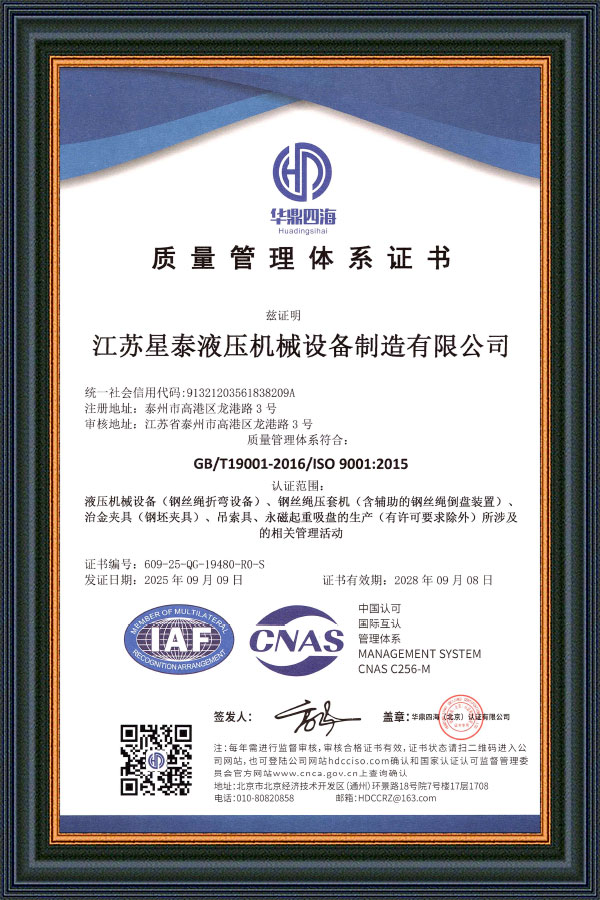
Certificate
News
-
Twelve millimetres of wire rope, a 4.5 metre finished sling, and a 10 mm error at the cut. That is the sequence many sling shops meet on a Monday morning: the eye does not land where the drawing says...
READ MORE -
Imagine a workshop that has just won a contract to produce 120 identical wire rope slings, each 3.75 metres long with a swaged aluminium sleeve at one end. The operator sets up a cut-off wheel and me...
READ MORE -
A coiling head is the rotating assembly that receives wire rope, annealed wire ends, or wire rod and forms it into a tightly controlled spiral coil. For manufacturers that produce wire rope slings, c...
READ MORE -
A wire rope processor in Southeast Asia recently rejected nearly 30 percent of an annealed batch because the coils had stuck together and the outer layers were scratched beyond repair. The furnace pr...
READ MORE -
A deck hand who dumps a 60-meter mooring line into a loose pile at the end of a shift will pay for it on the next one: knots to pick out, twist to remove, and a stiff set of bends that fights everyon...
READ MORE
Industry Knowledge
1. What Are Wire Rope Processing and Termination System Accessories Used For?
Wire rope processing and termination system accessories are specialized components used to cut, shape, seal, and securely terminate wire ropes in lifting, rigging, and industrial applications. Their primary purposes include: preventing unraveling, creating attachment points, distributing load evenly, and extending rope service life.
(1) Main Functions – Why These Accessories Are Indispensable
Without proper processing and termination accessories, wire ropes would fray, weaken at connection points, or fail catastrophically. These components transform a raw wire rope into a safe, reliable lifting or towing assembly. According to OSHA data, over 85% of wire rope failures occur at termination points when using improper or worn accessories.
- Load transfer: Accessories like thimbles, sockets, and clips transfer load from rope to lifting equipment efficiently.
- Strain relief: Prevents bending stress concentration at the termination point.
- Corrosion protection: Sealing accessories (e.g., spelter sockets) block moisture ingress.
2. Common Processing & Termination Accessories – Functions & Data
Each accessory serves a distinct purpose in the rope assembly process. Using the correct type increases safety margins and reduces downtime.
(2) Essential Accessories and Their Applications
- Thimbles: Placed inside rope eye to prevent abrasion and kinking. Increases eye strength by 35–40%.
- Wire rope clips (U-bolts): Quick temporary terminations. Proper torque (e.g., 65 Nm for 16mm rope) ensures 80% efficiency.
- Swaged/sockets: Hydraulically compressed fittings offering 95–100% of rope breaking strength.
- Spelter sockets: Zinc-poured terminations for heavy-duty cranes, achieving 98% efficiency.
- Cutting & sealing tools: Hot-cutters or mechanical shears with induction sealers prevent strand unraveling.
| Accessory | Efficiency (%) | Relative Cost | Typical Use Case |
|---|---|---|---|
| Wire rope clips (3-4 clips) | 80 – 85% | Low | Temporary lifting, guy lines |
| Swaged fittings | 95 – 97% | Medium | Crane hoists, marine rigging |
| Spelter sockets (zinc poured) | 98 – 100% | High | Mining, overhead cranes, heavy lifts |
| Thimble + splice | 90 – 92% | Low-Medium | General purpose, towing slings |
3. Performance Analytics & Selection Guide
(3) Service Life Extension – Real-World Data
Proper termination accessories can extend wire rope service life by 200–300% in cyclic bending applications. A 2024 study by the Cordage Institute tracked 120 cranes over 18 months.
Radar Chart: Accessory Selection Criteria – Strength vs. Cost vs. Ease of Installation
The radar chart highlights trade-offs: Spelter sockets offer maximum strength and fatigue resistance but higher cost and slower installation. Wire rope clips are quick and cheap but provide only 80% efficiency. For critical lifting, swaged or spelter terminations are recommended.
4. Real-World Impact & Common Questions
(4) Case Study – Mining Hoist Upgrade
A copper mine replaced worn wire rope clips with spelter socket terminations on their main shaft hoist ropes (32mm diameter, 800m depth). After 12 months:
- Rope replacement frequency dropped from every 8 months to every 22 months.
- Unplanned downtime due to termination failure: 0 hours (vs 32 hours previously).
- Annual savings: $480,000 USD in rope replacements and labor.
Frequently Asked Questions (FAQ)
- Q1: How often should wire rope clips be inspected?
A1: Before every lift for visible wear or looseness. Torque should be checked weekly; after 10 heavy lifts, re-torque to manufacturer spec (e.g., 85 Nm for 19mm rope). - Q2: Can I use different termination accessories together?
A2: Yes, but ensure compatibility. Example: thimble + swaged socket + forged eye. Mixed systems must follow ASME B30.26 guidelines. Mixing clips with sockets on same rope is not recommended. - Q3: What is the minimum number of wire rope clips required?
A3: For ropes up to 19mm: 3 clips; 20–32mm: 4 clips; above 32mm: 5 clips. Always place saddle (U-bolt) on the live end, never on the dead end.
Conclusion: Wire rope processing and termination system accessories are not optional — they are critical safety and performance components. Selecting the correct accessory based on efficiency, environment, and load cycle data can triple rope service life and prevent over 80% of termination-related failures. Always follow manufacturer specifications and standards like OSHA 1910.184, ASME B30.9, and EN 13411.
Stay in touch with Xingtai.

If you require custom hydraulic equipment or technical consultation, please feel free to contact the Xingtai Sales and Engineering Team.
Quick Links
Product Category
Contact Us
-
 +86-523-86934677
+86-15896002505 -
 [email protected]
-
 +86-15896002505
-
 No. 3 Longgang Road, Gaogang Port Street, Taizhou City, China.
Copyright © Jiangsu Xingtai Hydraulic Manufacturing Co., Ltd. All Rights Reserved. Custom Wire Rope Processing Accessories Manufacturers Wholesale wire rope swagers Factory

