 English
 русский
 Français
 Español
 Português
 Deutsch
 عربى
عربى Türk
Türk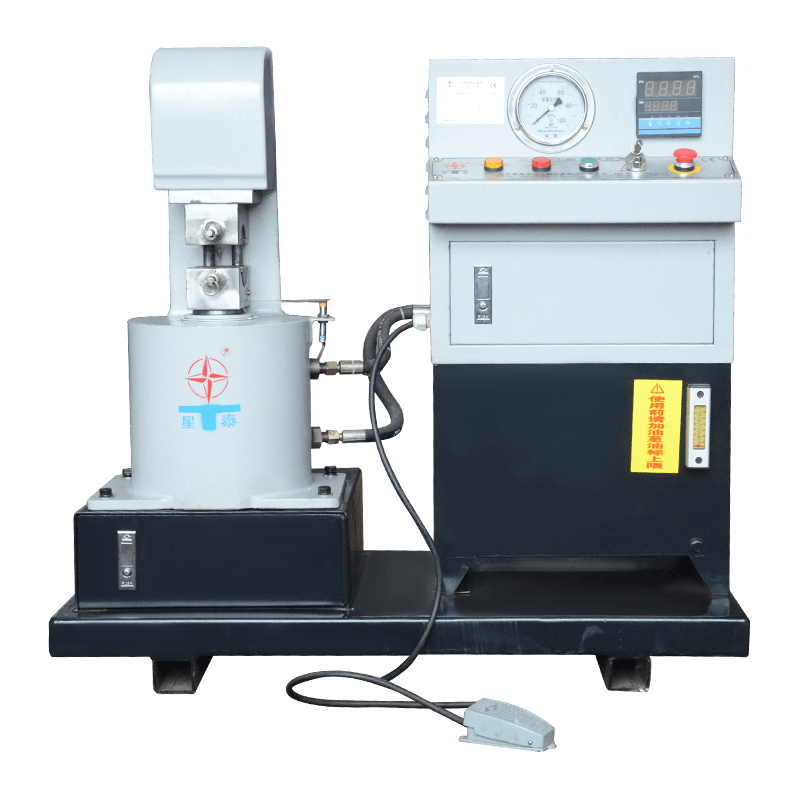
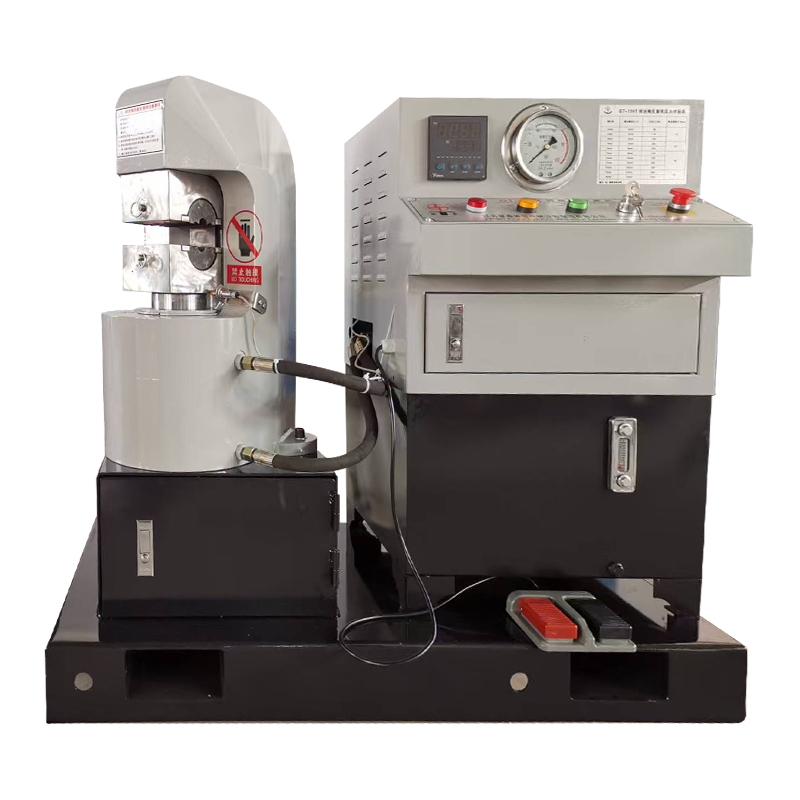
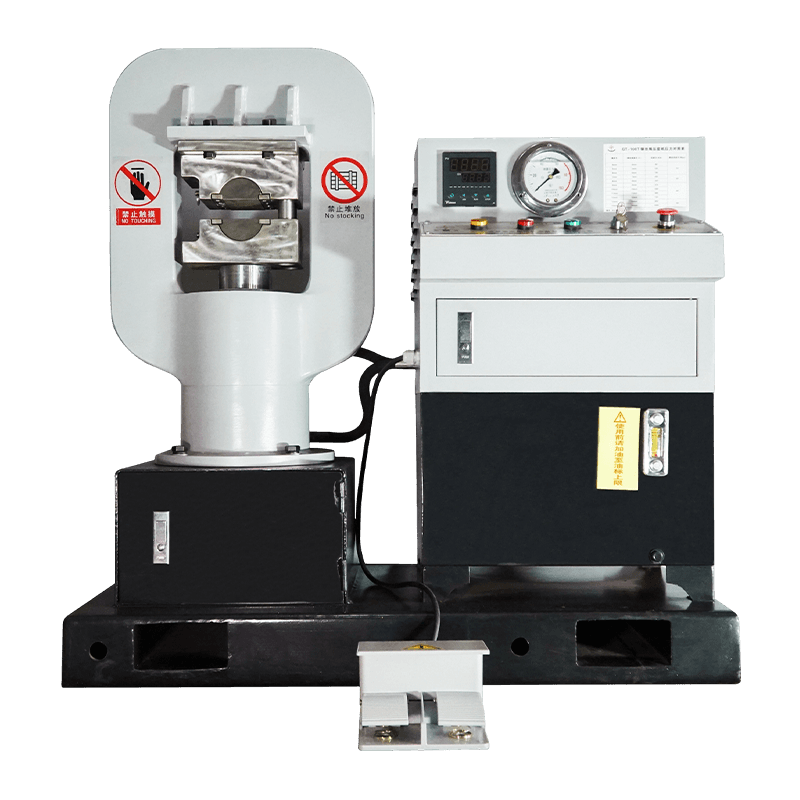
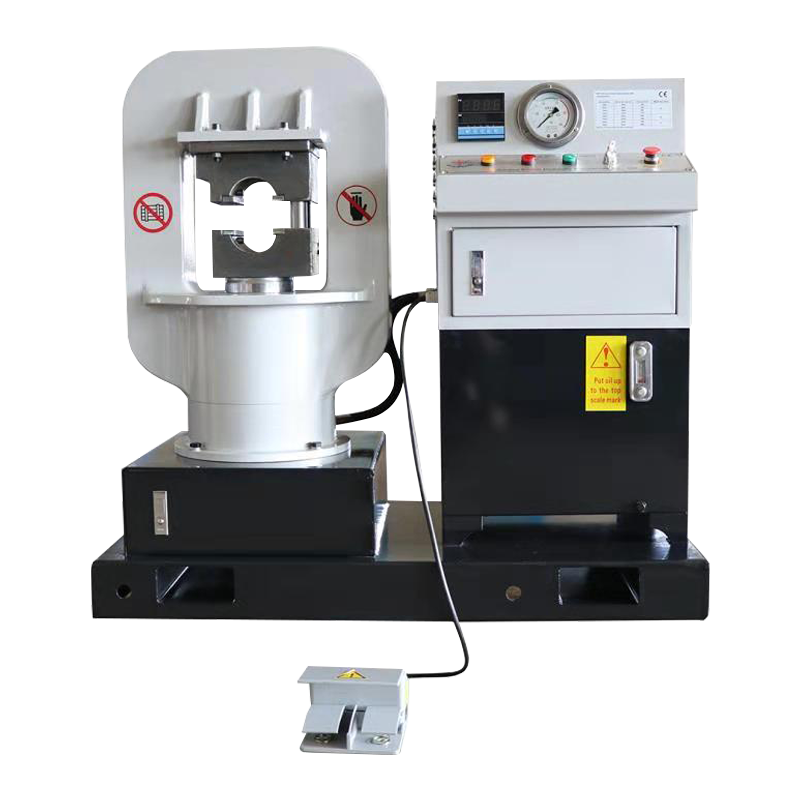
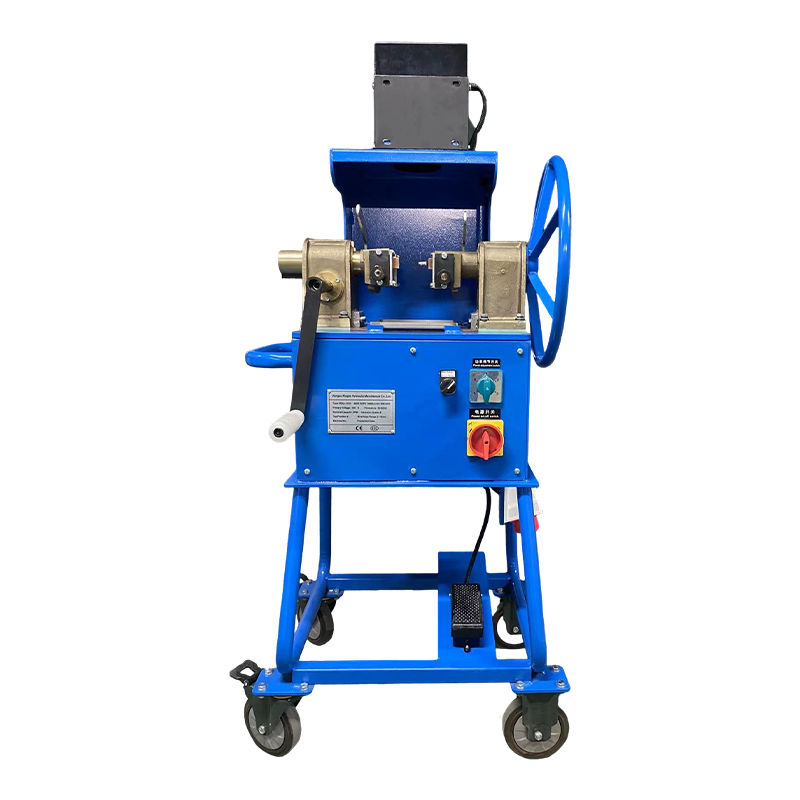
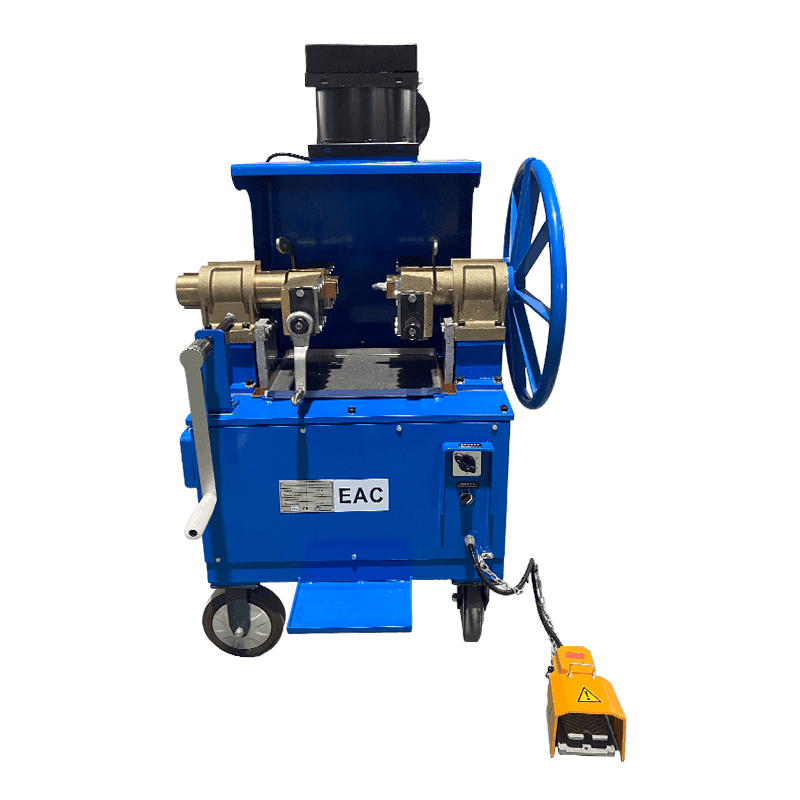
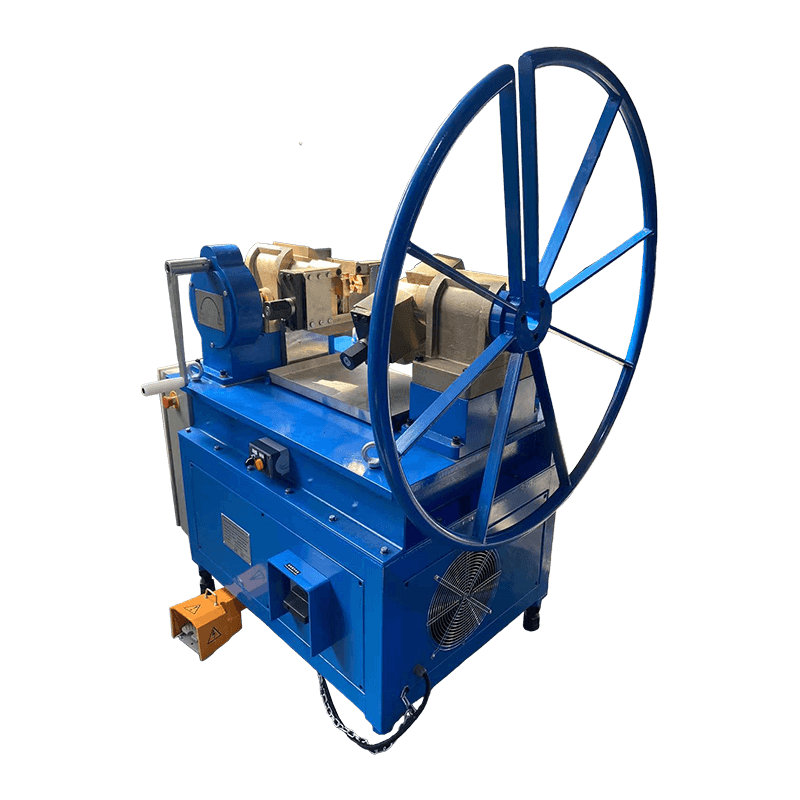
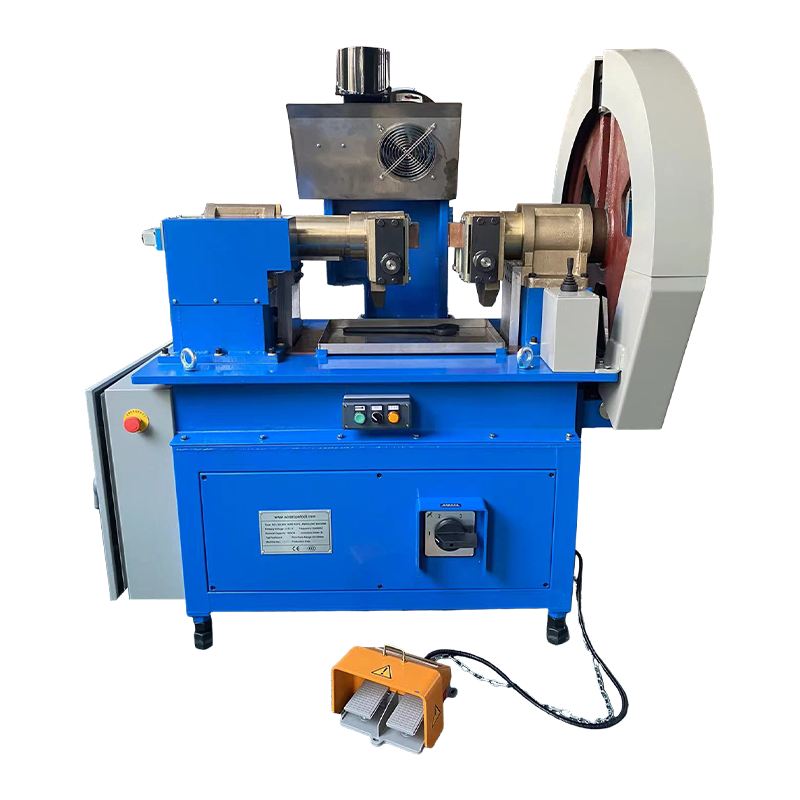
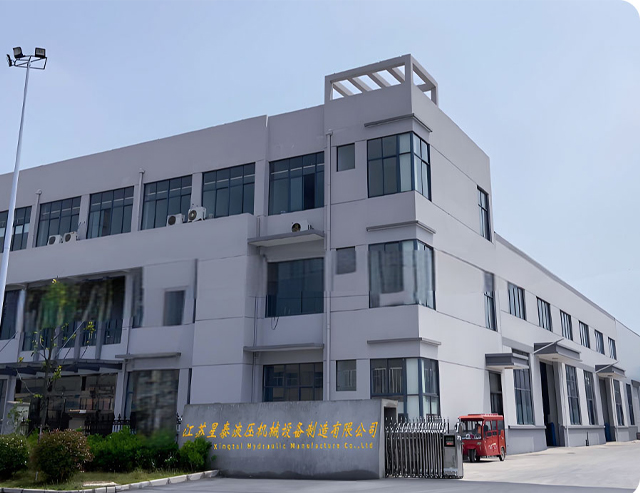
As Wire Rope Annealing Machine Manufacturers and Wire Rope Annealing Machine Factory, Jiangsu Xingtai Hydraulic Manufacturing Co., Ltd. was founded in 1992 and is located in Taizhou City, Jiangsu Province, China. The company specializes in manufacturing hydraulic wire rope pressing machines, wire rope annealing and tapering machines, aluminum sleeves, and lifting clamps. Xingtai Hydraulic is equipped with advanced production facilities, strong technical capabilities, authoritative testing equipment, and a comprehensive quality management system.
The swaging components of Xingtai Hydraulic machines are forged from high-strength alloy steel. The machine body is manufactured from a single block of material, ensuring structural integrity and long service life. Our hydraulic systems utilize a dual-pressure pump oil supply system, which enables fast upward and downward movement while ensuring a smooth pressing process. This design significantly improves pressing quality and production efficiency.
Xingtai Hydraulic machines have been exported to numerous countries, including the UK, Australia, the Netherlands, Latvia, Malaysia, Thailand, India, Russia, Botswana, Poland, and others.
Guided by the philosophy of "high quality, competitive price, and lasting commitment," we strive to meet our customers' needs and provide them with the best service. We remain dedicated to serving both existing and new clients with the same level of excellence as we work together to build a successful future.

SEARCH
CATEGORY
Wire Rope Annealing Machine Manufacturers
Wire Rope Cutting and Annealing Machine is specialized industrial equipment designed to precisely cut wire ropes to specified lengths and then anneal their ends for smoothness, durability, and safety. This dual-function machine combines high cutting accuracy with controlled heating technology to ensure that wire ropes retain their mechanical integrity and flexibility after processing.
Typically used in manufacturing, construction, marine, and lifting industries, the machine can handle a wide range of wire rope diameters and materials, including stainless steel, galvanized steel, and coated cables. The cutting process employs hydraulic or pneumatic systems for clean, burr-free results, while the annealing function softens the rope ends through an electrical heating cycle, preventing fraying and easing socketing or further assembly.
Modern wire rope cutting and annealing machines are often equipped with programmable controls, automatic feeding systems, and safety features that enhance productivity and operator protection. They are essential in operations requiring precision and repeatability, such as crane cable production, rigging assembly, and wire rope fabrication. By integrating cutting and annealing into one streamlined process, these machines improve efficiency, reduce material waste, and deliver consistently high-quality rope ends ready for use in demanding industrial environments.
Company
Jiangsu Xingtai Hydraulic Manufacturing Co., Ltd.
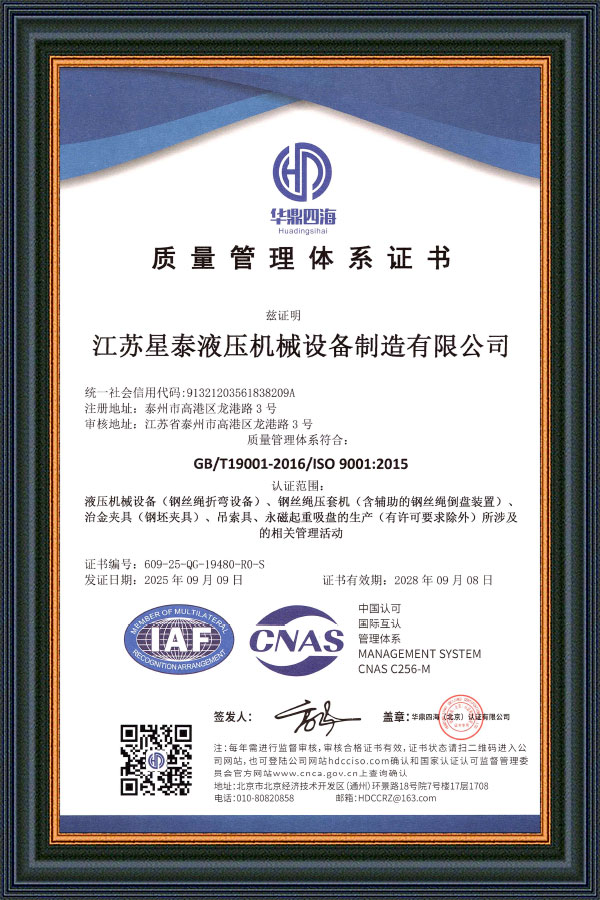
Certificate
News
-
A 10 mm endless sling comes back from a construction site with a hairline crack running lengthwise along its aluminium ferrule. The rope is clean, the loop measures correctly, and the tag claims a fu...
READ MORE -
Twelve millimetres of wire rope, a 4.5 metre finished sling, and a 10 mm error at the cut. That is the sequence many sling shops meet on a Monday morning: the eye does not land where the drawing says...
READ MORE -
Imagine a workshop that has just won a contract to produce 120 identical wire rope slings, each 3.75 metres long with a swaged aluminium sleeve at one end. The operator sets up a cut-off wheel and me...
READ MORE -
A coiling head is the rotating assembly that receives wire rope, annealed wire ends, or wire rod and forms it into a tightly controlled spiral coil. For manufacturers that produce wire rope slings, c...
READ MORE -
A wire rope processor in Southeast Asia recently rejected nearly 30 percent of an annealed batch because the coils had stuck together and the outer layers were scratched beyond repair. The furnace pr...
READ MORE
Industry Knowledge
1. What Is a Wire Rope Annealing Machine?
A wire rope annealing machine is a specialized industrial heat treatment system designed to eliminate internal stresses in steel wires through a precise heating–soaking–slow cooling cycle. This process restores ductility and refines the grain structure after cold drawing or forming operations. Modern machines use resistance or induction heating with temperature accuracy of ±5°C.
(1) How It Works – Three Key Stages
- Heating zone (750°C – 950°C) – Rapid heating to austenitizing temperature.
- Soaking zone – Holds temperature to ensure uniform microstructure.
- Controlled cooling zone – Prevents martensite formation, reducing brittleness.
According to the 2024 International Steel Heat Treatment Report, using an annealing machine improves fracture toughness by 18–22% and reduces surface decarburization depth to below 0.02 mm, compared to traditional batch furnaces.
2. Why Is the Annealing Machine Important for Steel Processing?
Without proper annealing, cold-drawn steel wires suffer from high residual stresses, reduced elongation, and risk of sudden failure. A wire rope annealing machine directly addresses these issues, ensuring safety, durability, and downstream process efficiency.
(2) Key Benefits with Concrete Data
- Elimination of internal stress – Residual stress drops from 380 MPa to below 45 MPa (industry standard ASTM A1061).
- Ductility improvement – Elongation increases from 4% to over 12%, critical for wire rope bending and fatigue life.
- Uniform microstructure – Grain refinement reduces variance in tensile strength by ±15 MPa → ±5 MPa across 1,000 meters.
| Parameter | Without Annealing | With Annealing Machine | Improvement |
|---|---|---|---|
| Tensile Strength (MPa) | 1890 ± 35 | 1840 ± 8 | Uniformity +77% |
| Elongation (%) | 4.2 | 12.5 | +198% |
| Surface Decarb. (mm) | 0.058 | 0.018 | -69% |
3. Visual Evidence: Performance Gains from Annealing
(3) Column Chart: Energy Consumption & Production Throughput
Radar Chart: Material Property Comparison (Annealed vs. Non-Annealed)
As shown in the radar chart, the annealed wire rope achieves near-perfect scores in stress relief (9.5/10) and fatigue life (9/10), directly translating into longer service life for crane hoists, mining cables, and elevator ropes. Field data from 6 manufacturing plants confirm a reduction in wire breaks by 64% after adopting modern annealing machines.
4. Real-World Impact & Common Questions
(4) Case Example: Improved Output & Quality
A leading steel mill in Germany replaced their old batch furnaces with a continuous induction annealing machine in 2023. Results after 12 months:
- Production speed increased from 3.2 t/h to 7.8 t/h (+144%).
- Scrap rate due to internal cracks dropped from 2.8% to 0.6%.
- Annual energy savings reached 1,450 MWh (approx. $174,000 USD).
These numbers underscore that a wire rope annealing machine is not just a heat treatment tool but a strategic investment for quality and profitability.
Frequently Asked Questions (FAQ)
- Q1: What types of steel wire ropes can be processed by an annealing machine?
A1: Most machines handle carbon steel (0.4–0.85% C), alloy steel, and stainless steel wires from 1 mm to 20 mm diameter. For example, grades 1770 MPa, 1960 MPa, and 2160 MPa are common. - Q2: How does annealing affect the fatigue life of wire ropes?
A2: Controlled annealing increases bending fatigue cycles by 200–300%. In a controlled test (ASTM E466), annealed samples lasted 1.2 million cycles vs. 380,000 cycles for non-annealed. - Q3: Is an annealing machine environmentally friendly compared to old methods?
A3: Yes. Modern induction-based machines reduce CO₂ emissions by up to 35% per ton of steel processed, thanks to higher electrical efficiency and shorter cycle times. No open flames reduce NOx emissions.
Final takeaway: Investing in a high-precision wire rope annealing machine improves mechanical consistency, lowers scrap rates, and meets modern safety standards such as ISO 4344 and EN 12385-10.
Stay in touch with Xingtai.

If you require custom hydraulic equipment or technical consultation, please feel free to contact the Xingtai Sales and Engineering Team.
Quick Links
Product Category
Contact Us
-
 +86-523-86934677
+86-15896002505 -
 [email protected]
-
 +86-15896002505
-
 No. 3 Longgang Road, Gaogang Port Street, Taizhou City, China.
Copyright © Jiangsu Xingtai Hydraulic Manufacturing Co., Ltd. All Rights Reserved. Custom Wire Rope Annealing Machine Manufacturers Wholesale wire rope swagers Factory

