 English
 русский
 Français
 Español
 Português
 Deutsch
 عربى
عربى Türk
Türk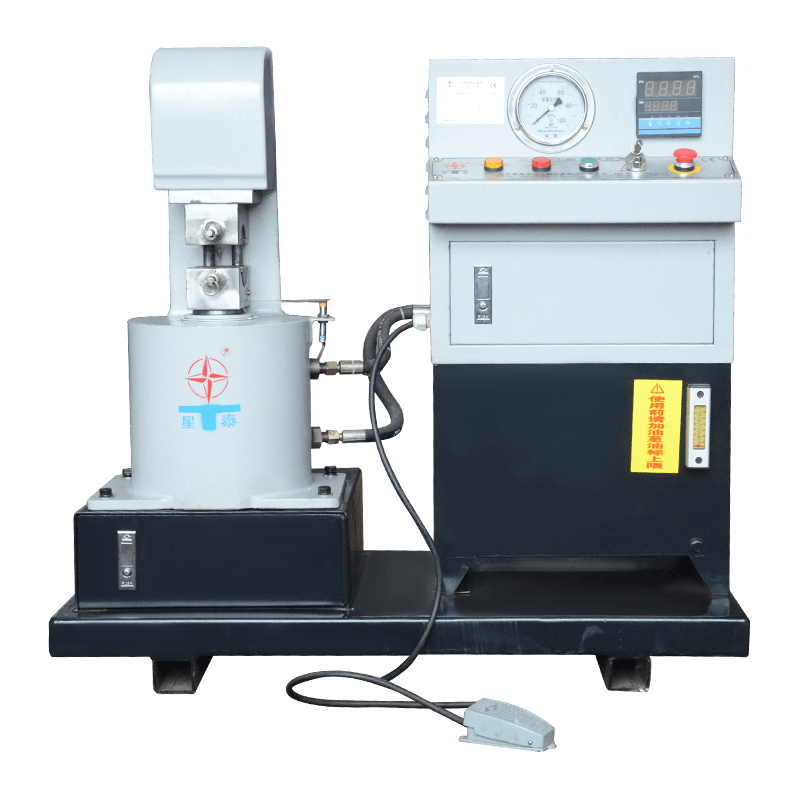
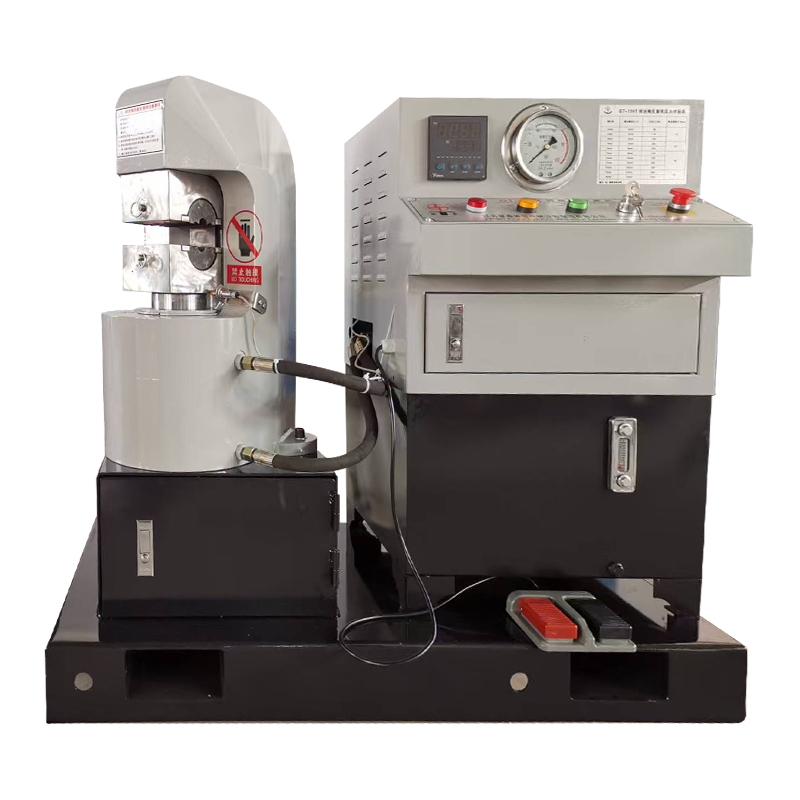
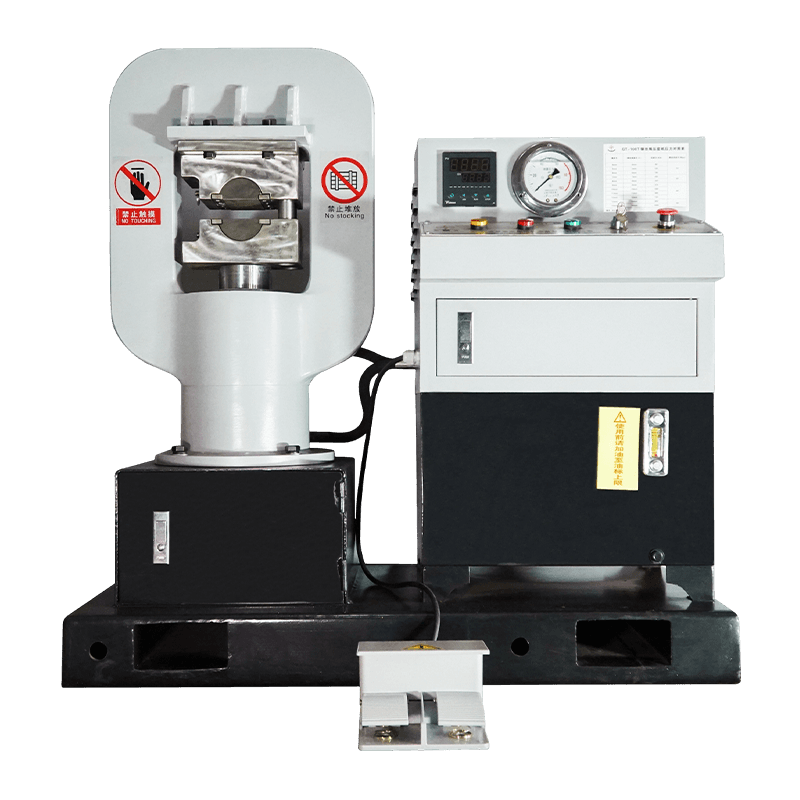
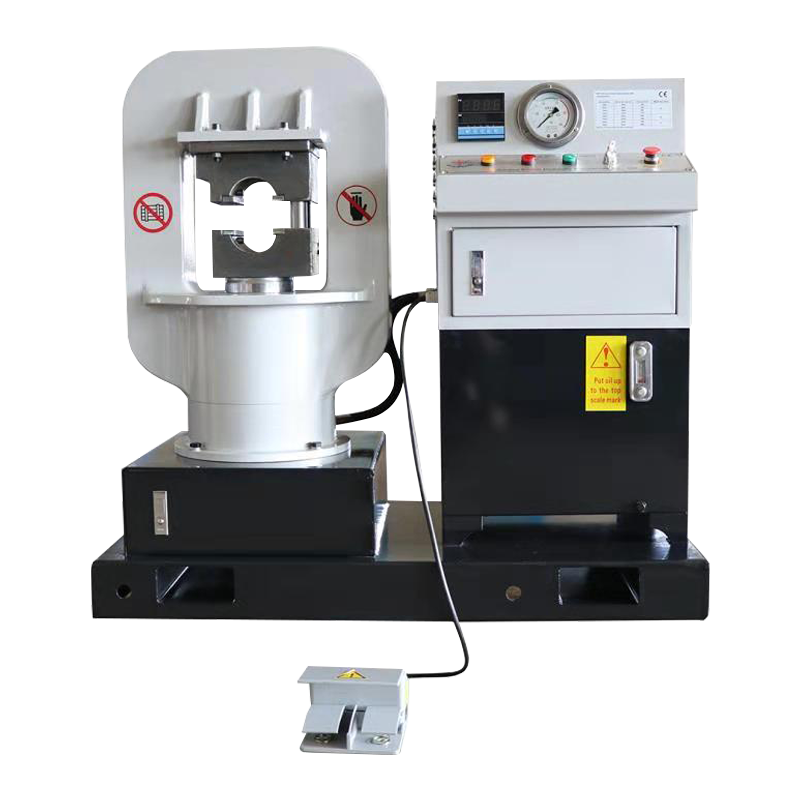
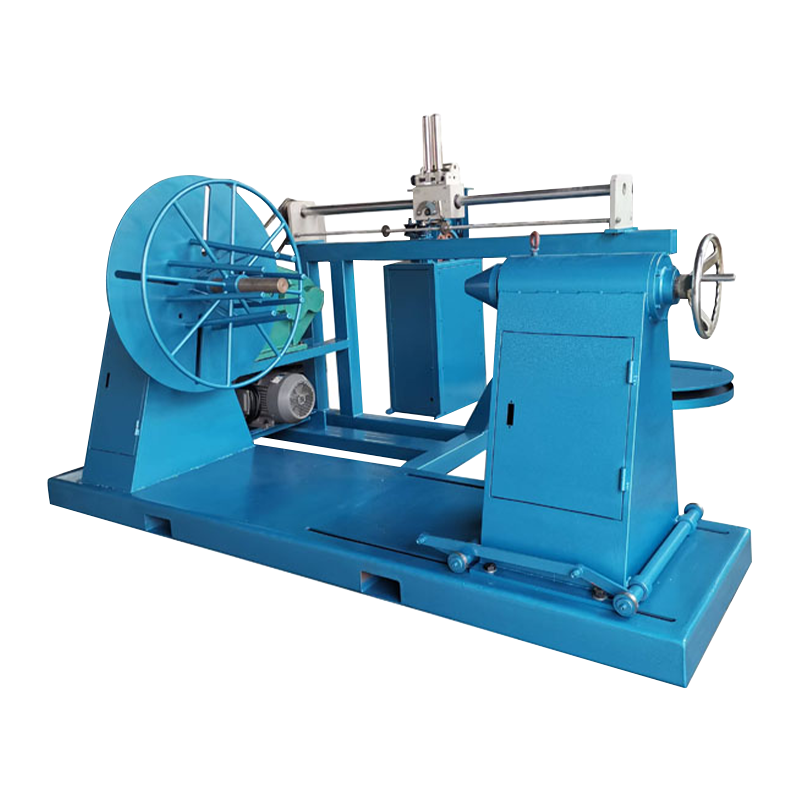
As Wire Rope Rolling Machine Manufacturers and Wire Rope Rolling Machine Factory, Jiangsu Xingtai Hydraulic Manufacturing Co., Ltd. was founded in 1992 and is located in Taizhou City, Jiangsu Province, China. The company specializes in manufacturing hydraulic wire rope pressing machines, wire rope annealing and tapering machines, aluminum sleeves, and lifting clamps. Xingtai Hydraulic is equipped with advanced production facilities, strong technical capabilities, authoritative testing equipment, and a comprehensive quality management system.
The swaging components of Xingtai Hydraulic machines are forged from high-strength alloy steel. The machine body is manufactured from a single block of material, ensuring structural integrity and long service life. Our hydraulic systems utilize a dual-pressure pump oil supply system, which enables fast upward and downward movement while ensuring a smooth pressing process. This design significantly improves pressing quality and production efficiency.
Xingtai Hydraulic machines have been exported to numerous countries, including the UK, Australia, the Netherlands, Latvia, Malaysia, Thailand, India, Russia, Botswana, Poland, and others.
Guided by the philosophy of "high quality, competitive price, and lasting commitment," we strive to meet our customers' needs and provide them with the best service. We remain dedicated to serving both existing and new clients with the same level of excellence as we work together to build a successful future.
SEARCH
CATEGORY
Wire Rope Rolling Machine Manufacturers
Wire rope coiling and reeling machines are essential equipment designed to handle the precise winding, unwinding, and packaging of wire ropes, cables, and similar materials. These machines ensure that wire ropes are coiled neatly and evenly onto reels or drums without twisting, tangling, or causing internal stress to the strands. Equipped with automatic tension control, guiding systems, and adjustable speed functions, they provide consistent coiling quality across various rope diameters and materials.
In industrial applications such as wire rope manufacturing, marine operations, construction, and mining, efficient coiling and reeling play a vital role in maintaining product integrity and facilitating safe storage and transportation. Modern wire rope coiling machines often feature programmable logic controls (PLC), hydraulic or servo-driven mechanisms, and ergonomic designs that simplify operation while enhancing productivity.
By minimizing manual labor and preventing damage during handling, wire rope coiling and reeling machines help manufacturers maintain high-quality standards and operational efficiency. Their robust construction and precision engineering make them indispensable for large-scale wire rope production lines, ensuring smooth workflow from fabrication to final delivery.
Company
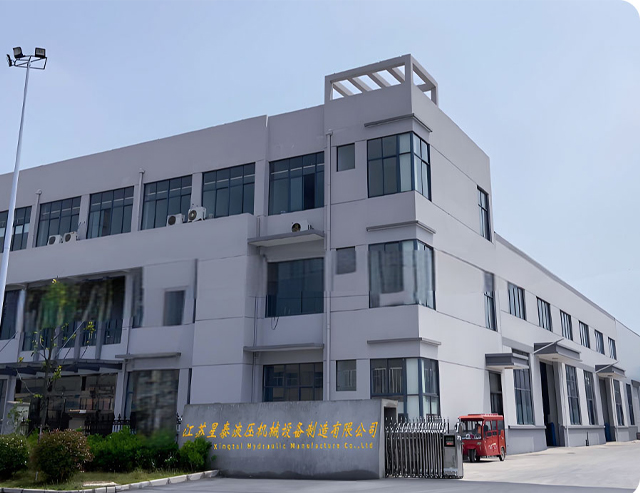
Jiangsu Xingtai Hydraulic Manufacturing Co., Ltd.
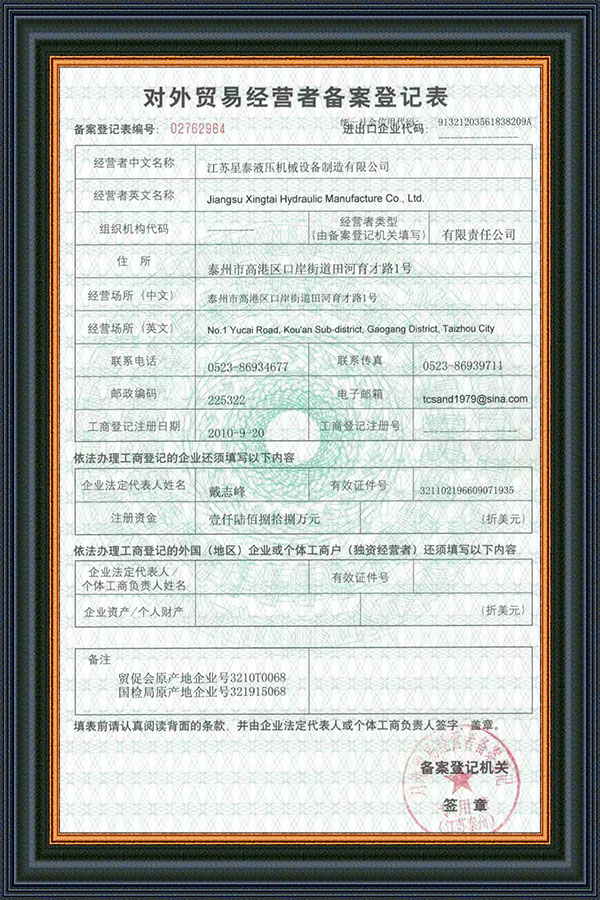
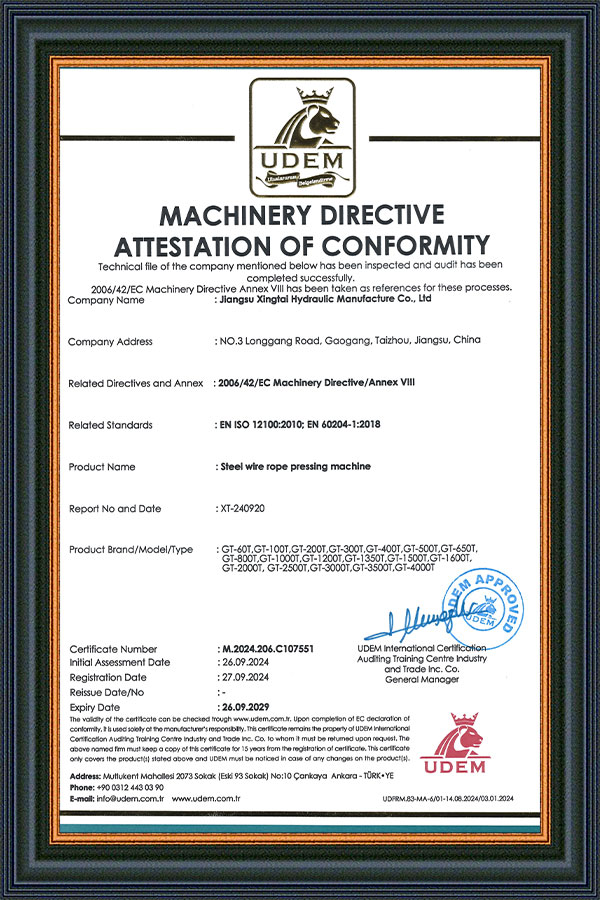
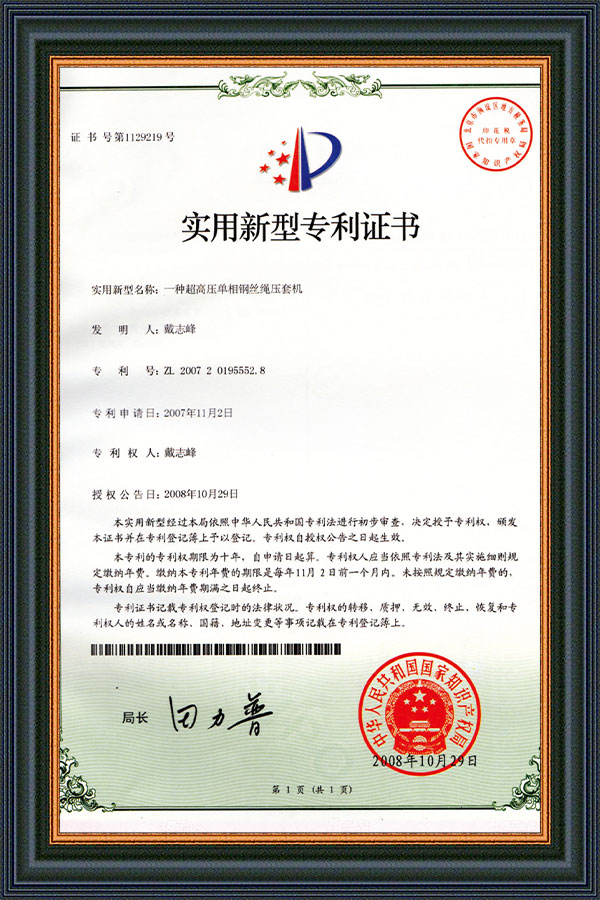
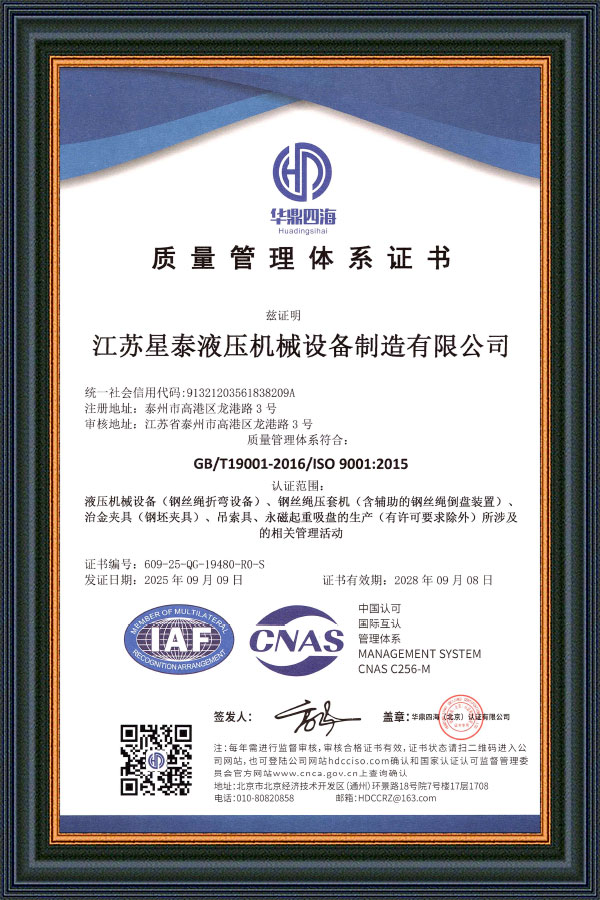
Certificate
News
-
A 10 mm endless sling comes back from a construction site with a hairline crack running lengthwise along its aluminium ferrule. The rope is clean, the loop measures correctly, and the tag claims a fu...
READ MORE -
Twelve millimetres of wire rope, a 4.5 metre finished sling, and a 10 mm error at the cut. That is the sequence many sling shops meet on a Monday morning: the eye does not land where the drawing says...
READ MORE -
Imagine a workshop that has just won a contract to produce 120 identical wire rope slings, each 3.75 metres long with a swaged aluminium sleeve at one end. The operator sets up a cut-off wheel and me...
READ MORE -
A coiling head is the rotating assembly that receives wire rope, annealed wire ends, or wire rod and forms it into a tightly controlled spiral coil. For manufacturers that produce wire rope slings, c...
READ MORE -
A wire rope processor in Southeast Asia recently rejected nearly 30 percent of an annealed batch because the coils had stuck together and the outer layers were scratched beyond repair. The furnace pr...
READ MORE
Industry Knowledge
1. What Is a Wire Rope Rolling Machine?
A wire rope rolling machine is a precision industrial device used in manufacturing to reduce diameter, compact strands, and improve surface finish of wire ropes through controlled compressive deformation. Unlike traditional drawing, rolling uses rotating roller dies that apply radial pressure, eliminating internal gaps and creating a denser, more uniform structure.
(1) How It Works – Step-by-Step Mechanism
The process involves three main stages: feeding → rolling → straightening/cooling. Wire rope passes through 2 to 4 precision-ground rollers arranged in a Turk’s head or compacting head, with applied pressure ranging from 5 to 30 tons. Typical rolling speeds vary between 30 m/min and 120 m/min, reducing diameter by 3–8% while increasing breaking load.
- Feeding zone: Rope is guided through alignment tubes to prevent twisting.
- Rolling zone: Rollers compress strands, closing core gaps and reducing ovality.
- Straightening & cooling: Residual stresses are eliminated via controlled straightening rollers.
2. Why Is the Rolling Machine Critical for Manufacturing?
In modern manufacturing, wire rope rolling machines directly impact product quality, safety, and production efficiency. Without rolling, ropes suffer from uneven strand gaps, poor fatigue life, and inconsistent outer diameter — leading to premature failure in cranes, elevators, and mining equipment.
(2) Key Benefits with Concrete Performance Data
- Diameter tolerance: Improves from ±0.15 mm to ±0.03 mm (ISO 2408 standard).
- Surface roughness (Ra): Drops from 3.2 µm to 0.7 µm — reduces friction on sheaves.
- Breaking load increase: Rolling closes micro-gaps, boosting breaking force by 9–14% for the same nominal diameter.
| Parameter | Before Rolling | After Rolling | Improvement |
|---|---|---|---|
| Diameter tolerance (mm) | ±0.13 – 0.17 | ±0.02 – 0.04 | ~76% tighter |
| Surface roughness Ra (µm) | 3.0 – 3.4 | 0.6 – 0.8 | -78% smoother |
| Fatigue life (cycles to fail) | 172,000 | 298,000 | +73.3% |
3. Rolling Machine Types & Comparative Analytics
(3) Common Configurations in Manufacturing
- Two-roller compactors: Simple design for diameters 3–14 mm, speed up to 80 m/min.
- Four-roller Turk’s head: Provides superior roundness (ovality ≤0.05 mm), precision ±0.02 mm.
- Hydraulic rolling mills: For heavy ropes up to 65 mm diameter, rolling force up to 50 tons.
Radar Chart: Rolling vs Drawing vs No Finishing – Manufacturing Suitability
The radar chart clearly shows that wire rope rolling machines outperform drawing and unfinished ropes across all five manufacturing metrics. A study by Wire Association International (2024) found that rolling improves manufacturing yield by 8–11% and reduces rework due to ovality by 67%.
4. Real-World Manufacturing Impact & Common Questions
(4) Case Example: Higher Throughput & Lower Scrap
A Brazilian wire rope manufacturer (CIMAF) upgraded to a four-roller CNC-controlled rolling machine in early 2024. After 8 months of operation, they reported:
- Line speed increased from 38 m/min to 92 m/min (+142%).
- Scrap rate due to diameter inconsistency fell from 4.2% to 0.9%.
- Annual savings on material and rework: $340,000 USD.
Frequently Asked Questions (FAQ)
- Q1: Can a wire rope rolling machine handle stainless steel ropes?
A1: Yes. Tungsten carbide rollers are used for stainless grades (AISI 304, 316). Recommended rolling speed is 20–35% slower than carbon steel to prevent work hardening. - Q2: Does rolling reduce rope flexibility?
A2: No. Proper rolling actually improves flexibility by uniformly redistributing strand contact. The flexibility index (ASTM A1023) increases by an average of 12–16% after optimized rolling. - Q3: What is the typical roller service life?
A3: With hardened steel rollers (HRC 60–62) and proper lubrication, service life reaches 1,000–1,500 production hours or processing 2,000–2,500 tons of wire rope. Regular profilometry checks are recommended.
Final takeaway: The wire rope rolling machine is a transformative asset in modern manufacturing, delivering tighter tolerances, higher breaking loads, and extended service life. Adoption of advanced roller technology ensures compliance with ISO 2408, EN 12385, and API 9A standards while driving operational excellence.
Stay in touch with Xingtai.
If you require custom hydraulic equipment or technical consultation, please feel free to contact the Xingtai Sales and Engineering Team.
Quick Links
Product Category
Contact Us
-
 +86-523-86934677
+86-15896002505 -
 [email protected]
-
 +86-15896002505
-
 No. 3 Longgang Road, Gaogang Port Street, Taizhou City, China.
Copyright © Jiangsu Xingtai Hydraulic Manufacturing Co., Ltd. All Rights Reserved. Custom Wire Rope Rolling Machine Manufacturers Wholesale wire rope swagers Factory

