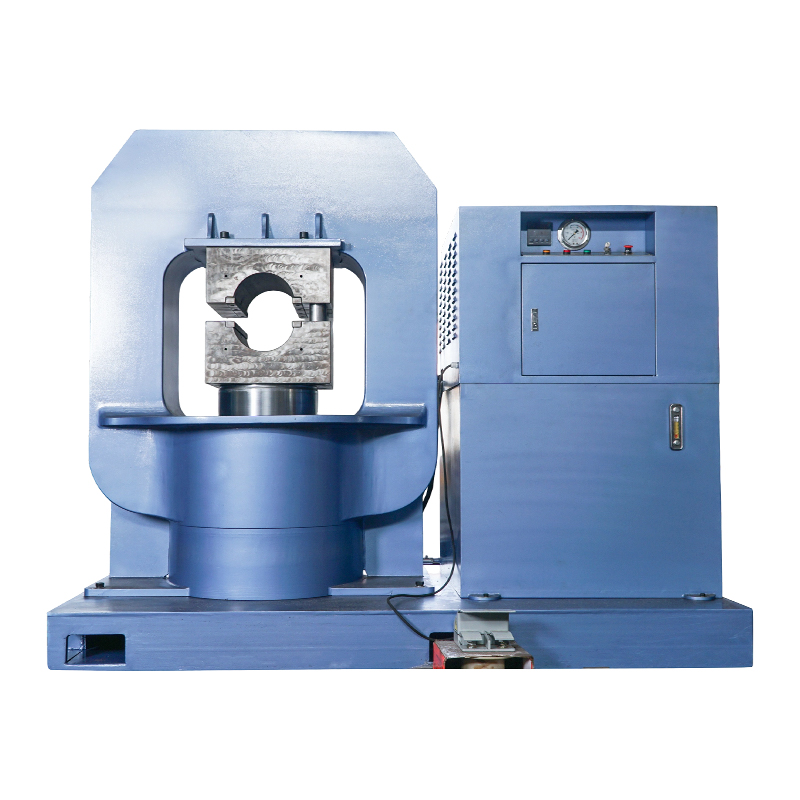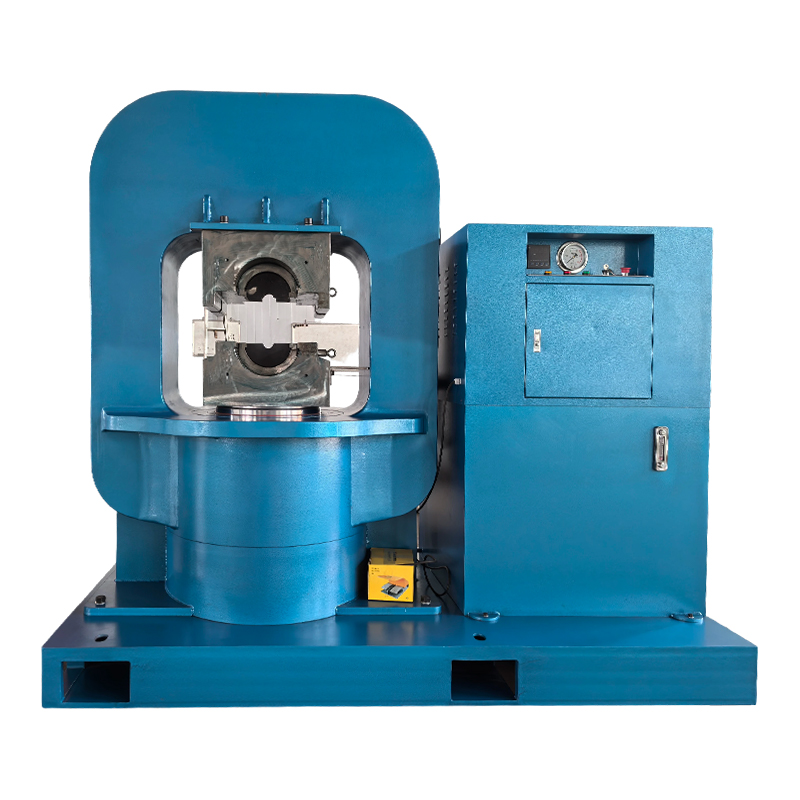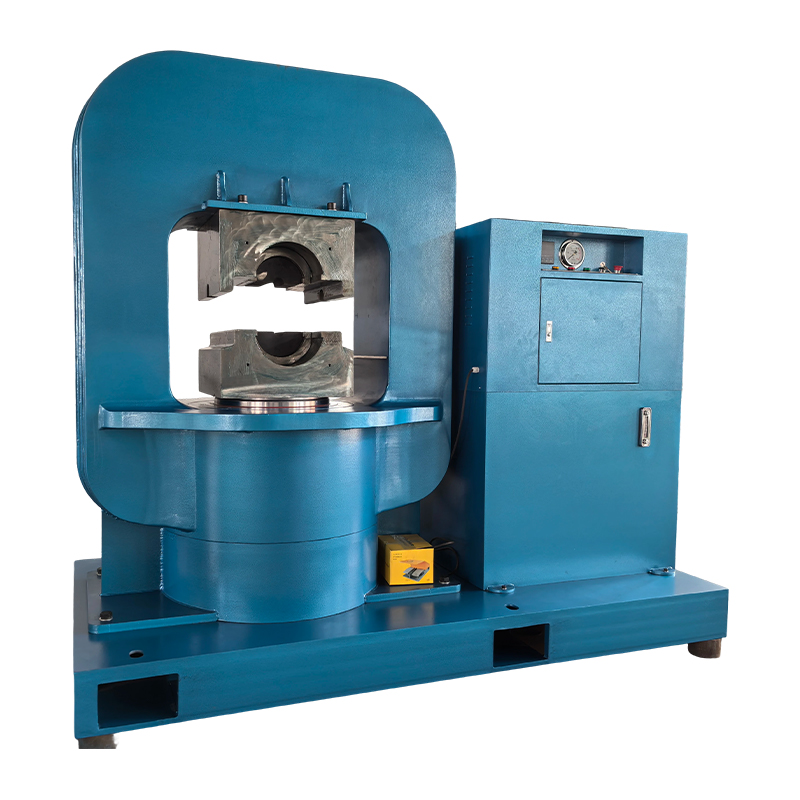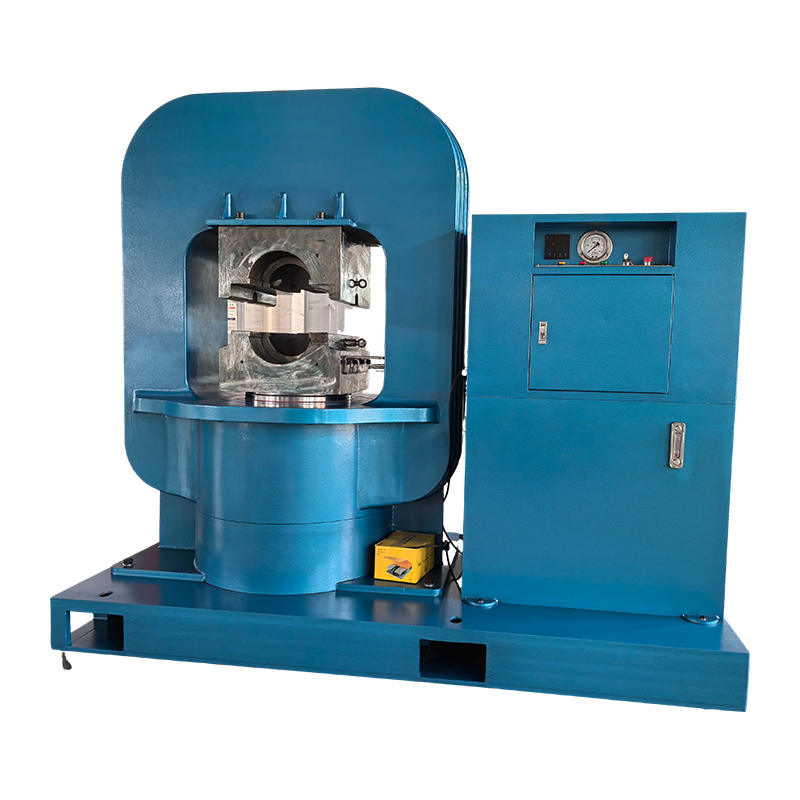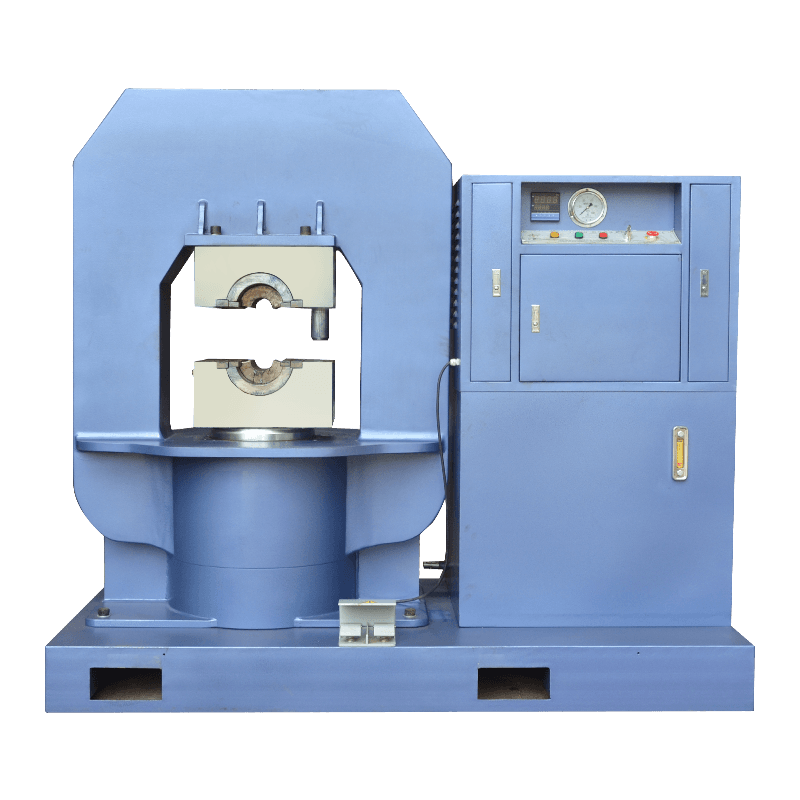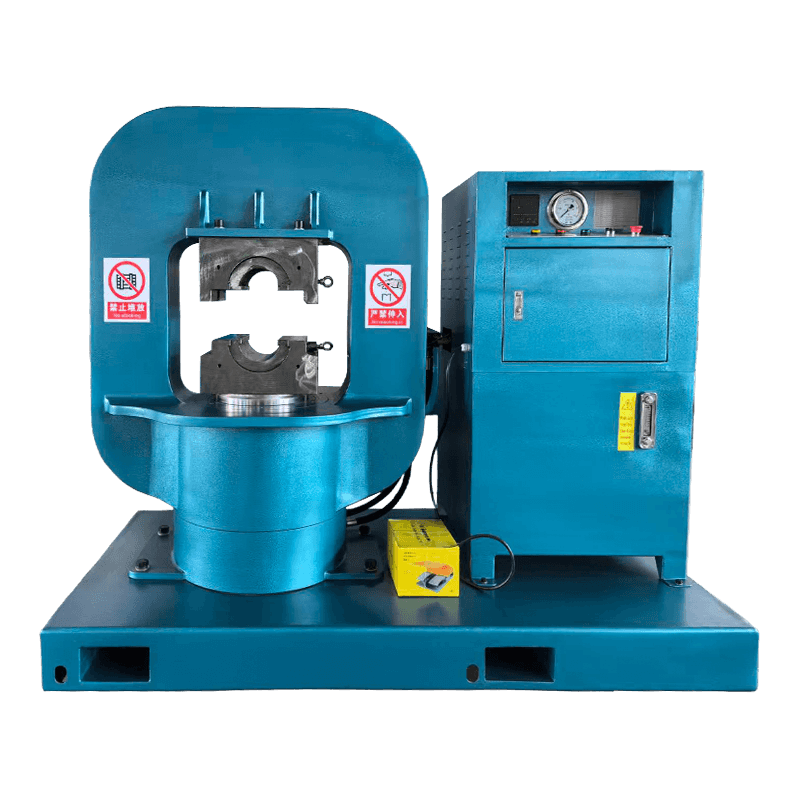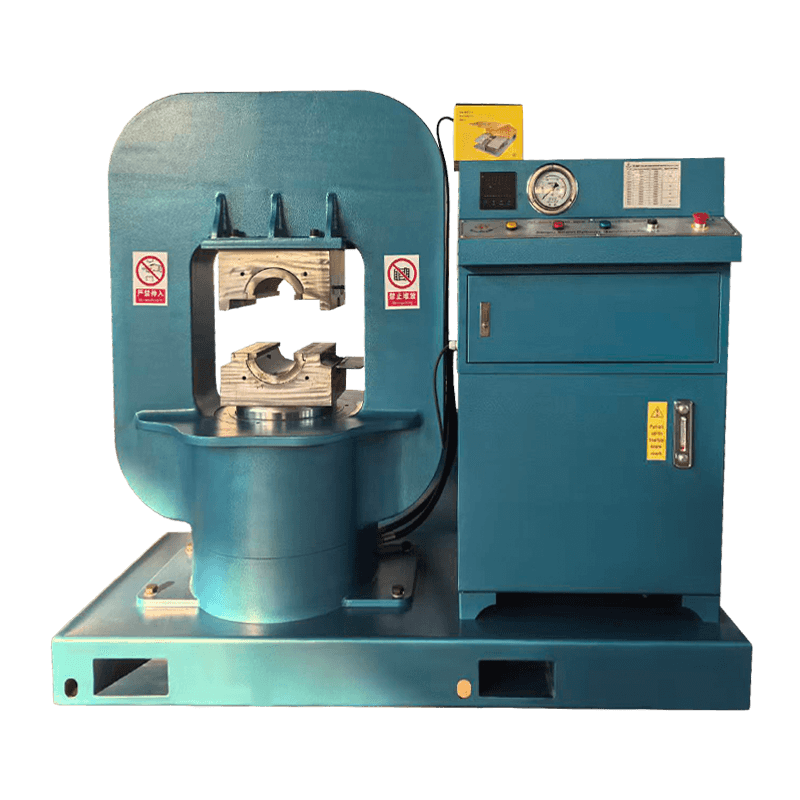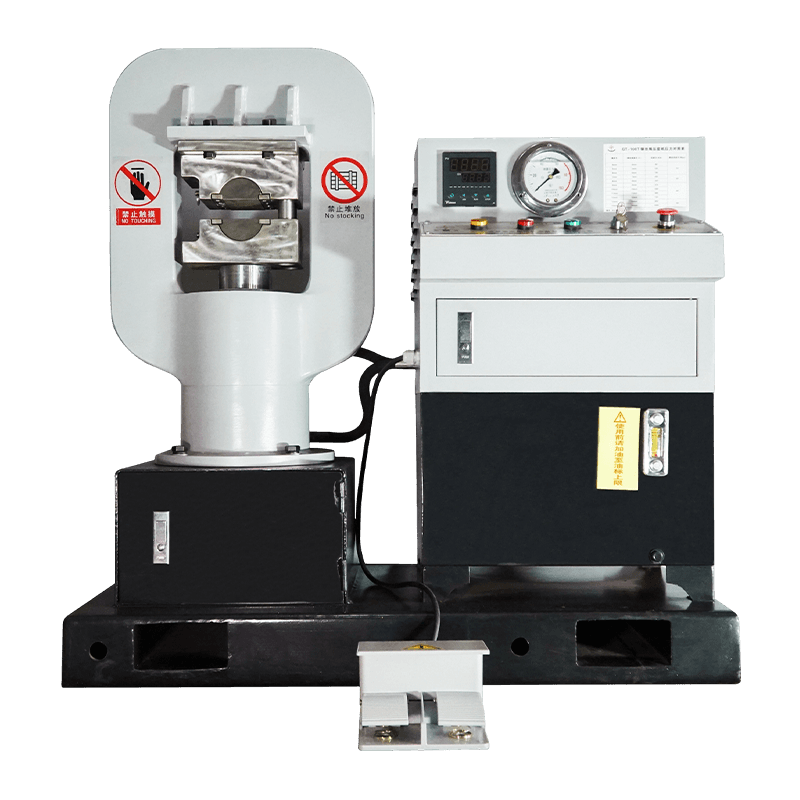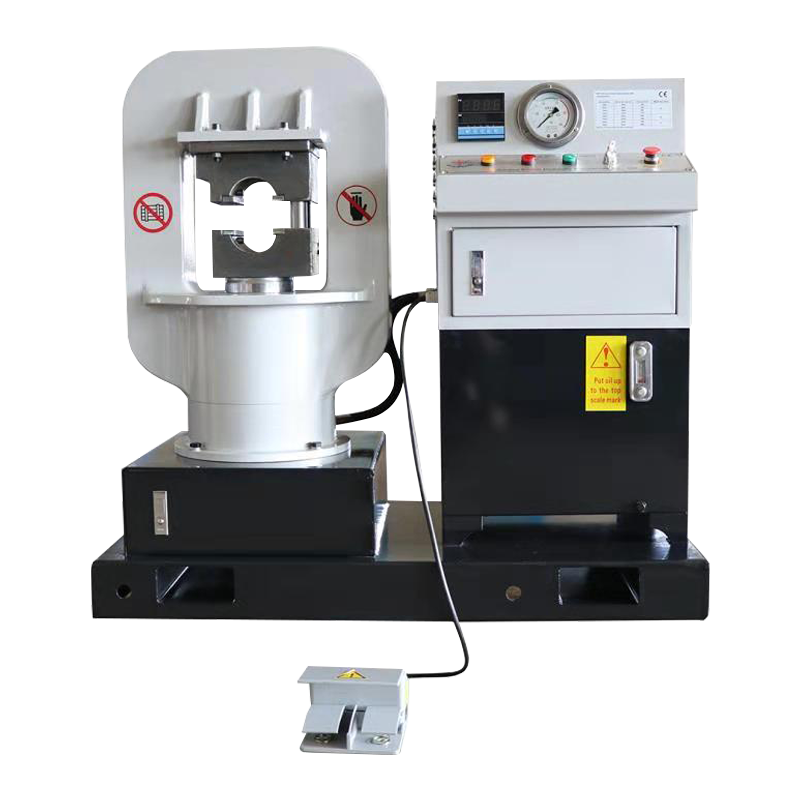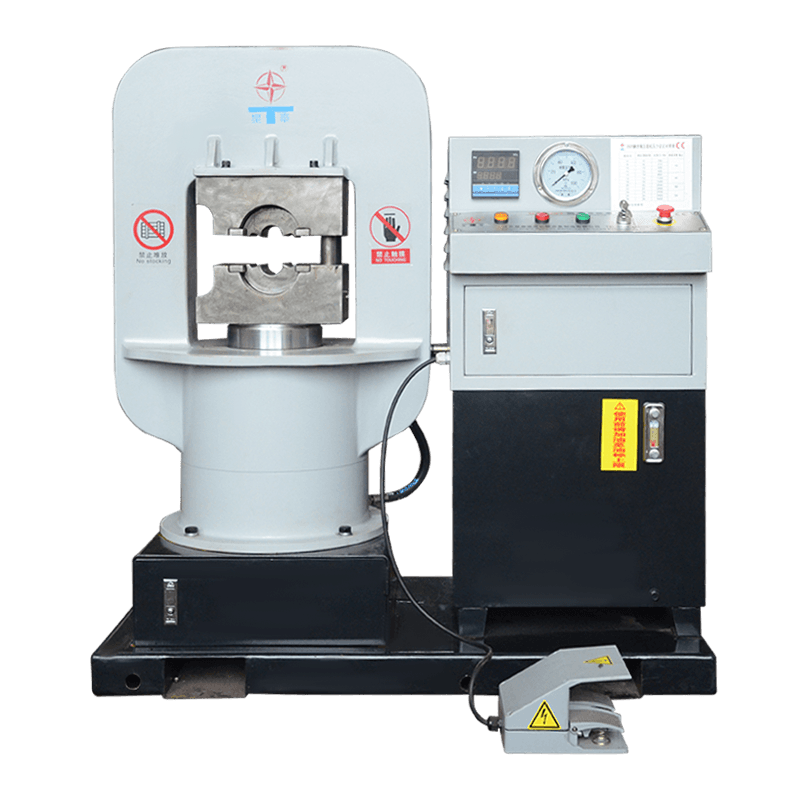
The hydraulic steel wire rope swage machine is equipped with a powerful two-stage hydraulic unit and has a safe design according to proven standards.
The steel wire rope press machine is manufactured from one single block construction, which ensures strength, long service life, and a minimum of maintenance. Wire rope swage machine is widely used in the wire rope industry, mines, metallurgy, wharf, railway, electrics, and so on.
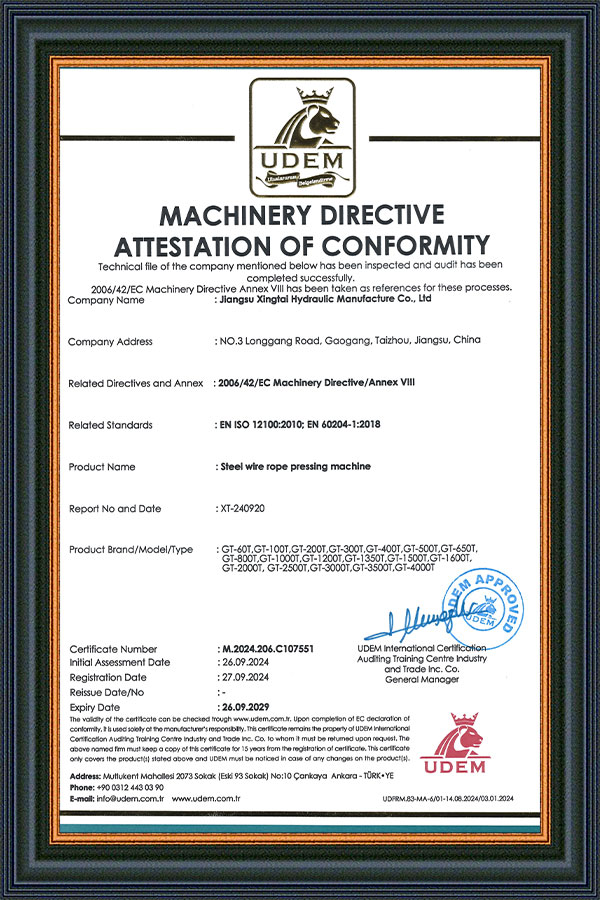
Characteristics 1. High strength, easy to operate, pressed slings with a smooth surface 2. High sealing performance, safe, reliable, and durable 3. The round mold design and automatic positioning is easy to change different molds. 4. Piston can be stopped at any position to adjust the size of the wire rope eyes/loops 5. Can use small-sized dies of the GT-500T wire rope press machine 6. Certificate: CE
The GT-2000 Hydraulic Steel Wire Rope Crimping Machine (Basket Frame) stands out as a heavy-duty powerhouse tailored for demanding wire rope crimping tasks. Equipped with a robust two-stage hydraulic unit, it delivers exceptional pressure output to handle thick and high-strength wire ropes with precision, ensuring firm and reliable crimping results every time. Adhering to proven safety standards, the machine integrates multiple safety safeguards, including overload protection and emergency stop functions, prioritizing operator safety during high-intensity operations.
Crafted with a one-piece block construction, this crimping machine boasts outstanding structural strength, effectively resisting deformation under heavy loads. This design not only extends its service life significantly but also minimizes maintenance needs, reducing downtime and operational costs for users. The basket frame structure enhances stability during crimping, preventing shaking and ensuring consistent crimping quality for wire rope slings and loops.
Its user-centric features elevate operational efficiency: the round mold design with automatic positioning allows for quick and easy mold replacement, adapting to diverse wire rope specifications. The piston’s adjustable stop function enables precise sizing of wire rope eyes/loops, meeting custom requirements. Notably, it is compatible with small-size dies from the GT-500T model, expanding its application range. With high sealing performance, the crimped slings feature smooth surfaces, excellent durability, and reliable load-bearing capacity.
Certified by CE, this machine is widely applicable in the wire rope industry, mines, metallurgy, wharves, railways, and electrical engineering. It is an indispensable tool for professionals seeking high-performance, safe, and cost-effective wire rope crimping solutions.
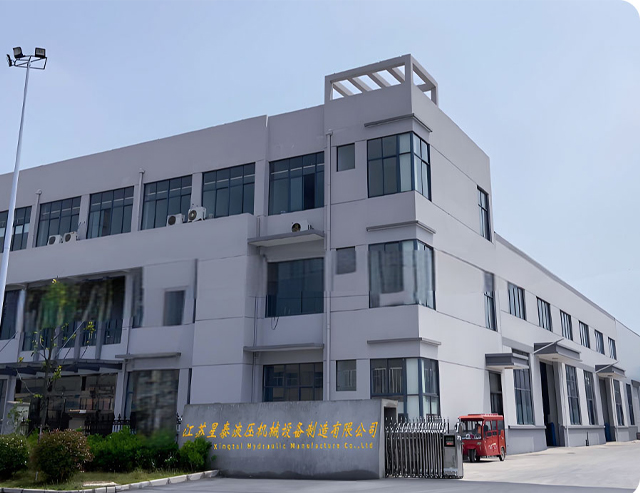
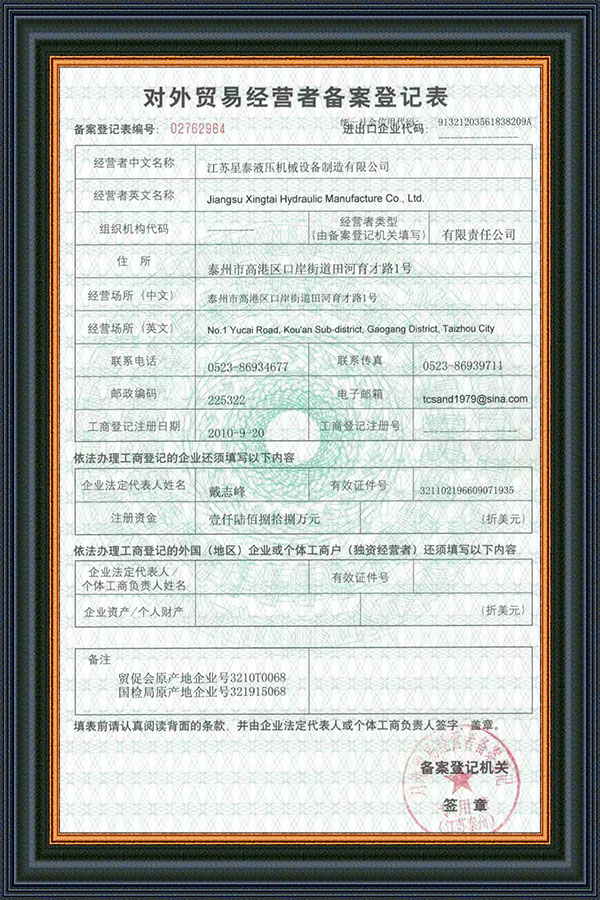
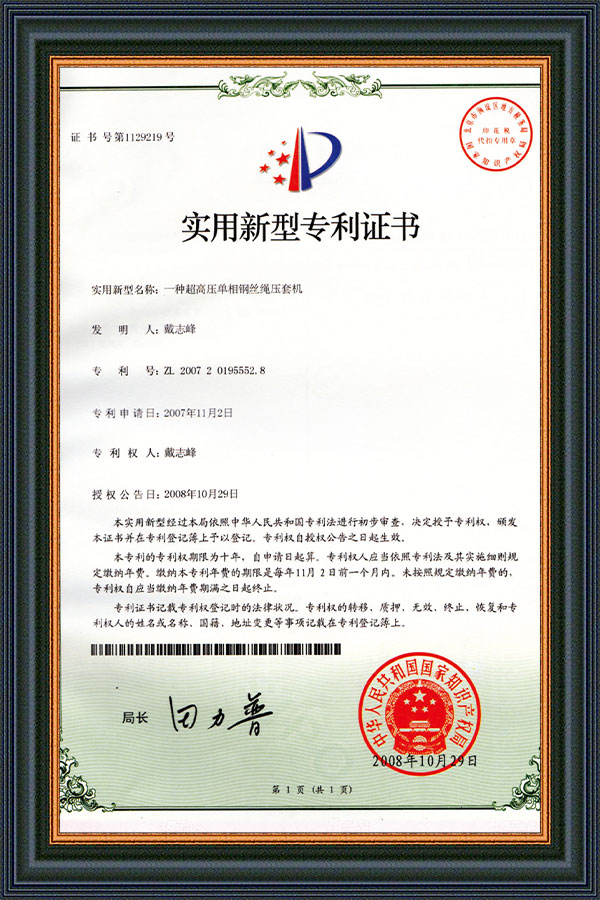
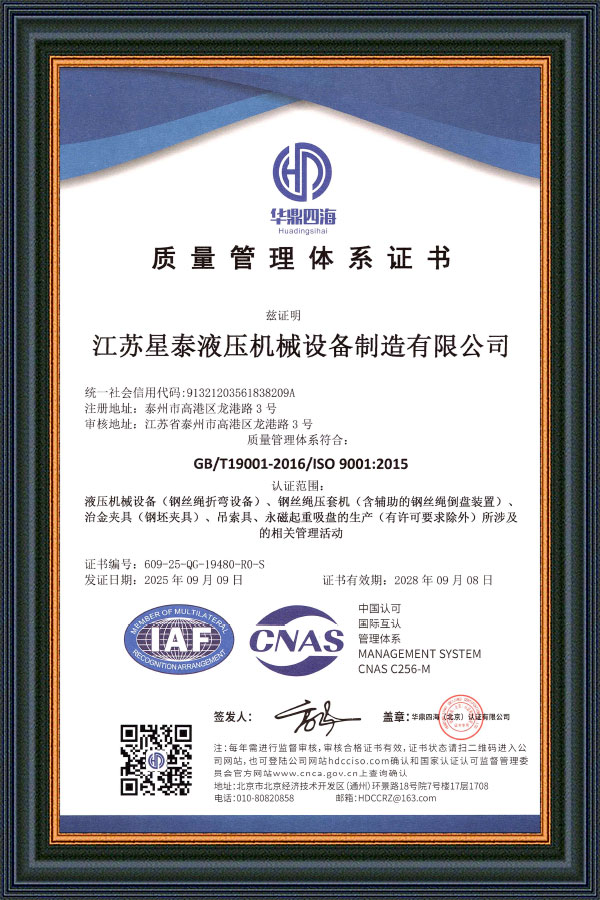
As Wire Rope Crimping Machine Manufacturers and Wire Rope Crimping Machine Company, Jiangsu Xingtai Hydraulic Manufacturing Co., Ltd. was founded in 1992 and is located in Taizhou City, Jiangsu Province, China. The company specializes in manufacturing hydraulic wire rope pressing machines, wire rope annealing and tapering machines, aluminum sleeves, and lifting clamps. Xingtai Hydraulic is equipped with advanced production facilities, strong technical capabilities, authoritative testing equipment, and a comprehensive quality management system.
The swaging components of Xingtai Hydraulic machines are forged from high-strength alloy steel. The machine body is manufactured from a single block of material, ensuring structural integrity and long service life. Our hydraulic systems utilize a dual-pressure pump oil supply system, which enables fast upward and downward movement while ensuring a smooth pressing process. This design significantly improves pressing quality and production efficiency.
Xingtai Hydraulic machines have been exported to numerous countries, including the UK, Australia, the Netherlands, Latvia, Malaysia, Thailand, India, Russia, Botswana, Poland, and others.
Guided by the philosophy of "high quality, competitive price, and lasting commitment," we strive to meet our customers' needs and provide them with the best service. We remain dedicated to serving both existing and new clients with the same level of excellence as we work together to build a successful future.
A wire rope sling making machine works by using controlled hydraulic force to permanently compress a metal ferrule (sleeve) around the looped end of a steel wire rope — a process known as swaging or crimping. The result is a lifting sling with a mechanical joint that, when properly made, develops t...
Before restarting the GT-60 Hydraulic Wire Rope Swage Press Machine (C Frame), operators must complete three critical pre-restart checks: (1) inspect the hydraulic oil level and verify there are no leaks, (2) confirm the swage dies are properly seated and fully closed without obstruction, and (3) e...
A wire rope crimping machine is a specialized industrial device used to join wire ropes to fittings, such as sockets, thimbles, or other rope ends, by mechanically deforming a metal sleeve (ferrule). Unlike welding or soldering, which use heat to melt materials, crimping relies on immense hydraulic or pneumatic pressure to cold-flow the metal of the sleeve around the wire strands. This creates a secure, permanent mechanical bond capable of withstanding heavy loads and dynamic stress.
These machines are essential in industries where safety is paramount, such as aerospace, marine rigging, and construction. By compressing the sleeve into the valleys between the wires, the machine creates a high-friction lock that prevents slippage, ensuring the integrity of the lifting or suspension system.
2. The Mechanics of the Crimping Process
The operation of a wire rope crimping machine is a precise sequence of mechanical actions designed to maximize the strength of the assembly without damaging the internal structure of the rope.
(1) Insertion and Alignment
The process begins with the operator inserting the wire rope end and the fitting into the aluminum or copper sleeve. The assembly is then placed into the machine's die cavity. Modern machines often feature laser guides or sensors to ensure the sleeve is perfectly centered within the die, preventing uneven compression.
(2) Compression and Cold Flow
Once aligned, the machine activates its hydraulic ram, forcing the dies to close around the sleeve. The pressure applied is immense, often exceeding 100 tons for heavy-duty cables. This pressure causes the sleeve material to undergo "cold flow," where the metal plastically deforms and fills the gaps between the individual wire strands. This interlocking action is what provides the termination with its strength.
(3) Multi-Stage Crimping
For longer sleeves, the machine performs a series of compressions (or "dimples") along the length of the ferrule. A programmable logic controller (PLC) ensures that each compression overlaps correctly and that the total force applied meets the specific requirements for that rope diameter. This prevents "under-crimping" (which leads to slippage) or "over-crimping" (which can sever the wires).
3. Performance and Efficiency Analysis
The choice of crimping method significantly impacts the efficiency and safety of the final product. Automated crimping machines offer distinct advantages over manual swaging or traditional knotting methods.
Tensile Strength Retention by Method
As shown in the chart, machine crimping preserves nearly 100% of the rope's rated breaking strength, whereas simple knotting can reduce strength by half due to the sharp bends introduced in the fibers.
Comparison of Termination Methods
Feature
Manual Hammer Swaging
Hydraulic Crimping Machine
Consistency
Low (Operator dependent)
High (Machine controlled)
Processing Speed
Slow (Labor intensive)
Fast (Seconds per crimp)
Die Life
Short (High impact wear)
Long (Controlled pressure)
4. Applications in Critical Infrastructure
The reliability of wire rope crimping machines makes them indispensable in various high-stakes environments.
(1) Aerospace and Aviation
In aircraft control cables, a single failure can be catastrophic. Crimping machines are used to attach terminals to control cables with extreme precision. The machines are often calibrated to record the pressure curve of every crimp, providing a digital certificate of quality for each assembly.
(2) Marine and Offshore
Stainless steel wire ropes used for sailboat rigging (shrouds and stays) require smooth, strong terminations. The crimping machine compresses nickel-copper sleeves (Nicopress) that resist corrosion and maintain tension even in harsh saltwater environments.
(3) Construction and Elevators
For elevator suspension ropes and crane cables, the crimping machine ensures that the loop formed at the end of the rope is secure. This is critical for the "endless" loops used in some modern elevator systems, where the rope circulates continuously.
5. Frequently Asked Questions
Q1: What is the difference between swaging and crimping?
While often used interchangeably, swaging traditionally refers to reshaping metal using a die (often hammering), while crimping specifically refers to compressing a sleeve using a press. In modern contexts, hydraulic crimping is a form of cold-swaging.
Q2: Can I crimp any type of wire rope?
Most machines can handle standard steel and stainless steel ropes. However, the sleeve material must be compatible with the rope. For example, aluminum sleeves are typically used for steel ropes, while copper sleeves are used for stainless steel to prevent galvanic corrosion.
Q3: How does the machine know when to stop?
Modern machines use pressure sensors and calipers. Once the sleeve reaches the target diameter or the hydraulic pressure hits the preset limit (measured in PSI or Bar), the machine automatically retracts the dies to prevent over-compression.