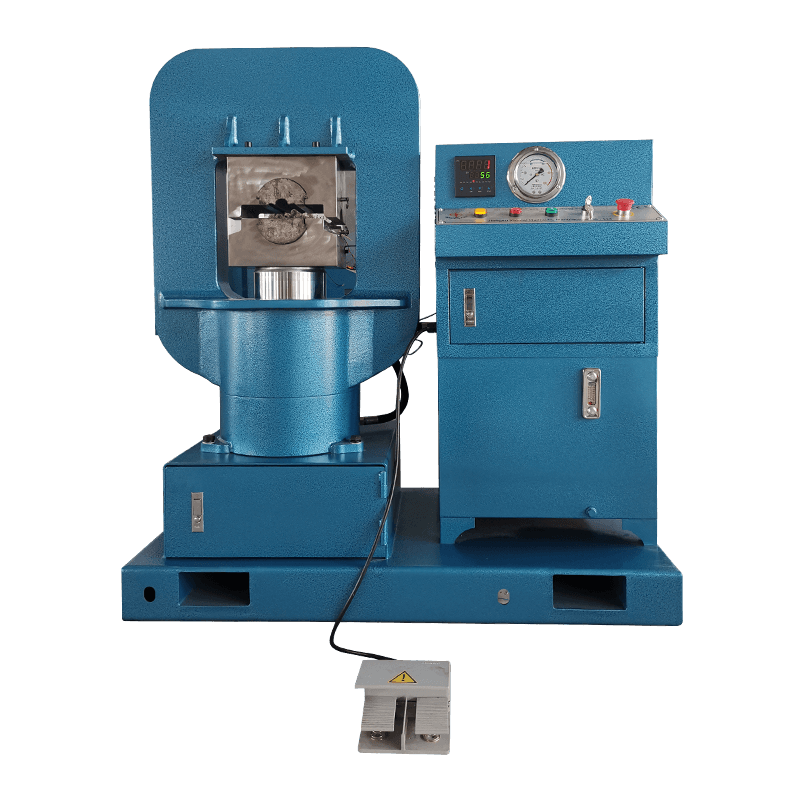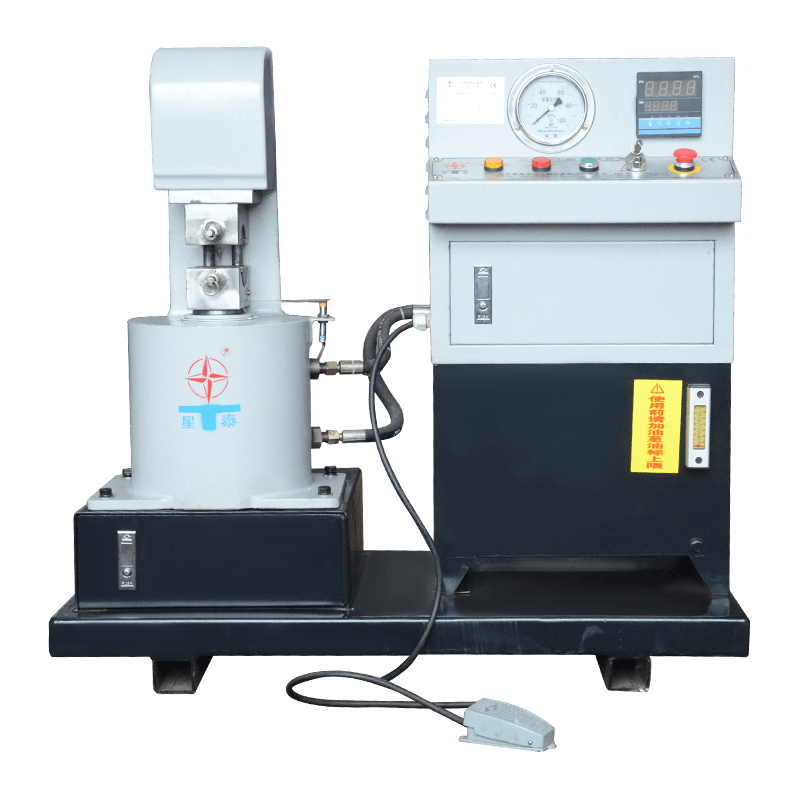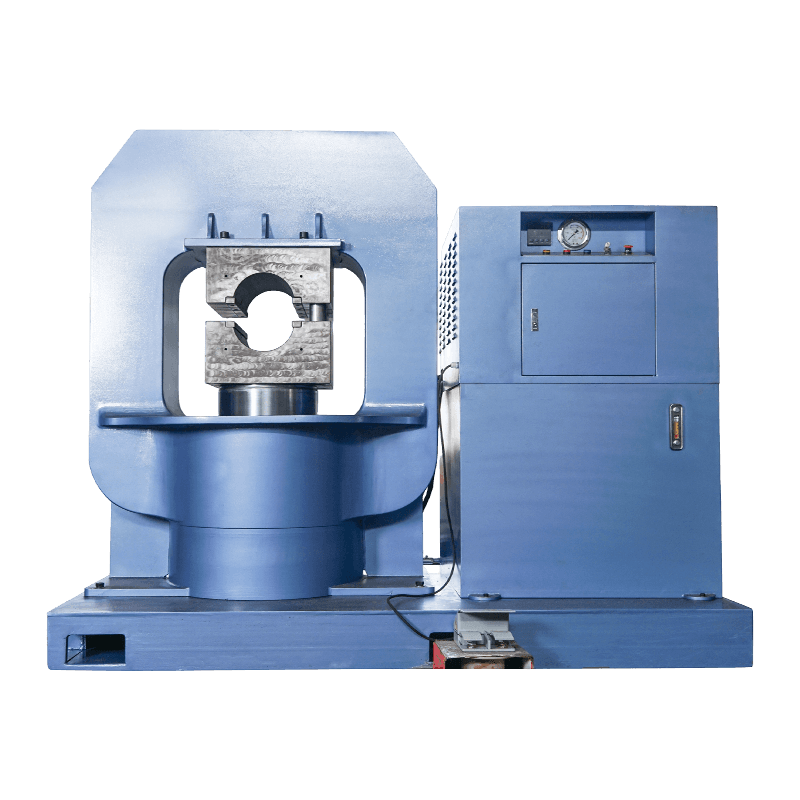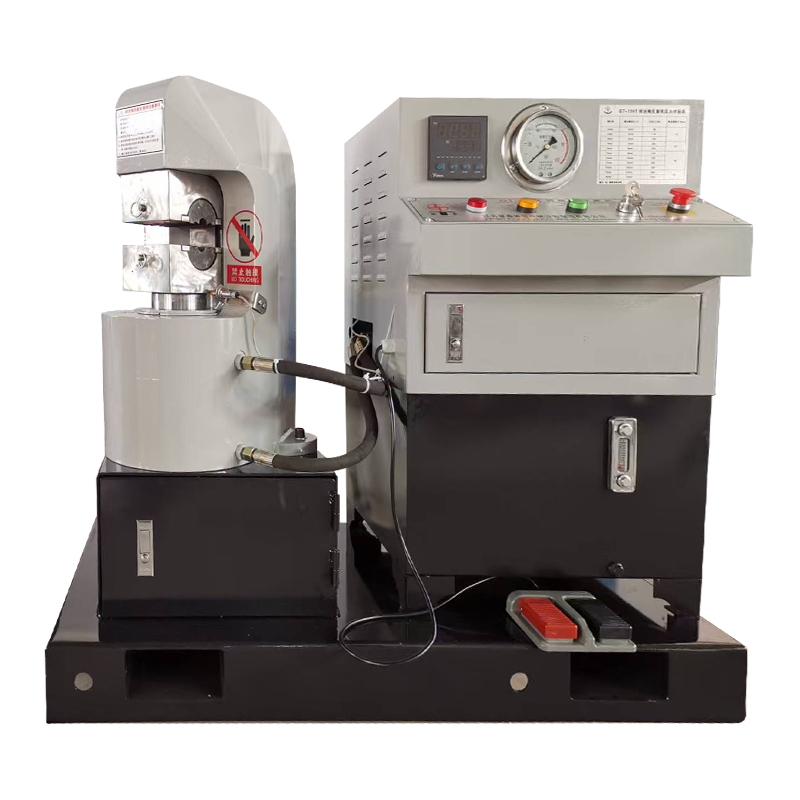
GT-650 Hydraulic Press Machine For Wire Rope Swaging(Basket Frame) Wholesale
Home / Products / Steel Wire Rope Press Machine / GT-650 Hydraulic Press Machine For Wire Rope Swaging(Basket Frame)

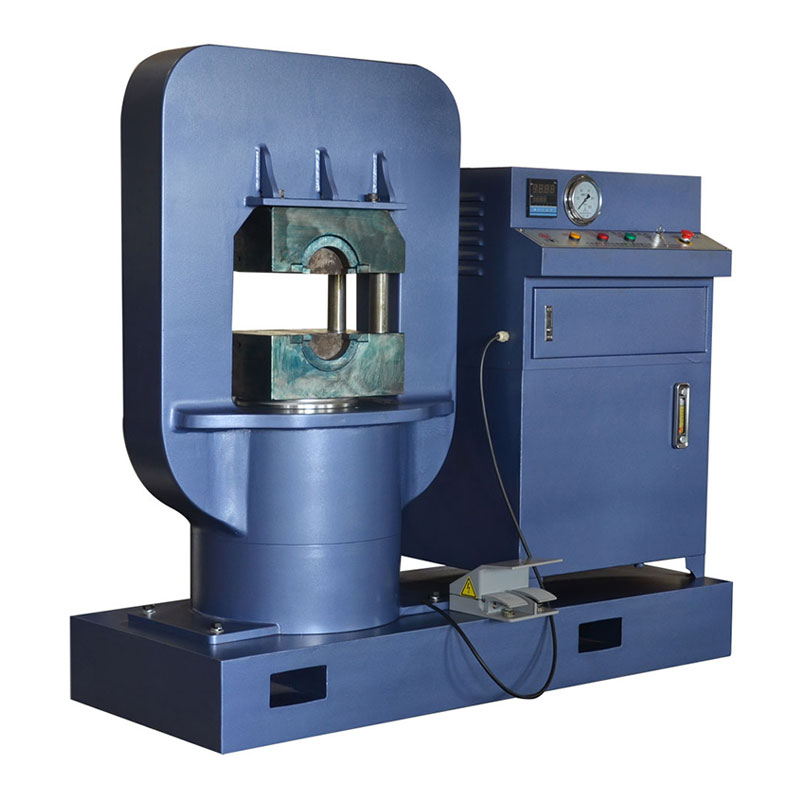
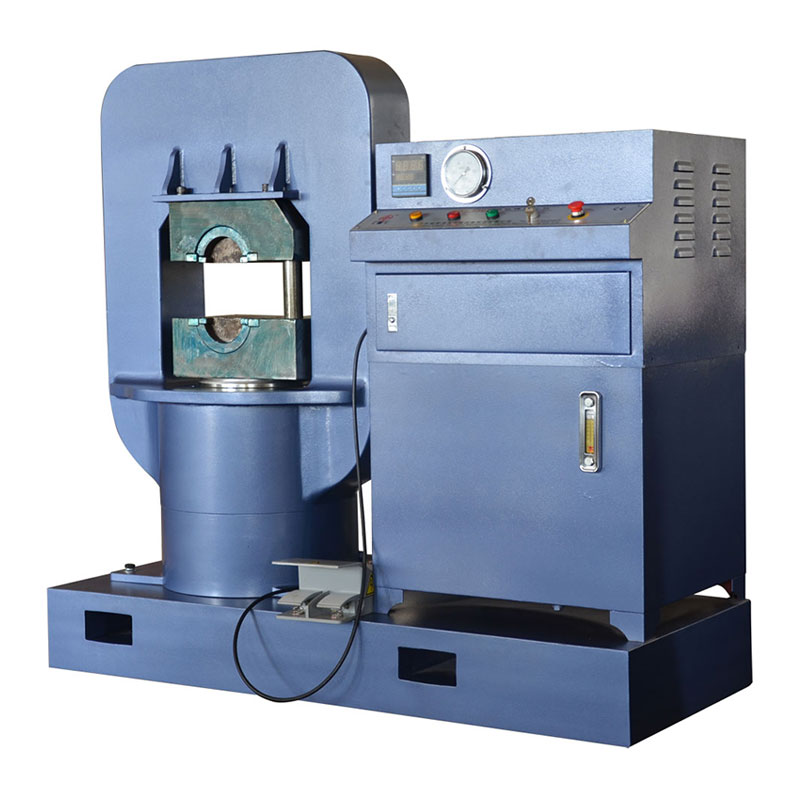
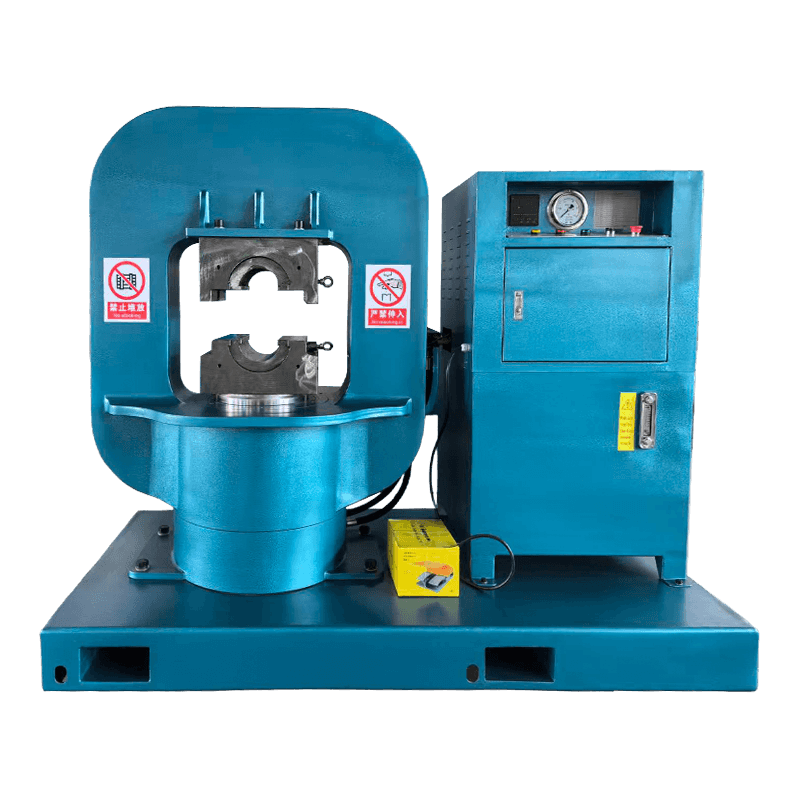
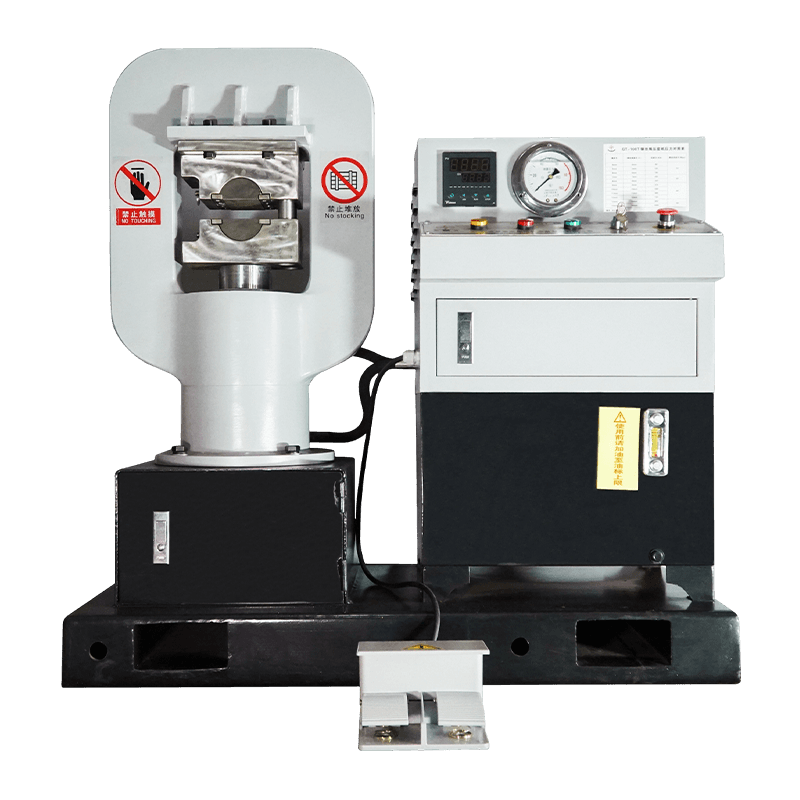
GT-650 Hydraulic Press Machine For Wire Rope Swaging(Basket Frame)

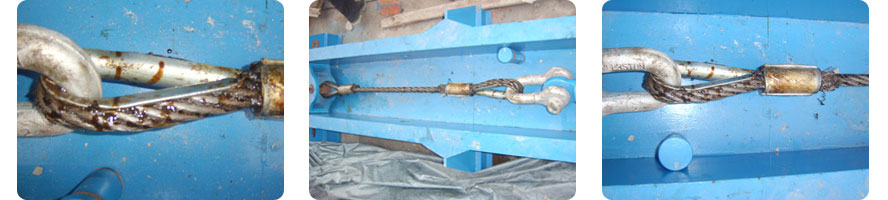
A hydraulic steel wire rope pressing machine is usually to produce wire rope slings.

The GT-650 wire rope pressing machine is one of our most popular machines. 

GT-650 hydraulic wire rope pressing machine own die holders to use the small size dies of our GT-300  wire rope pressing machine. 


Characteristics
1. Small size
2. Easy to use 
3. Piston can be stopped at any position to save time
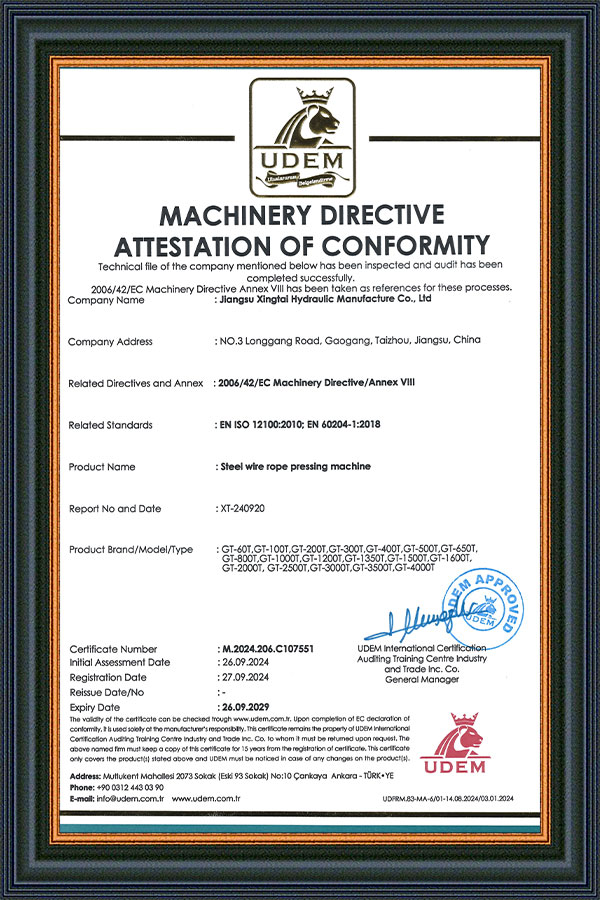
4. CE certificated
5. Ensure exact length

+ Contact us
  • Parameter
  • Other Descriptions
  • Contact
Technical Data
Mode No. GT-650
Max wire rope diameter  (mm) Φ48
Power (KW) 5.5
Max working pressure (MPa) 56Mpa
Max piston movement (mm) 160
The up speed of the piston (mm/sec) 4.5
The down speed of the piston (mm/sec) 8
Total length (mm) 1650
Total width (mm) 650
Total height (mm) 1500
Company
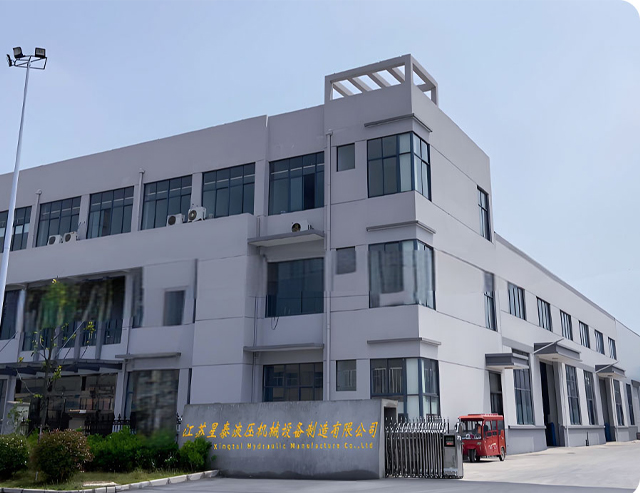
Jiangsu Xingtai Hydraulic Manufacturing Co., Ltd.
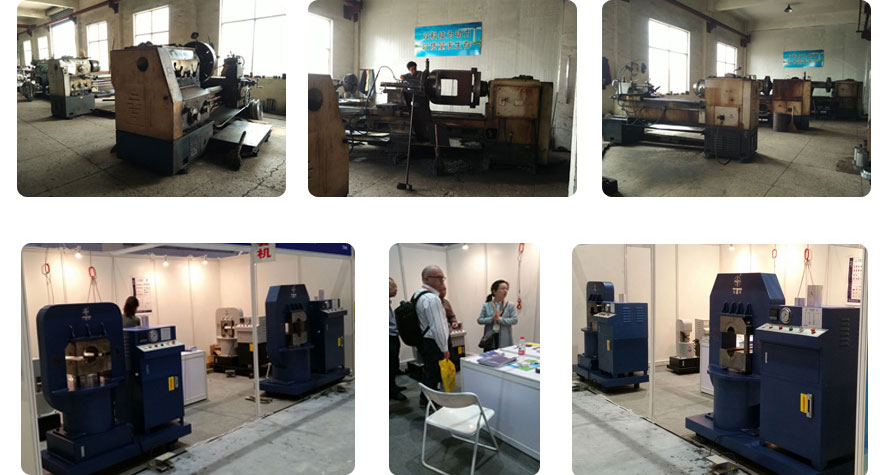
As GT-650 Hydraulic Press Machine For Wire Rope Swaging(Basket Frame) Manufacturers and GT-650 Hydraulic Press Machine For Wire Rope Swaging(Basket Frame) Company, Jiangsu Xingtai Hydraulic Manufacturing Co., Ltd. was founded in 1992 and is located in Taizhou City, Jiangsu Province, China. The company specializes in manufacturing hydraulic wire rope pressing machines, wire rope annealing and tapering machines, aluminum sleeves, and lifting clamps. Xingtai Hydraulic is equipped with advanced production facilities, strong technical capabilities, authoritative testing equipment, and a comprehensive quality management system.

The swaging components of Xingtai Hydraulic machines are forged from high-strength alloy steel. The machine body is manufactured from a single block of material, ensuring structural integrity and long service life. Our hydraulic systems utilize a dual-pressure pump oil supply system, which enables fast upward and downward movement while ensuring a smooth pressing process. This design significantly improves pressing quality and production efficiency.

Xingtai Hydraulic machines have been exported to numerous countries, including the UK, Australia, the Netherlands, Latvia, Malaysia, Thailand, India, Russia, Botswana, Poland, and others.

Guided by the philosophy of "high quality, competitive price, and lasting commitment," we strive to meet our customers' needs and provide them with the best service. We remain dedicated to serving both existing and new clients with the same level of excellence as we work together to build a successful future.
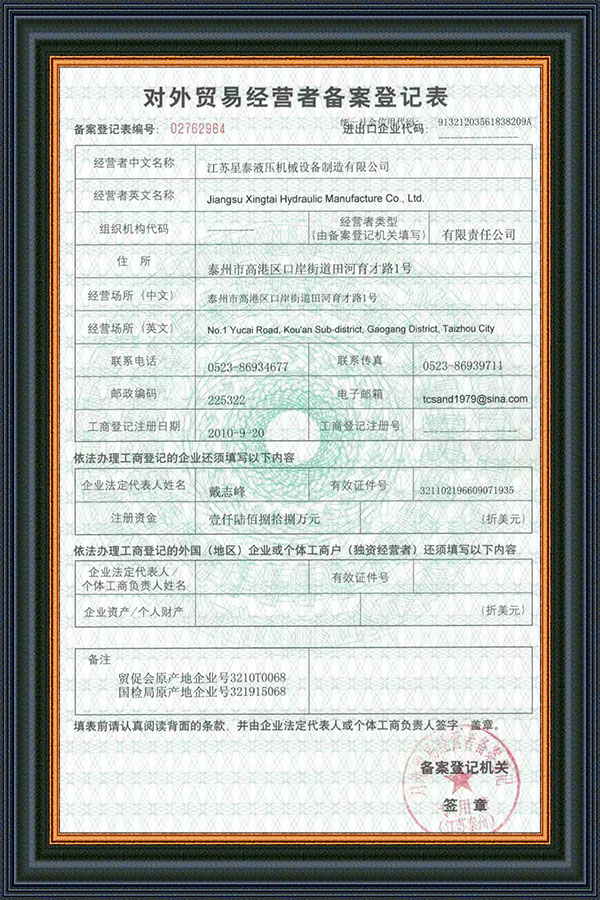
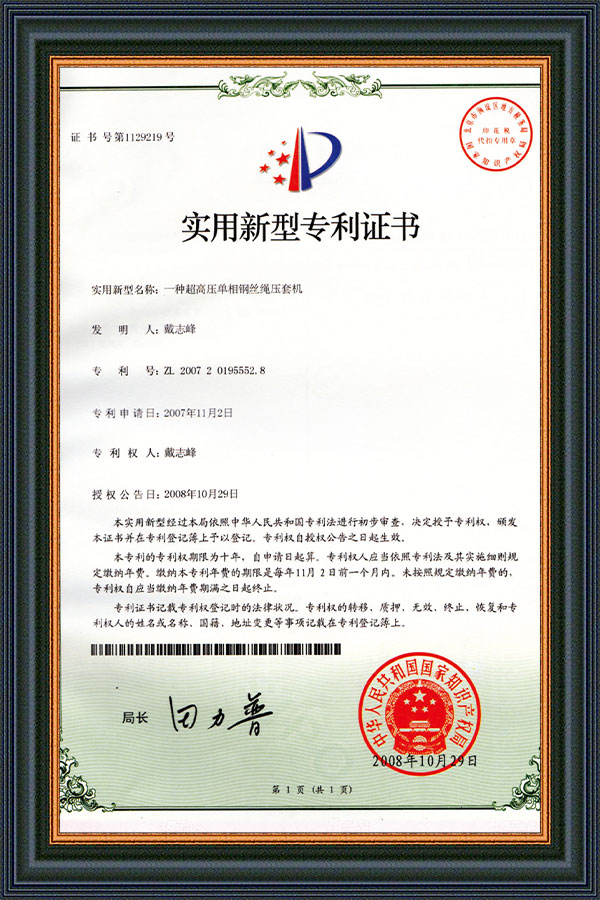
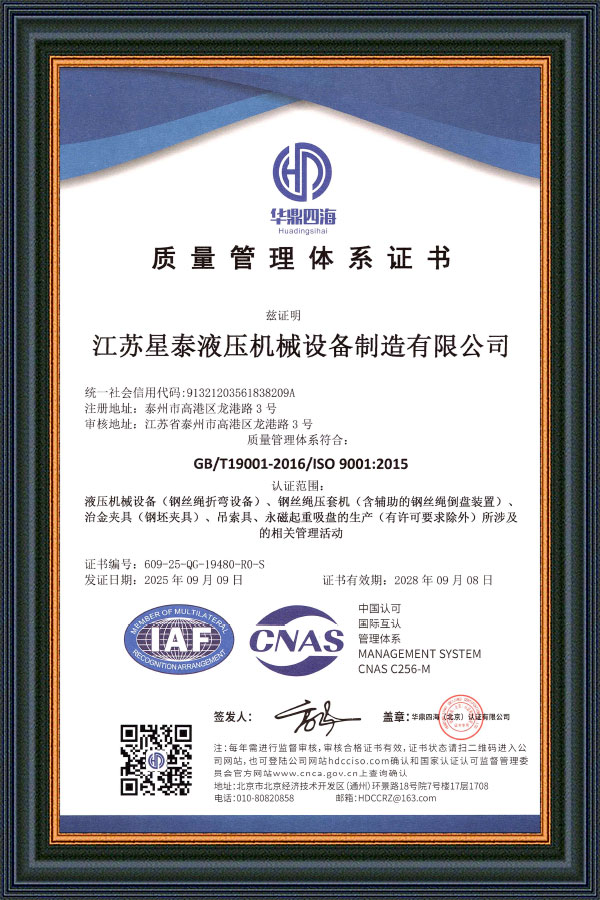
Certificate Of Honor
  • Certifications
  • Certifications
  • Certifications
  • Certifications
News
  • A wire rope sling making machine works by using controlled hydraulic force to permanently compress a metal ferrule (sleeve) around the looped end of a steel wire rope — a process known as swaging or crimping. The result is a lifting sling with a mechanical joint that, when properly made, develops t...

    READ MORE
  • Conclusion: Quality Lifting Wire Rope & Rigorous Maintenance Drastically Reduce Accidents Analysis of over 3,400 lifting operations confirms: using certified high-strength steel cables together with proper wire rope fittings and heavy-duty rigging gear lowers load-drop incidents by 62% to 78%. ...

    READ MORE
  • Before restarting the GT-60 Hydraulic Wire Rope Swage Press Machine (C Frame), operators must complete three critical pre-restart checks: (1) inspect the hydraulic oil level and verify there are no leaks, (2) confirm the swage dies are properly seated and fully closed without obstruction, and (3) e...

    READ MORE
Industry Knowledge

1. Core Definitions: Hydraulic Pressing vs Mechanical Crimping

Hydraulic pressing uses fluid pressure (typically 20-30 MPa) to generate high, uniform force (up to 200 tonnes) for crimping ferrules, sleeves, or connectors onto wire ropes, hoses, or cables. It relies on a hydraulic pump to convert mechanical energy into fluid power, delivering slow, controlled pressure. Mechanical crimping uses manual/electric mechanical force (levers, gears, or motors) to apply pressure (max 50 tonnes), with force transmitted through physical mechanical components for faster, lower-force crimps.

(1) Key Operational Principles

Hydraulic systems achieve force multiplication via Pascal’s law, with pressure distributed evenly across the crimp surface (tolerance ±0.1mm). Mechanical crimping force is linear and concentrated, with a tolerance of ±0.3mm, making it suitable for low-load applications but less consistent for heavy-duty use.

Max Crimp Force: Hydraulic vs Mechanical 0 Tonnes 50 Tonnes 100 Tonnes 150 Tonnes Hydraulic Pressing (200 Tonnes) Mechanical Crimping (50 Tonnes)

2. Performance & Application Differences

The two methods differ drastically in force capacity, precision, speed, and use cases, as outlined below:

  • Force & Precision: Hydraulic pressing retains 95% of wire rope breaking strength (ASME B30.9 compliant); mechanical crimping retains only 70-80% due to uneven pressure distribution.
  • Speed: Mechanical crimping completes 1 cycle in 5-10 seconds (ideal for small-batch, light-duty work); hydraulic pressing takes 15-25 seconds per cycle but handles heavy loads.
  • Portability: Mechanical crimpers weigh 5-20kg (handheld/benchtop); hydraulic presses weigh 500+kg (stationary/skid-mounted for large sites).
Crimp Efficiency (Cycles per Hour) by Application 0 50 100 150 200 Light Cable 180 120 Wire Rope (10-30mm) 120 180 Heavy Rope (>30mm) 40 140 ■ Mechanical Crimping ■ Hydraulic Pressing

3. Comprehensive Comparison Table

Parameter Hydraulic Pressing Mechanical Crimping
Max Force 50-200 Tonnes 5-50 Tonnes
Crimp Precision ±0.1mm ±0.3mm
Cycle Time 15-25s 5-10s
Typical Applications Crane ropes, marine rigging, mining cables Electrical cables, small wire rope assemblies
Maintenance Cost/Year $500-$1,500 (oil, seals) $50-$300 (gear/lever wear)
Hydraulic Pressing vs Mechanical Crimping: Full Performance Comparison Strength Retention Rate (%) Over Crimp Cycles 60% 70% 80% 90% 0 Cycles 500 Cycles 1000 Cycles 1500 Cycles 2000 Cycles — Hydraulic Pressing -- Mechanical Crimping

4. Frequently Asked Questions

Q1: When should I choose hydraulic pressing over mechanical crimping?

A: Choose hydraulic pressing for wire ropes >10mm diameter, heavy-load applications (≥50 tonnes), or when compliance with ASME/OSHA strength standards (95% retention) is required—e.g., crane rigging, marine mooring, or mining cables.

Q2: Is mechanical crimping suitable for outdoor on-site work?

A: Yes. Mechanical crimpers are lightweight (5-20kg) and battery/hand-powered, ideal for small-scale on-site jobs (electrical cable crimping). Hydraulic presses require power sources (electric/hydraulic) and are better for workshop or large construction sites with skid mounting.

Q3: Does hydraulic pressing require specialized training?

A: Yes. Operators need training to calibrate pressure (20-30 MPa) and inspect crimp quality—untrained use can cause over-pressing (reducing rope strength by 20%) or under-pressing (slippage). Mechanical crimping requires minimal training (basic lever/motor operation).

Q4: Which method has a longer service life for tools?

A: Hydraulic presses last 10-15 years (20,000+ cycles) with regular maintenance; mechanical crimpers have a 5-8 year lifespan (10,000 cycles) due to faster wear on gears/levers under repeated force.