 English
 русский
 Français
 Español
 Português
 Deutsch
 عربى
 Türk

Wire Rope Thimbles, Sleeves and Terminals: How to Match Accessories to Your Press
Content
- 1 Aluminium Hourglass Sleeves and Wire Rope Terminations: What Buyers Should Confirm First
- 2 Aluminum Ferrule/Aluminum Sleeve DIN3093: How to Read the Standard Reference
- 3 Aluminium Hourglass Sleeves: Shape, Material and Typical Uses
- 4 Flemish Eye Steel Ferrule: When Heavy-Duty Assemblies Need It
- 5 Steel Wire Rope Swage Terminals: Permanent Connections for Load Transfer
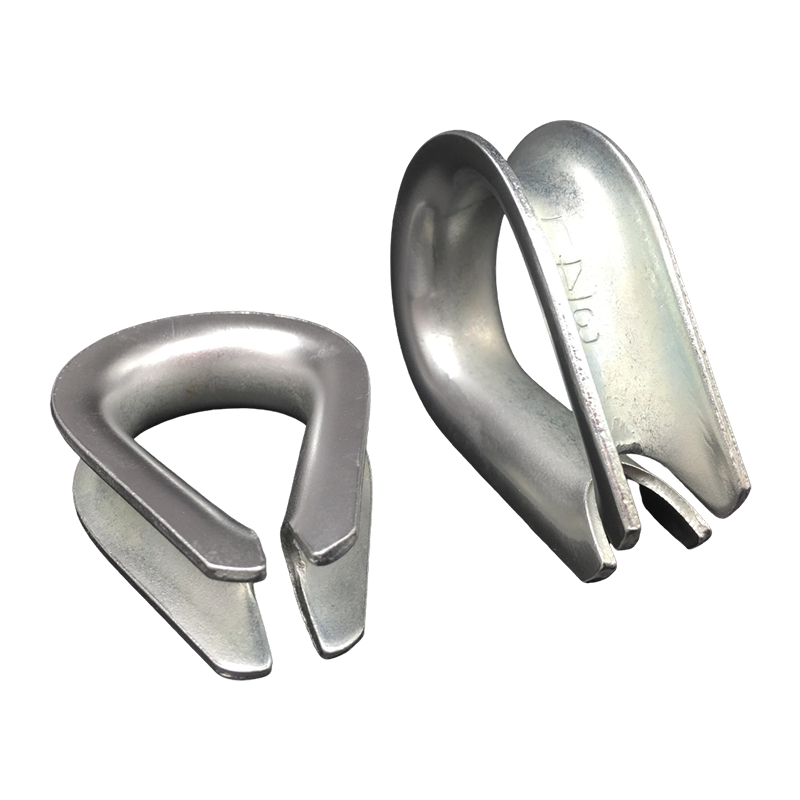
- 6 Wire Rope Thimbles: Protecting the Rope Eye Under Repeated Stress
- 7 Mould Die and Hydraulic Press Matching: Where Pressing Quality Is Decided
- 8 About Jiangsu Xingtai Hydraulic Manufacturing Co., Ltd.
- 9 Matching Wire Rope Accessories to Marine, Lifting, Construction and Industrial Use
- 10 Quality Checkpoints for Ferrules, Sleeves, Terminals and Thimbles
- 11 Custom and OEM Wire Rope Accessories: What to Send With an Inquiry
- 12 Packaging, Labeling and Export Preparation for Wire Rope Accessories
- 13 Working With a Wire Rope Accessories Manufacturer and Supplier: Practical Steps
- 14 Aluminium Hourglass Sleeves and Wire Rope Accessories FAQ
- 14.1 Q1: What are aluminium hourglass sleeves used for?
- 14.2 Q2: What does Aluminum Ferrule/Aluminum Sleeve DIN3093 refer to?
- 14.3 Q3: When should I choose a Flemish eye steel ferrule?
- 14.4 Q4: What are steel wire rope swage terminals?
- 14.5 Q5: Why use wire rope thimbles?
- 14.6 Q6: How do I choose the right mould die for a press?
- 14.7 Q7: Can wire rope accessories be customized?
- 14.8 Q8: What documents should I request from a supplier?
Aluminium Hourglass Sleeves and Wire Rope Terminations: What Buyers Should Confirm First
A wire rope termination can look correct on the bench and still cause trouble in service if the sleeve, the rope and the pressing die were never matched as one system. For buyers and wholesalers, the short answer is to confirm rope diameter and construction, sleeve material and size, the standard referenced, and the die that will press the fitting before ordering. Aluminium hourglass sleeves, Flemish eye steel ferrules, steel wire rope swage terminals and wire rope thimbles each solve a different problem, and the right choice depends on the load, the environment and the pressing equipment available.
Many inquiries to a wire rope accessories manufacturer begin with a single part name, such as an aluminium sleeve, and end with a long list of follow-up questions about size, hardness, markings and die compatibility. Sending those details at the start saves rounds of correspondence and helps the supplier recommend the right fitting. It also reduces the chance that a fitting arrives in the right category but the wrong dimension.
This guide is written for importers, rigging distributors, sling makers and workshop buyers who source ferrules, sleeves, terminals and thimbles from a manufacturer in China. It explains how each accessory works, how to read a standard reference such as DIN 3093, what to check during sampling, and how to plan a mixed order. Four charts turn common sourcing questions into visuals, and each one is followed by a plain explanation of how to use it.
The four accessories in one view
- Aluminium hourglass sleeves: pressed sleeves that form a loop or eye termination, valued for light weight and corrosion resistance.
- Flemish eye steel ferrules: steel sleeves used with a Flemish eye splice for heavy-duty and load-bearing assemblies.
- Steel wire rope swage terminals: fittings pressed onto the rope end to make a permanent connection to other hardware.
- Wire rope thimbles: grooved inserts that protect the rope eye from abrasion and deformation.
These parts rarely work alone. A typical sling or lanyard may combine a thimble, an aluminium sleeve and a pressing die, and each of those pieces needs to fit the others. Treating them as a set during purchasing is usually more reliable than buying each one in isolation.
Conclusion: confirm rope, sleeve, standard and die together before ordering, and treat sleeves, ferrules, terminals and thimbles as one matched system.
Aluminum Ferrule/Aluminum Sleeve DIN3093: How to Read the Standard Reference
DIN 3093 is a reference that buyers see on aluminum ferrule and aluminum sleeve inquiries, and it points to a familiar family of pressed aluminum fittings for forming eyes in steel wire rope. In practice, the reference tells a supplier which dimensional family and tolerance logic the buyer expects. European practice also uses EN 13411-3 for ferrule-secured terminations, so it is worth confirming which document your customer or market actually cites.
Because standards are revised over time, a sensible habit is to write the exact standard number and version in the purchase specification. This avoids a situation where the buyer expects one dimensional table and the factory works from another. It also helps when your customers ask for documentation, since the paperwork can then refer to a single agreed reference.
What an inquiry should state for aluminum sleeves
- Rope diameter: the nominal diameter and the tolerance of the rope the sleeve will be pressed onto.
- Rope construction: for example 6x19 or 6x36 with a fiber or steel core, since it affects fit and pressing behavior.
- Sleeve size code: the size designation from the standard or the supplier's catalog.
- Material and temper: the aluminum alloy and condition, which determine how the sleeve deforms under pressing.
- Markings: size and traceability marks required by the buyer or the end market.
Aluminium versus steel ferrules at a glance
| Accessory | Material | Main role | Typical setting |
|---|---|---|---|
| Aluminium hourglass sleeve | Aluminum alloy | Forms loops and eye terminations | Marine, outdoor, light to medium assemblies |
| Flemish eye steel ferrule | Steel | Secures a Flemish eye splice | Heavy-duty lifting and load-bearing |
| Steel swage terminal | Forged or machined steel | Permanent connection to hardware | Rigging, construction, cable work |
| Wire rope thimble | Steel | Protects the rope eye | Any eye termination under repeated stress |
Conclusion: write the exact standard reference, such as DIN 3093 or EN 13411-3, plus rope diameter, construction and sleeve size into every inquiry.
Aluminium Hourglass Sleeves: Shape, Material and Typical Uses
Aluminium hourglass sleeves take their name from the narrowed waist between two rope channels, which gives the sleeve a figure-eight style profile. The rope end is passed through one channel, looped back and passed through the other, and the sleeve is then pressed so the aluminum flows around the rope. The result is a compact, relatively light eye termination that is quick to produce when the right die is available.
Aluminum is chosen for these sleeves because it is light, resists corrosion in damp and salty air, and deforms in a controlled way under a hydraulic press. These properties make aluminium hourglass sleeves a common choice for marine rigging, outdoor cable work, balustrade and fencing wire, and a wide range of lanyards and slings. For a wholesaler, they are also practical to stock because the sleeve family covers many rope diameters in small, easy-to-pack sizes.
Comparing three termination types on five attributes
Choosing between a sleeve, a ferrule and a terminal depends on what matters most for the assembly. The radar chart below scores three termination types on installation speed, light weight, corrosion resistance, heavy-duty suitability and inspection ease. The scores are an illustrative planning index and not test results, so use them to frame a discussion with your supplier rather than to set a load rating.
The aluminium sleeve scores highest on installation speed, light weight and corrosion resistance, which explains its popularity in marine and outdoor work. The Flemish eye steel ferrule reaches furthest toward heavy-duty suitability, although it takes more time to make and adds weight. The steel swage terminal sits between the two, offering strong heavy-duty suitability with moderate speed and weight.
For a distributor who stocks accessories from a hydraulic equipment manufacturer, the radar helps explain to customers why one fitting does not replace another. A customer making lightweight marine lanyards will lean toward aluminium sleeves, while a customer building slings for heavier lifting may ask about Flemish eye steel ferrules or swage terminals. Having all three available from one wire rope accessories supplier simplifies the order and keeps documentation consistent.
It is important to remember that actual working load limits depend on rope grade, termination efficiency, design factor and the standard that applies to the application. Buyers and their customers should follow the relevant standards and the manufacturer's instructions, and have terminations tested and inspected by qualified personnel. The radar is meant to guide selection, not to replace that process.
Conclusion: aluminium hourglass sleeves suit light, corrosion-prone and fast-turnaround assemblies, while heavier duty work points toward steel ferrules and swage terminals.
Flemish Eye Steel Ferrule: When Heavy-Duty Assemblies Need It
A Flemish eye is formed by opening the rope end into strands, laying them back around the loop and then securing the splice with a steel ferrule pressed over it. Because the loop is made from the rope itself, the termination keeps a compact profile and avoids a separate thimble body in many cases. The steel ferrule holds the splice together and resists slippage under high tension.
This construction is favored for heavy-duty lifting, load-bearing slings and assemblies that face repeated stress. Steel offers more strength and resistance to deformation than aluminum, so the ferrule can support the splice in demanding work. The trade-off is that the Flemish eye takes more skill and time to make, and the steel ferrule needs a press with enough capacity and the correct die.
What buyers should specify for Flemish eye steel ferrules
- Rope diameter and construction: a Flemish eye is sensitive to rope lay and strand count, so state both clearly.
- Ferrule size and wall thickness: the ferrule must suit the rope and the press capacity.
- Surface treatment: plain, galvanized or another finish suited to the environment.
- Pressing equipment: the press model, die set and pressing force range that will be used.
A manufacturer that makes both hydraulic wire rope pressing machines and the matching sleeves and dies is in a good position to advise on this match. When the press, die and ferrule come from the same source, the buyer has one point of contact for questions about pressing force and final dimensions. That is a practical advantage over assembling parts from several unrelated sources.
Sampling is especially useful for Flemish eye steel ferrules. A trial press on the buyer's own rope lets both sides confirm that the splice length, ferrule size and final dimension fit expectations. Photos and measurements of the pressed ferrule, together with the die settings used, make a good reference for later production.
Conclusion: Flemish eye steel ferrules suit heavy-duty assemblies, and a trial press on the buyer's own rope is the most reliable way to confirm fit.
Steel Wire Rope Swage Terminals: Permanent Connections for Load Transfer
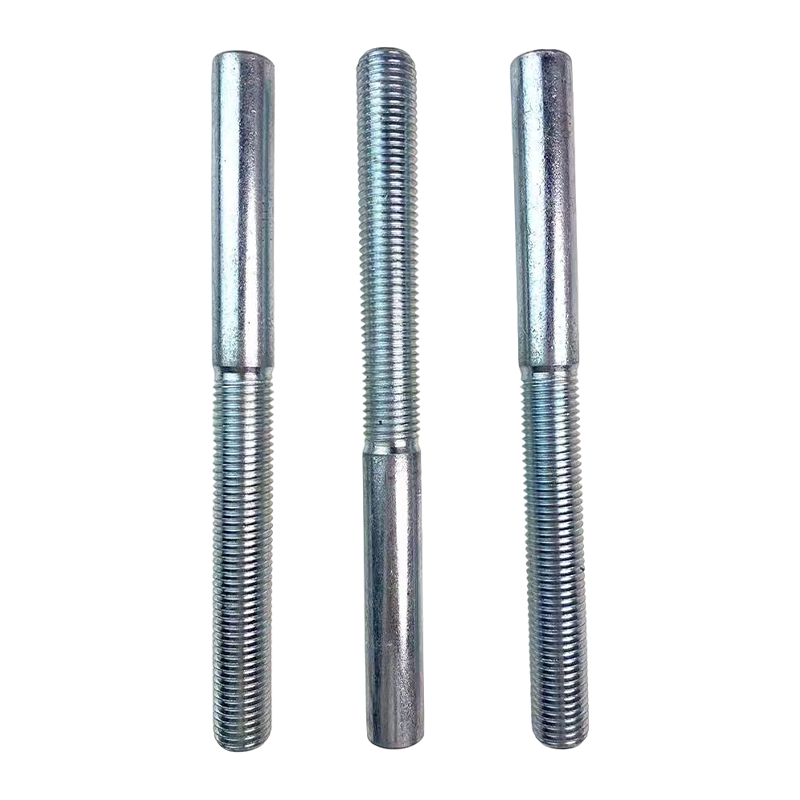
Steel wire rope swage terminals are fittings pressed onto the end of a rope to create a permanent connection to other hardware. The family includes swage studs, sockets, eyes, forks, ball ends and threaded terminals, and each has a defined way of attaching to a turnbuckle, anchor or load point. Because the terminal is pressed rather than bolted, the connection is compact and tidy, which is why it appears in architectural cable systems, rigging and construction.
Precision matters in a swage terminal because the metal flows around the rope under pressure. If the terminal bore, the die and the rope diameter do not match, the pressed result can be loose or damaged. Well-made terminals have consistent bore dimensions, clean surfaces and clear size markings, which makes the correct die easy to select.
What buyers review first on swage terminals
Experienced buyers tend to check the same few things on every new terminal supplier. The chart below ranks six review areas by how often they come up in sourcing conversations. The scores are an illustrative index drawn from common discussions and are intended to guide an inspection plan.
Die match and rope diameter fit lead the chart because they decide whether a pressed terminal can be formed correctly at all. Material and forging quality come next, since a terminal made from consistent steel with uniform grain flow behaves predictably under the press. Dimension checks after pressing confirm that the result sits within the die specification, and they give a clear record for each batch.
Surface finish and coating matter most when terminals are used outdoors or in damp settings, where protection against rust extends the life of the fitting. Markings and records are placed lower on the index but are valuable for traceability, especially when a distributor serves customers who must show documentation. A supplier with a documented quality management system and testing equipment can usually supply these records without extra effort.
When building an order, it helps to list terminal type, size, rope diameter and finish on one sheet. This lets the manufacturer check every line against the die set and avoid ambiguity about which end fitting goes with which rope. It also gives the buyer a clean reference for later repeat orders.
Conclusion: judge swage terminals first on die match and rope fit, then on material quality, post-press dimensions, coating and records.
Wire Rope Thimbles: Protecting the Rope Eye Under Repeated Stress
A wire rope thimble sits inside the rope eye and gives the rope a smooth, grooved path to follow around a pin, shackle or hook. Without a thimble, the rope can be pulled into a tight bend, which concentrates stress and speeds up wear. With a thimble, the eye keeps its shape and the rope is protected from abrasion against the connected hardware.
Thimbles are paired with aluminium sleeves and steel ferrules in many assemblies, so their size should match both the rope and the sleeve. Common references include EN 13411-1 and DIN 6899 for thimbles used with steel wire rope slings, and buyers should confirm which one their customers cite. Using a thimble that is too small for the rope can crush the strands, while one that is too large can leave the eye loose.
Common thimble types
| Thimble type | Feature | Typical use |
|---|---|---|
| Standard open thimble | Open heart shape, formed from strip | General rigging and lanyards |
| Heavy-duty thimble | Thicker section, deeper groove | Lifting slings and load-bearing eyes |
| Solid thimble | Closed, cast or forged body | Demanding or repeated loading |
| Galvanized or stainless thimble | Corrosion-resistant finish or material | Marine and outdoor assemblies |
A distributor who handles ferrules, sleeves and terminals often adds thimbles to the same order, because the pieces are used together and are easier to manage from one supplier. This also gives the buyer one set of dimensions and one batch of documents to keep on file. Matching the thimble to the sleeve size at the time of ordering avoids a common source of small but irritating errors.
Conclusion: choose wire rope thimbles by rope size, sleeve pairing and duty level, and confirm which standard your customers reference.
Mould Die and Hydraulic Press Matching: Where Pressing Quality Is Decided
The mould die for a wire rope press machine shapes the sleeve or terminal as it is compressed, and it is the part that turns a loose fitting into a finished termination. Accurate dies give consistent compression across a range of ferrule sizes, which helps produce uniform results from one batch to the next. A worn or mismatched die can leave marks, uneven compression or oversize pressed dimensions.
Most fit problems reported during sampling trace back to a small number of causes. The donut chart below shows a typical split of causes, such as die size mismatch, sleeve hardness variation, rope diameter tolerance, press setting and rope construction. The shares are an illustrative planning split and are meant to help buyers prepare their own checklists.
Die size mismatch takes the largest slice, which is a reminder that the right die for one sleeve family may not suit another, even when the rope is the same. Sleeve hardness variation and rope diameter tolerance follow, since both change how the metal flows during pressing. Press setting and rope construction make up the remainder and are usually easy to correct once they are identified.
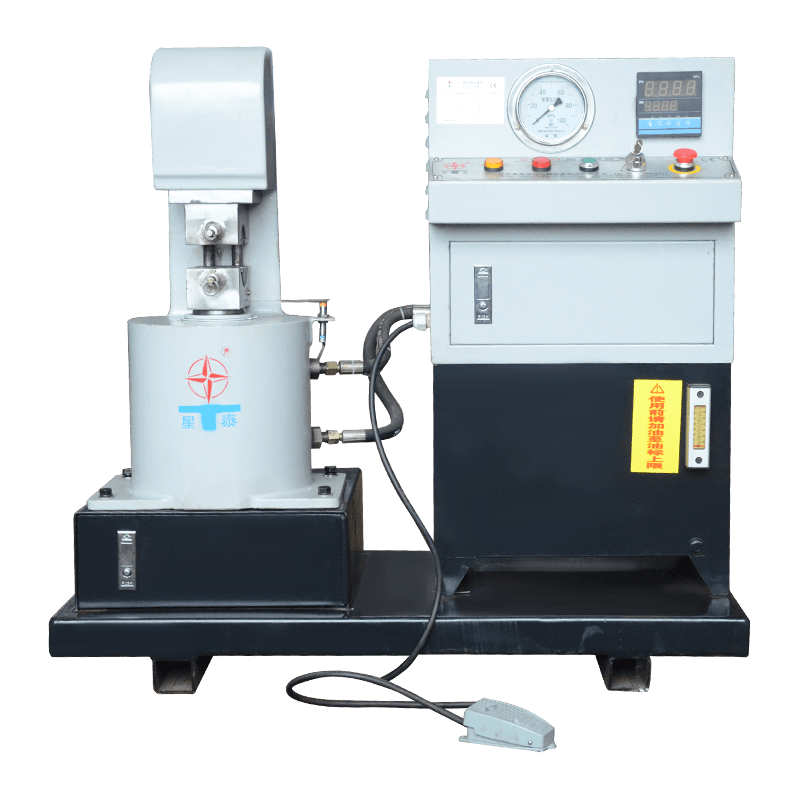
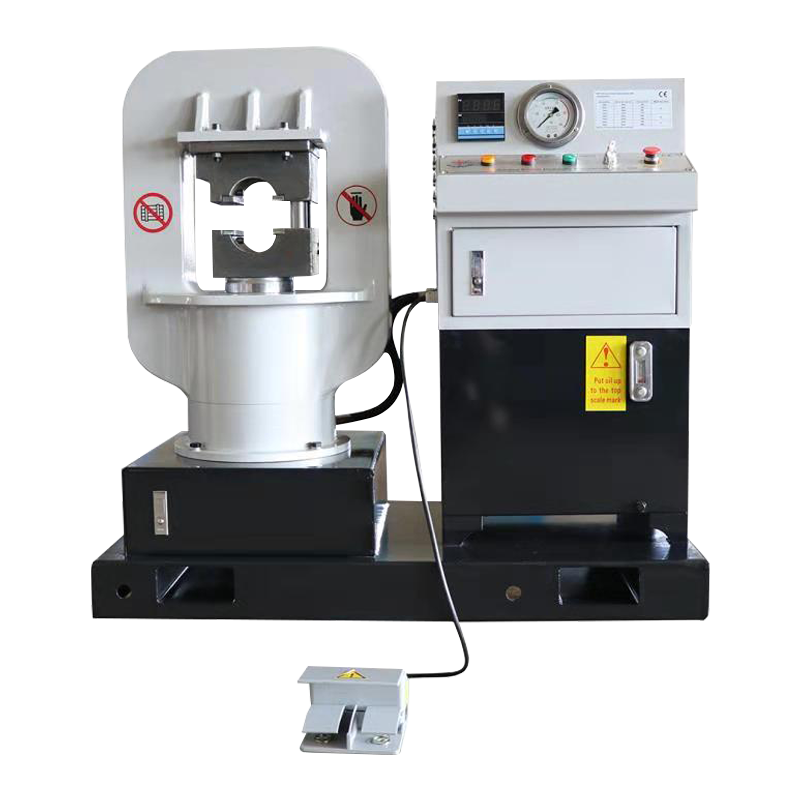
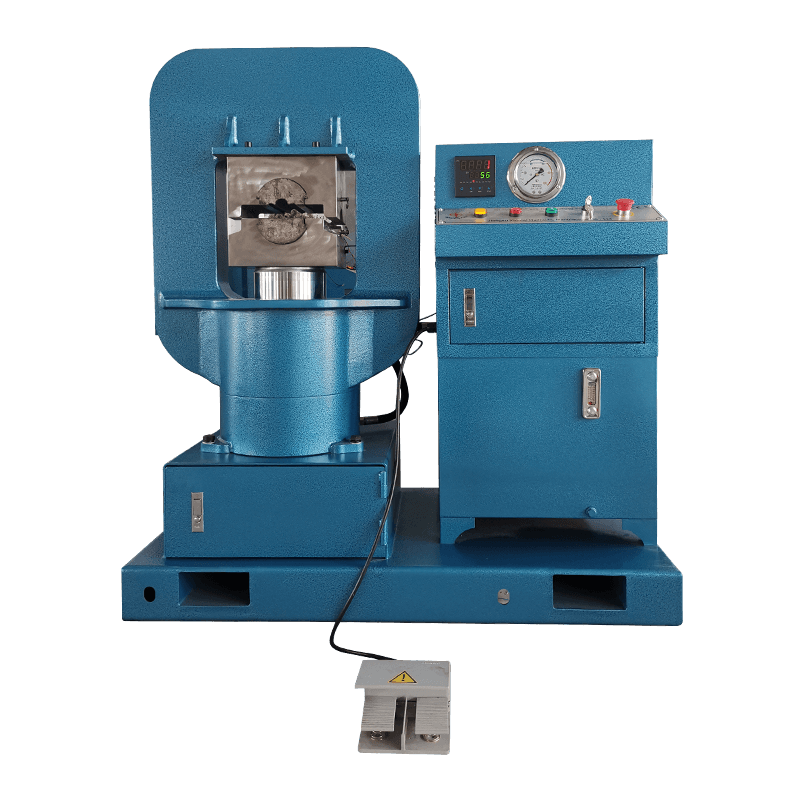
This is one reason a supplier that makes hydraulic wire rope pressing machines, dies and aluminum sleeves together can offer practical guidance. The swaging components of Xingtai machines are forged from high-strength alloy steel, and the machine body is made from a single block of material, which supports consistent pressing over long service. A dual-pressure pump oil supply system allows fast upward and downward movement with a smooth pressing stroke, which helps production efficiency.
Buyers who purchase both the press and the sleeves can ask for a recommended die and setting for each sleeve size. Recording those settings alongside the first approved sample gives the workshop a reliable starting point for every later batch. It also makes training new operators simpler.
Conclusion: most pressing fit problems trace back to die, sleeve and rope mismatch, so buy and document them as a matched set.
About Jiangsu Xingtai Hydraulic Manufacturing Co., Ltd.
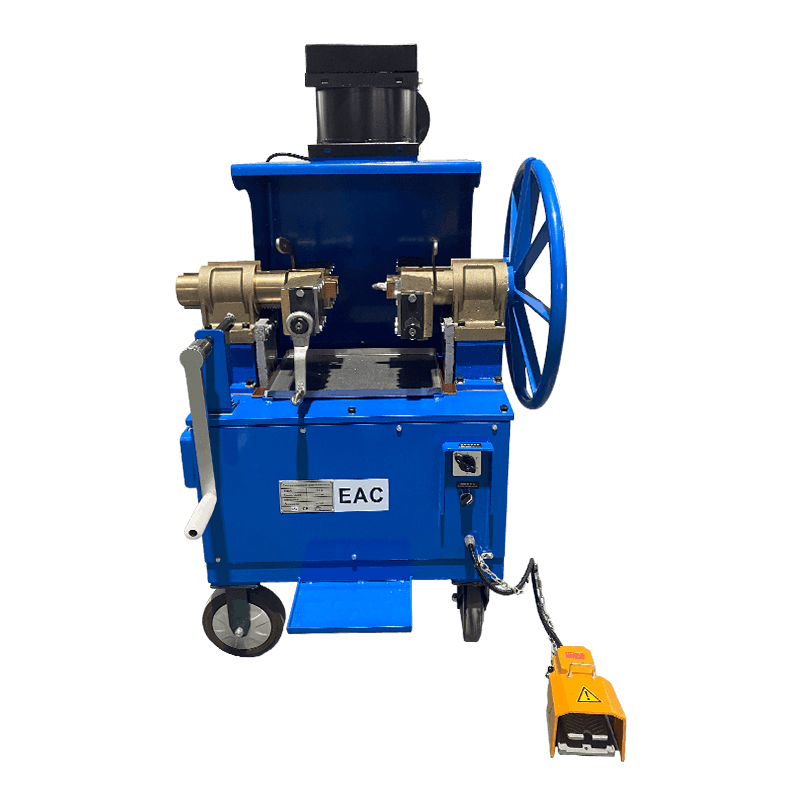
Jiangsu Xingtai Hydraulic Manufacturing Co., Ltd. was founded in 1992 and is located in Taizhou City, Jiangsu Province, China. The company specializes in manufacturing hydraulic wire rope pressing machines, wire rope annealing and tapering machines, aluminum sleeves and lifting clamps, and it is equipped with production facilities, technical capabilities, testing equipment and a quality management system.
The swaging components of Xingtai Hydraulic machines are forged from high-strength alloy steel, and the machine body is made from a single block of material to support structural integrity and long service life. The hydraulic system uses a dual-pressure pump oil supply, which allows fast upward and downward movement while keeping the pressing stroke smooth. This design is intended to improve pressing quality and production efficiency.
Xingtai Hydraulic machines have been exported to numerous countries, including the UK, Australia, the Netherlands, Latvia, Malaysia, Thailand, India, Russia, Botswana and Poland. Guided by the philosophy of high quality and lasting commitment, the company works to meet customer needs and to serve both existing and new clients with the same level of attention. For importers, this export experience helps with documentation, packaging and communication across markets.
Visit the Xingtai Hydraulic website
Browse hydraulic wire rope pressing machines, aluminum sleeves, wire rope accessories and lifting clamps, and send an inquiry through the official site: Jiangsu Xingtai Hydraulic Manufacturing Co., Ltd.
Conclusion: a manufacturer of pressing machines, dies and aluminum sleeves can advise on the whole termination system rather than a single part.
Matching Wire Rope Accessories to Marine, Lifting, Construction and Industrial Use
Different industries lean on different accessories, even when the rope is similar. Marine buyers value corrosion resistance, lifting buyers value strength and slippage resistance, and construction buyers often want neat, permanent end fittings for cable systems. The heatmap below scores four accessory types against four use settings, with darker cells showing a stronger fit on a scale of 1 to 5.
The scores are illustrative planning values and should be confirmed against each application's requirements.
The aluminium hourglass sleeve scores highest in marine and outdoor use because of its light weight and corrosion resistance. The Flemish eye steel ferrule and the steel swage terminal both score strongly in lifting and rigging, where strength and resistance to slippage matter most. Swage terminals also lead in construction and cable work, where a neat, permanent end fitting is often needed.
A distributor serving several of these settings usually stocks a mix rather than a single product line. A balanced stock might include aluminium sleeves in common sizes, a smaller range of Flemish eye steel ferrules, a set of popular swage terminals and thimbles to match. Starting with the sizes your customers ask for most often keeps inventory manageable while sales data builds up.
The heatmap also shows why it is useful to ask a customer about the application before recommending a part. A buyer who describes the environment, the load pattern and the rope type gives the supplier enough information to suggest a sensible combination. This conversation is quick and prevents a surprising number of wrong-fit orders.
Conclusion: ask about the application first, then match the accessory, since marine, lifting, construction and industrial work favor different fittings.
Quality Checkpoints for Ferrules, Sleeves, Terminals and Thimbles
Quality checks on wire rope accessories are practical and repeatable. Most can be done with a caliper, a die gauge and a careful visual review, and they catch the majority of problems before goods are shipped. A supplier with testing equipment and a quality management system can usually share records for each batch.
Incoming and sample checks
- Material identification: confirm the alloy or steel grade against the specification and the supplier's records.
- Bore and outer dimensions: measure against the standard or catalog table.
- Surface condition: look for cracks, burrs, laps and uneven coating.
- Markings: check that size and traceability marks are clear and correct.
Checks after pressing
- Pressed dimension: compare the final size with the die specification.
- Rope tail: confirm a suitable tail length beyond the sleeve, as the standard requires.
- Deformation: check that the sleeve is evenly compressed with no cracks or flash.
- Proof testing: follow the applicable standard and your customer's requirements for load testing.
| Stage | Review point | Method |
|---|---|---|
| Material | Alloy or steel grade | Material records and sampling |
| Dimensions | Bore, length, wall thickness | Caliper and gauge |
| Surface | Cracks, burrs, coating | Visual review |
| After pressing | Pressed size and tail length | Measurement against die specification |
| Documentation | Batch records and markings | Supplier records and label review |
Conclusion: check material, dimensions, surface and post-press size on every batch, and follow the applicable standard for any load testing.
Custom and OEM Wire Rope Accessories: What to Send With an Inquiry
Many buyers need accessories adapted to their own rope range, marking requirements or packaging. A wire rope accessories manufacturer can often adjust sleeve size, material, surface treatment, markings and packing, provided the request is clear. The table below lists the details that most help a supplier respond to a custom or OEM inquiry.
| Item | What to state | Why it helps |
|---|---|---|
| Product type | Sleeve, ferrule, terminal or thimble | Routes the inquiry correctly |
| Rope details | Diameter, construction, core, grade | Defines fit and pressing behavior |
| Standard reference | DIN 3093, EN 13411-3 or other | Sets dimensions and tolerances |
| Material and finish | Alloy, steel grade, galvanizing or other | Matches the environment |
| Pressing equipment | Press model and die set | Allows die and size matching |
| Markings and packing | Size marks, logo, carton type, labels | Avoids late changes |
Sampling and trial pressing
A typical custom project begins with a drawing or catalog size, followed by a sample set for trial pressing on the buyer's own rope. The buyer measures the pressed result and gives feedback on fit, finish and markings. One or two sampling rounds are common before the order is confirmed.
Conclusion: a clear inquiry with rope details, standard reference and pressing equipment shortens the route to an approved sample.
Packaging, Labeling and Export Preparation for Wire Rope Accessories
Small metal fittings are easy to mix up if packaging is careless. Sleeves and ferrules in different sizes can look alike, so clear labels and separate bags reduce picking errors at the warehouse. Steel parts also need protection from moisture in transit, especially on long sea routes.
- Inner bags: sealed polybags by size, labeled with product name, size and quantity.
- Cartons: strong export cartons with weight limits that suit manual handling.
- Rust protection: oiled or coated steel parts, with desiccant where the route requires it.
- Pallets: wrapped and strapped pallets for heavy items such as dies and pressing machines.
Documents for importers
Importers often ask for a packing list, commercial invoice and material or batch records, and some markets request conformity documents. Sharing the destination country at the start lets the supplier prepare the correct labels and paperwork. An exporter with experience across the UK, Australia, the Netherlands, India and other markets can usually advise on common requirements.
Conclusion: pack small fittings by size with clear labels, protect steel parts from moisture and prepare documents for the destination market early.
Working With a Wire Rope Accessories Manufacturer and Supplier: Practical Steps
Choosing a wire rope accessories manufacturer or wholesale supplier is less about one conversation and more about how clearly both sides document expectations. Buyers who build long relationships tend to share forecasts, give feedback quickly and keep specifications stable. The steps below describe a workflow many importers follow with a new supplier.
- Send a short brief with product type, rope details, standard reference and target use.
- Review catalog sizes and decide whether to use standard parts or request a custom size.
- Request samples and press them on your own rope with the intended die.
- Measure and record the pressed results, then give written feedback with photos.
- Confirm the approved sample as the reference for bulk production.
- Place the order with written specifications, packaging details and delivery timing.
- Request inspection records before shipment and keep them with the batch.
Questions worth asking a new supplier
Ask which sleeve and terminal families the factory makes regularly and which are made to order. Ask how material is checked, how dimensions are measured and what records are kept for each batch. Ask whether the supplier can recommend dies and press settings for specific sleeve sizes.
Clear, practical answers show whether a team has a working quality routine. A manufacturer that also builds hydraulic wire rope pressing machines can usually answer die and setting questions directly, because the same engineers work on both sides of the termination. That kind of integrated knowledge is useful when a customer reports a fit problem and needs a quick, informed reply.
Conclusion: a documented workflow from brief to sample, trial press and final inspection keeps wire rope accessory orders consistent over repeat purchases.
Aluminium Hourglass Sleeves and Wire Rope Accessories FAQ
Q1: What are aluminium hourglass sleeves used for?
They are pressed onto steel wire rope to form loops and eye terminations. Their light weight and corrosion resistance suit marine rigging, outdoor cable work, lanyards and general slings. The sleeve must match the rope diameter and the die used to press it.
Q2: What does Aluminum Ferrule/Aluminum Sleeve DIN3093 refer to?
It is a standard reference commonly cited for pressed aluminum ferrules and sleeves used to terminate wire rope. European practice also uses EN 13411-3, so buyers should confirm which reference their market and customers use. Writing the exact reference into the purchase specification avoids dimensional confusion.
Q3: When should I choose a Flemish eye steel ferrule?
It is typically chosen for heavy-duty lifting and load-bearing assemblies, where a spliced eye secured by a steel ferrule is preferred. The rope construction and ferrule size should be matched, and a trial press on your own rope helps confirm fit. Follow the applicable standard for testing.
Q4: What are steel wire rope swage terminals?
They are end fittings pressed onto a rope to create a permanent connection to other hardware, such as studs, sockets, eyes and forks. They are common in rigging, construction and architectural cable systems. Terminal size, die and rope diameter need to match.
Q5: Why use wire rope thimbles?
A thimble protects the rope eye from abrasion and keeps its shape under repeated stress. It gives the rope a smooth groove to follow around a pin or shackle. The thimble should be sized for both the rope and the sleeve.
Q6: How do I choose the right mould die for a press?
Match the die to the sleeve or terminal size and the rope diameter, and confirm the pressing force the machine provides. Ask the supplier for a recommended die and setting for each sleeve size. Record the approved settings after the first successful sample.
Q7: Can wire rope accessories be customized?
OEM and custom programs commonly adjust sizes, materials, finishes, markings and packaging. Sending rope details, the standard reference and your press model helps the supplier prepare accurate samples. Feasibility depends on the product type and tooling.
Q8: What documents should I request from a supplier?
Importers often ask for a packing list, commercial invoice, batch or material records and any conformity documents their market requires. Share the destination country early so the supplier can prepare the correct labels and paperwork.

If you require custom hydraulic equipment or technical consultation, please feel free to contact the Xingtai Sales and Engineering Team.
-
 +86-523-86934677
+86-15896002505 -
 [email protected]
-
 +86-15896002505
-
 No. 3 Longgang Road, Gaogang Port Street, Taizhou City, China.
Copyright © Jiangsu Xingtai Hydraulic Manufacturing Co., Ltd. All Rights Reserved. Custom hydraulic machinery manufacturers Wholesale wire rope swagers Factory

