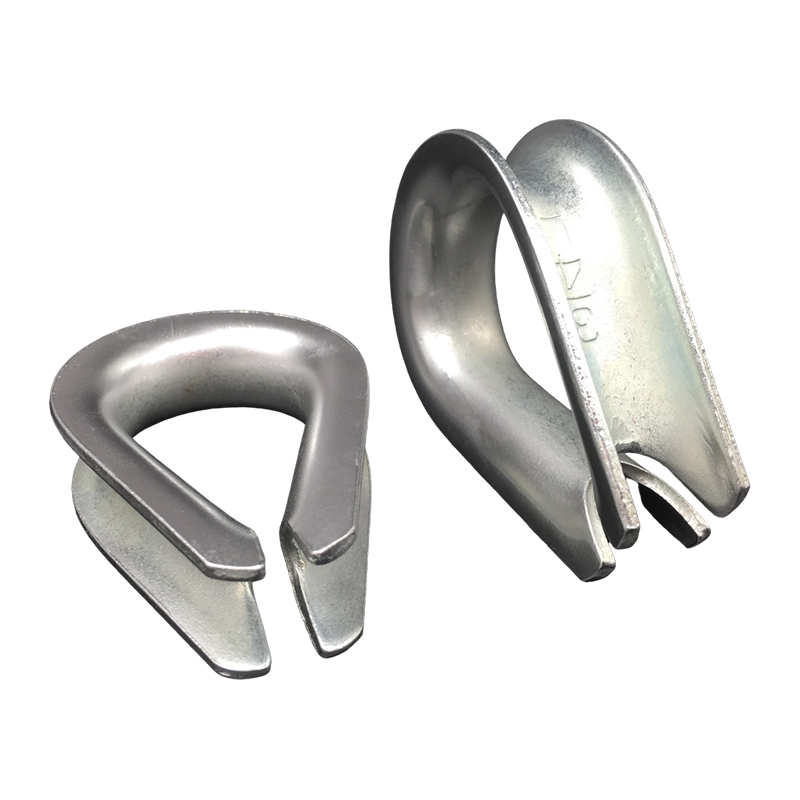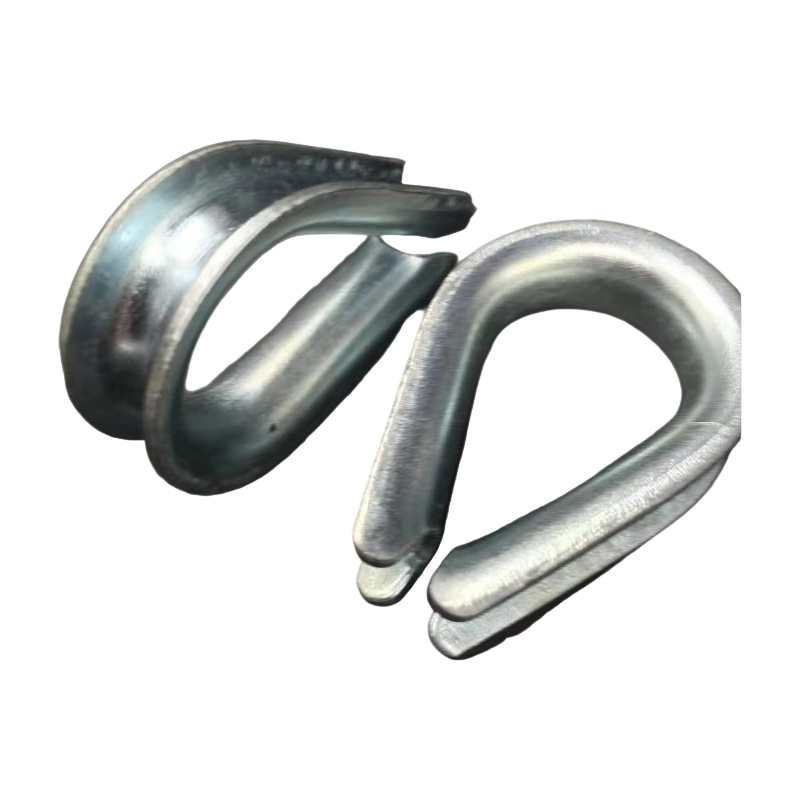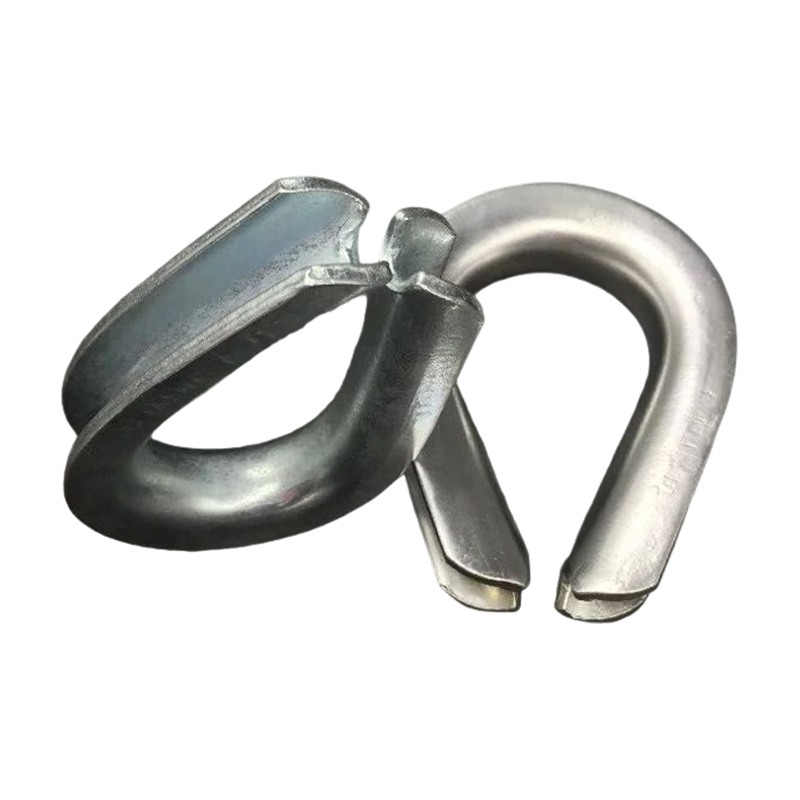
Wire Rope Thimbles Wholesale
Home / Products / Accessories / Wire Rope Thimbles
  • Parameter
  • Other Descriptions
  • Contact
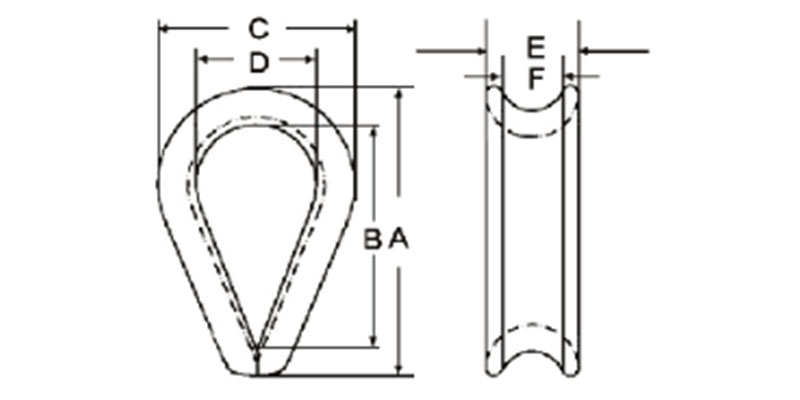
Technical Data
Size (mm) Dimensions(mm) WT/PC(kg)
A B c D E F
3 28 19 18.5 12 6 3 0.5
4 30 21 20.5 13 7 4 0.8
5 33 23 22.5 14 8 5 1
6 39 26 27 16 10 6 1.6
7 43 30 30 18 11 7 1.9
8 48 32 33 20 12 8 3
10 58 38 39 24 14 10 4.7
12 69 45 47 28 17 12 6.8
13 73 48 50 30 18 13 8
14 77 51 53 32 19 14 10
16 88 58 60 36 22 16 14.5
17 95 61 65 38 25 17 18
18 100 64 68 40 26 18 20
20 113 72 75 45 28 20 29
22 123 80 82 50 30 22 32
24 135 90 92 56 34 24 47
26 145 99 100 62 36 26 59
28 162 112 110 70 38 28 80
30 175 120 120 75 42 30 110

Company
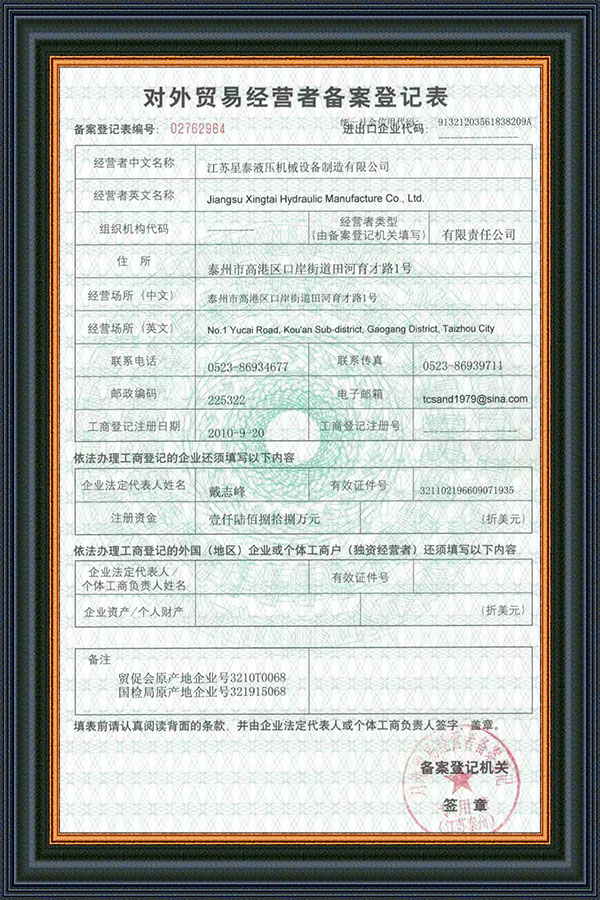
Jiangsu Xingtai Hydraulic Manufacturing Co., Ltd.
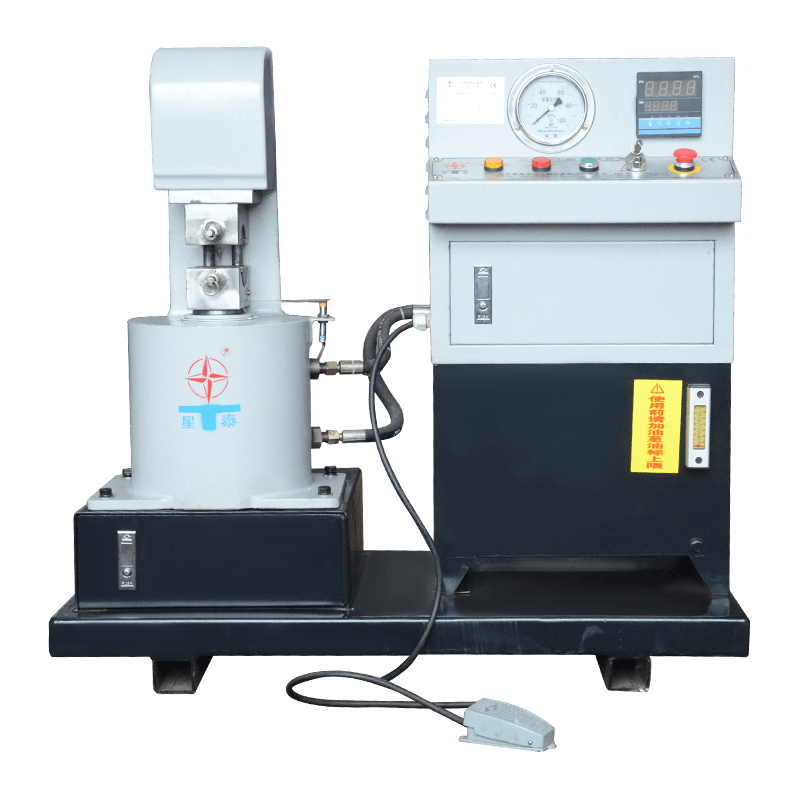
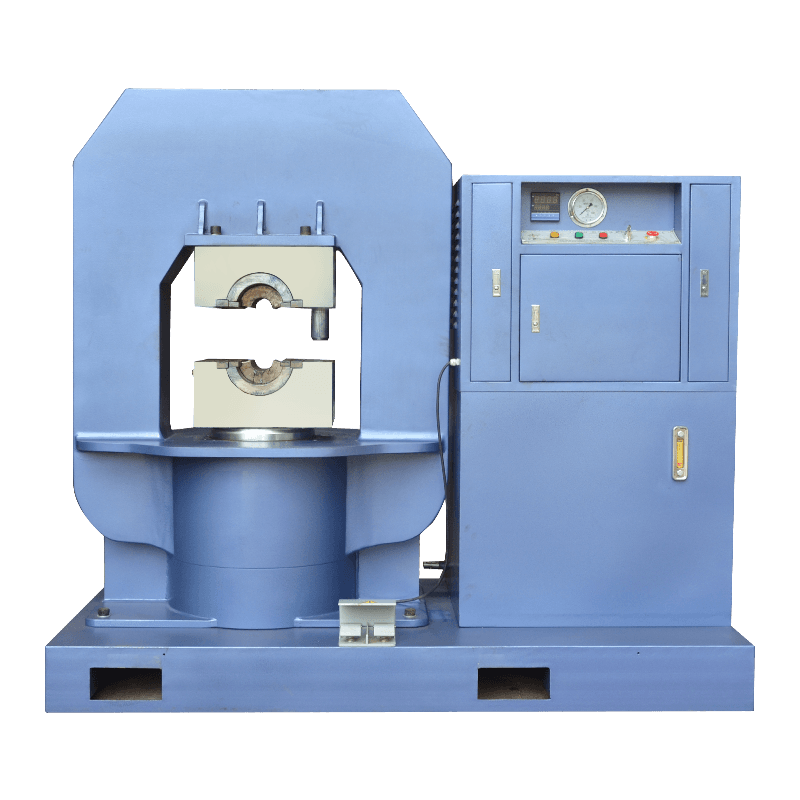
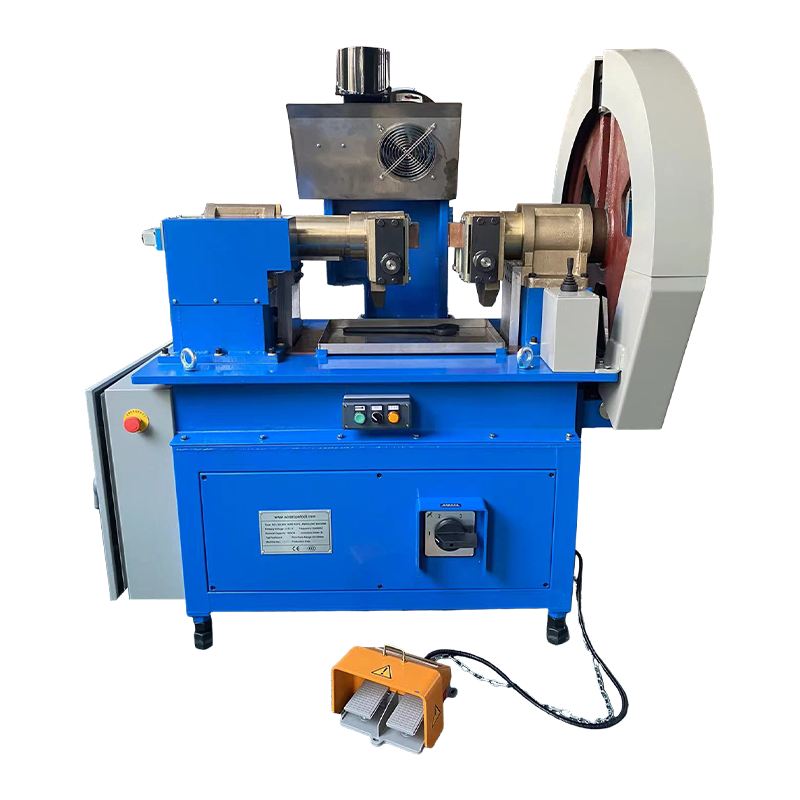
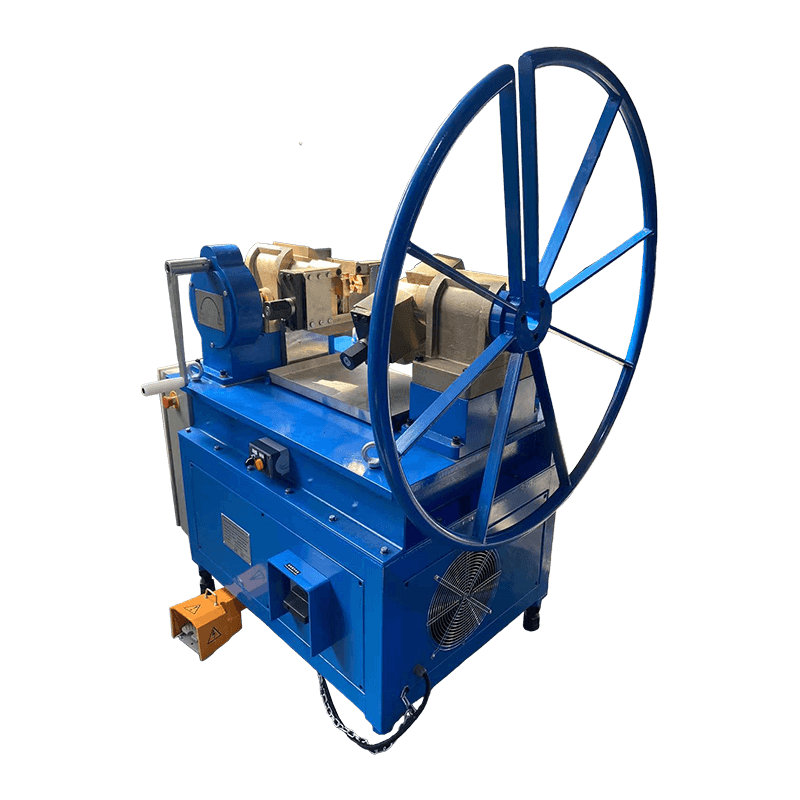
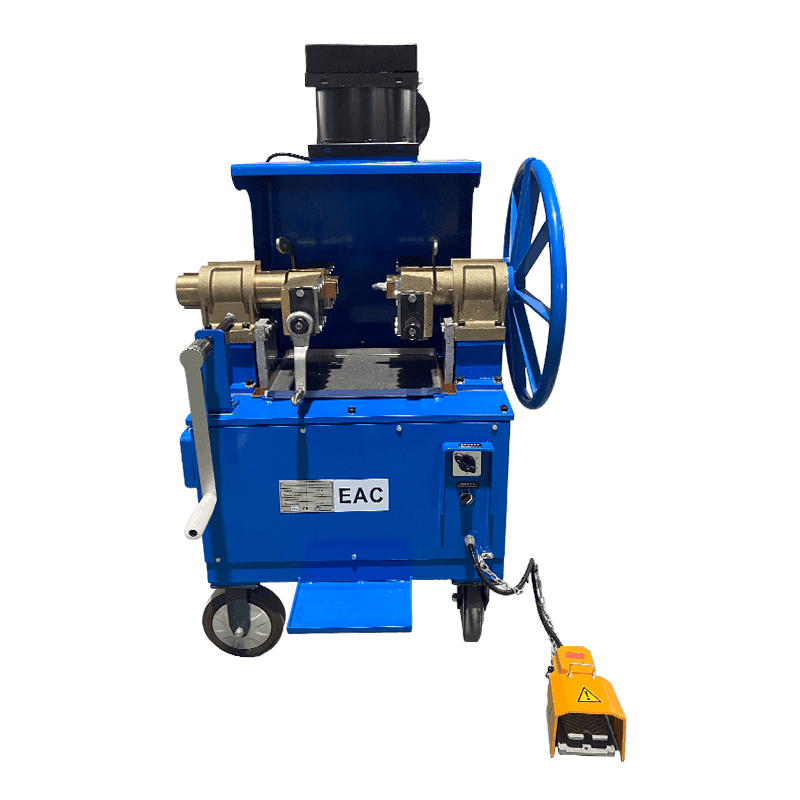
As Wire Rope Thimble Manufacturers and Thimble Wire Rope Sling Company, Jiangsu Xingtai Hydraulic Manufacturing Co., Ltd. was founded in 1992 and is located in Taizhou City, Jiangsu Province, China. The company specializes in manufacturing hydraulic wire rope pressing machines, wire rope annealing and tapering machines, aluminum sleeves, and lifting clamps. Xingtai Hydraulic is equipped with advanced production facilities, strong technical capabilities, authoritative testing equipment, and a comprehensive quality management system.

The swaging components of Xingtai Hydraulic machines are forged from high-strength alloy steel. The machine body is manufactured from a single block of material, ensuring structural integrity and long service life. Our hydraulic systems utilize a dual-pressure pump oil supply system, which enables fast upward and downward movement while ensuring a smooth pressing process. This design significantly improves pressing quality and production efficiency.

Xingtai Hydraulic machines have been exported to numerous countries, including the UK, Australia, the Netherlands, Latvia, Malaysia, Thailand, India, Russia, Botswana, Poland, and others.

Guided by the philosophy of "high quality, competitive price, and lasting commitment," we strive to meet our customers' needs and provide them with the best service. We remain dedicated to serving both existing and new clients with the same level of excellence as we work together to build a successful future.
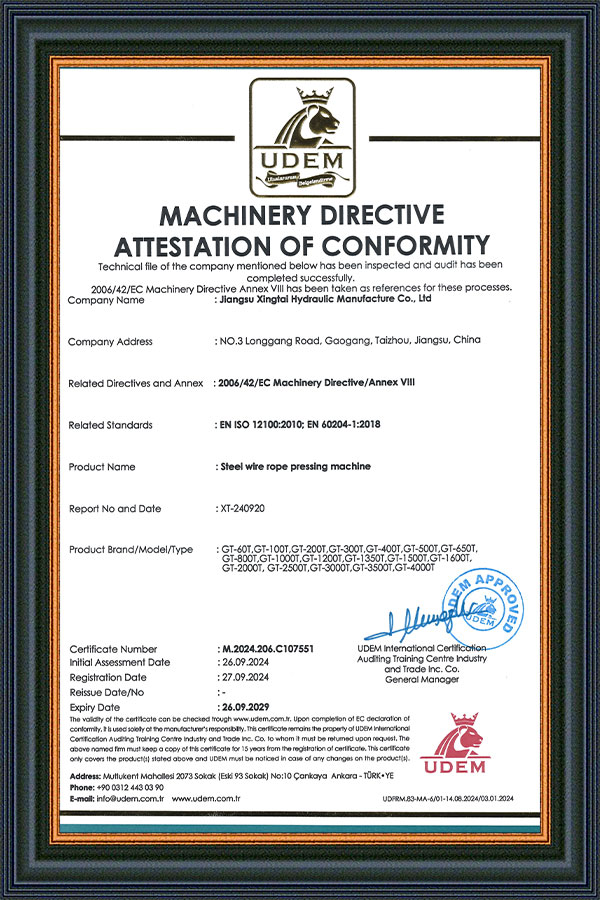
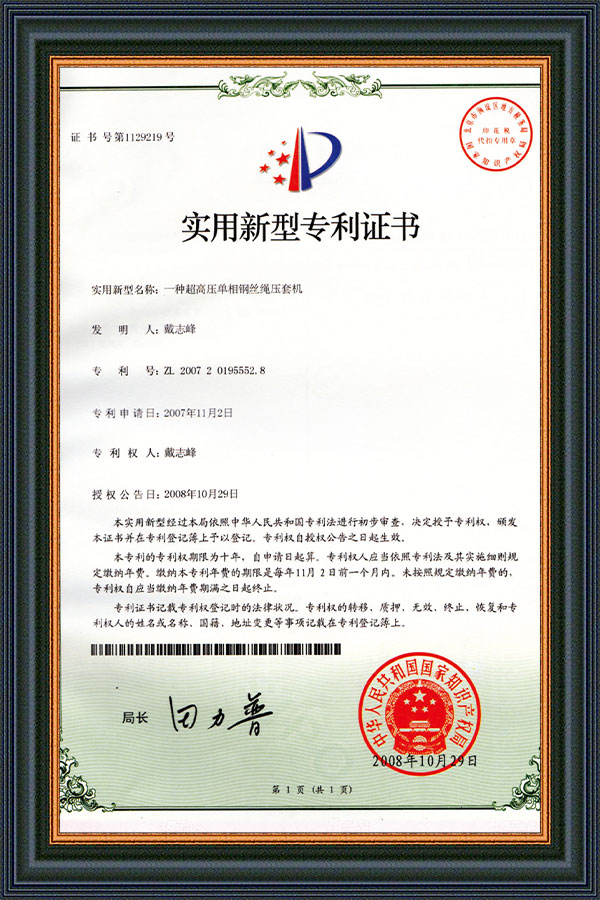
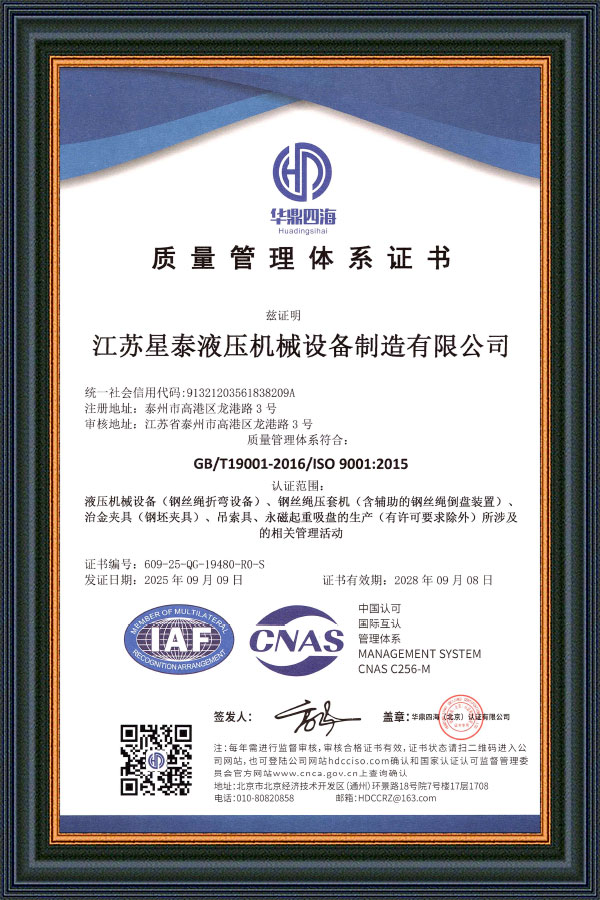
Certificate Of Honor
  • Certifications
  • Certifications
  • Certifications
  • Certifications
News
  • A wire rope sling making machine works by using controlled hydraulic force to permanently compress a metal ferrule (sleeve) around the looped end of a steel wire rope — a process known as swaging or crimping. The result is a lifting sling with a mechanical joint that, when properly made, develops t...

    READ MORE
  • Conclusion: Quality Lifting Wire Rope & Rigorous Maintenance Drastically Reduce Accidents Analysis of over 3,400 lifting operations confirms: using certified high-strength steel cables together with proper wire rope fittings and heavy-duty rigging gear lowers load-drop incidents by 62% to 78%. ...

    READ MORE
  • Before restarting the GT-60 Hydraulic Wire Rope Swage Press Machine (C Frame), operators must complete three critical pre-restart checks: (1) inspect the hydraulic oil level and verify there are no leaks, (2) confirm the swage dies are properly seated and fully closed without obstruction, and (3) e...

    READ MORE
Industry Knowledge

1. What Is a Wire Rope Thimble? – Definition & Basic Function

A wire rope thimble is a U-shaped or teardrop-shaped metal fitting (typically forged steel, stainless steel, or galvanized iron) inserted into the eye of a wire rope loop to protect the rope fibers or strands from abrasion, crushing, and fatigue when the eye is attached to a hook, shackle, or pin. Thimbles prevent direct metal-on-metal contact between the rope and the hardware, distributing the load evenly across a larger radius.

Without a thimble, the rope eye suffers from stress concentration at the contact point, leading to premature strand breakage. According to OSHA 1910.184 and ASME B30.9, thimbles are mandatory for all wire rope slings used in lifting applications to ensure safe working load integrity.

2. Why Is a Wire Rope Thimble Important? – Critical Performance Impact

The thimble increases the bending radius of the rope eye, reducing internal wire stresses by up to 70%. Laboratory tests show that an unprotected rope eye subjected to cyclic loading fails after as few as 3,000 cycles, whereas the same rope with a properly fitted thimble withstands over 15,000 cycles — a 5x increase in fatigue life. The chart below illustrates this dramatic improvement.

Cycles to Failure (Eye termination, 10 mm wire rope, 1.5 ton load)

Without thimble (bare eye)
3,100 cycles
With standard steel thimble (radius ≥ 4x rope dia)
15,800 cycles
With heavy-duty stainless thimble (optimized groove)
18,200+ cycles

Fig. 1 – Fatigue life comparison: using a thimble increases eye endurance by up to 487%, preventing catastrophic failure.

Beyond fatigue, thimbles protect against kinking, distortion, and crushing when the sling is under heavy load. For example, in overhead crane applications, a thimble reduces rope replacement frequency by 62% annually, according to a 2023 lifting equipment reliability study.

3. Types of Wire Rope Thimbles & Material Selection Guide

Thimbles are categorized by material and groove design. Common types: hot-dip galvanized carbon steel (general lifting), stainless steel 316 (marine/chemical), and heavy-duty forged (mining/abrasive environments). 

Table 1 – Recommended thimble type based on working environment and rope diameter.
Environment Recommended Thimble Service Life Increase Typical Rope Dia
General industrial / dry Hot-dip galvanized steel +280% cycles 6–32 mm
Marine / offshore / chemical Stainless steel 316 / 304 +340% (corrosion-free) 8–28 mm
Mining / heavy abrasion Forged alloy steel (hardened) +420% wear resistance 12–40 mm

4. Correct Thimble Sizing & Load Efficiency (Radius Ratio Effect)

The thimble’s internal groove radius must match the rope diameter. A rule of thumb: the bend radius should be at least 4 times the rope diameter (D/d ratio ≥ 4). If the ratio falls below 2, rope efficiency drops dramatically. The chart below shows breaking strength retention as a function of D/d ratio.

Breaking Strength Retention vs. Thimble Bend Ratio (D/d)

Strength retention (%) Bend ratio D/d (thimble radius / rope dia) 405060 708090100 123 456 78 D/d <4 unsafe zone

Fig. 3 – Minimum recommended thimble bend ratio D/d = 4 gives 80% breaking strength retention; ratio >6 preserves >92% of rope capacity.

Always match the thimble groove diameter to rope nominal size. Using an undersized thimble (< D/d ratio 2) can reduce safe working load by over 45% and violates OSHA sling regulations.

5. How to Install a Wire Rope Thimble Correctly (Step-by-Step)

Proper installation ensures maximum protection. Follow these steps:

  • Step 1 – Measure rope diameter and select thimble with groove radius ≥4x rope diameter.
  • Step 2 – Form the eye loop and seat the thimble firmly against the inner curvature.
  • Step 3 – Apply wire rope clips or swage sleeves; torque clips to manufacturer spec (e.g., 55 N·m for 12 mm rope).
  • Step 4 – Perform proof load test at 125% of rated capacity before commissioning.

Incorrect installation (e.g., thimble not seated fully) causes point loading, reducing service life by up to 55%. Always inspect thimbles for cracks or deformation after heavy lifts.

6. Frequently Asked Questions (FAQ) About Wire Rope Thimbles

Q1: Is a wire rope thimble always required by safety standards?
A1: Yes, for overhead lifting slings under OSHA 1910.184 and ASME B30.9, a thimble is mandatory for all eye terminations that attach to a hook or shackle. Failure to use one can result in citation and immediate rope replacement.

Q2: Can I reuse a thimble after cutting off a damaged rope eye?
A2: Only if the thimble shows no signs of deformation, cracks, or groove wear exceeding 0.5 mm. For heavy-load applications, replacement is recommended because metal fatigue may be present.

Q3: What is the typical lifespan of a stainless steel thimble in marine environment?
A3: With proper passivation, 316 stainless thimbles last 8–12 years in saltwater exposure, whereas galvanized thimbles may start corroding after 18 months. Always match material to environment.

Q4: Does a thimble reduce the rope’s rated breaking load?
A4: No, a correctly sized thimble maintains over 95% of catalog breaking strength. Only undersized thimbles (D/d <3) cause significant derating (up to 45% loss).