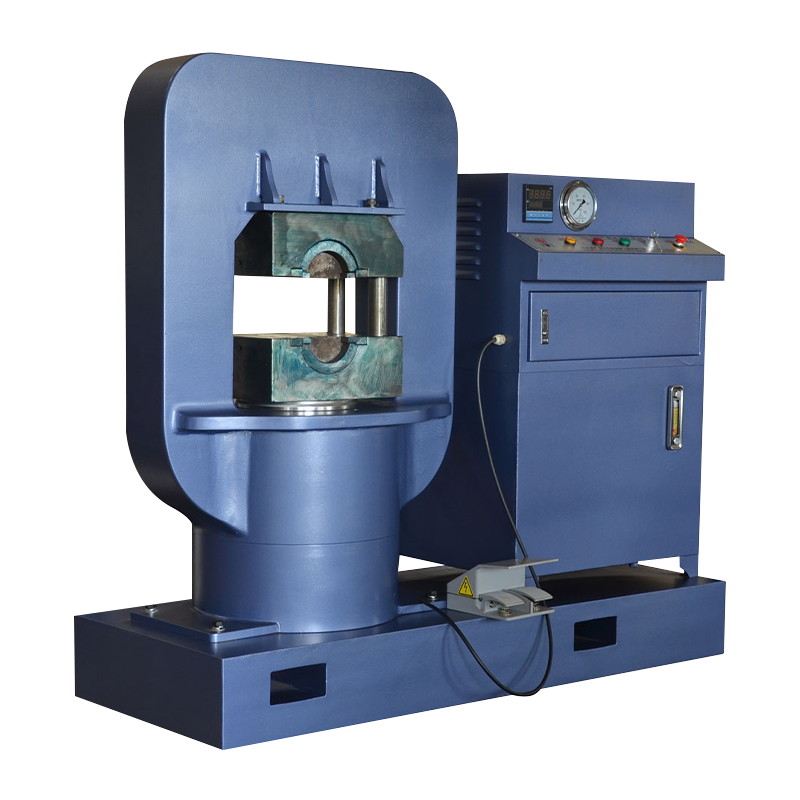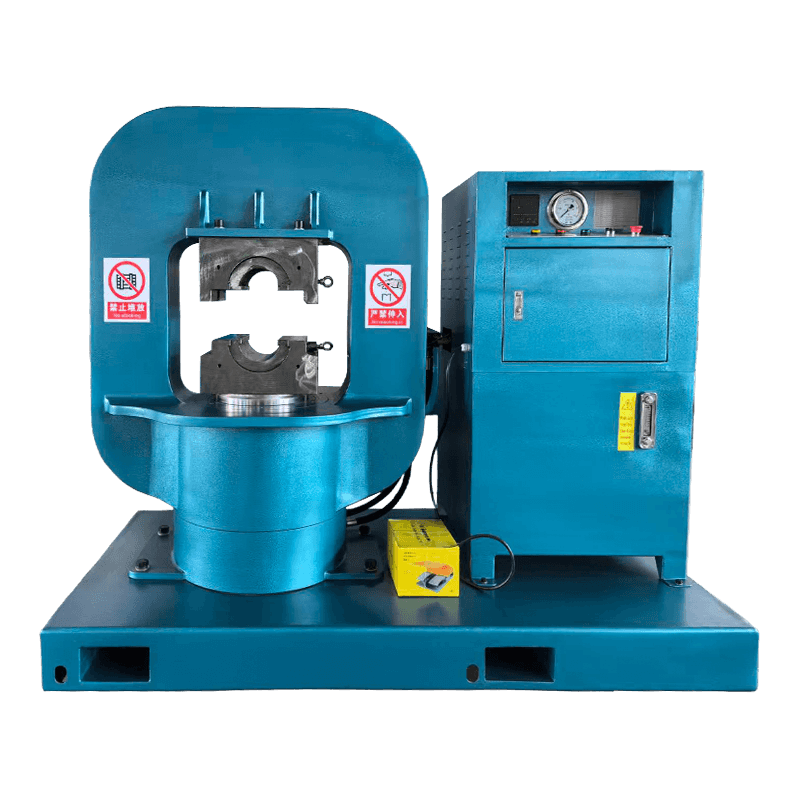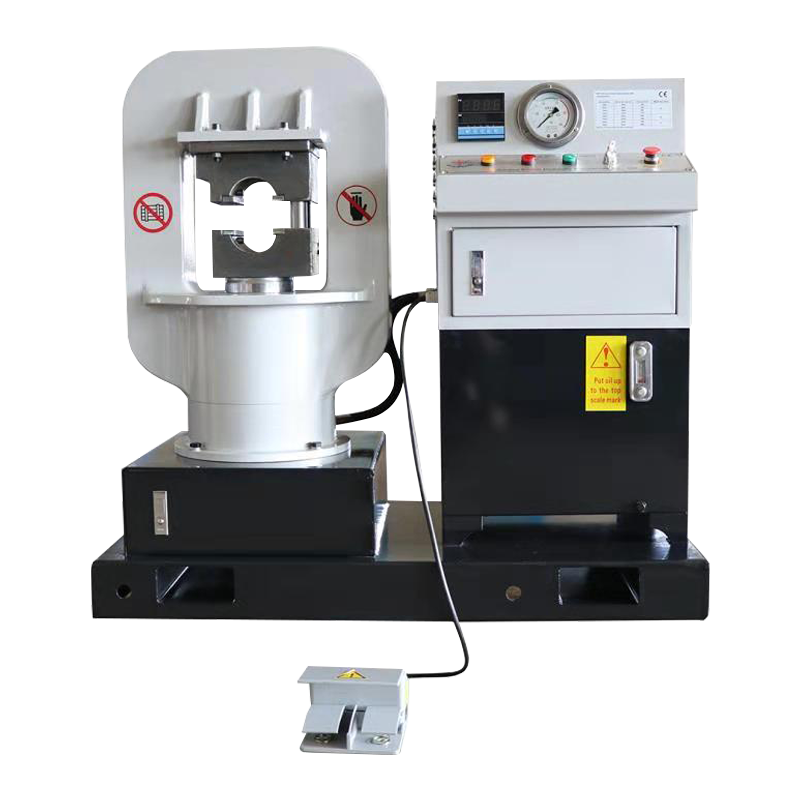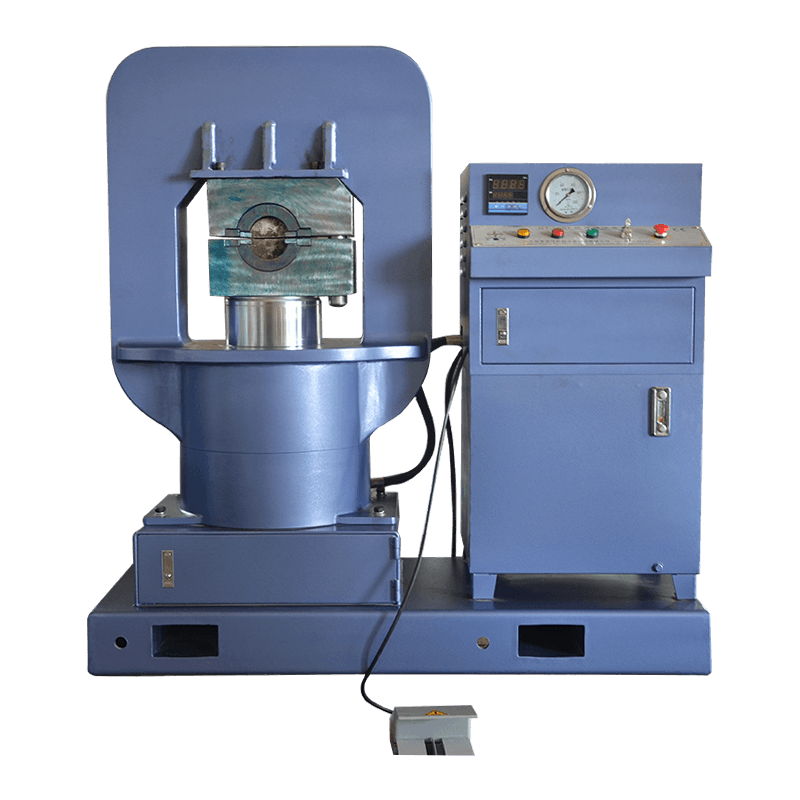
GT-300 Press Machine For Wire Rope Sling(Basket Frame) Wholesale
Home / Products / Steel Wire Rope Press Machine / GT-300 Press Machine For Wire Rope Sling(Basket Frame)

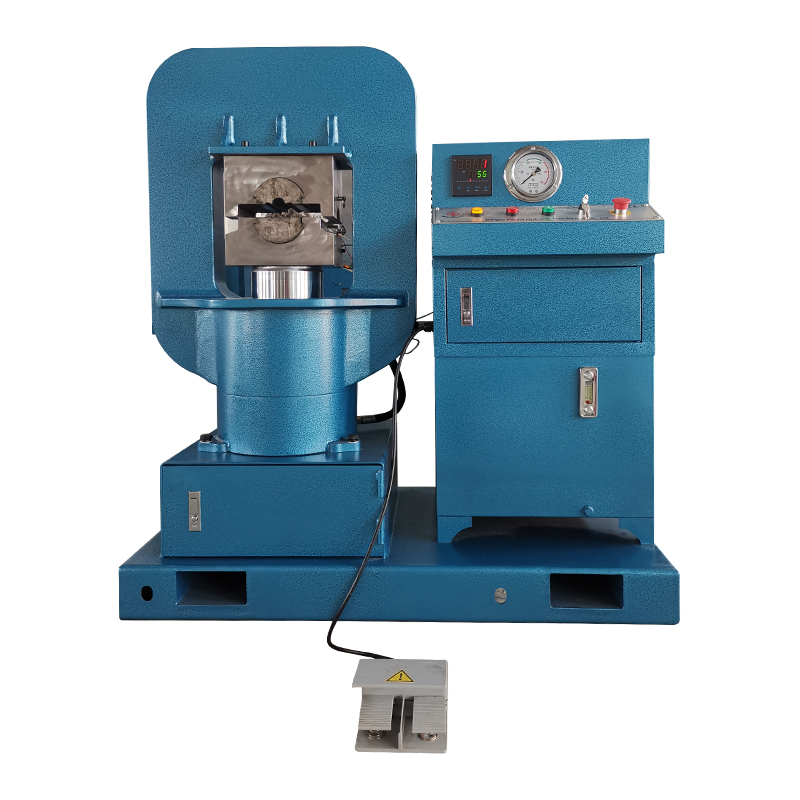
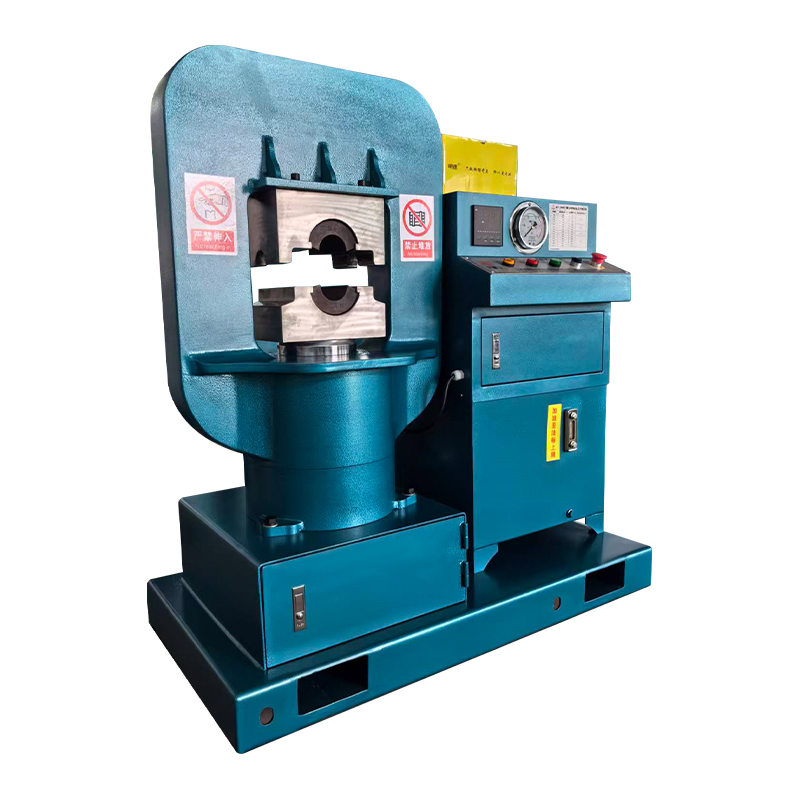
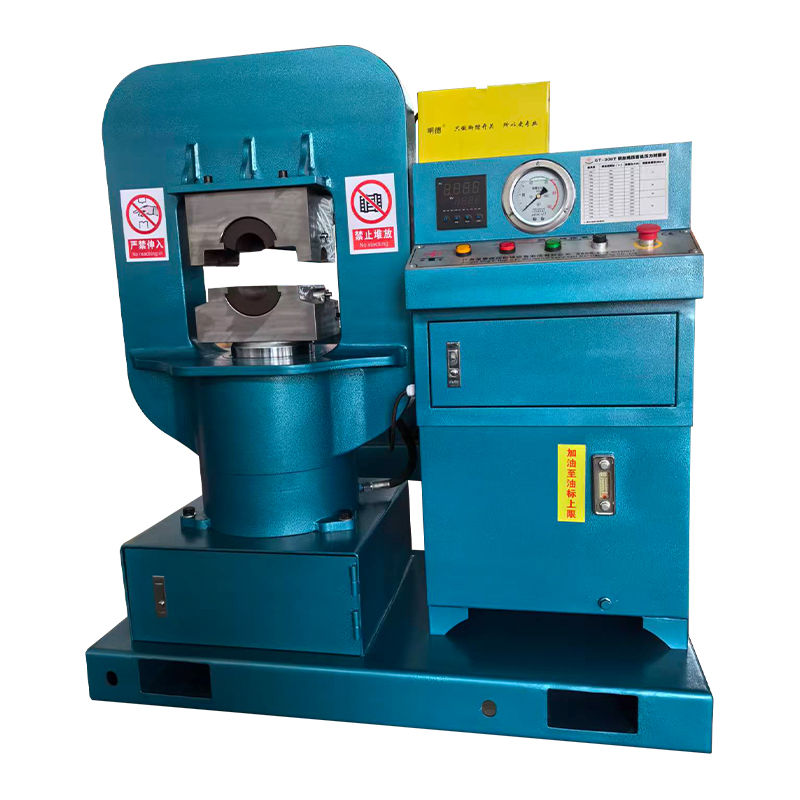
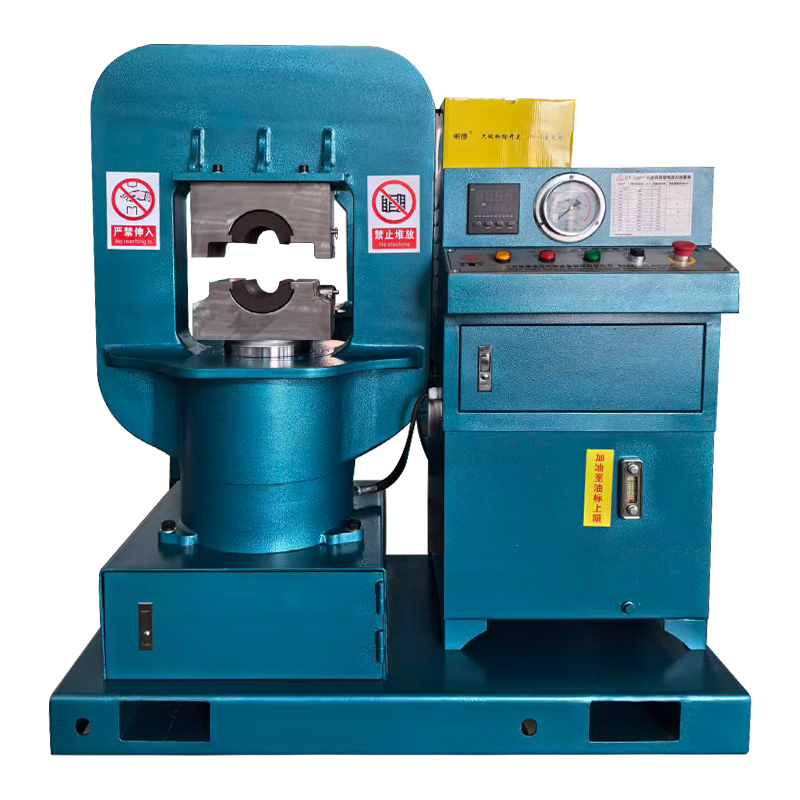
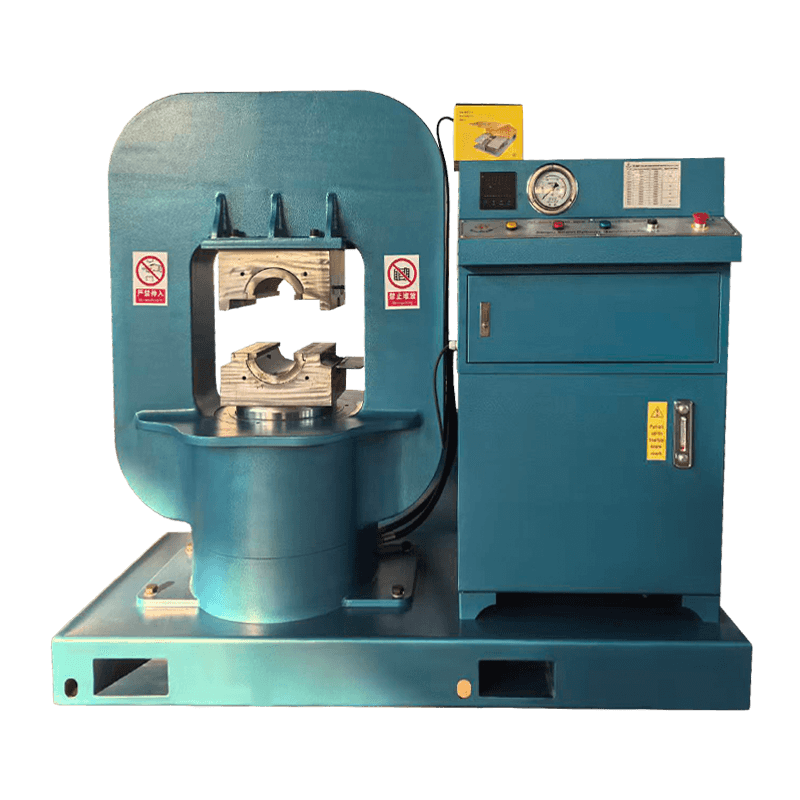
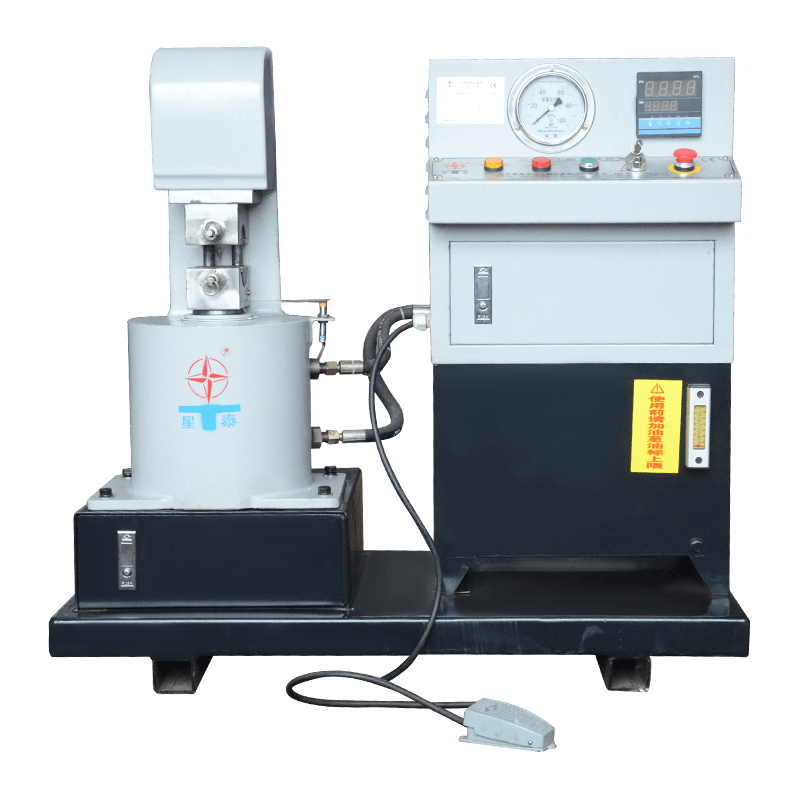
GT-300 Press Machine For Wire Rope Sling(Basket Frame)

GT-300  wire rope press machine is to press small size of wire rope from 6 mm to 30mm.

The GT-300 press machine is widely used in the wire rope industry. The GT-300 press machine is rather popular in the steel structure building field. 


Characteristics
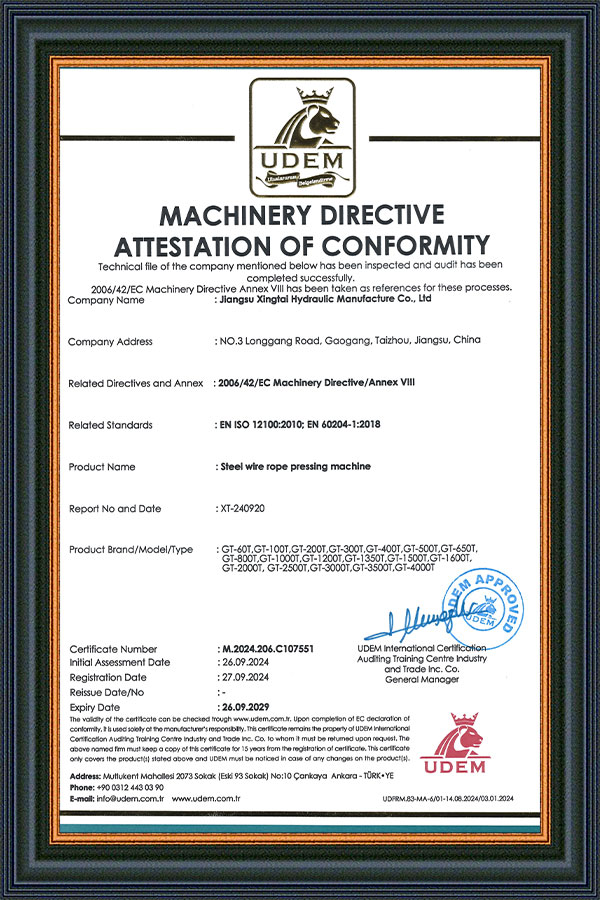
1. CE certificated 
2. Overall basket design, small size, high strength;
3. Press good shapes on wire rope slings;
4. Easy to operate;
5. Piston can be stopped any position;
6. Package: shrink wrap and iron box
7. Production capacity: 5-10 sets per month
8. Color: Gray, blue, or customize 
9. Video:

+ Contact us
  • Parameter
  • Other Descriptions
  • Contact
Technical Data
Mode No. GT-300
Max wire rope diameter (mm) Φ30
Power (KW) 2.2
Max working pressure (MPa) 56Mpa
Max piston movement (mm) 80
The up speed of the piston (mm/sec) 8
The down speed of the piston (mm/sec) 10
Total length (mm) 1200
Total width (mm) 600
Total height (mm) 1400
Automatic Control
Foot switch
Company
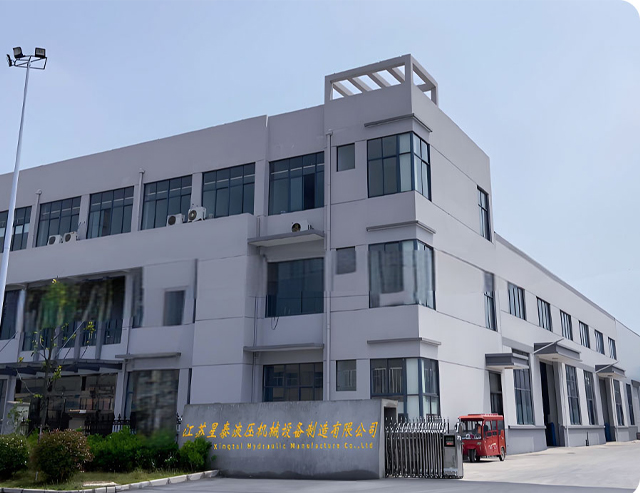
Jiangsu Xingtai Hydraulic Manufacturing Co., Ltd.
As Wire Rope Sling Pressing Machine Manufacturers and Wire Rope Sling Making Machine Company, Jiangsu Xingtai Hydraulic Manufacturing Co., Ltd. was founded in 1992 and is located in Taizhou City, Jiangsu Province, China. The company specializes in manufacturing hydraulic wire rope pressing machines, wire rope annealing and tapering machines, aluminum sleeves, and lifting clamps. Xingtai Hydraulic is equipped with advanced production facilities, strong technical capabilities, authoritative testing equipment, and a comprehensive quality management system.

The swaging components of Xingtai Hydraulic machines are forged from high-strength alloy steel. The machine body is manufactured from a single block of material, ensuring structural integrity and long service life. Our hydraulic systems utilize a dual-pressure pump oil supply system, which enables fast upward and downward movement while ensuring a smooth pressing process. This design significantly improves pressing quality and production efficiency.

Xingtai Hydraulic machines have been exported to numerous countries, including the UK, Australia, the Netherlands, Latvia, Malaysia, Thailand, India, Russia, Botswana, Poland, and others.

Guided by the philosophy of "high quality, competitive price, and lasting commitment," we strive to meet our customers' needs and provide them with the best service. We remain dedicated to serving both existing and new clients with the same level of excellence as we work together to build a successful future.
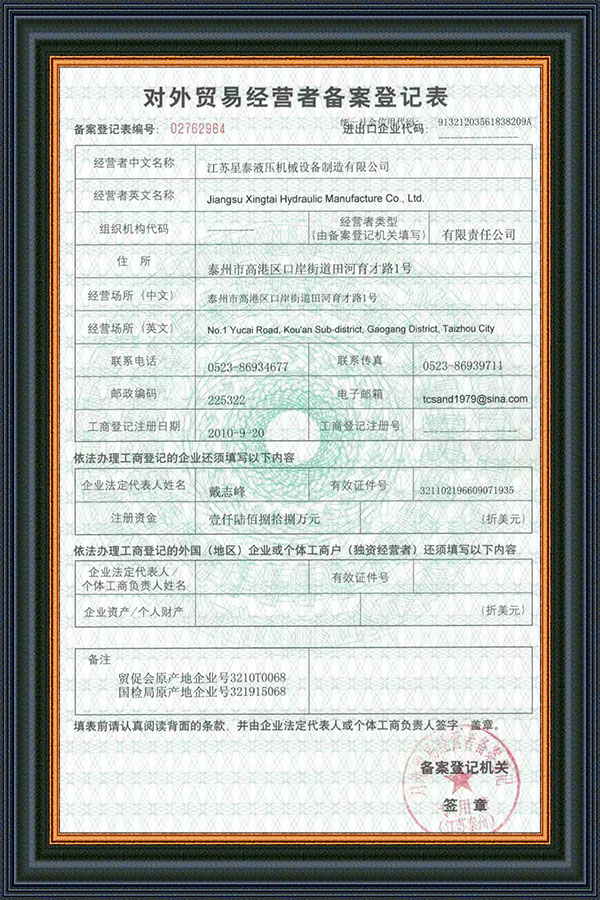
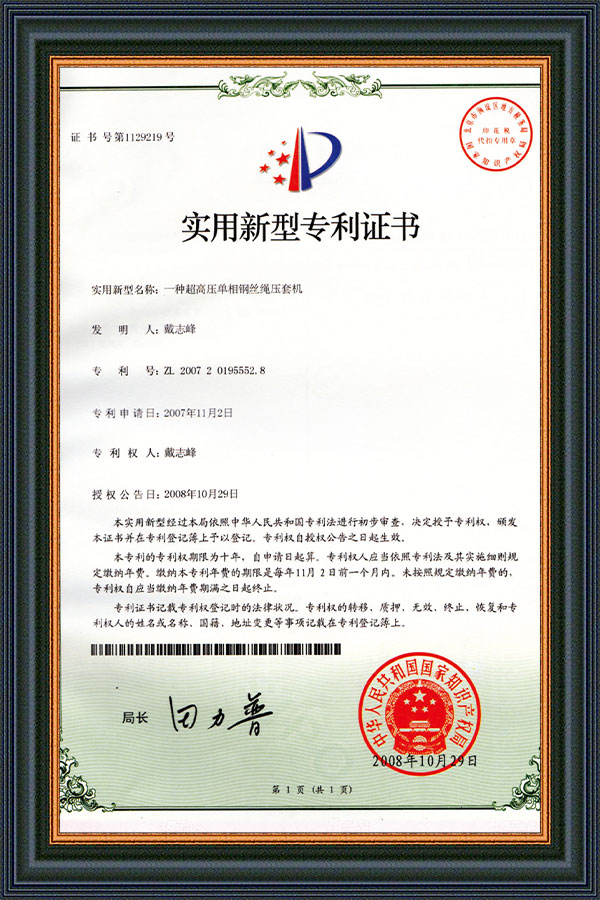
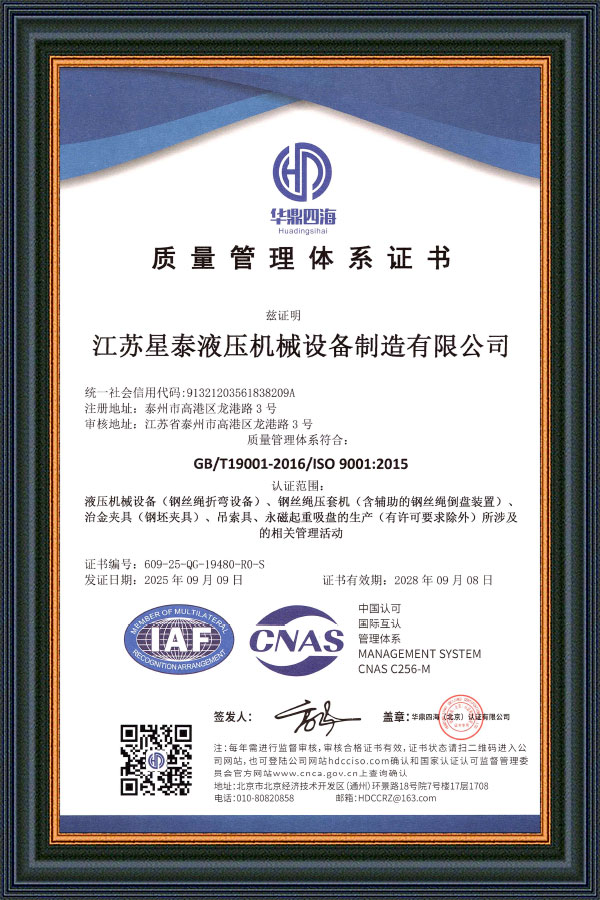
Certificate Of Honor
  • Certifications
  • Certifications
  • Certifications
  • Certifications
News
  • A wire rope sling making machine works by using controlled hydraulic force to permanently compress a metal ferrule (sleeve) around the looped end of a steel wire rope — a process known as swaging or crimping. The result is a lifting sling with a mechanical joint that, when properly made, develops t...

    READ MORE
  • Conclusion: Quality Lifting Wire Rope & Rigorous Maintenance Drastically Reduce Accidents Analysis of over 3,400 lifting operations confirms: using certified high-strength steel cables together with proper wire rope fittings and heavy-duty rigging gear lowers load-drop incidents by 62% to 78%. ...

    READ MORE
  • Before restarting the GT-60 Hydraulic Wire Rope Swage Press Machine (C Frame), operators must complete three critical pre-restart checks: (1) inspect the hydraulic oil level and verify there are no leaks, (2) confirm the swage dies are properly seated and fully closed without obstruction, and (3) e...

    READ MORE
Industry Knowledge

1. Pre-Operation Safety Checks for Wire Rope Sling Pressing Machines

Safe operation of a wire rope sling pressing machine starts with rigorous pre-use inspections, as 65% of press-related accidents (OSHA 2024 data) stem from unmaintained equipment or skipped checks. These steps ensure the machine is in compliance with ANSI B30.9 standards and ready for safe use:

(1) Critical Inspection Items

  • Check hydraulic fluid level (must be between 80-100% of the reservoir capacity) and quality—contaminated fluid causes 30% of pressure system failures.
  • Inspect crimp dies for wear: replace if wear exceeds 0.2mm (measured via caliper) to avoid uneven pressure and sling failure.
  • Test emergency stop button: ensure it triggers within 0.5 seconds and cuts all power to the press.
  • Verify guardrails and safety shields are intact—missing shields increase pinch hazard risk by 80%.
Pre-Operation Check Failure Rates (OSHA 2024) 0% 10% 20% 30% 40% Hydraulic Fluid Issues (35%) Worn Dies (25%) Faulty E-Stop (15%) Missing Shields (10%)

2. Step-by-Step Safe Operation Procedures

Following standardized operating procedures (SOPs) reduces accident risk by 90% (ANSI safety studies). Below is the industry-accepted workflow for operating a wire rope sling press:

  1. Wear PPE: Safety glasses (ANSI Z87.1 rated), cut-resistant gloves, and steel-toe boots—required by OSHA 1910.132 for press operation.
  2. Secure the wire rope sling: Position the ferrule/sleeve in the die center (tolerance ±0.5mm) and lock the workpiece to prevent slippage during pressing.
  3. Set pressure: Calibrate to the manufacturer’s specified pressure (e.g., 25 MPa for 20mm wire rope) – over-pressing reduces sling strength by 20%.
  4. Initiate pressing: Use two-hand control (required by OSHA) to start the cycle; stand clear of the die area (minimum 60cm safe distance).
  5. Post-press inspection: Measure crimp diameter (must be 60-70% of original ferrule size) and check for cracks or deformities before removing the sling.
Accident Rate by Operation Violation (per 1000 Cycles) 0 5 10 15 20 No Two-Hand Control 20 No PPE 18 Incorrect Pressure 15 Unsecured Sling 12

3. Post-Operation & Maintenance Safety

Maintenance Task Frequency Safety Purpose Risk of Skipping
Hydraulic Oil Change Every 500 Operating Hours Prevent pressure system failure 40% higher accident risk
Die Inspection Every 200 Cycles Ensure uniform crimp pressure Sling failure (load drop risk)
Emergency Stop Test Daily (Before Use) Guarantee rapid shutdown Severe injury (pinch/crush)
Machine Cleaning After Each Shift Prevent debris-related jams 15% higher jam/breakdown risk

4. Frequently Asked Questions

Q1: Can untrained personnel operate a wire rope sling press?

A: No. OSHA requires certified training (minimum 16 hours of hands-on and classroom learning) for press operators. Untrained operation leads to a 75% higher accident rate and non-compliant slings that fail under load.

Q2: What is the safe working load (SWL) for a pressed sling?

A: The SWL is determined by the wire rope grade (e.g., 6x19 IWRC rope has SWL = 8 tonnes for 20mm diameter) and proper crimping (95% strength retention). Never exceed SWL—overloading causes 45% of sling failures.

Q3: How to handle a press jam safely?

A: First, cut all power (electrical/hydraulic) and lockout/tagout (LOTO) the machine (per OSHA 1910.147). Do not use force to free the jam—use manufacturer-approved tools (e.g., hydraulic release valve) or contact a certified technician.

Q4: What environmental safety measures apply?

A: Operate the press in a well-ventilated area (hydraulic fluid fumes are harmful) with a slip-resistant floor (coefficient of friction ≥0.8). Dispose of used hydraulic oil per EPA regulations—illegal disposal carries fines up to $25,000 in the U.S.