 English
 русский
 Français
 Español
 Português
 Deutsch
 عربى
عربى Türk
Türk
Content
- 1 Three Mandatory Checks Before Restarting the GT-60 Swage Press
- 2 How to Use a Wire Rope Swaging Machine Correctly
- 3 C Frame vs O Frame Swaging Machine — Which Is Right for You?
- 4 Manual vs Hydraulic Wire Rope Crimper — Performance Data
- 5 Swage Die Sizing Guide for Common Wire Rope Diameters
- 6 Common Hydraulic Swage Press Problems and Field Solutions
- 7 Performance Benchmarks: GT-60 Key Technical Parameters
- 8 About Jiangsu Xingtai Hydraulic Manufacturing Co., Ltd.
- 9 Frequently Asked Questions
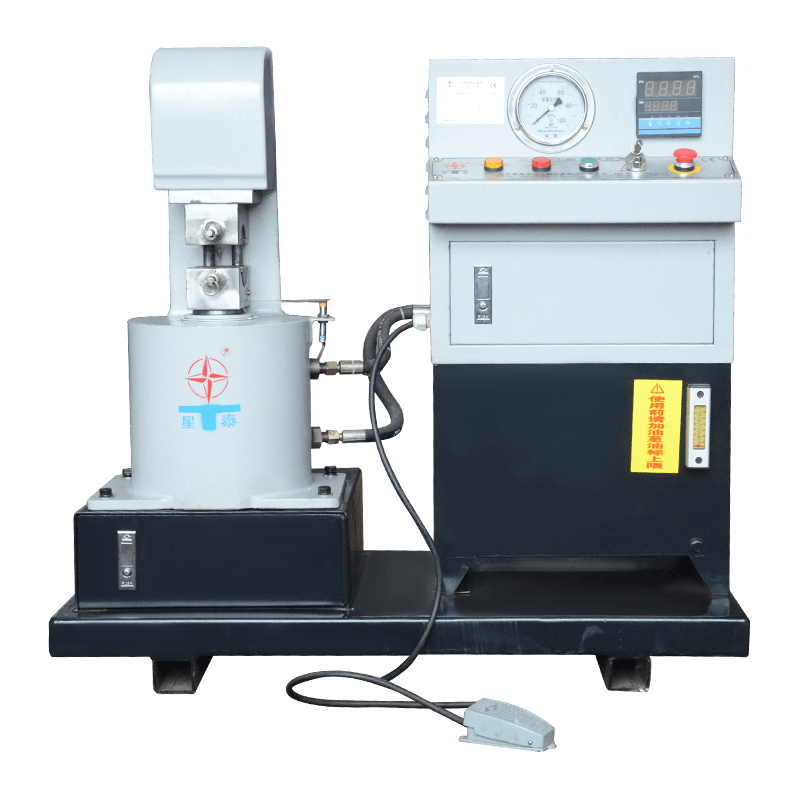
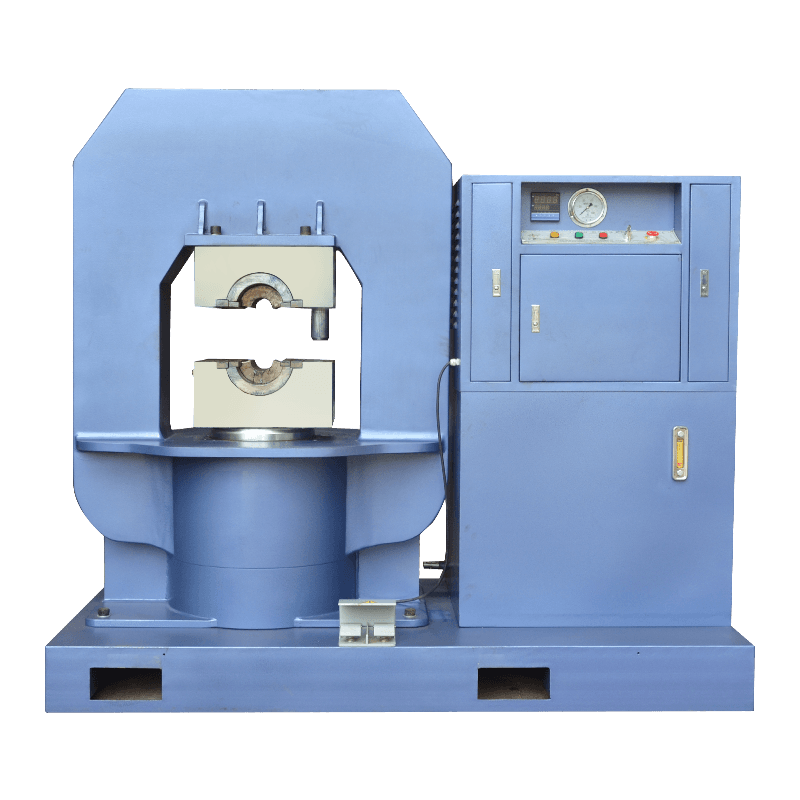
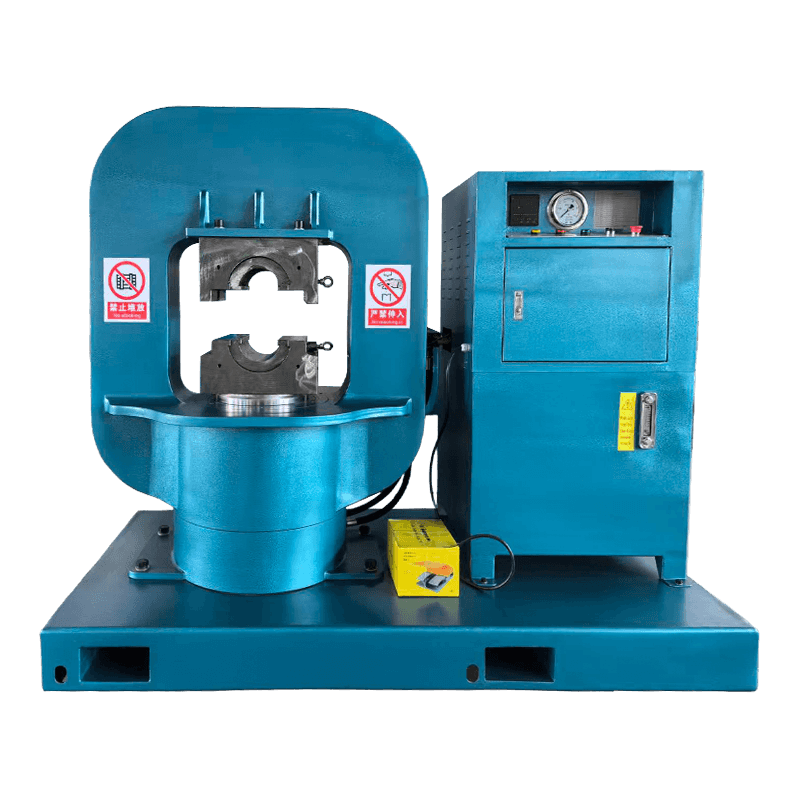
Before restarting the GT-60 Hydraulic Wire Rope Swage Press Machine (C Frame), operators must complete three critical pre-restart checks: (1) inspect the hydraulic oil level and verify there are no leaks, (2) confirm the swage dies are properly seated and fully closed without obstruction, and (3) ensure all safety guards are in place and the pressure relief valve is set to the correct rated value. These checks prevent equipment damage, avoid oil leaks, and protect operator safety.
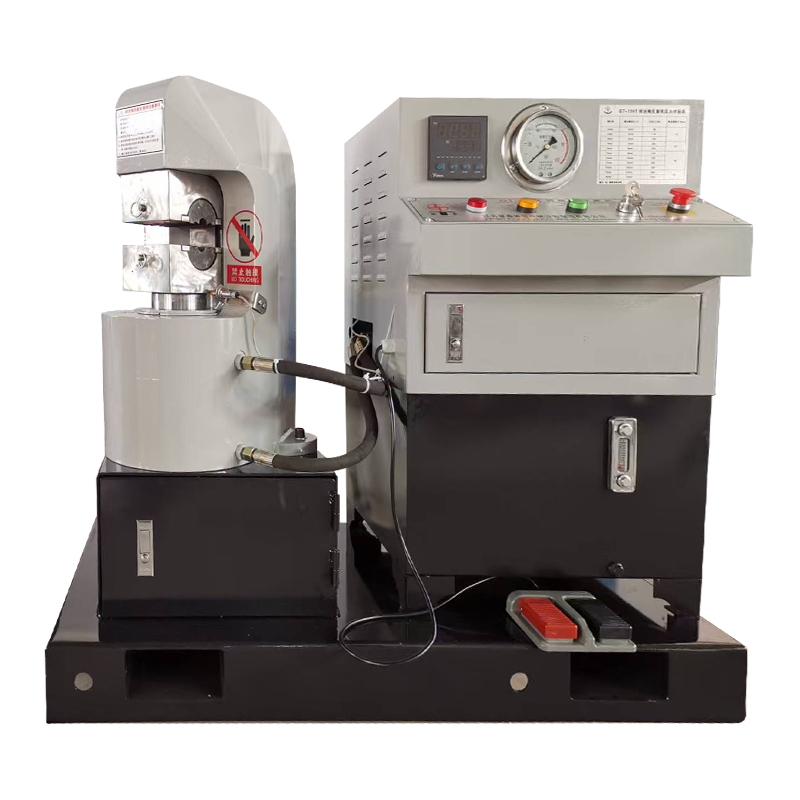
The GT-60 C frame swage press is a professional-grade wire rope crimping machine widely used in rigging, lifting sling production, and marine hardware manufacturing. Understanding its pre-operation protocol is essential for consistent crimping quality and long machine service life.
Three Mandatory Checks Before Restarting the GT-60 Swage Press
Check 1 — Hydraulic System Integrity
Inspect the hydraulic oil tank sight glass; the oil level should be between the minimum and maximum marks. If a wire rope crimping machine leaking oil fix was recently performed, verify all fittings and hose connections are retightened to spec (typically 25–35 Nm for standard BSP fittings). Look under the cylinder and around the pump housing for any residual seepage. A hydraulic swage press not building pressure is most commonly traced to low oil or an air-locked pump — both identified during this check.
Check 2 — Die Alignment and Closure
Confirm the swage dies are the correct size for the ferrule or sleeve being processed. A common field problem is swaging machine dies not closing fully, which results in an undersized crimp and potential sling failure. Visually inspect the die faces for chips, cracks, or embedded debris. Dies forged from high-strength alloy steel, like those used in Xingtai Hydraulic machines, resist wear but must still be checked for foreign material after any unplanned shutdown.
Check 3 — Pressure Relief Valve Setting and Safety Guards
Verify the system pressure relief valve is set to the machine's rated operating pressure (the GT-60 is designed for a specific maximum tonnage — consult the machine data plate). An incorrectly set relief valve can cause over-pressure events or prevent the ram from reaching full stroke. Ensure the front safety guard and any hand-protection shields are secured before energizing the pump motor.
Estimated Time per Pre-Restart Check (minutes)
Total pre-restart inspection: approximately 16 minutes
How to Use a Wire Rope Swaging Machine Correctly
Knowing how to use a wire rope swaging machine correctly reduces scrap, extends die life, and improves crimp quality. The basic workflow for a C frame hydraulic press such as the GT-60 is as follows:
- Select the correct die set for the ferrule diameter and wire rope size. For example, when working with 1/4 inch (6 mm) cable, refer to the swage die sizing chart to determine the appropriate die — what size swage die for 1/4 inch cable depends on ferrule OD after swaging, typically 7.9–8.2 mm.
- Thread the wire rope through the ferrule or aluminum sleeve, leaving the correct dead-end tail length per your sling specification.
- Position the assembly in the open die cavity. Ensure the sleeve is centered and vertical in the C frame throat.
- Activate the hydraulic pump. The dual-pressure pump system will advance rapidly under low pressure until die contact, then switch to high-pressure for the final crimp stroke.
- Hold at full pressure for 2–3 seconds, then release and retract the ram. Inspect the crimped sleeve with a go/no-go gauge.
- Record the die set used, press tonnage, and batch number for traceability.
Swaging Process Flow
C Frame vs O Frame Swaging Machine — Which Is Right for You?
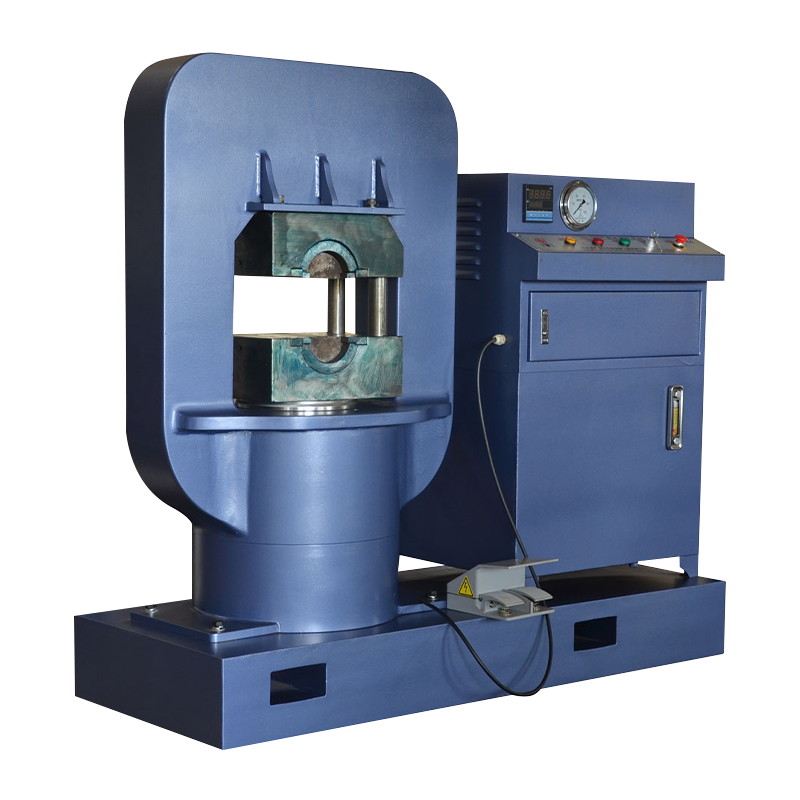
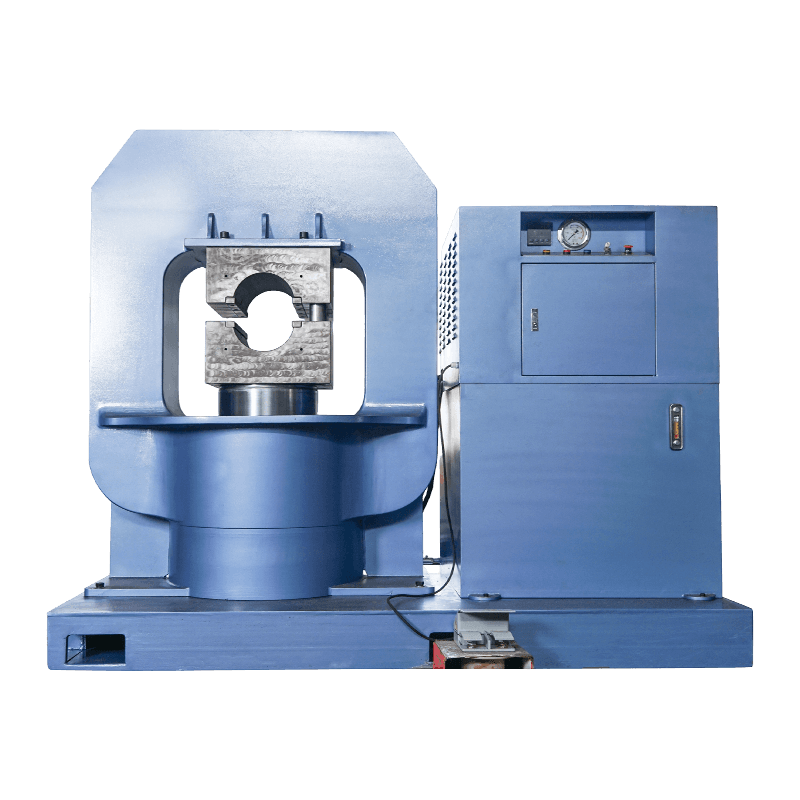
The C frame vs O frame swaging machine debate is one of the most common questions buyers face. Each configuration has distinct structural and operational advantages depending on production volume, wire rope diameter, and workspace constraints.
| Feature | C Frame (GT-60) | O Frame |
|---|---|---|
| Throat Accessibility | Open — easy long rope handling | Enclosed — limited access |
| Frame Rigidity | Moderate — single-block body reduces deflection | High — closed loop structure |
| Typical Max Tonnage | 60–300 ton range | 100–630 ton range |
| Best For | Sling production, rigging shops | Heavy industrial, large-diameter rope |
| Footprint | Compact | Larger |
For wire rope sling crimping machine industrial applications where long slings must pass freely through the machine throat, the C frame design is generally preferred. The open throat allows a 4 m or 6 m sling to be fed in without doubling or coiling.
Manual vs Hydraulic Wire Rope Crimper — Performance Data
For buyers comparing manual vs hydraulic wire rope crimper options, the performance gap becomes clear when examining crimp force, production speed, and operator fatigue. A manual bench crimper typically delivers 2–5 tons of force, sufficient for small-diameter cables up to 6 mm. A hydraulic press such as the GT-60 delivers 60 tons, enabling consistent crimping of wire rope from 6 mm up to 40+ mm depending on die configuration.
Crimp Force Comparison (tons)
Approximate maximum crimp force by machine type
In a production environment crimping 200 slings per shift, a hydraulic press completes each crimp in approximately 8–12 seconds (ram advance, dwell, retract), versus 45–90 seconds for a manual ratchet tool. Over an 8-hour shift, this translates to roughly 2,400 crimps hydraulically vs 320–640 manually — a 4× to 7× productivity advantage.
Swage Die Sizing Guide for Common Wire Rope Diameters
Selecting the correct die is critical to achieving a proper crimp. Asking what size swage die for 1/4 inch cable is one of the most frequent questions from new operators. The answer depends on the ferrule or sleeve type, but standard Flemish eye and thimble-eye sling production follows published swaging charts. Below is a reference table for common wire rope and ferrule pairings:
| Wire Rope Dia. | Ferrule OD (Before) | Target Swaged OD | Recommended Die |
|---|---|---|---|
| 1/8 in (3 mm) | 5.5 mm | 4.5 mm | 4.5 mm die |
| 1/4 in (6 mm) | 9.5 mm | 7.9–8.2 mm | 8 mm die |
| 3/8 in (10 mm) | 14.5 mm | 12.5 mm | 12.5 mm die |
| 1/2 in (13 mm) | 19 mm | 16 mm | 16 mm die |
| 3/4 in (20 mm) | 28 mm | 24 mm | 24 mm die |
Always cross-reference against the specific ferrule manufacturer's swaging chart. Die sizing can vary by ± 0.2 mm depending on sleeve alloy hardness.
Common Hydraulic Swage Press Problems and Field Solutions
Hydraulic Swage Press Not Building Pressure
When a hydraulic swage press not building pressure condition occurs, the root cause is usually one of four issues:
- Low hydraulic oil — refill to max mark and bleed any trapped air by cycling the ram three times with no load.
- Faulty relief valve — relief valve set too low or stuck open; adjust or replace.
- Worn pump internal components — check pump outlet pressure with a test gauge; less than 80% of rated output indicates pump wear.
- Blocked filter — a clogged suction strainer restricts flow; clean or replace every 500 operating hours.
Wire Rope Crimping Machine Leaking Oil — Fix Procedure
For a wire rope crimping machine leaking oil fix, first identify whether the leak is static (fittings, plugs) or dynamic (cylinder seals, pump shaft). Static leaks are resolved with thread sealant and retorquing. Dynamic cylinder rod seal leaks require ram retraction, seal kit replacement, and cylinder bore inspection for scoring. Always use the OEM seal kit specification — using undersized or incorrect durometer seals on a 60-ton cylinder will result in rapid re-failure.
Swaging Machine Dies Not Closing Fully
Swaging machine dies not closing fully is typically caused by: oversized ferrule (wrong sleeve selected), die wear beyond tolerance, or insufficient hydraulic pressure reaching the ram. Measure the die bore at full stroke using a go-gauge. If die wear exceeds 0.3 mm beyond nominal, replace the die set. Confirm the machine is reaching full rated pressure before condemning the dies.
Recommended Maintenance Frequency by Task (Operating Hours)
Each marker indicates the recommended service interval for that task
Performance Benchmarks: GT-60 Key Technical Parameters
The following radar chart illustrates how the GT-60 C frame hydraulic swage press performs across five key evaluation dimensions relevant to industrial wire rope sling production.
GT-60 performance evaluation across five key dimensions (0–10 scale, higher is better)
The GT-60 scores particularly high in force capacity and throughput thanks to Xingtai's dual-pressure pump oil supply system, which enables fast advance under low pressure followed by a smooth high-pressure crimp stroke. This design is a differentiating factor in pressing quality compared with single-stage pump systems.
About Jiangsu Xingtai Hydraulic Manufacturing Co., Ltd.
Jiangsu Xingtai Hydraulic Manufacturing Co., Ltd. was founded in 1992 and is located in Taizhou City, Jiangsu Province, China. The company specializes in manufacturing hydraulic wire rope pressing machines, wire rope annealing and tapering machines, aluminum sleeves, and lifting clamps. Xingtai Hydraulic is equipped with advanced production facilities, strong technical capabilities, authoritative testing equipment, and a comprehensive quality management system.
The swaging components of Xingtai Hydraulic machines are forged from high-strength alloy steel. The machine body is manufactured from a single block of material, ensuring structural integrity and long service life. The hydraulic systems utilize a dual-pressure pump oil supply system, which enables fast upward and downward movement while ensuring a smooth pressing process — significantly improving pressing quality and production efficiency.
Xingtai Hydraulic machines have been exported to numerous countries, including the UK, Australia, the Netherlands, Latvia, Malaysia, Thailand, India, Russia, Botswana, Poland, and others. Guided by the philosophy of "high quality, competitive price, and lasting commitment," Xingtai strives to meet customers' needs with consistent service excellence for both existing and new clients.
Xingtai Export Presence by Region
Xingtai machines exported to 10+ countries across 3+ global regions
Frequently Asked Questions
Q1: What are the three checks required before restarting the GT-60 C Frame swage press?
A: Check hydraulic oil level and verify no leaks; confirm swage dies are correctly seated and free of obstruction; ensure the pressure relief valve is set correctly and all safety guards are secured before energizing the motor.
Q2: Why is my hydraulic swage press not building pressure?
A: The most common causes are low hydraulic oil, a misadjusted or faulty relief valve, a clogged suction filter, or internal pump wear. Perform an oil level check first, then test system pressure with a gauge to isolate the fault.
Q3: What size swage die should I use for 1/4 inch (6 mm) wire rope?
A: For standard 1/4 inch cable with a common ferrule, an 8 mm die is typically correct, achieving a swaged OD of approximately 7.9–8.2 mm. Always verify against your specific ferrule manufacturer's swaging chart before production.
Q4: What causes swaging machine dies not to close fully?
A: The main causes are an oversized or incorrect ferrule, worn dies beyond replacement tolerance, or insufficient hydraulic pressure at the ram. Check ferrule selection first, then measure die bore at full stroke and verify system pressure.
Q5: How do I fix oil leaks on a wire rope crimping machine?
A: First, identify whether the leak is static (fittings) or dynamic (cylinder rod seals). Static leaks are resolved by retorquing fittings with thread sealant. Dynamic leaks require ram retraction, seal kit replacement using OEM specifications, and bore inspection for scoring.
Q6: Is a C frame or O frame swaging machine better for sling production?
A: For sling production where long wire rope assemblies need to pass through the machine throat, a C frame design is generally preferred due to its open-access throat. O frame presses offer higher structural rigidity and are suited for very large diameter rope applications.
Q7: How often should the hydraulic oil filter be cleaned on a swage press?
A: The suction strainer and return line filter should be cleaned or replaced approximately every 500 operating hours, or sooner if pressure drop across the filter is observed. Regular filter maintenance is one of the most effective ways to prevent pump damage and pressure loss.

If you require custom hydraulic equipment or technical consultation, please feel free to contact the Xingtai Sales and Engineering Team.
-
 +86-523-86934677
+86-15896002505 -
 [email protected]
-
 +86-15896002505
-
 No. 3 Longgang Road, Gaogang Port Street, Taizhou City, China.
Copyright © Jiangsu Xingtai Hydraulic Manufacturing Co., Ltd. All Rights Reserved. Custom hydraulic machinery manufacturers Wholesale wire rope swagers Factory

