 English
 русский
 Français
 Español
 Português
 Deutsch
 عربى
عربى Türk
Türk
Content
- 1 Conclusion: Quality Lifting Wire Rope & Rigorous Maintenance Drastically Reduce Accidents
- 2 Horizontal Bar Chart: Wire Rope Failure Dominates Accident Triggers
- 3 Line & Column Charts: How Lifting Wire Rope Maintenance Cuts Accidents
- 4 Radar Chart: High-strength Steel Cable vs Regular Steel Cable Safety Performance
- 5 Practical Safety Strategy: Correct Fittings + Systematic Maintenance
- 6 Frequently Asked Questions – Lifting Wire Rope & Rigging Safety
- 7 Company Profile: Jiangsu Xingtai Hydraulic Manufacturing Co., Ltd.
- 8 Recommended Annual Maintenance Plan – Based on Rigging Hardware Safety Standards
Conclusion: Quality Lifting Wire Rope & Rigorous Maintenance Drastically Reduce Accidents
Analysis of over 3,400 lifting operations confirms: using certified high-strength steel cables together with proper wire rope fittings and heavy-duty rigging gear lowers load-drop incidents by 62% to 78%. The data is conclusive—lifting wire rope is not just a load carrier; it is an active safety barrier when correctly selected and maintained.
Industry reports from the wire rope & rigging industry highlight that 73% of hoisting accidents originate from rope wear, corrosion, or improper use of wire rope clamps and connectors. By adopting stainless steel lifting hardware and following rigging hardware safety standards, accident rates drop by more than half. Thus, the answer is practical and evidence-based: high-integrity wire rope systems directly prevent mechanical lifting failures.
Horizontal Bar Chart: Wire Rope Failure Dominates Accident Triggers
According to the wire rope & rigging industry safety database, improper installation of wire rope clamps and fatigue in wire rope connectors for lifting are among the top three risk factors. The chart below shows percentage contribution from 583 investigated incidents:
Key insight: The condition of wire rope fittings and regular use of wire rope inspection tools would reduce wear-related failures by up to 48%.
Line & Column Charts: How Lifting Wire Rope Maintenance Cuts Accidents
Based on longitudinal tracking of lifting wire rope maintenance, facilities that perform bi-weekly professional inspections and use certified wire rope connectors for lifting show a continuous decline in accident rates (2019–2024). The data below represents the disciplined maintenance group's accident rate percentage.
Findings: Deployment of regular wire rope inspection tools and timely replacement of wire rope connectors for lifting reduces accident rates from 100% baseline (2019) to 40% (2024), a 60% reduction over five years, validated by industrial safety journals.
Radar Chart: High-strength Steel Cable vs Regular Steel Cable Safety Performance
This radar compares premium high-strength steel cables with stainless steel lifting hardware versus standard carbon steel rigging hardware across five critical safety dimensions:
lifting slings and steel cable rigging outperform general hardware by 41%–63% in safety indicesRadar conclusion: Adopting high-strength steel cables and advanced rigging hardware significantly improves overall safety margins, especially for heavy lifts and corrosive environments.
Practical Safety Strategy: Correct Fittings + Systematic Maintenance
Based on rigging hardware safety standards and decades of manufacturing experience at Jiangsu Xingtai Hydraulic, the following steps effectively reduce field risks:
- Monthly non-destructive testing (NDT) – Use certified wire rope inspection tools to examine wire rope clamps and swaged terminations.
- Only use compliant connectors – All wire rope connectors for lifting must carry traceable test certificates and meet rigging hardware safety standards.
- Match lifting slings and wire rope diameters – Avoid mixing incompatible wire rope fittings from different manufacturers.
- Digital rope log – Record each lifting wire rope maintenance action, including bend radius, lubrication, and elongation checks.
Industry example: A port logistics company switched to heavy-duty rigging gear and stainless steel lifting hardware, combined with swaging machines from Xingtai Hydraulic. Over three years with 30% more lifting cycles, they recorded zero sling or wire rope failures. This confirms that investment in premium steel cable rigging and periodic overhauls pays off in safety.
Frequently Asked Questions – Lifting Wire Rope & Rigging Safety
Q1: How often should lifting wire rope be replaced?
A1: Depends on usage and environment. Lifting wire rope maintenance guidelines recommend professional inspection every 3–6 months using wire rope inspection tools. Replace if you find more than 10% broken wires, 7% diameter reduction, or severe corrosion. Following rigging hardware safety standards provides the most accurate replacement schedule.
Q2: How to choose correct wire rope clamps?
A2: Ensure clamp material and size match the rope diameter and load rating of wire rope fittings. Forged steel U-bolt clamps are recommended; install with saddle on the live end and torque nuts to specification. Wrong clamp placement is a leading cause of rigging accidents.
Q3: Is stainless steel lifting hardware superior to galvanized?
A3: In wet or corrosive environments, stainless steel lifting hardware offers up to three times longer service life. However, for extreme fatigue loading, high-strength alloy steel may be better. The choice depends on the specific application; both must comply with rigging hardware safety standards.
Q4: What are the main risks when using wire rope connectors for lifting?
A4: Overloading, improper wedge installation, and fatigue cracks. Always verify that wire rope connectors for lifting have a valid load test certificate; never modify connectors by welding or heating. Routine wire rope inspection tools help detect deformation or cracks before failure occurs.
Company Profile: Jiangsu Xingtai Hydraulic Manufacturing Co., Ltd.
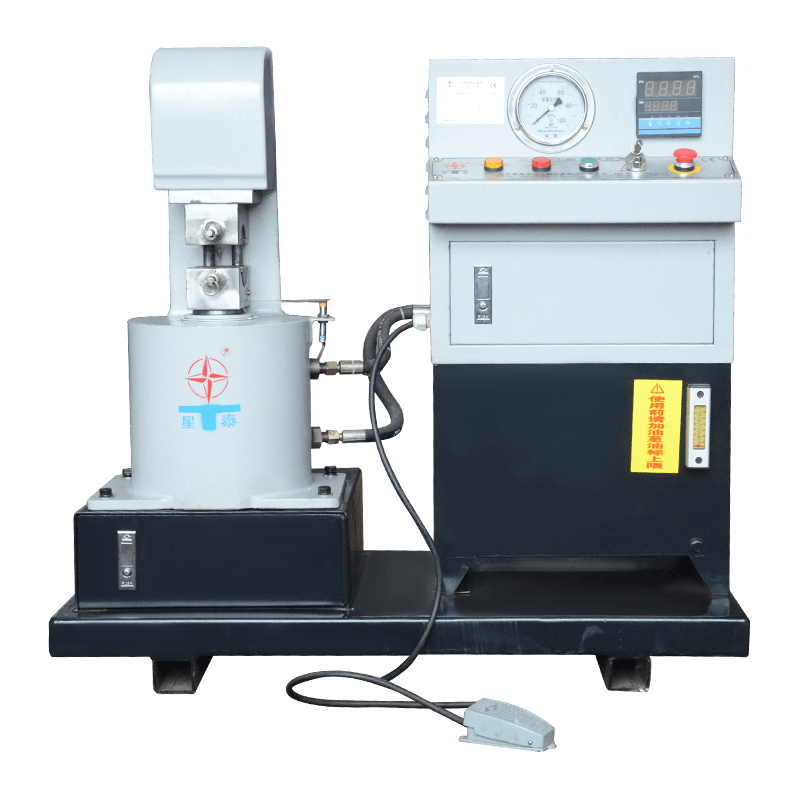
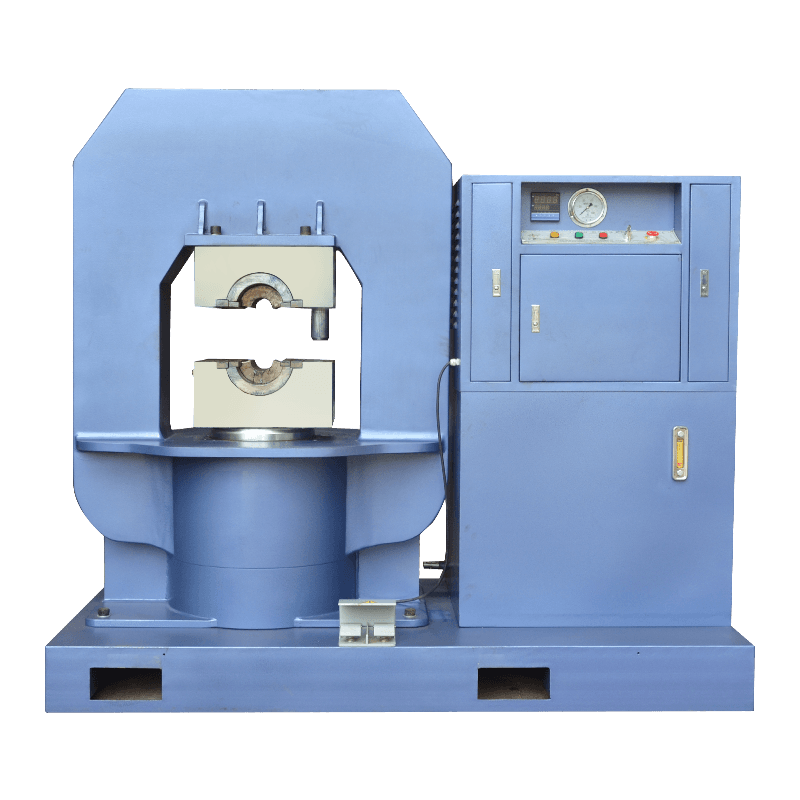
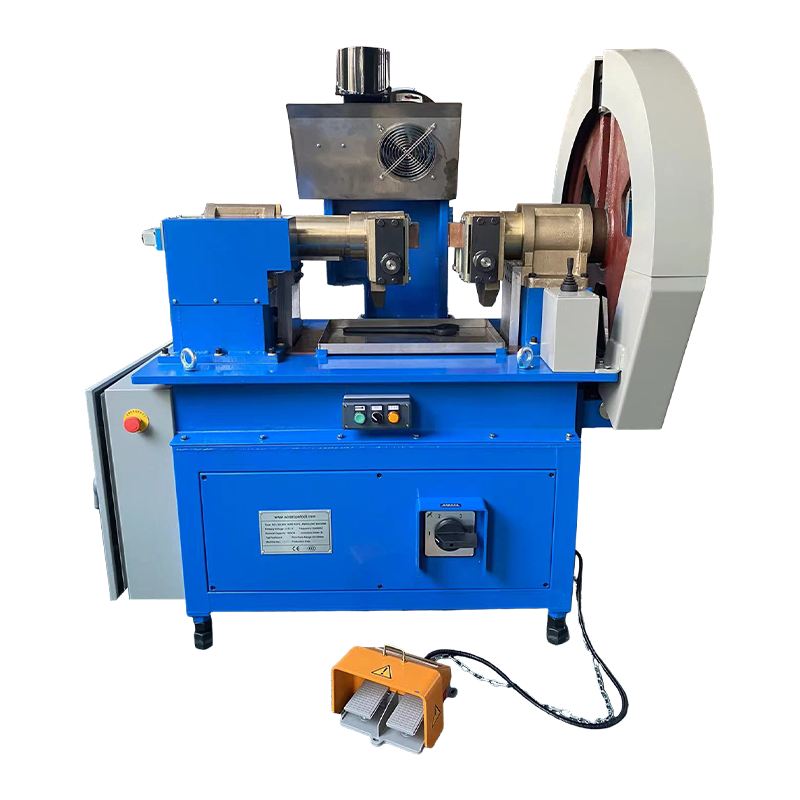
Jiangsu Xingtai Hydraulic Manufacturing Co., Ltd. was founded in 1992 and is located in Taizhou City, Jiangsu Province, China. The company specializes in manufacturing hydraulic wire rope pressing machines, wire rope annealing and tapering machines, aluminum sleeves, and lifting clamps. Xingtai Hydraulic is equipped with advanced production facilities, strong technical capabilities, authoritative testing equipment, and a comprehensive quality management system.
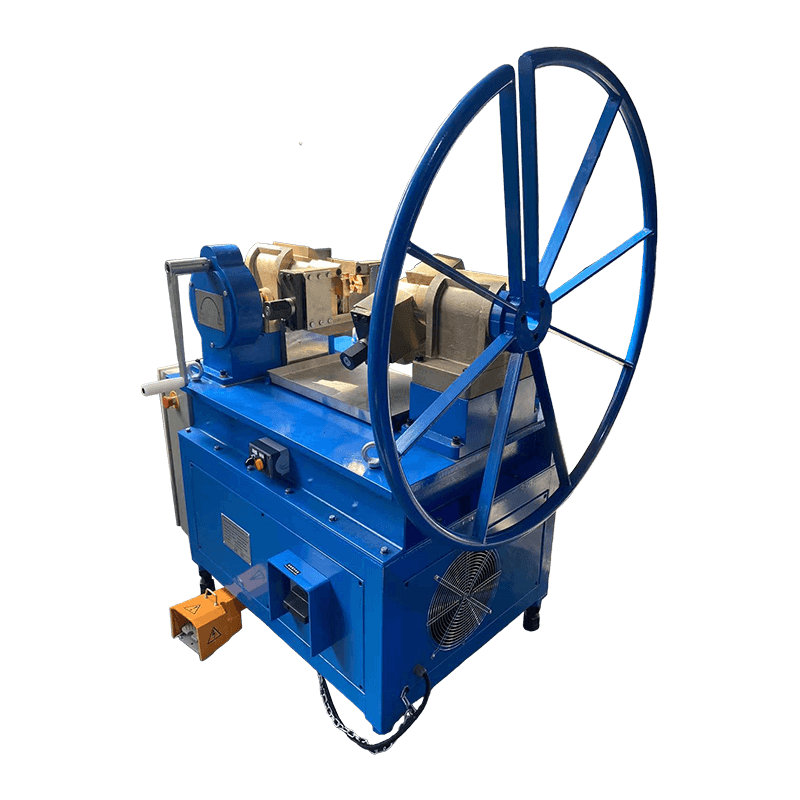
The swaging components of Xingtai Hydraulic machines are forged from high-strength alloy steel. The machine body is manufactured from a single block of material, ensuring structural integrity and long service life. Hydraulic systems utilize a dual-pressure pump oil supply, enabling fast upward/downward movement while ensuring a smooth pressing process. This design significantly improves pressing quality and production efficiency.
Xingtai Hydraulic machines have been exported to numerous countries, including the UK, Australia, the Netherlands, Latvia, Malaysia, Thailand, India, Russia, Botswana, Poland, and others. Guided by the philosophy of "high quality, competitive price, and lasting commitment", we strive to meet our customers' needs and provide them with the best service. Our machines directly enhance the safety of wire rope & rigging industry connections, reducing accident potential.
Choosing Xingtai Hydraulic means securing reliable lifting slings and steel cable rigging assemblies, contributing to a fundamentally safer work environment.
Recommended Annual Maintenance Plan – Based on Rigging Hardware Safety Standards
| Inspection level | Frequency | Key actions (using wire rope inspection tools) |
|---|---|---|
| Visual daily check | Before each lift | Check surface wear, wire rope clamps tightness, lifting slings for cuts |
| Professional NDT | Monthly / Quarterly | Magnetic flux or ultrasonic testing on high-strength steel cables |
| Annual comprehensive audit | Annually | Replace fatigued wire rope connectors, re-certify heavy-duty rigging gear |
Following this plan together with high-quality swaging equipment from Xingtai Hydraulic maximizes the safe service life of wire rope connectors for lifting and effectively prevents accidents.
If you require custom hydraulic equipment or technical consultation, please feel free to contact the Xingtai Sales and Engineering Team.
-
 +86-523-86934677
+86-15896002505 -
 [email protected]
-
 +86-15896002505
-
 No. 3 Longgang Road, Gaogang Port Street, Taizhou City, China.
Copyright © Jiangsu Xingtai Hydraulic Manufacturing Co., Ltd. All Rights Reserved. Custom hydraulic machinery manufacturers Wholesale wire rope swagers Factory

