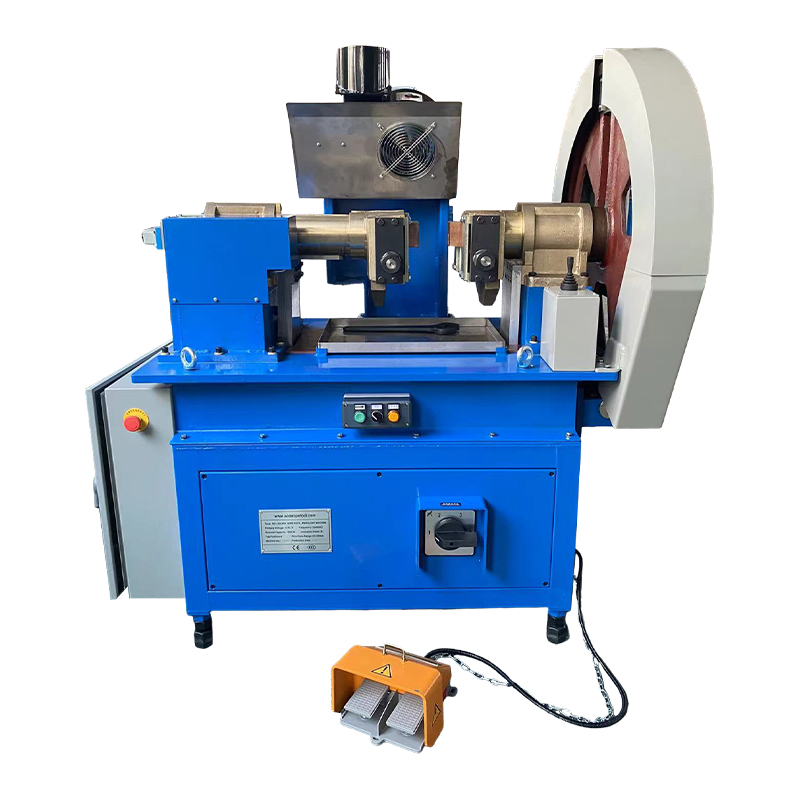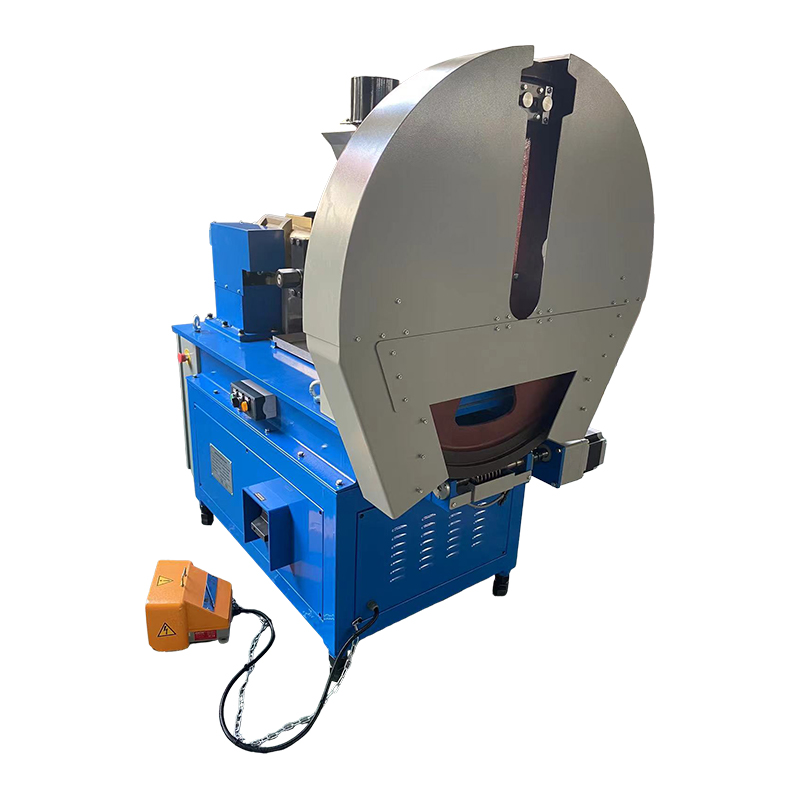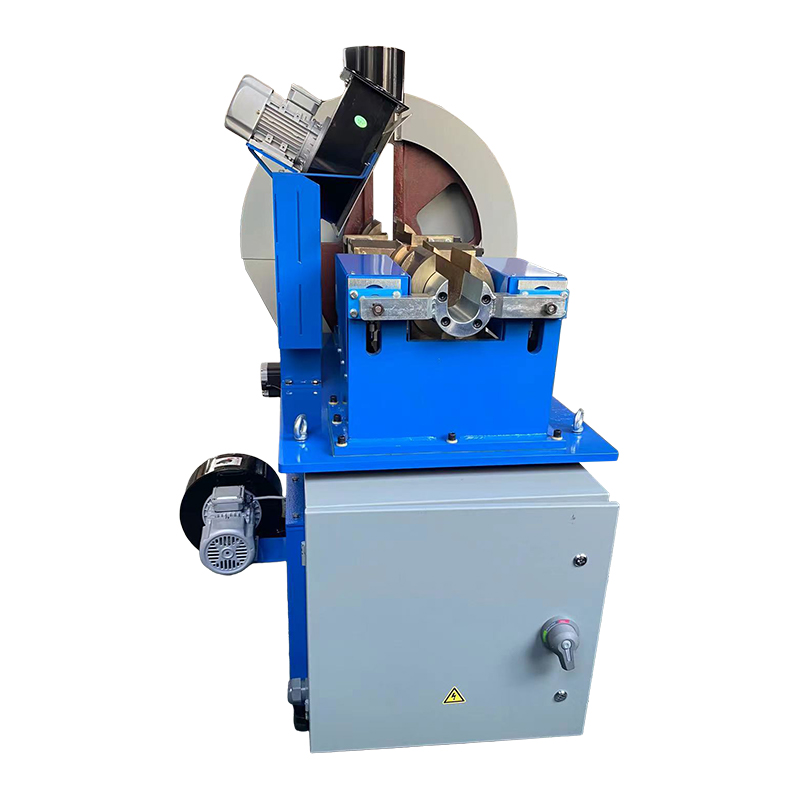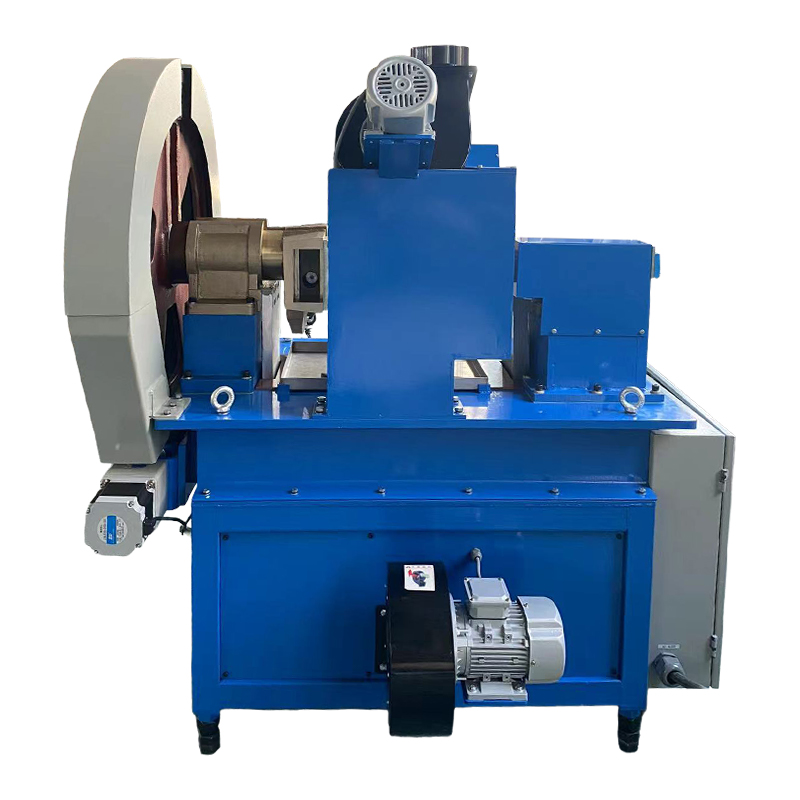
RDQ-1013 Wire Rope Fusing and Tapering Machine Wholesale
Home / Products / Wire Rope Annealing Machine / RDQ-1013 Wire Rope Fusing and Tapering Machine

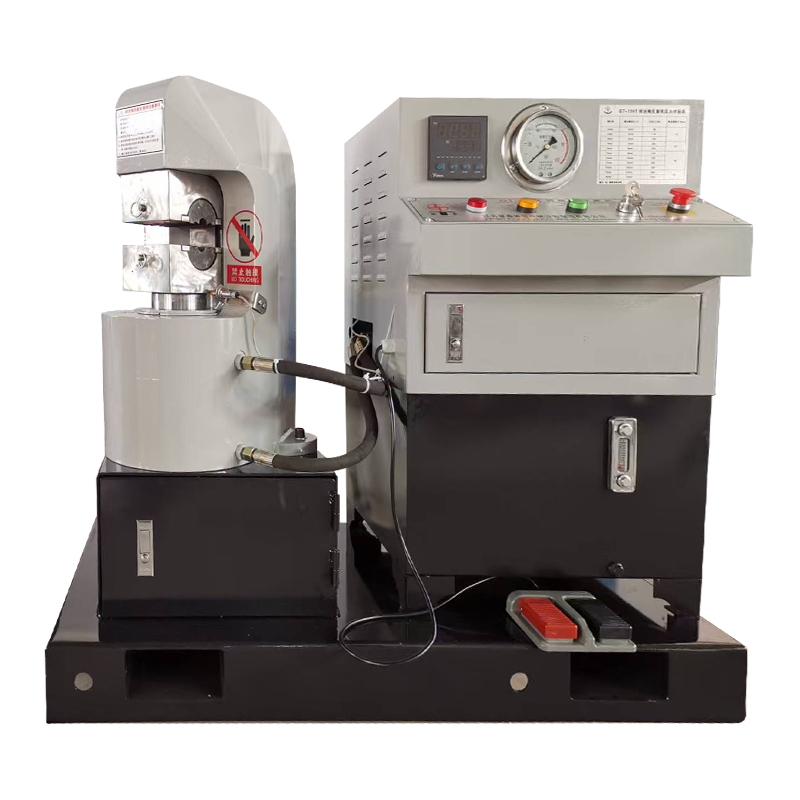
RDQ-1013 Wire Rope Fusing and Tapering Machine

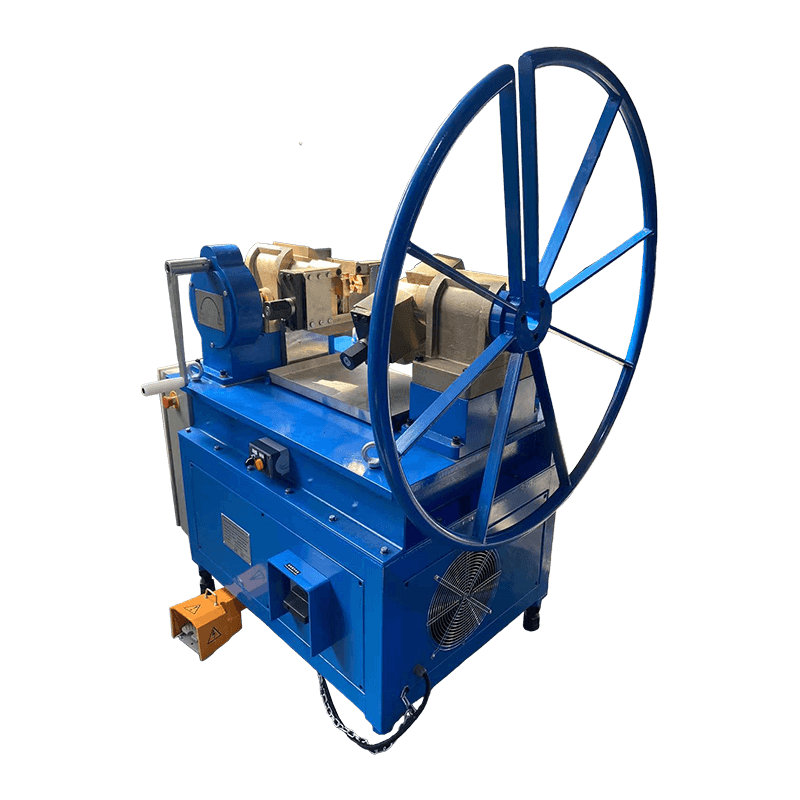
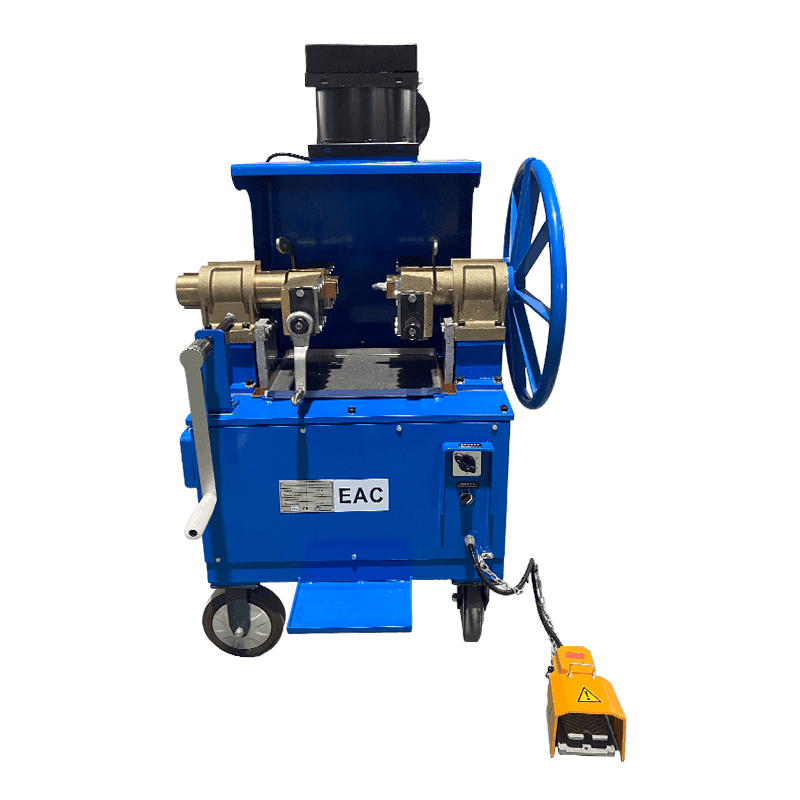
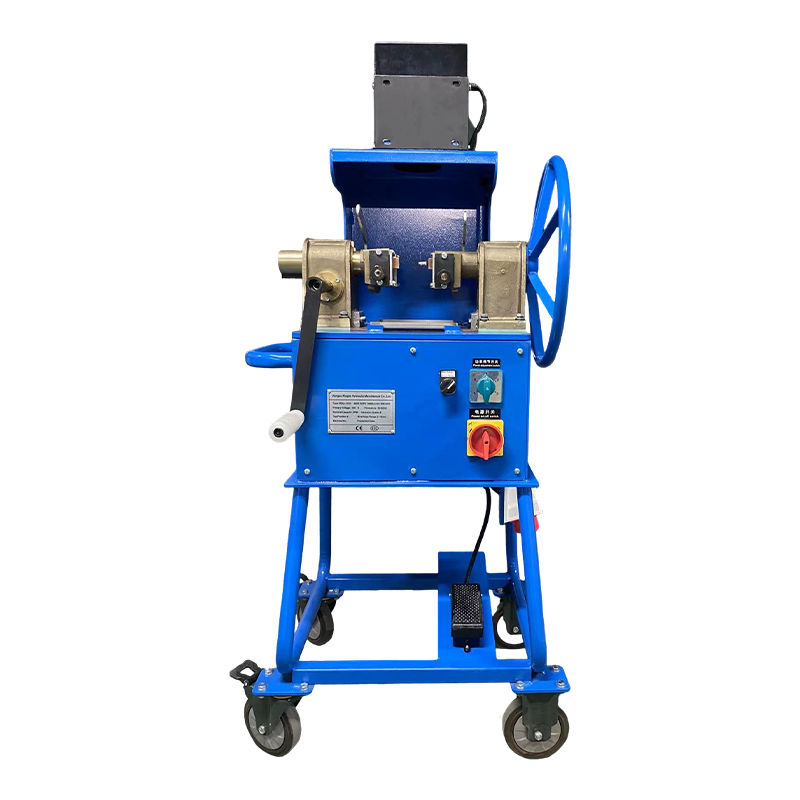
RDQ series steel wire rope cutting and tapering machines, with high melting speed and easy to operate, are applicable for melting steel ropes of various dimensions, especially elevator ropes, min ropes, crane cables, and other high-quality steel ropes. The steel ropes melted are neat and smooth with conical and spiral ends. These machines are mainly applied by steel rope manufacturers and customers. (e.g. Port, jetty, elevator maker etc.)


Product Features:
1. Cleverish in shape and convenient to move.
2. With a wide range in melting diameter, the steel ropes can be melted without replacing any parts within the range of prescribed diameter.
3. Easy to operate, no spanner is needed for the tightening device, and the welding head is nice in appearance.
4. Low working power, energy saving, and safe in use.

+ Contact us
  • Parameter
  • Other Descriptions
  • Contact
Technical Data
Mode No. RDQ-1013
Rated Power (KW) 100KW
Burn out Range 20-60mm
Dimensions(mm) 850kg
Weight 1500x1250x1750
Delivery 45 days
Company
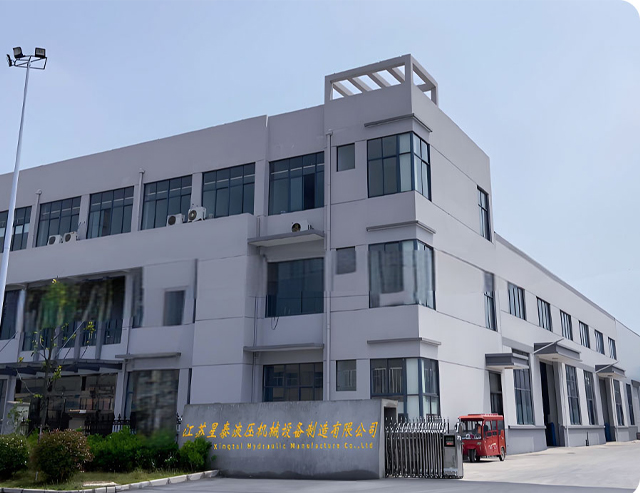
Jiangsu Xingtai Hydraulic Manufacturing Co., Ltd.
As RDQ-1013 Wire Rope Fusing and Tapering Machine Manufacturers and RDQ-1013 Wire Rope Fusing and Tapering Machine Company, Jiangsu Xingtai Hydraulic Manufacturing Co., Ltd. was founded in 1992 and is located in Taizhou City, Jiangsu Province, China. The company specializes in manufacturing hydraulic wire rope pressing machines, wire rope annealing and tapering machines, aluminum sleeves, and lifting clamps. Xingtai Hydraulic is equipped with advanced production facilities, strong technical capabilities, authoritative testing equipment, and a comprehensive quality management system.

The swaging components of Xingtai Hydraulic machines are forged from high-strength alloy steel. The machine body is manufactured from a single block of material, ensuring structural integrity and long service life. Our hydraulic systems utilize a dual-pressure pump oil supply system, which enables fast upward and downward movement while ensuring a smooth pressing process. This design significantly improves pressing quality and production efficiency.

Xingtai Hydraulic machines have been exported to numerous countries, including the UK, Australia, the Netherlands, Latvia, Malaysia, Thailand, India, Russia, Botswana, Poland, and others.

Guided by the philosophy of "high quality, competitive price, and lasting commitment," we strive to meet our customers' needs and provide them with the best service. We remain dedicated to serving both existing and new clients with the same level of excellence as we work together to build a successful future.
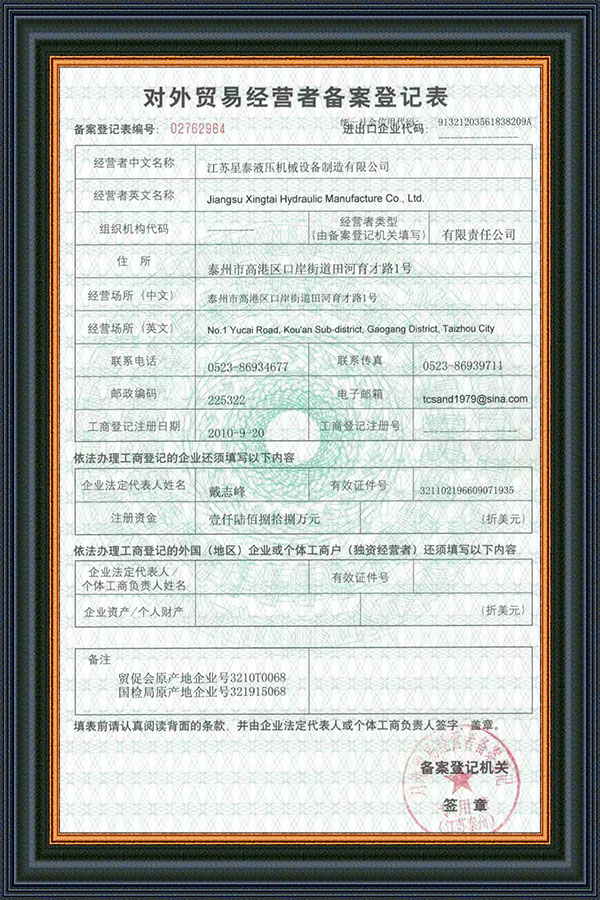
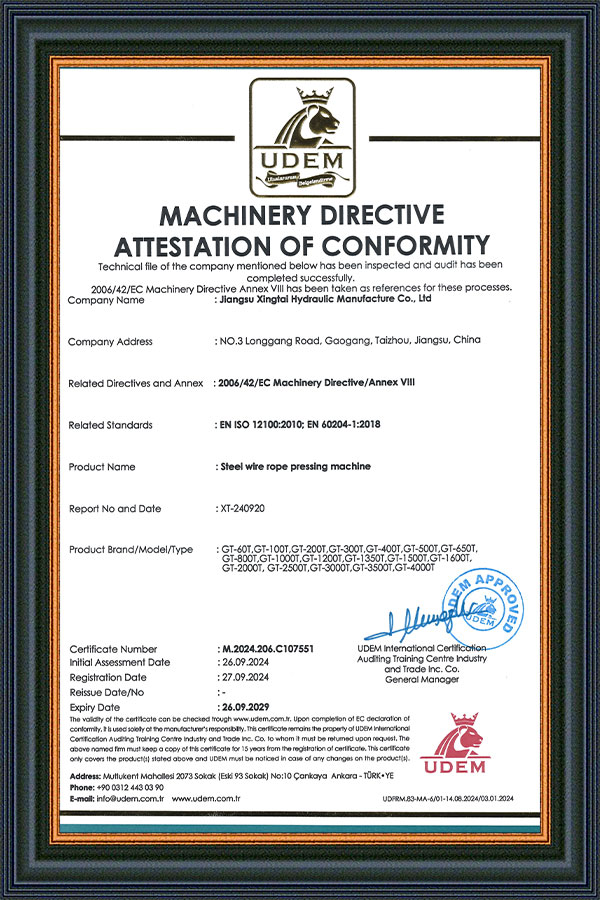
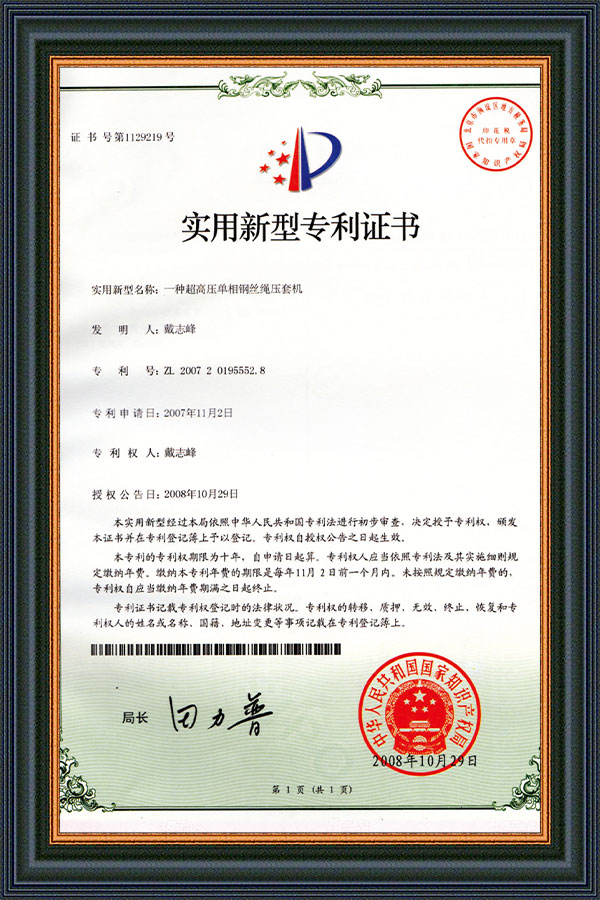
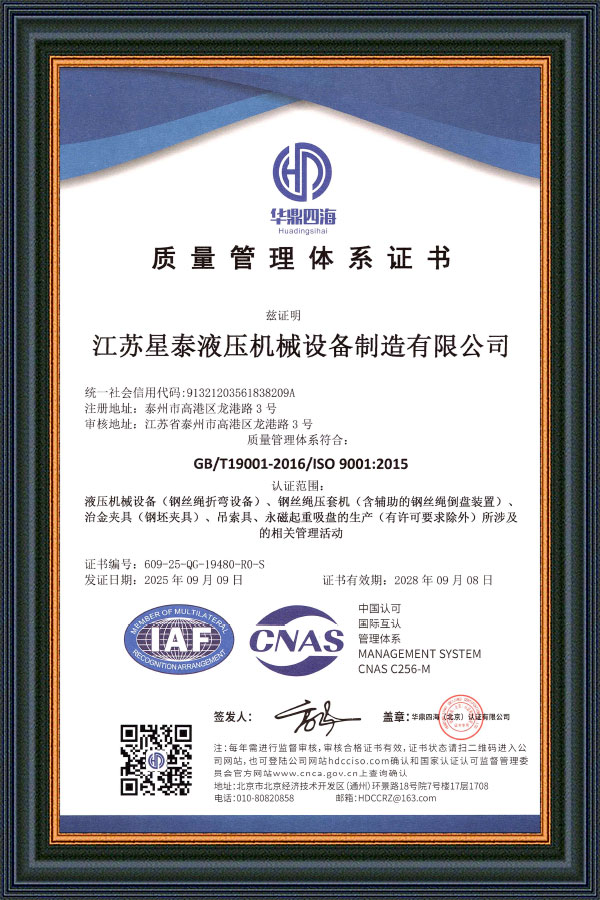
Certificate Of Honor
  • Certifications
  • Certifications
  • Certifications
  • Certifications
News
  • A wire rope sling making machine works by using controlled hydraulic force to permanently compress a metal ferrule (sleeve) around the looped end of a steel wire rope — a process known as swaging or crimping. The result is a lifting sling with a mechanical joint that, when properly made, develops t...

    READ MORE
  • Conclusion: Quality Lifting Wire Rope & Rigorous Maintenance Drastically Reduce Accidents Analysis of over 3,400 lifting operations confirms: using certified high-strength steel cables together with proper wire rope fittings and heavy-duty rigging gear lowers load-drop incidents by 62% to 78%. ...

    READ MORE
  • Before restarting the GT-60 Hydraulic Wire Rope Swage Press Machine (C Frame), operators must complete three critical pre-restart checks: (1) inspect the hydraulic oil level and verify there are no leaks, (2) confirm the swage dies are properly seated and fully closed without obstruction, and (3) e...

    READ MORE
Industry Knowledge

1. What is a Wire Rope Fusing and Tapering Machine?

A wire rope fusing and tapering machine is a specialized industrial device designed to terminate the ends of steel wire ropes. Its primary function is to melt the individual wires together to prevent them from fraying (fusing) and to shape the end into a specific conical form (tapering). This process is essential for creating "socketed" ends that can be securely anchored in elevators, suspension bridges, and heavy lifting machinery.

Unlike traditional methods that use zinc pouring or manual welding, this machine utilizes high-current electrical resistance heating. By passing a massive electrical current through the rope, the metal heats up rapidly to a plastic or molten state. This ensures a uniform, high-strength bond that maintains the rope's structural integrity while allowing it to fit perfectly into tapered sockets.

2. The Fusing and Tapering Workflow

The operation of a fusing machine is a precise sequence of electromechanical steps. It transforms a raw, cut wire rope into a finished, load-bearing component in a matter of minutes.

(1) Feeding and Clamping

The process begins with the stepper motor feeding the wire rope to a specific length. Once positioned, upper and lower clamps tighten to hold the rope securely. This stability is crucial, as any movement during the high-current phase could result in an uneven fuse.

(2) Preheating and Current Regulation

The machine then initiates the heating cycle. A continuous adjustable current is applied, heating the wires until they glow red. This phase requires micro-regulation; the current must be high enough to soften the steel but controlled enough to prevent premature melting. The goal is to reach a "plastic state" where the metal is malleable but not yet liquid.

(3) Fusing and Tapering

In the final stage, the "welding heat" is applied. The current spikes to bring the steel to its melting point. Simultaneously, a stretching cylinder pulls the rope downwards while a "tightening motor" rotates it. This combined action draws the molten metal into a smooth, conical tip (the taper) just before the machine cuts or "fuses" the end. The result is a solid, seamless metal cone at the rope's termination.

3. Key Technical Advantages

The adoption of automated fusing technology offers significant improvements over manual termination methods, particularly regarding safety and consistency.

  • Adjustable Current Control: The ability to finely tune the current allows operators to work with various rope diameters (from 1.2mm to over 10mm) and materials (stainless steel, galvanized steel) without damaging the core.
  • Minimal Heat Affected Zone (HAZ): Because the heating is localized and rapid, the area of the rope affected by the heat is small. This preserves the tensile strength of the wire rope just above the fused section.
  • High-Speed Operation: Modern machines can complete the fusing cycle in seconds, making them suitable for mass production environments like elevator manufacturing plants.

Process Efficiency: Manual vs. Automated Fusing

Manual Zinc Pouring Automated Fusing ~60 mins ~5-10 mins Average Processing Time per Rope End

4. Applications in Critical Infrastructure

The precision offered by these machines makes them indispensable in industries where failure is not an option.

(1) Elevator Suspension Systems

Elevator ropes must be anchored into the car and counterweight using tapered sockets. A smooth, fused end ensures that the load is distributed evenly across the entire cross-section of the rope, preventing slippage and ensuring a smooth ride.

(2) Bridge Cables and Suspension Nets

In architectural applications, such as stainless steel rope nets for bridge safety or zoo enclosures, the aesthetic quality of the termination is as important as the strength. Fusing creates a clean, polished look that integrates seamlessly with the environment, unlike bulky mechanical clamps.

Comparison of Rope Termination Methods
Feature Mechanical Clamping Zinc Pouring Wire Fusing Machine
Strength Efficiency 80-85% 90-95% >95%
Processing Time Fast Slow (Cooling required) Moderate/Fast
Environmental Impact Low High (Molten metal fumes) Low (Electric)

5. Frequently Asked Questions

Q1: What materials can be fused?
These machines are primarily designed for stainless steel (304, 316) and galvanized steel wire ropes. The electrical resistance properties of these metals make them ideal for resistance heating.
Q2: Does fusing weaken the rope?
No. Because the heat is applied only to the very tip that enters the socket, the main body of the rope retains its original tensile strength. The Heat Affected Zone (HAZ) is minimal.
Q3: Why is the "taper" shape important?
The conical taper matches the internal geometry of standard wire rope sockets. This shape creates a wedge effect; as tension increases, the socket grips the fused cone tighter, locking it in place.