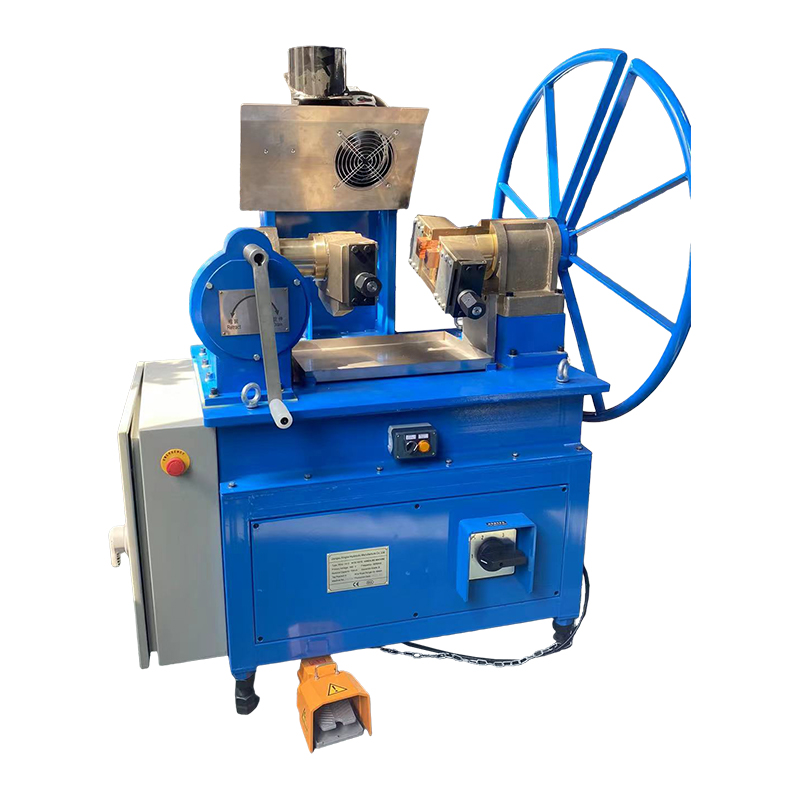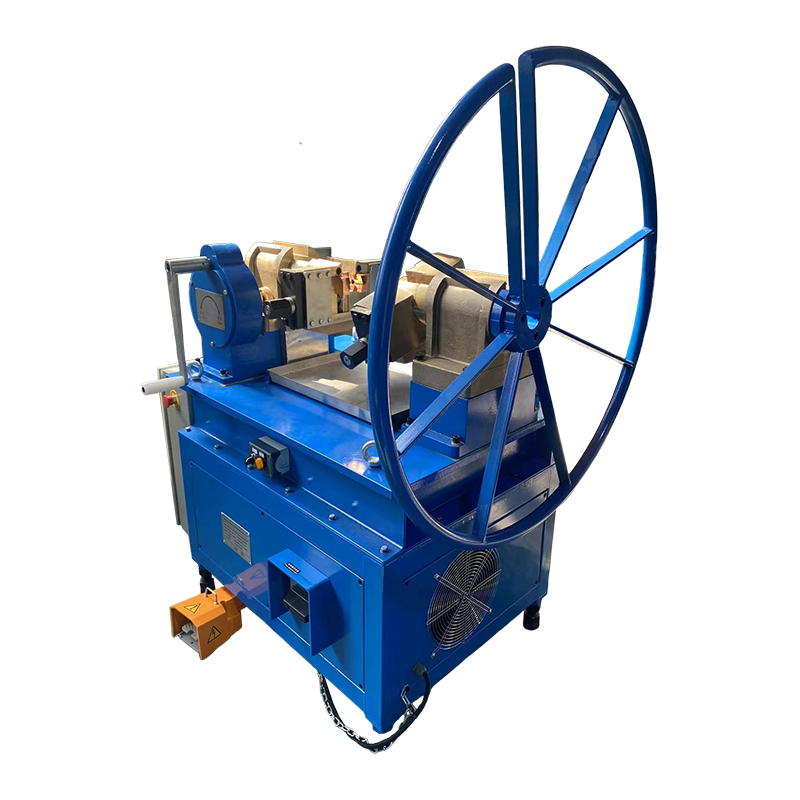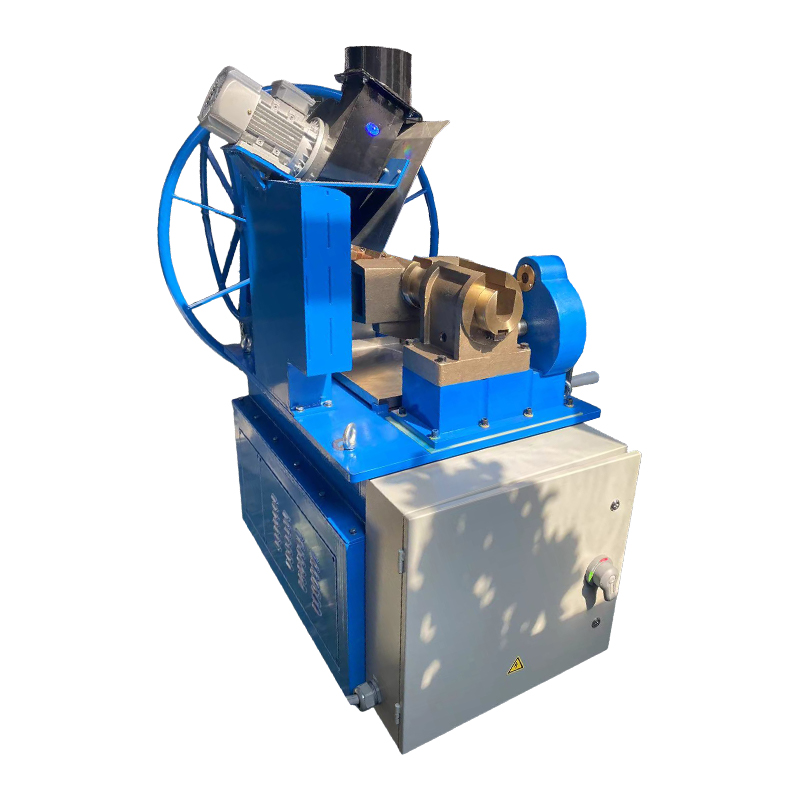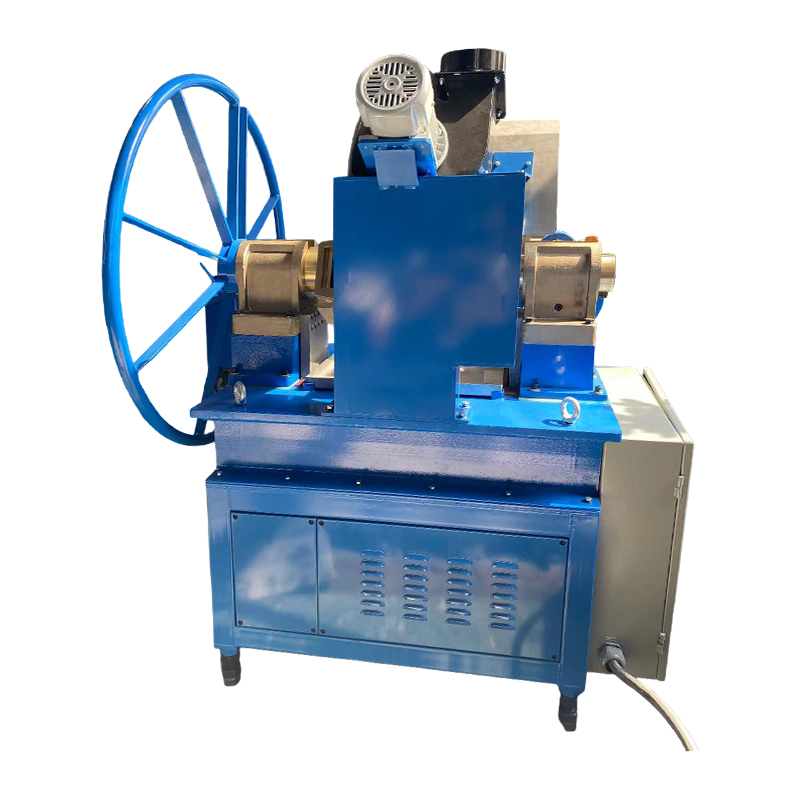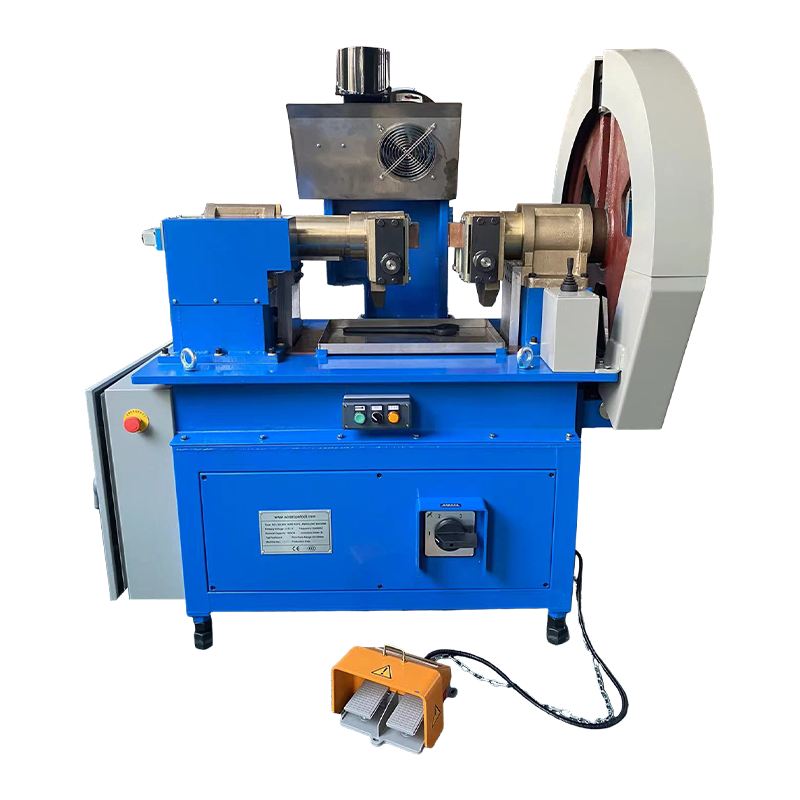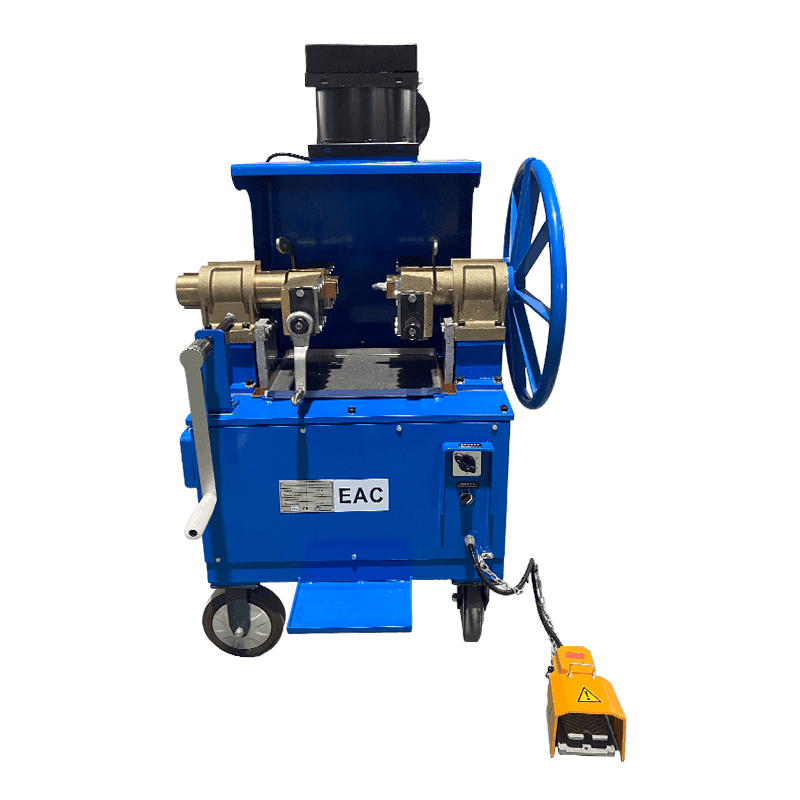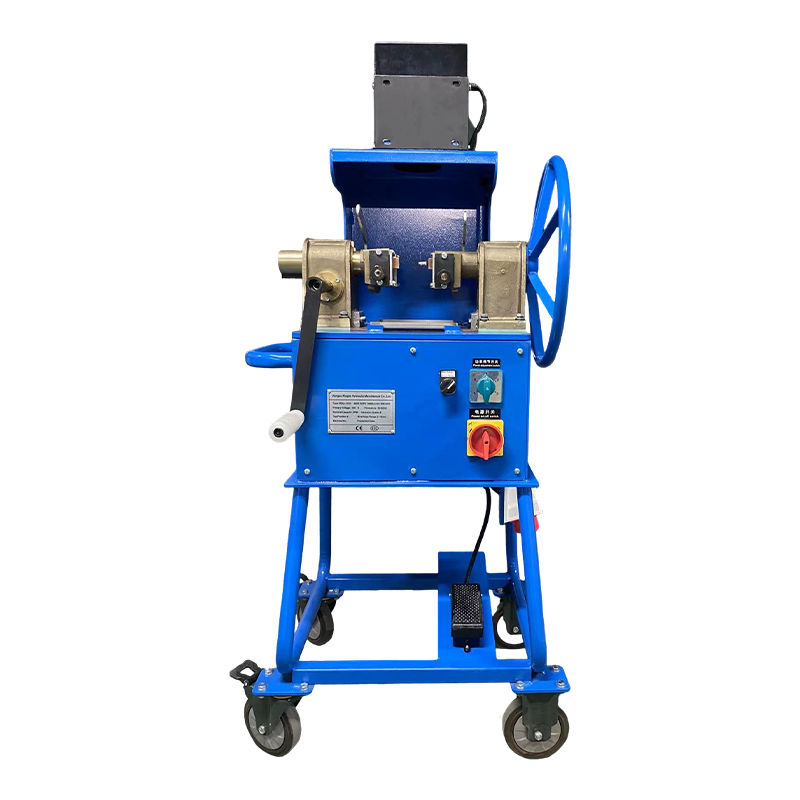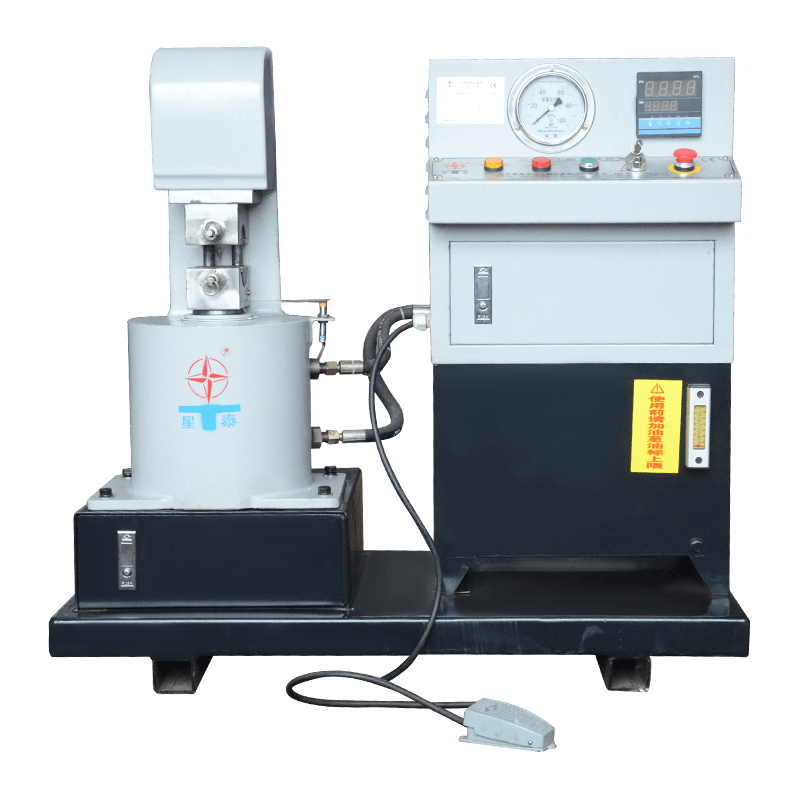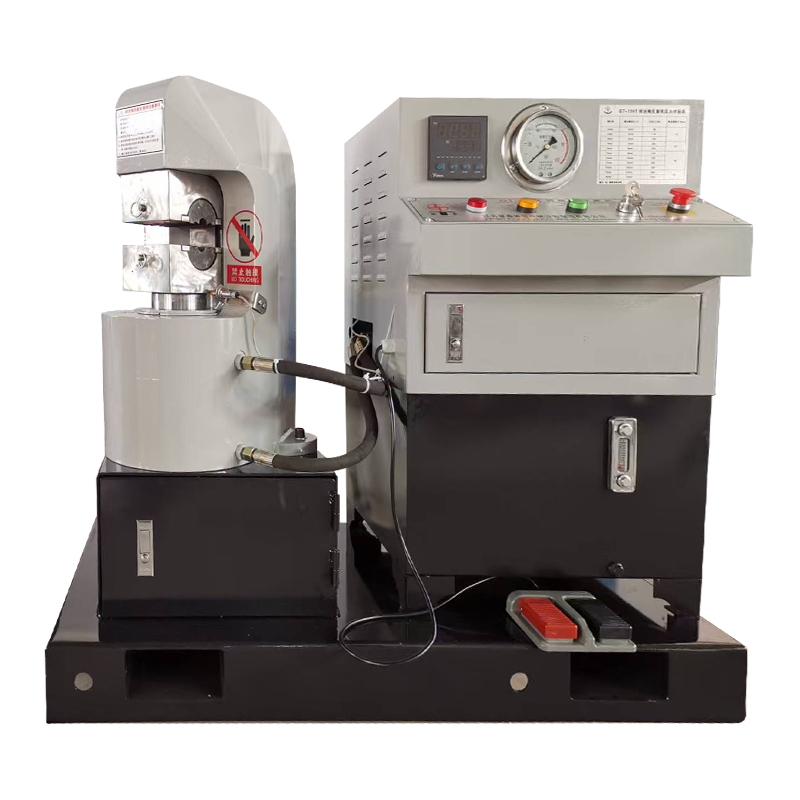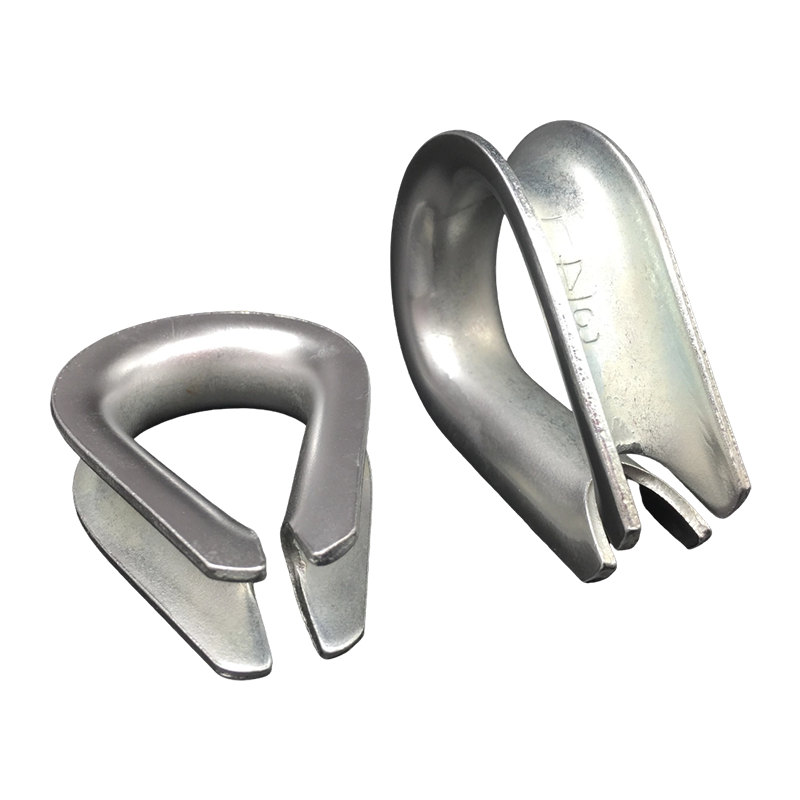
RDQ-1012 Wire Rope Cutting and Tapering Machine Wholesale
Home / Products / Wire Rope Annealing Machine / RDQ-1012 Wire Rope Cutting and Tapering Machine

RDQ-1012 Wire Rope Cutting and Tapering Machine

RDQ series steel wire rope cutting and tapering machines, with high melting speed and easy to operate, are applicable for melting steel ropes of various dimensions, especially elevator ropes, min ropes, crane cables, and other high-quality steel ropes. The steel ropes melted are neat and smooth with conical and spiral ends. These machines are mainly applied by steel rope manufacturers and customers. (e.g. Port, jetty, elevator maker etc.)


Product Features:
1. Cleverish in shape and convenient to move.
2. With a wide range in melting diameter, the steel ropes can be melted without replacing any parts within the range of prescribed diameter.
3. Easy to operate, no spanner is needed for the tightening device, and the welding head is nice in appearance.
4. Low working power, energy saving, and safe in use.

+ Contact us
  • Parameter
  • Other Descriptions
  • Contact
Technical Data
Mode No. RDQ-1012
Rated Power (KW) 75KW
Burn out Range 10-40mm
Dimensions(mm) 700kg
Weight 1300x1100x1600
Delivery 45 days
Company
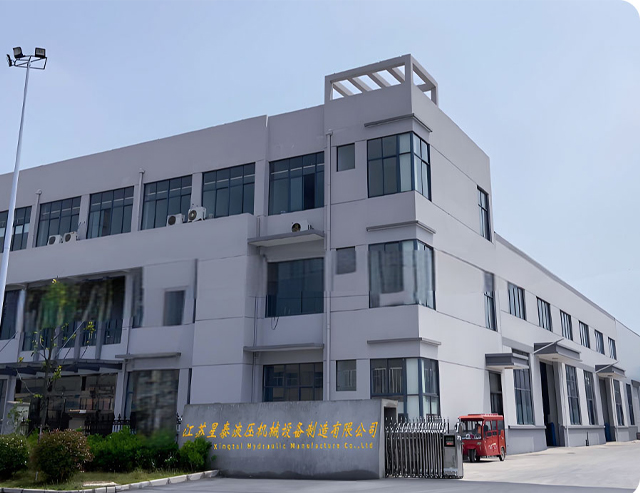
Jiangsu Xingtai Hydraulic Manufacturing Co., Ltd.
As Wire Rope Cutting Machine Manufacturers and Rope Cutting Machine Company, Jiangsu Xingtai Hydraulic Manufacturing Co., Ltd. was founded in 1992 and is located in Taizhou City, Jiangsu Province, China. The company specializes in manufacturing hydraulic wire rope pressing machines, wire rope annealing and tapering machines, aluminum sleeves, and lifting clamps. Xingtai Hydraulic is equipped with advanced production facilities, strong technical capabilities, authoritative testing equipment, and a comprehensive quality management system.

The swaging components of Xingtai Hydraulic machines are forged from high-strength alloy steel. The machine body is manufactured from a single block of material, ensuring structural integrity and long service life. Our hydraulic systems utilize a dual-pressure pump oil supply system, which enables fast upward and downward movement while ensuring a smooth pressing process. This design significantly improves pressing quality and production efficiency.

Xingtai Hydraulic machines have been exported to numerous countries, including the UK, Australia, the Netherlands, Latvia, Malaysia, Thailand, India, Russia, Botswana, Poland, and others.

Guided by the philosophy of "high quality, competitive price, and lasting commitment," we strive to meet our customers' needs and provide them with the best service. We remain dedicated to serving both existing and new clients with the same level of excellence as we work together to build a successful future.
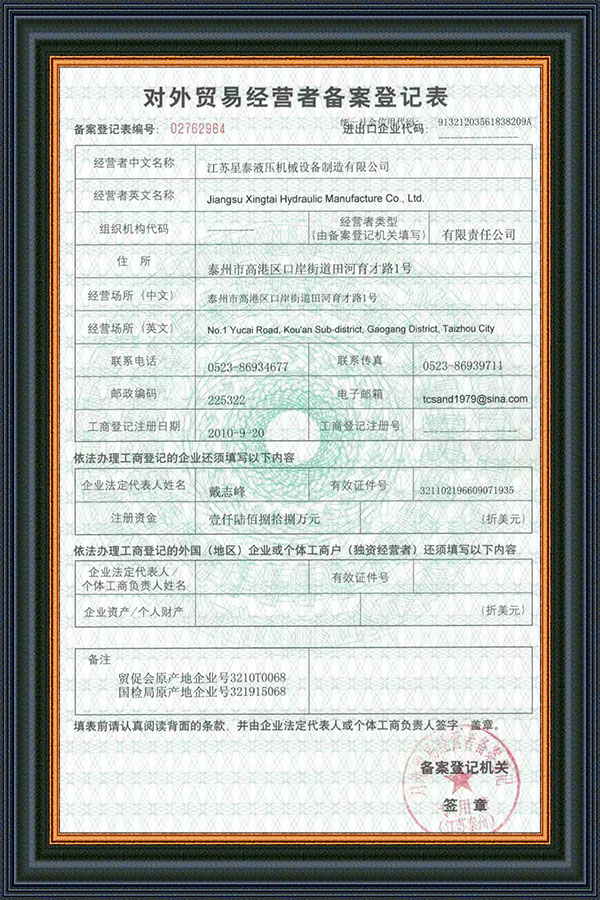
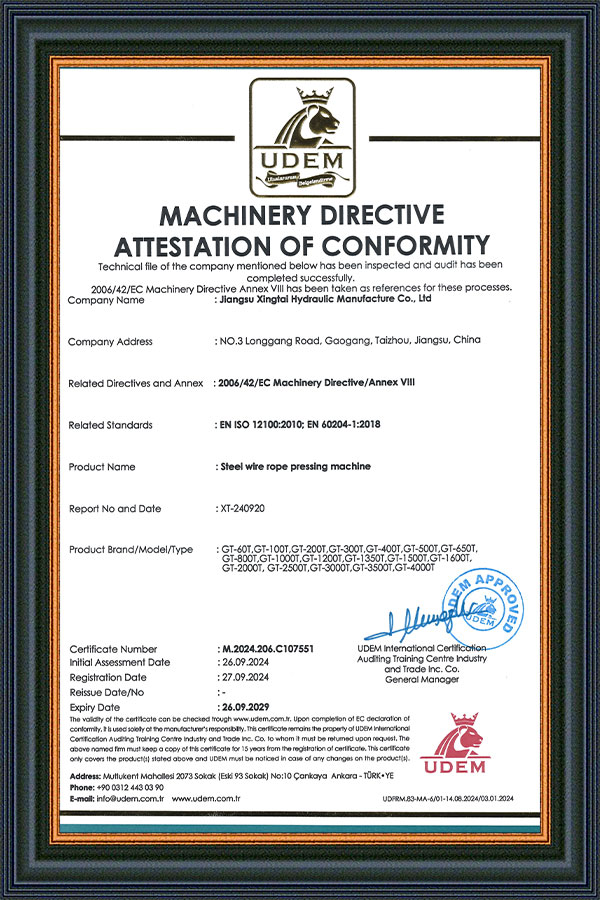
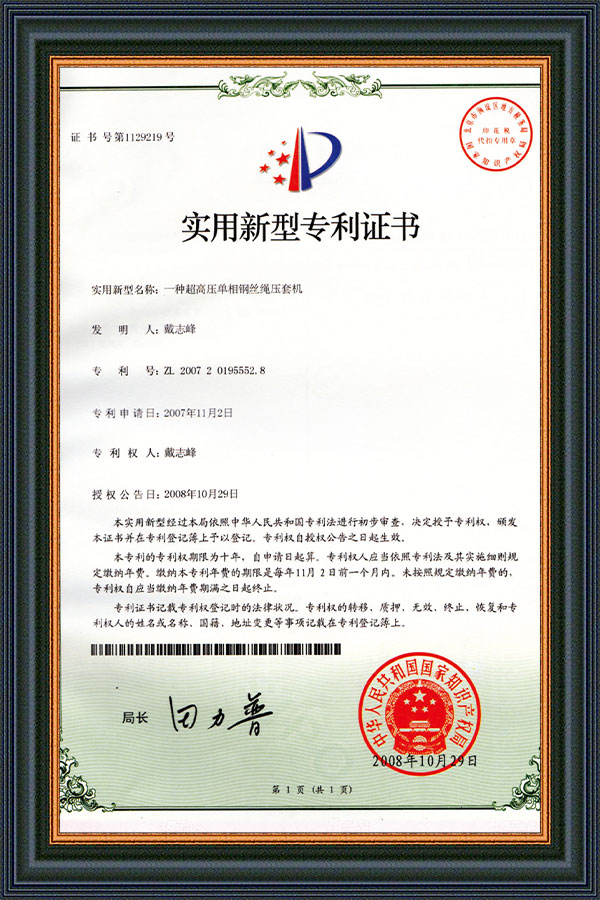
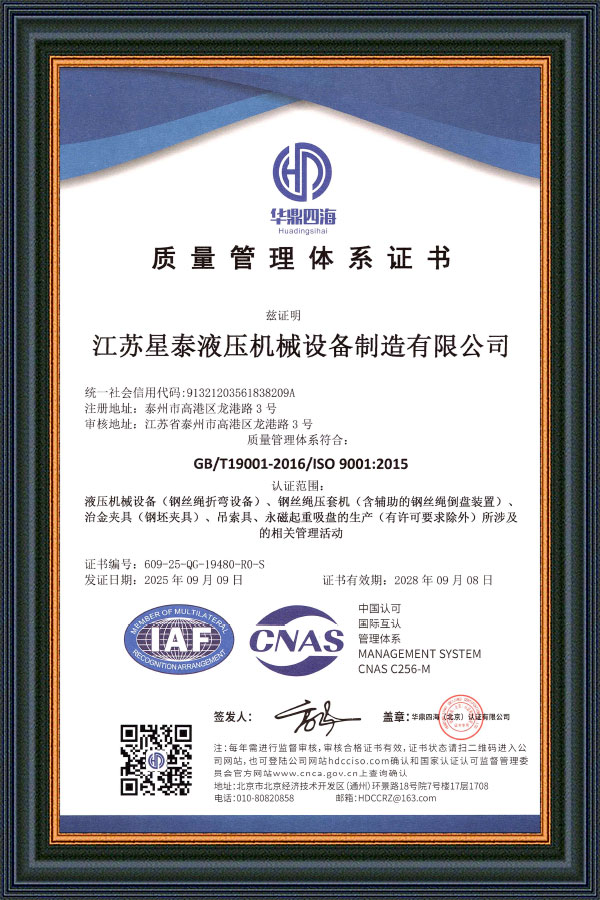
Certificate Of Honor
  • Certifications
  • Certifications
  • Certifications
  • Certifications
News
  • A wire rope sling making machine works by using controlled hydraulic force to permanently compress a metal ferrule (sleeve) around the looped end of a steel wire rope — a process known as swaging or crimping. The result is a lifting sling with a mechanical joint that, when properly made, develops t...

    READ MORE
  • Conclusion: Quality Lifting Wire Rope & Rigorous Maintenance Drastically Reduce Accidents Analysis of over 3,400 lifting operations confirms: using certified high-strength steel cables together with proper wire rope fittings and heavy-duty rigging gear lowers load-drop incidents by 62% to 78%. ...

    READ MORE
  • Before restarting the GT-60 Hydraulic Wire Rope Swage Press Machine (C Frame), operators must complete three critical pre-restart checks: (1) inspect the hydraulic oil level and verify there are no leaks, (2) confirm the swage dies are properly seated and fully closed without obstruction, and (3) e...

    READ MORE
Industry Knowledge

1. What Is a Rope Cutting Machine Used For? – Definition & Core Purpose

A rope cutting machine is an industrial device designed to cut various types of ropes (steel wire rope, synthetic rope, hemp, nylon, polyester, and composite ropes) with high precision, clean edges, and minimal fraying. Unlike manual cutting with hacksaws or hot knives, dedicated rope cutters provide repeatable length accuracy (±0.5 mm to ±2 mm), integrated length measurement, and automatic feeding for high-volume production.

Key applications include: wire rope sling manufacturing, mooring line production, synthetic rope fabrication, rigging shops, and offshore supply bases. Modern rope cutting machines can process diameters from 1 mm up to 120 mm, at speeds up to 60 meters per minute, reducing labor time by 75–90% compared to manual methods.

2. Types of Rope Cutting Machines & Material Compatibility

Different cutting technologies suit different rope materials. Abrasive cutting wheels work best for steel wire rope; ultrasonic or hot-blade cutters seal synthetic rope ends; guillotine shears are ideal for large-diameter natural fiber ropes. The chart below shows typical cutting speeds per material.

Typical Cutting Speed by Rope Type (cuts per minute, automated feeder)

Synthetic rope (nylon/polyester, 6–20 mm)
38 cuts/min
Steel wire rope (6–16 mm, abrasive wheel)
25 cuts/min
Natural fiber rope (manila/sisal, 10–30 mm)
22 cuts/min
High-strength synthetic (Dyneema, 8–14 mm)
28 cuts/min

Fig. 1 – Automated rope cutting machines achieve 22–38 cuts per minute, depending on rope material and diameter, outperforming manual cutting by 400–800%.

For wire rope, abrasive wheel cutters with integrated cooling reduce heat-affected zone (HAZ) to <0.5 mm, preventing strand annealing and strength loss. For synthetic ropes, hot-blade cutters simultaneously cut and seal the ends, eliminating fraying.

3. Key Advantage: Length Accuracy & Material Waste Reduction

Manual rope cutting using tape measures and hand saws typically results in length variations of ±15–30 mm for a 10 m cut. Automated rope cutting machines with encoder-based length measurement achieve ±0.5 mm to ±2 mm accuracy, reducing scrap by up to 12% annually for high-volume sling manufacturers.

Length Deviation Comparison (mm) – Target 5000 mm, 20 consecutive cuts

Length deviation (mm) Cut number 0 -10 +10 -20 +20 Manual cutting (±15–20 mm) Machine cutting (±0.5–2 mm)

Fig. 2 – Automated rope cutters maintain ±2 mm accuracy, reducing length variation by 90% compared to manual cutting.

For a facility cutting 500 rope slings per day, this accuracy improvement translates to over 3,000 meters of rope saved annually – equivalent to $15,000–$25,000 in material cost reduction for high-grade synthetic ropes.

4. Productivity Gains: Time & Labor Cost Reduction

A head-to-head comparison between manual cutting (hacksaw + tape measure) and an automated rope cutting machine shows dramatic productivity improvements across batch sizes.

Time Required for 100 Cuts (minutes) – 12 mm polyester rope

Time (minutes) Cutting method 0 20 40 60 80 100 120 112 min 45 min 18 min Manual (hacksaw) Semi-auto cutter Fully automated

Fig. 3 – Fully automated rope cutting machines complete 100 cuts in 18 minutes, vs 112 minutes manually – an 84% time saving.

Based on an operator cost of $35/hour, a facility producing 500 cuts/day saves over $52,000 annually in labor alone when switching from manual to automated rope cutting.

5. Rope Cutting Machine Selection Guide – By Material & Volume

Choosing the right rope cutting machine depends on rope material, diameter range, and production volume. The table below provides a quick reference.

Table 1 – Recommended rope cutting machine type by application.
Rope Type Diameter Range Recommended Cutter Key Feature
Steel wire rope (IWRC, fiber core) 3–50 mm Abrasive wheel cutter Integrated cooling, HAZ <0.5 mm
Synthetic (nylon, polyester, PP) 4–60 mm Hot-blade / ultrasonic Seals ends, zero fraying
High-performance (Dyneema, Kevlar) 2–20 mm Ultrasonic cutter No melting damage, clean weld
Natural fiber (manila, sisal, cotton) 6–80 mm Guillotine shear / hot blade High force, tape binding option

For multi-material facilities, modular rope cutting systems with interchangeable cutting heads are available, typically costing $8,000–$25,000 depending on automation level and cutting width.

6. Frequently Asked Questions About Rope Cutting Machines

Q1: Can a rope cutting machine cut wire rope without damaging the strands?
A1: Yes. Abrasive wheel cutters designed for wire rope use thin reinforced wheels (1–2 mm thickness) rotating at 4,000–6,000 RPM, with integrated water or air cooling. This produces a clean, perpendicular cut with minimal burr and no strand separation. Never use guillotine shears on steel wire rope – they crush and deform strands.

Q2: How does a hot-blade rope cutter work for synthetic ropes?
A2: A hot-blade cutter heats a knife blade to 400–600°C (752–1112°F). The blade simultaneously cuts and melts the rope fibers, fusing the ends together. This prevents unraveling and creates a clean, sealed tip. For heat-sensitive ropes like Dyneema, ultrasonic cutters use high-frequency vibrations (20–40 kHz) to generate localized friction heat, avoiding bulk melting.

Q3: What length measurement accuracy can I expect?
A3: Entry-level machines: ±5 mm. Industrial-grade machines with optical encoders and servo drives: ±0.5 mm for rope diameters up to 20 mm. For very long cuts (50+ meters), accuracy may degrade to ±0.1% of cut length due to rope stretch.

Q4: Can a rope cutting machine be integrated with a spooling or measuring system?
A4: Yes. Most modern rope cutters offer Modbus, RS-485, or Ethernet/IP connectivity, allowing integration with pay-off reels, length counters, and label printers. Fully automated cutting lines can process a master spool, measure, cut, and stack finished pieces without manual intervention – ideal for high-volume sling manufacturing.

© 2025 Wire Rope Technical Library — Complete guide to rope cutting machines: applications, performance data, and selection criteria.