 English
 русский
 Français
 Español
 Português
 Deutsch
 عربى
عربى Türk
Türk
Content
- 1 What a Wire Rope Annealing Machine Does
- 2 How the Annealing Process Works Step by Step
- 3 Why Annealing Improves Wire Rope Flexibility and Strength
- 4 Continuous Annealing Line vs Traditional Batch Furnace
- 5 Comparing Annealing Machine Types Across Key Criteria
- 6 What to Check Before Choosing a Wire Rope Annealing Machine Manufacturer
- 7 About Jiangsu Xingtai Hydraulic Manufacturing Co., Ltd.
- 8 Frequently Asked Questions
What a Wire Rope Annealing Machine Does
A wire rope annealing machine heats the end section of a steel wire rope to a controlled temperature and then cools it gradually, softening the steel so it can be cut, socketed, or terminated without fraying. The direct answer is simple: annealing reduces hardness at the rope end, making downstream processing safer and more reliable. This step is essential in rigging, crane cable production, and lifting equipment manufacturing, where untreated rope ends are prone to splitting strands and uneven wear.
In most production lines, the annealing stage works alongside an automatic wire rope cutting machine or a steel wire rope cutting machine, forming a combined cutting-and-annealing process. The wire rope is fed through a guide system, clamped, heated by an electrical or gas annealing furnace, then cut cleanly while the metal is still softened. This sequence minimizes burrs and keeps strand geometry intact, which directly affects the load-bearing performance of the finished rope.
Beyond rope ends, similar wire annealing and steel wire annealing principles apply across general wire heat treatment operations, including cable manufacturing, spring wire production, and fastener wire processing, where consistent grain structure improves downstream forming.
How the Annealing Process Works Step by Step
The wire rope annealing process generally follows four stages: feeding, clamping, heating, and controlled cooling. Each stage is timed precisely because overheating can weaken the wire core, while underheating leaves the rope too stiff to terminate cleanly.
- The wire rope is fed into position and clamped firmly to prevent movement during heating.
- An annealing furnace or induction coil raises the rope end to a target temperature, determined by wire diameter and steel grade.
- The heated section is held at temperature briefly to allow even softening across all strands.
- The rope is cooled gradually, either in open air or with a controlled cooling chamber, to avoid re-hardening too quickly.
Manufacturers offering a continuous annealing line can process long sections of wire without stopping, which suits high-volume wire processing equipment setups. In contrast, batch-style industrial annealing machines are better suited to smaller workshops processing varied rope diameters on demand, and many facilities also pair the furnace with a wire rope reeling machine to manage finished coils efficiently after treatment.
The chart above illustrates a typical relative time breakdown across the four annealing stages on a continuous line. Heating consistently takes the longest portion of the cycle because temperature uniformity across the rope cross-section requires patience, especially with thicker diameters. Feeding and clamping are comparatively quick mechanical steps that set up the rope for accurate, repeatable processing. Cooling time varies depending on whether ambient air cooling or a dedicated cooling chamber is used, and this stage directly affects how soon the rope can move to the next station. Production planners use these relative durations to estimate throughput when scaling output for larger orders involving a wire annealing line running multiple shifts.
Why Annealing Improves Wire Rope Flexibility and Strength
Annealing changes the internal grain structure of steel wire, relieving the stress that builds up during cold drawing. This is why a properly annealed rope end bends more easily, accepts sleeves or sockets without cracking, and resists fatigue cracking at termination points. Without this step, rope ends become brittle, which increases the risk of strand breakage exactly where the rope is under the most mechanical stress.
This line chart compares flexibility scores between annealed and untreated wire across increasing diameters. Annealed wire shows a steady rise in flexibility as the process relieves internal stress regardless of thickness, while untreated wire stays consistently stiff and shows only minor change. The gap widens noticeably with larger diameters, which explains why heavy industries rely on a heavy duty wire rope annealing machine when processing thicker cables for cranes or marine rigging. Flexibility matters not just for ease of handling but also for reducing stress concentration at bends, splices, and socket connections. Operations that skip proper steel wire annealing on larger diameters often report higher rejection rates during quality inspection, which is why a dependable wire annealing machine is treated as core production equipment rather than an optional add-on.
Continuous Annealing Line vs Traditional Batch Furnace
Choosing between a continuous annealing line and a traditional wire rope furnace depends mainly on production volume and product variety. Continuous lines suit factories running long shifts on a narrow range of wire diameters, since changeover time is minimal and throughput stays high. Batch furnaces, by comparison, give operators more control over smaller runs with mixed diameters or specialty alloys, and are often favored for their compact footprint in workshops with limited floor space.
| Feature | Continuous Annealing Line | Batch Annealing Furnace |
|---|---|---|
| Best Suited For | High-volume, consistent diameter | Mixed diameters, smaller runs |
| Setup Time | Lower once running | Flexible per batch |
| Temperature Control | Highly uniform | Operator-dependent |
| Floor Space Needed | Larger footprint | Compact |
Some facilities also evaluate bright annealing versus standard annealing when surface finish matters, since a bright annealing line processes wire in a controlled atmosphere to prevent oxidation and discoloration, which is valuable for visible or coated cable products.
Comparing Annealing Machine Types Across Key Criteria
A radar comparison gives a clearer picture when several factors matter at once, rather than ranking machines on a single number. The chart below scores two common configurations across five practical criteria buyers usually care about when selecting industrial annealing equipment.
The radar comparison highlights that continuous lines score higher on throughput and precision, while batch furnaces show an advantage in flexibility and footprint for varied production needs. Neither configuration wins across every category, which is why the right choice depends on what a facility actually produces day to day. A workshop handling frequently changing custom rigging orders may value flexibility more than raw speed, while a high-volume cable plant benefits from the steady output of a continuous annealing machine. Energy use also differs meaningfully, since continuous systems run at sustained temperature while batch furnaces cycle up and down. Reviewing these criteria side by side helps buyers match equipment to their actual production pattern rather than choosing based on a single specification.
What to Check Before Choosing a Wire Rope Annealing Machine Manufacturer
Working with an experienced wire rope annealing machine manufacturer or wire annealing line supplier reduces the risk of inconsistent heat treatment and unplanned downtime. Several practical checkpoints help narrow down a reliable industrial annealing machine supplier.
- Confirm the machine body is built from a single solid block rather than welded sections, which affects long-term structural stability.
- Check whether the hydraulic system uses a dual-pressure pump setup for smoother, faster pressing and annealing cycles.
- Ask about the range of wire diameters and steel grades the steel wire annealing furnace can handle without modification.
- Review whether the supplier provides testing data and quality documentation for each unit produced.
- Look into the supplier's export history, since experience shipping to multiple regions often reflects consistent build quality and reliable OEM annealing equipment support.
About Jiangsu Xingtai Hydraulic Manufacturing Co., Ltd.
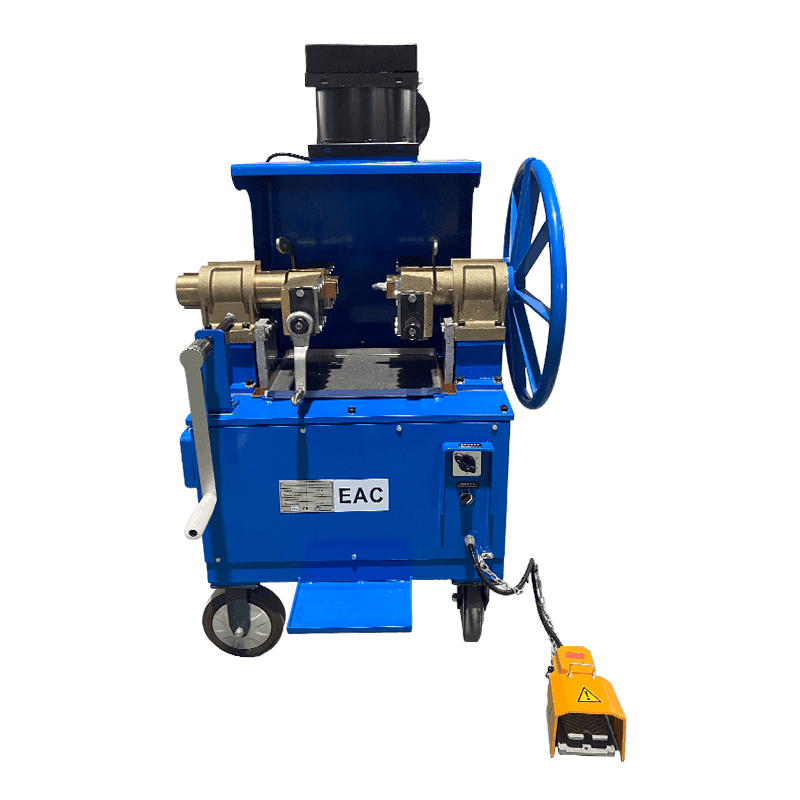
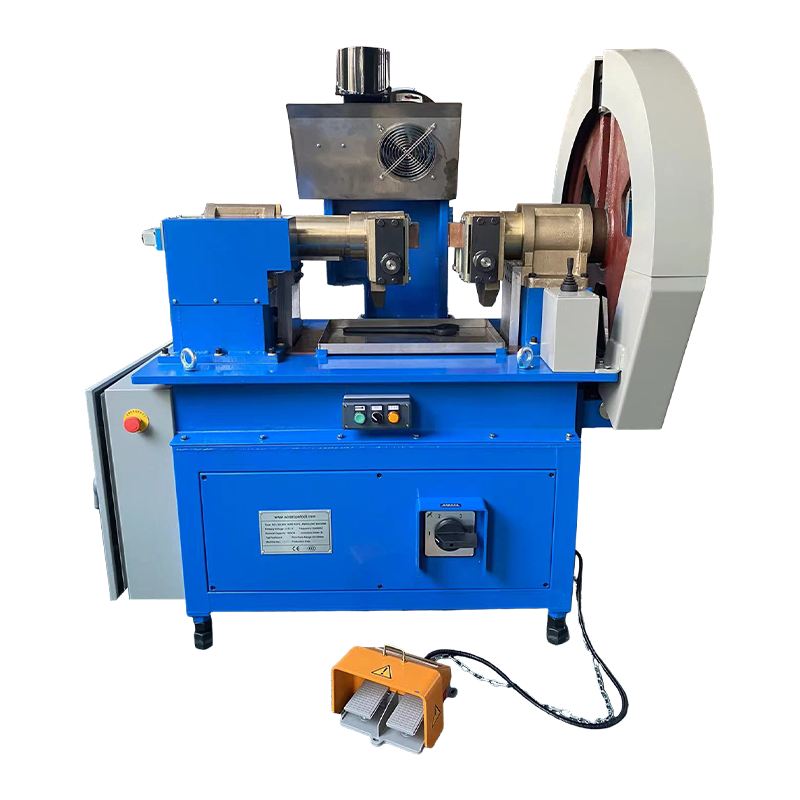
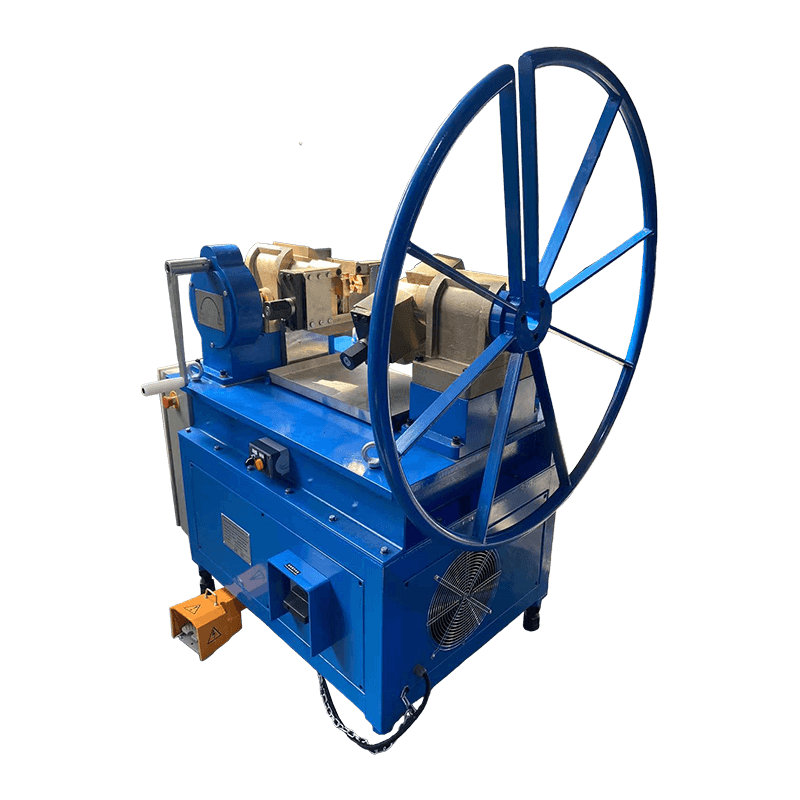
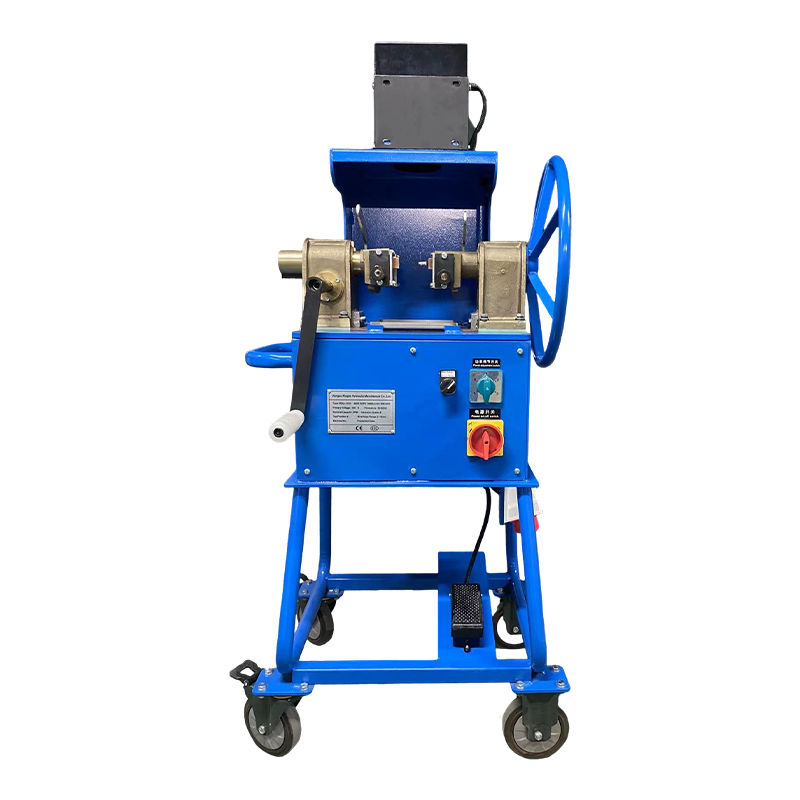
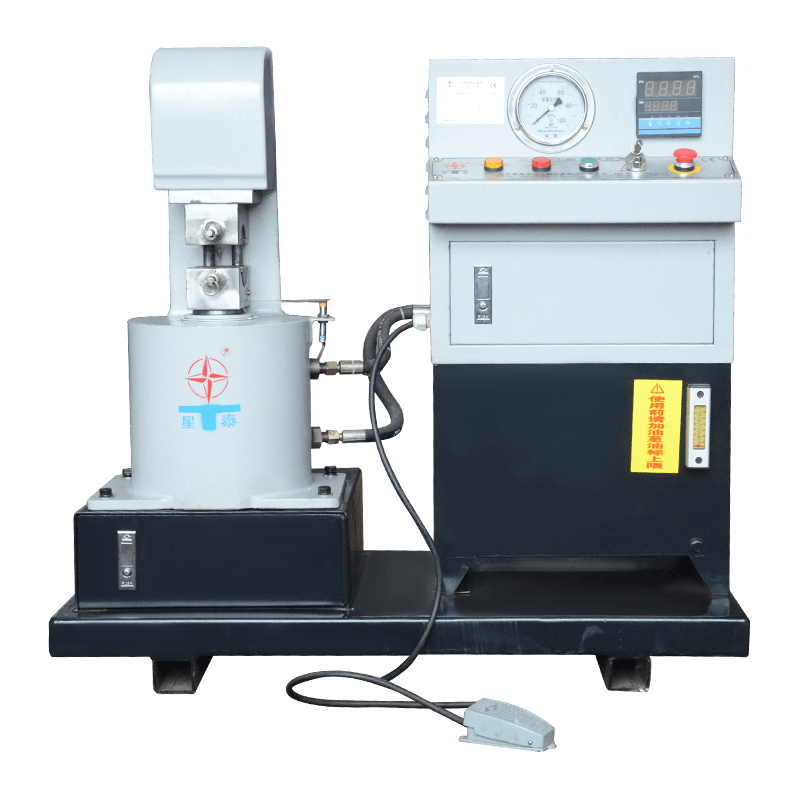
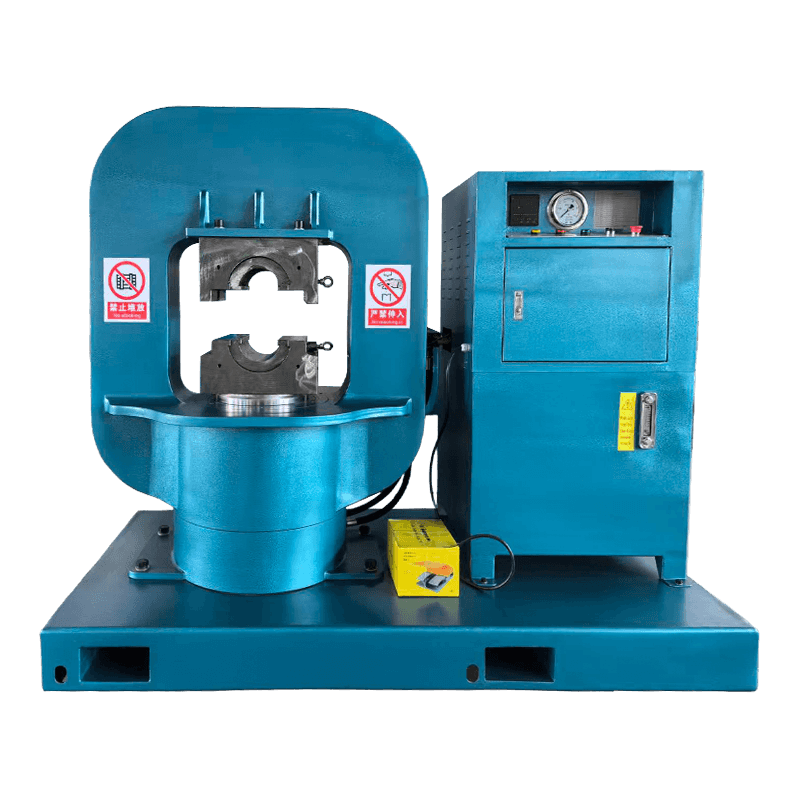
Jiangsu Xingtai Hydraulic Manufacturing Co., Ltd. was founded in 1992 and is based in Taizhou City, Jiangsu Province, China. The company specializes in hydraulic wire rope pressing machines, wire rope annealing and tapering machines, aluminum sleeves, and lifting clamps, supported by advanced production facilities and a comprehensive quality management system.
The swaging components of Xingtai Hydraulic machines are forged from high-strength alloy steel, and the machine body is manufactured from a single block of material for structural integrity and long service life. The hydraulic systems use a dual-pressure pump oil supply design that enables fast upward and downward movement while keeping the pressing process smooth, improving both pressing quality and production efficiency.
Xingtai Hydraulic machines have been exported to countries including the UK, Australia, the Netherlands, Latvia, Malaysia, Thailand, India, Russia, Botswana, and Poland. Guided by a philosophy of high quality, competitive value, and lasting commitment, the company continues working with both existing and new clients on wire heat treatment equipment and related lifting machinery to support reliable, long-term production.
Frequently Asked Questions
Q1: What is the purpose of annealing a wire rope end?
Annealing softens the rope end so it can be cut, socketed, or terminated cleanly without fraying or cracking.
Q2: How is annealing different from regular heating?
Annealing involves controlled heating followed by gradual cooling, which specifically relieves internal stress rather than simply warming the metal.
Q3: Is a continuous annealing line suitable for small workshops?
It can be, but batch furnaces are often more practical for workshops handling varied diameters in smaller volumes.
Q4: Does annealing affect the overall strength of the wire rope?
Annealing is applied to specific end sections, so the main load-bearing length of the rope keeps its original strength while the treated end gains flexibility.
Q5: What should I check before selecting an annealing machine?
Look at machine body construction, hydraulic system design, supported wire diameter range, and the supplier's testing and export track record.

If you require custom hydraulic equipment or technical consultation, please feel free to contact the Xingtai Sales and Engineering Team.
-
 +86-523-86934677
+86-15896002505 -
 [email protected]
-
 +86-15896002505
-
 No. 3 Longgang Road, Gaogang Port Street, Taizhou City, China.
Copyright © Jiangsu Xingtai Hydraulic Manufacturing Co., Ltd. All Rights Reserved. Custom hydraulic machinery manufacturers Wholesale wire rope swagers Factory

