RDQ-1010 Steel Wire Rope Annealing Machine Wholesale
Home / Products / Wire Rope Annealing Machine / RDQ-1010 Steel Wire Rope Annealing Machine

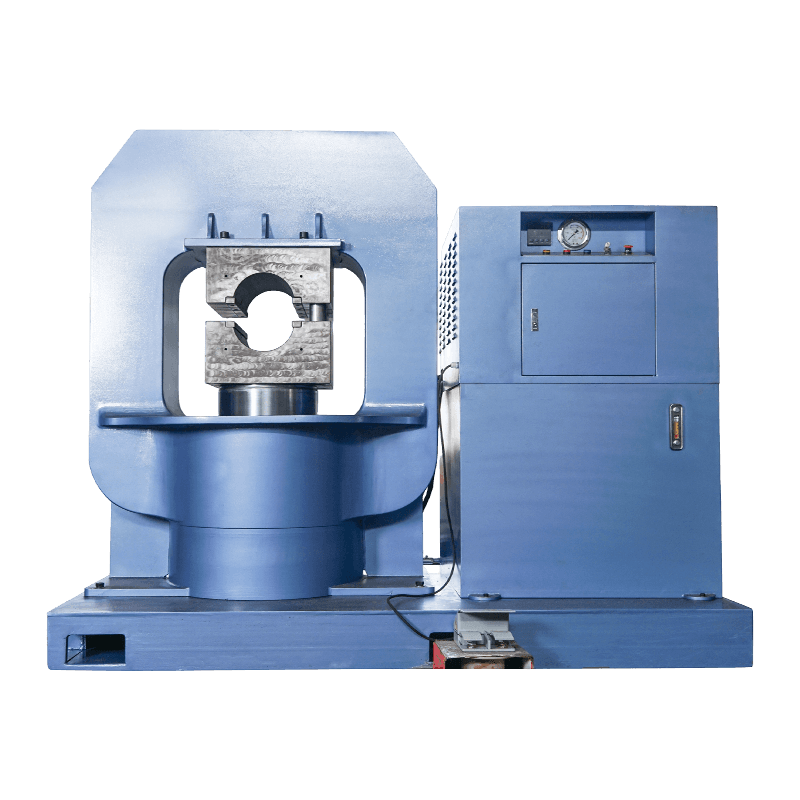
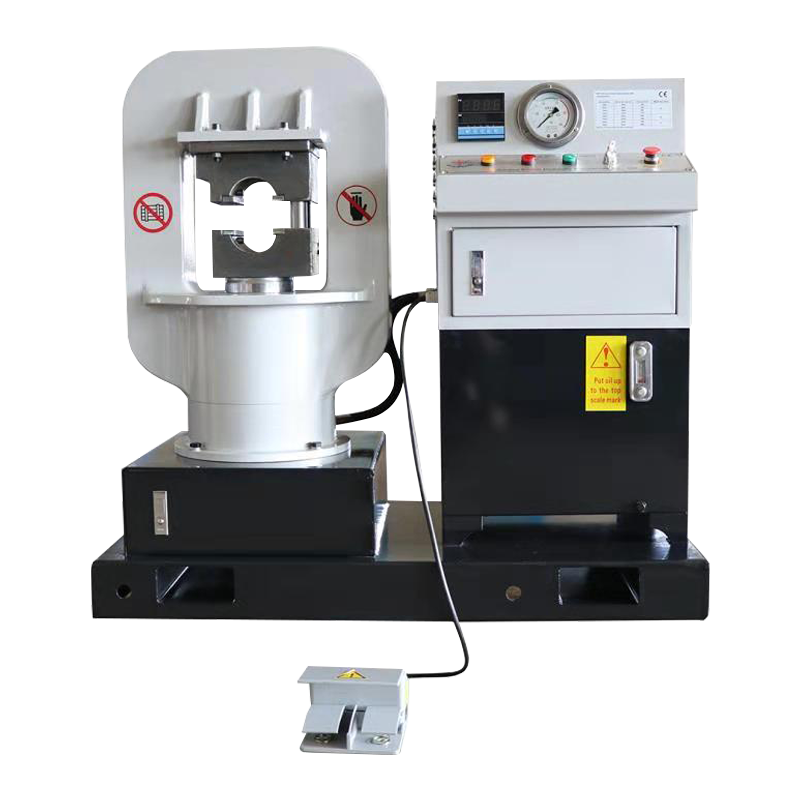
RDQ-1010 Steel Wire Rope Annealing Machine

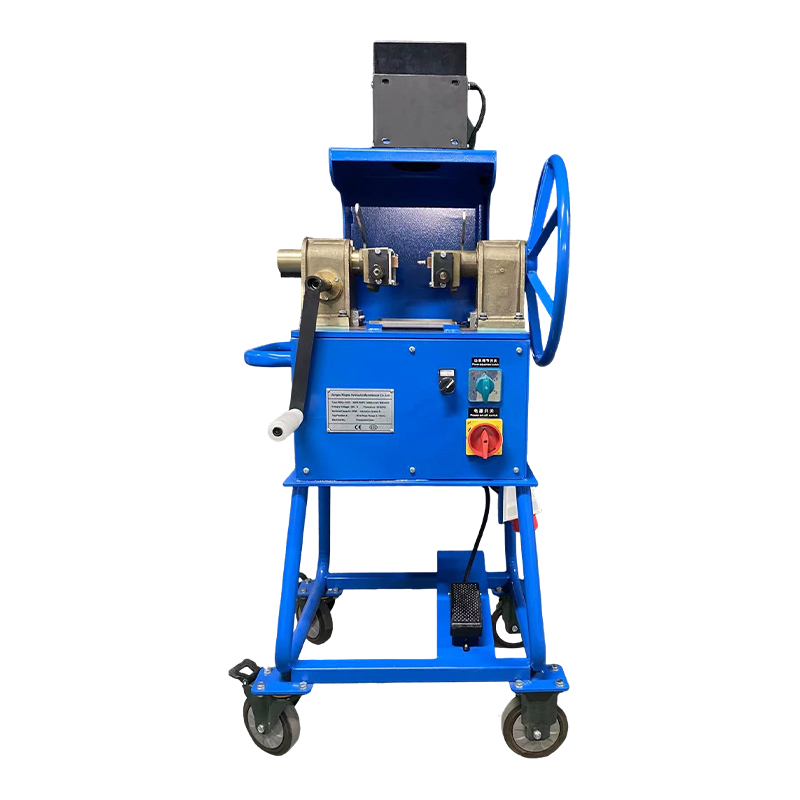
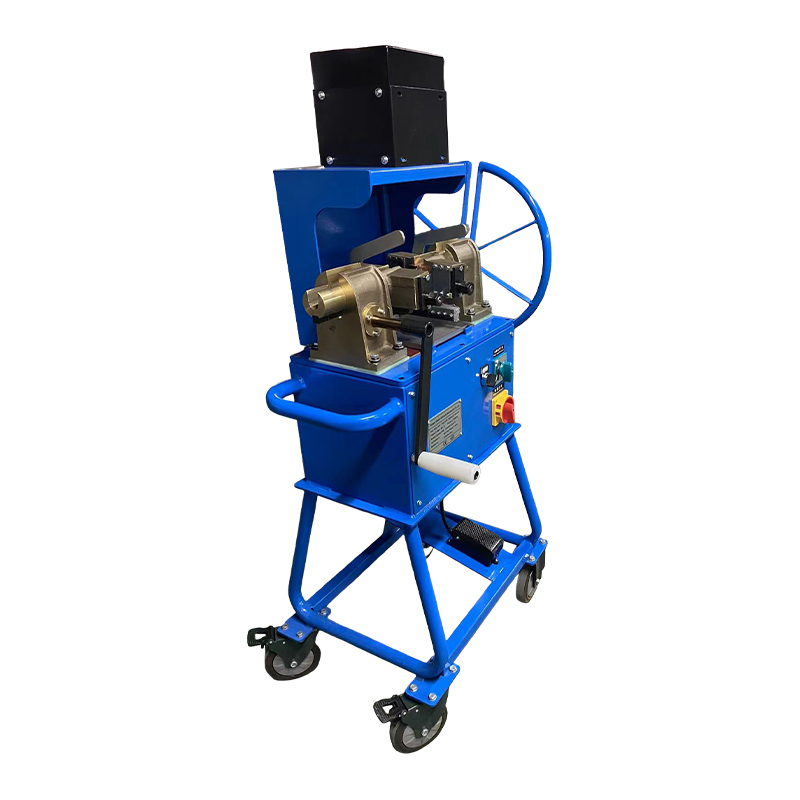
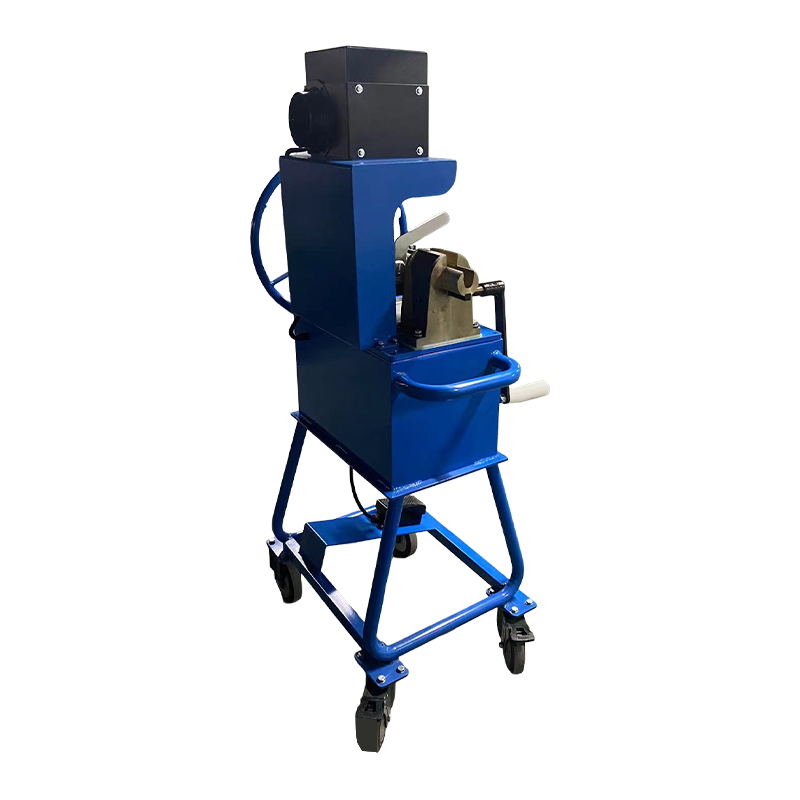
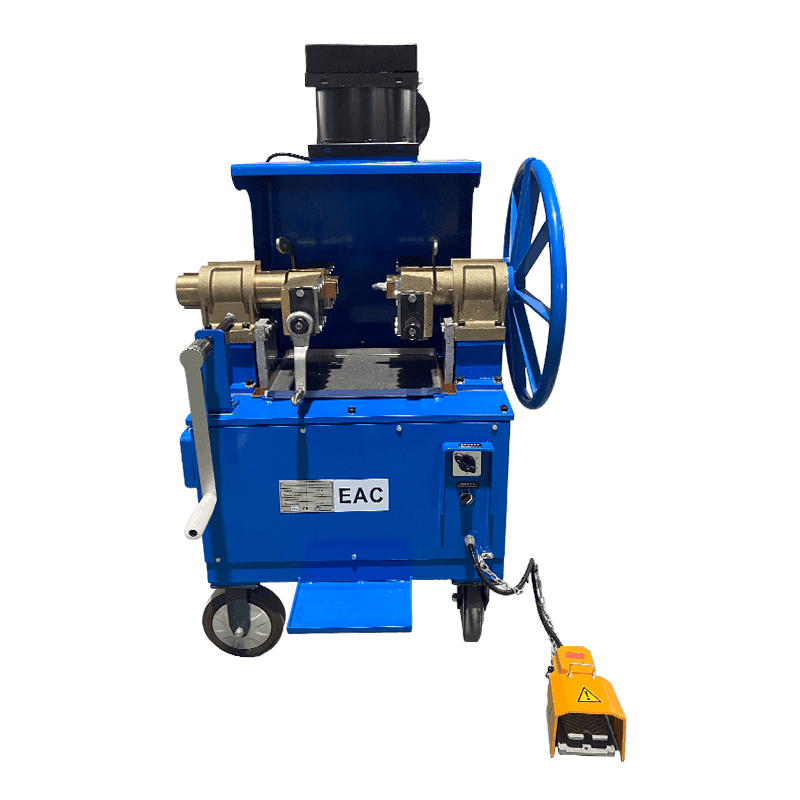
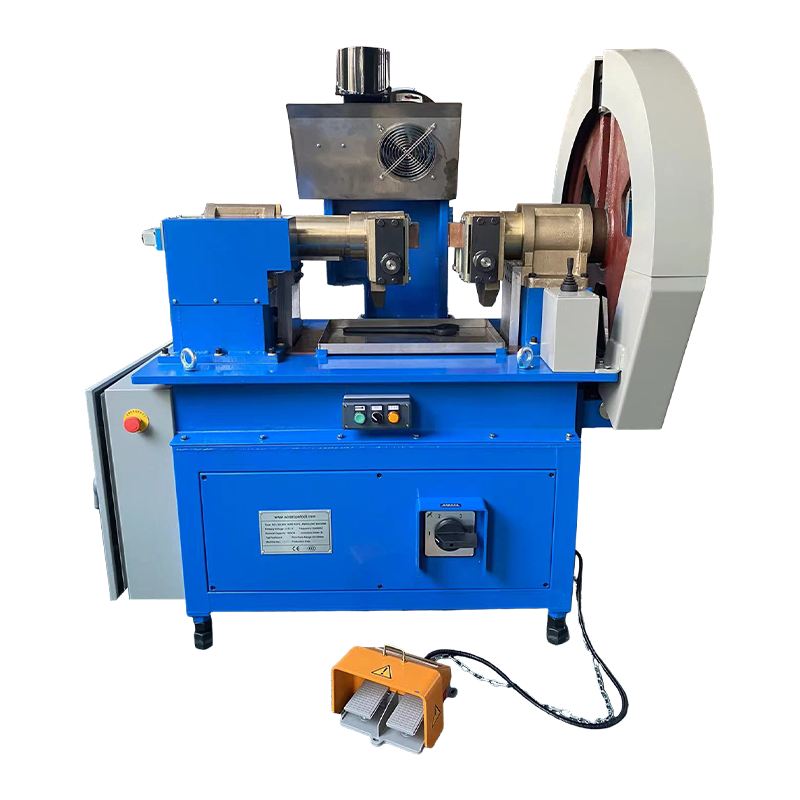
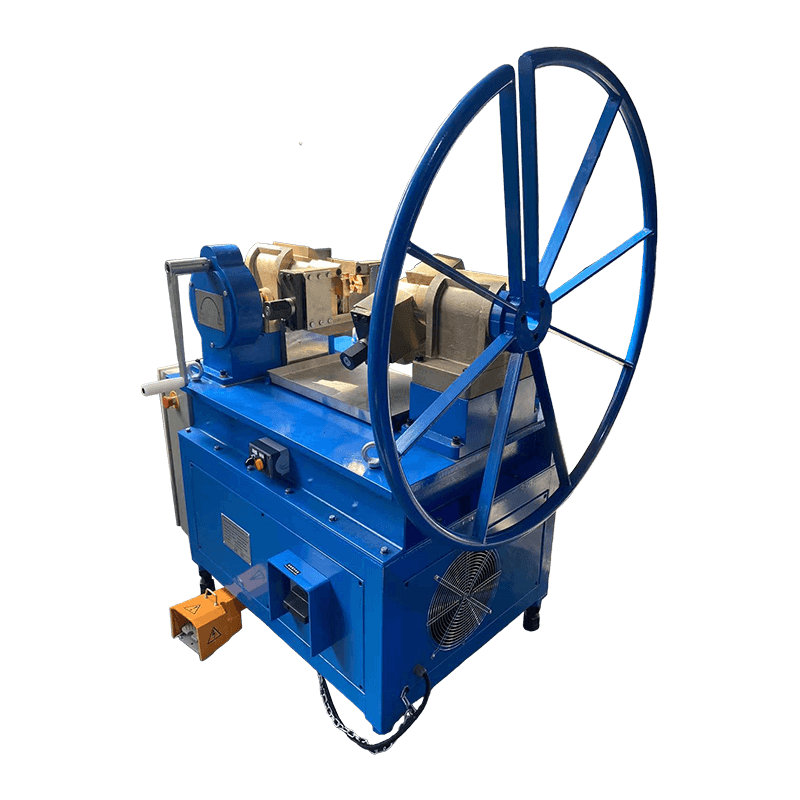
RDQ series steel wire rope cutting and tapering machines, with high melting speed and easy to operate, are applicable for melting steel ropes of various dimensions, especially elevator ropes, min ropes, crane cables, and other high-quality steel ropes. The steel ropes melted are neat and smooth with conical and spiral ends. These machines are mainly applied by steel rope manufacturers and customers. (e.g. Port, jetty, elevator maker etc.)


Product Features:
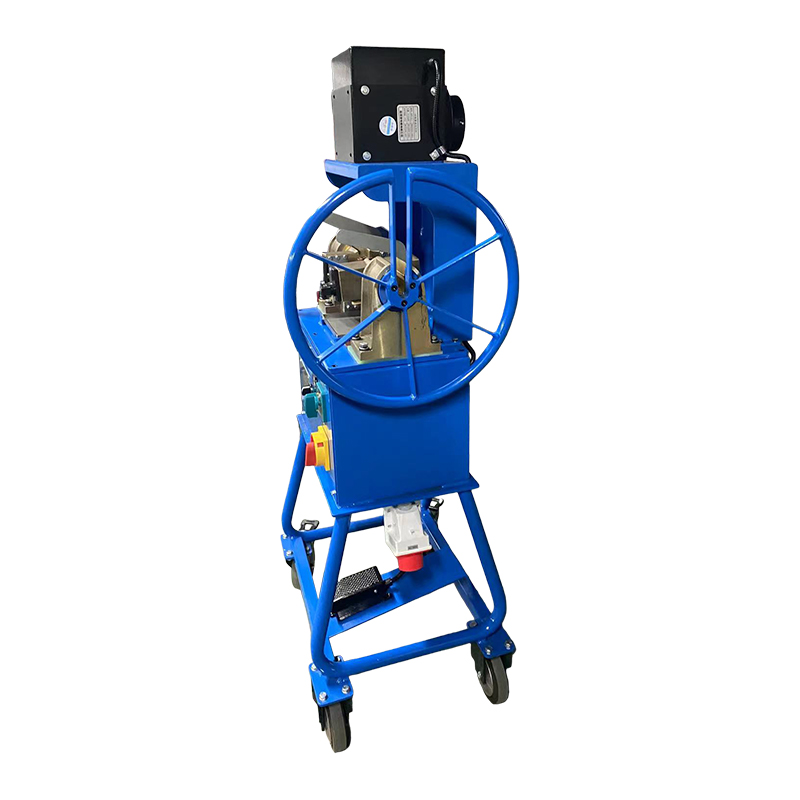
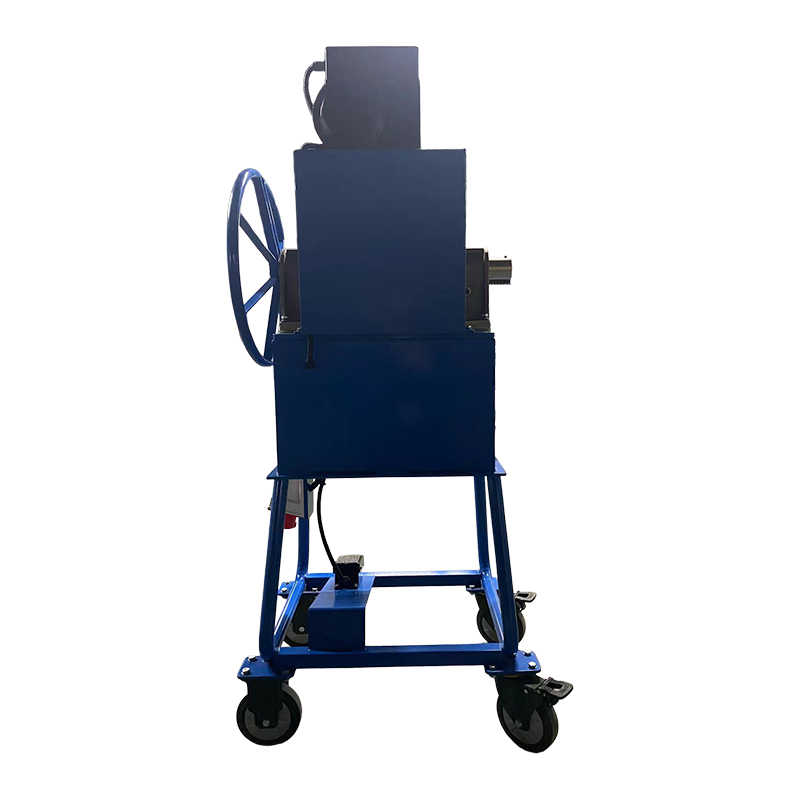
1. Cleverish in shape and convenient to move.
2. With a wide range in melting diameter, the steel ropes can be melted without replacing any parts within the range of prescribed diameter.
3. Easy to operate, no spanner is needed for the tightening device, and the welding head is nice in appearance.
4. Low working power, energy saving, and safe in use.

+ Contact us
  • Parameter
  • Other Descriptions
  • Contact
Technical Data
Mode No. RDQ-1010
Rated Power (KW) 5KW
Burn out Range 3-16mm
Dimensions(mm) 130kg
Weight 700x400x1200
Delivery 30 days
Company
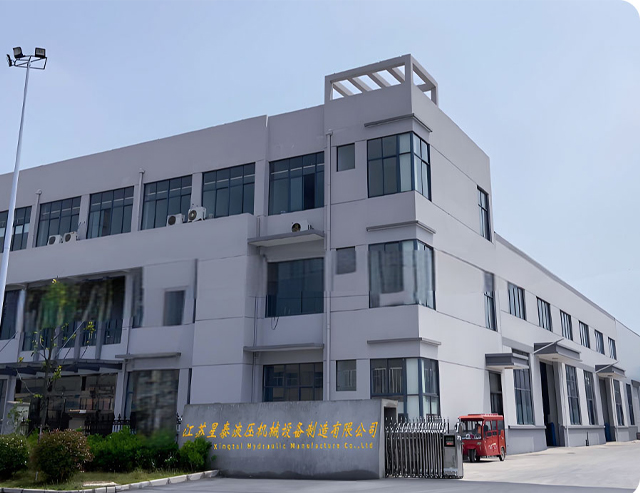
Jiangsu Xingtai Hydraulic Manufacturing Co., Ltd.
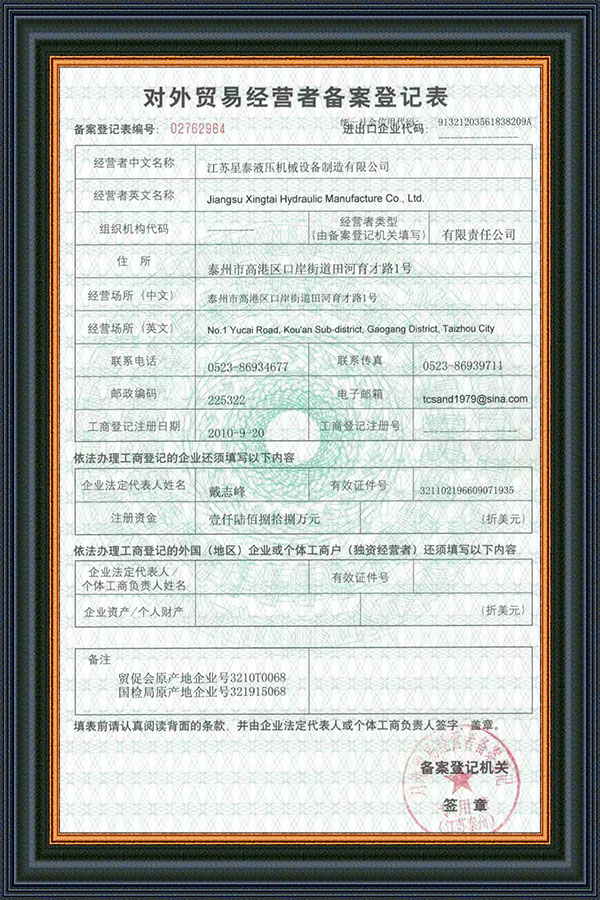
As RDQ-1010 Steel Wire Rope Annealing Machine Manufacturers and RDQ-1010 Steel Wire Rope Annealing Machine Company, Jiangsu Xingtai Hydraulic Manufacturing Co., Ltd. was founded in 1992 and is located in Taizhou City, Jiangsu Province, China. The company specializes in manufacturing hydraulic wire rope pressing machines, wire rope annealing and tapering machines, aluminum sleeves, and lifting clamps. Xingtai Hydraulic is equipped with advanced production facilities, strong technical capabilities, authoritative testing equipment, and a comprehensive quality management system.

The swaging components of Xingtai Hydraulic machines are forged from high-strength alloy steel. The machine body is manufactured from a single block of material, ensuring structural integrity and long service life. Our hydraulic systems utilize a dual-pressure pump oil supply system, which enables fast upward and downward movement while ensuring a smooth pressing process. This design significantly improves pressing quality and production efficiency.

Xingtai Hydraulic machines have been exported to numerous countries, including the UK, Australia, the Netherlands, Latvia, Malaysia, Thailand, India, Russia, Botswana, Poland, and others.

Guided by the philosophy of "high quality, competitive price, and lasting commitment," we strive to meet our customers' needs and provide them with the best service. We remain dedicated to serving both existing and new clients with the same level of excellence as we work together to build a successful future.
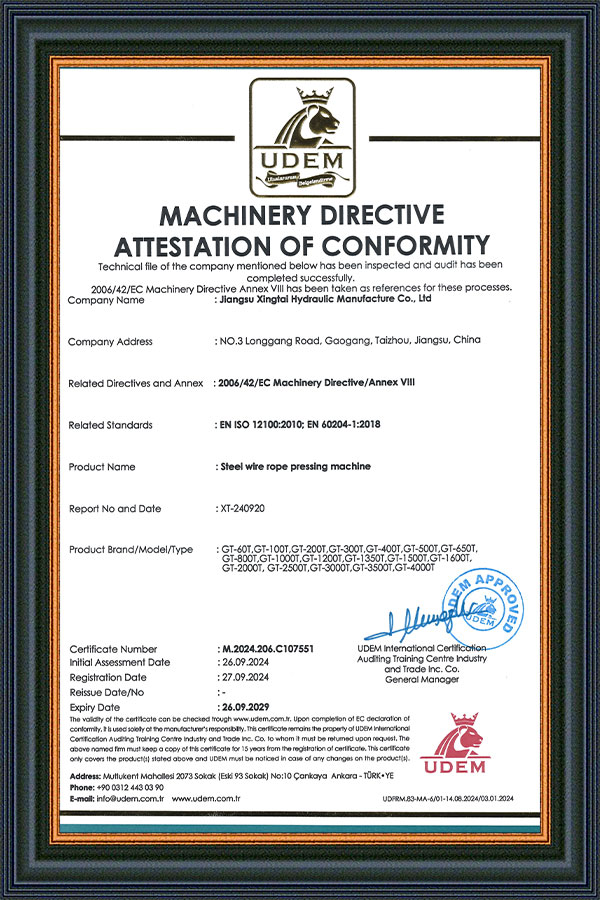
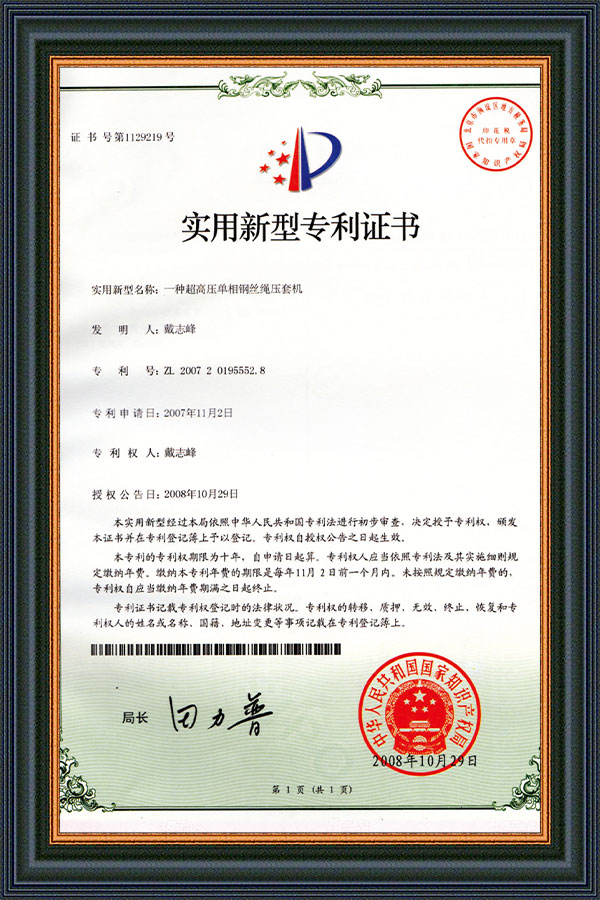
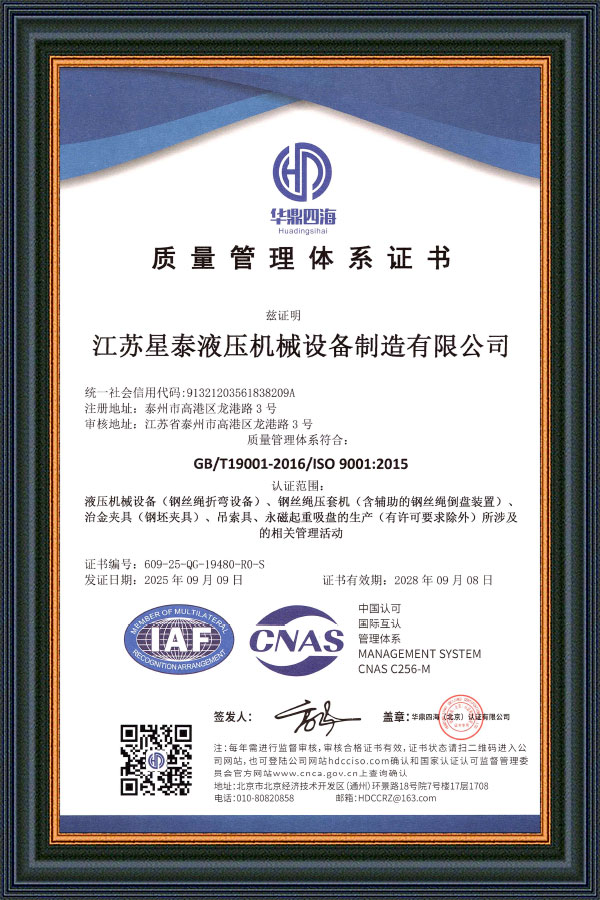
Certificate Of Honor
  • Certifications
  • Certifications
  • Certifications
  • Certifications
News
  • A wire rope sling making machine works by using controlled hydraulic force to permanently compress a metal ferrule (sleeve) around the looped end of a steel wire rope — a process known as swaging or crimping. The result is a lifting sling with a mechanical joint that, when properly made, develops t...

    READ MORE
  • Conclusion: Quality Lifting Wire Rope & Rigorous Maintenance Drastically Reduce Accidents Analysis of over 3,400 lifting operations confirms: using certified high-strength steel cables together with proper wire rope fittings and heavy-duty rigging gear lowers load-drop incidents by 62% to 78%. ...

    READ MORE
  • Before restarting the GT-60 Hydraulic Wire Rope Swage Press Machine (C Frame), operators must complete three critical pre-restart checks: (1) inspect the hydraulic oil level and verify there are no leaks, (2) confirm the swage dies are properly seated and fully closed without obstruction, and (3) e...

    READ MORE
Industry Knowledge

1. Why Is Annealing Important in Wire Rope Processing? – The Metallurgical Foundation

Annealing is a critical heat treatment process in wire rope manufacturing that relieves internal residual stresses, restores ductility, and refines the microstructure of steel wire after cold drawing. Without proper annealing, cold-drawn wire retains high residual stresses (up to 700 MPa), leading to 30–60% reduction in fatigue life, increased susceptibility to stress corrosion cracking, and premature strand breakage under cyclic loading.

The annealing process involves heating wire to a controlled temperature (typically 200–680°C depending on steel grade and desired outcome), holding for a specific soak time, and then cooling at a controlled rate. This transforms the work-hardened, brittle microstructure into a stress-free, ductile state while preserving the high tensile strength required for lifting and mooring applications. Modern continuous annealing lines achieve line speeds of 50–300 m/min with temperature uniformity of ±5°C.

2. Key Benefit #1: Residual Stress Reduction & Fatigue Life Extension

Cold drawing accumulates dislocations in the steel crystal lattice, creating internal tensile stresses that accelerate crack initiation. Annealing reduces these stresses by 80–90%, directly improving fatigue performance. The chart below compares residual stress levels across different treatment conditions.

Residual Surface Stress (MPa) – Before vs. After Annealing

Cold-drawn wire (no treatment)
560–700 MPa
After low-temperature stress relief (200–350°C)
250–380 MPa
After full recrystallization anneal (500–650°C)
50–120 MPa
After induction annealing (optimized cycle)
30–80 MPa

Fig. 1 – Annealing reduces residual surface stress from 700 MPa to below 120 MPa, a reduction of over 80%, directly improving fatigue resistance.

This stress reduction translates into measurable performance: properly annealed rope wire shows a 40–55% improvement in bend-over-sheave fatigue life and a 25–35% increase in torsional ductility compared to non-annealed wire.

3. Key Benefit #2: Dramatic Fatigue Life Improvement Under Cyclic Loading

Laboratory fatigue tests on 1770 MPa grade wire (10 mm diameter, 30% of breaking load cyclic) demonstrate the critical importance of annealing temperature selection. The optimal temperature window of 500–650°C delivers the greatest fatigue benefit.

Annealing Temperature vs. Fatigue Life Improvement (%) for 1770 MPa Grade Wire

Fatigue Life Gain (%) Annealing Temperature (°C) 0 10 20 30 40 50 60 200 300 400 500 600 700 Optimal zone: 500–650°C Over-anneal

Fig. 2 – Optimal annealing temperature window (500–650°C) delivers 48–55% fatigue life improvement. Exceeding 700°C causes grain growth and performance loss.

For mining hoist ropes and crane applications subject to millions of load cycles, this fatigue benefit translates into 2–3x longer service life and significantly reduced replacement frequency.

4. Key Benefit #3: Restored Ductility & Torsional Toughness

Cold drawing reduces wire elongation at break from 10–12% (annealed state) to 3–4% (fully drawn). Annealing restores ductility, allowing the wire to withstand bending, twisting, and shock loads without fracturing. The chart below compares torsional ductility across processing conditions.

Torsional Ductility (turns to fracture, 100x diameter gauge length)

Torsion turns to fracture Wire condition 0 5 10 15 20 25 30 35 8 turns 18 turns 28 turns 32 turns Cold-drawn Stress-relieved Full annealed Induction optimized

Fig. 3 – Proper annealing increases torsional ductility from 8 turns to 28–32 turns, meeting EN 10264 requirements for high-performance rope wire.

Suspension bridge main cable wire requires a minimum of 16 torsion turns without fracture – a requirement that essentially mandates controlled annealing of the drawn wire prior to stranding.

5. Annealing Requirements by Wire Rope Product Type

Different wire rope applications require specific annealing treatments. The table below summarizes recommended temperature ranges and key benefits for each product category.

Table 1 – Recommended annealing parameters by wire rope product type.
Product Type Annealing Temp. Range Primary Benefit Typical Fatigue Life Increase
Galvanized wire rope (pre-anneal) 450–600°C Ductility for cold-drawing +35%
Stainless steel wire rope (bright anneal) 900–1100°C Corrosion resistance + ductility +50%
High-carbon steel (mining/lifting) 350–450°C (stress relief) Fatigue life, preserve 90% strength +40–55%
Pre-formed / compacted rope 180–280°C (light anneal) Reduce springback, uniform lay +25% (handling)

For critical applications such as suspension bridge main cables and mine hoist ropes, annealing is mandatory per ASTM A1023 and EN 12385 standards.

6. Frequently Asked Questions About Wire Rope Annealing

Q1: What is the difference between stress relieving and full annealing for wire rope?
A1: Stress relieving (200–450°C) reduces residual stress without significantly changing grain structure or tensile strength – ideal for finished rope wire. Full annealing (480–680°C) causes recrystallization, producing softer, more ductile wire for intermediate drawing passes but reduces strength by 15–25%.

Q2: Can wire rope be over-annealed? What are the consequences?
A2: Yes. Exceeding 700°C for high-carbon steel causes grain growth and partial austenitization, leading to a sharp drop in fatigue life (see Fig. 2) and potential martensite formation during cooling – a catastrophically brittle microstructure. Over-annealed wire may lose up to 40% of tensile strength.

Q3: What atmosphere is required during annealing to prevent oxidation?
A3: For carbon steel wire, a 95% N₂ / 5% H₂ (HNX atmosphere) with dew point below -20°C prevents scaling. For stainless steel, bright annealing requires a hydrogen-rich atmosphere with dew point ≤ -40°C to maintain the passive chromium oxide layer.

Q4: How is annealing quality verified in production?
A4: Quality control includes tensile testing (preserve 90–95% of target strength), torsion testing (minimum 16–32 turns), reverse bend tests, and residual stress measurement via XRD (target <150 MPa). Microstructure examination at 200–1000× magnification confirms recrystallization and absence of undesirable phases.