 English
 русский
 Français
 Español
 Português
 Deutsch
 عربى
عربى Türk
Türk
Content
- 1 What Does "Cut to Length" Mean in Wire Rope Processing?
- 2 Why Accurate Cut-to-Length Is Critical for Safety and Cost
- 3 The Wire Rope Cut-to-Length Process Step by Step
- 4 Choosing the Right Cut-to-Length Equipment
- 5 Common Cut-to-Length Mistakes and How to Avoid Them
- 6 Maintenance Tips for Cut-to-Length Machines
- 7 Frequently Asked Questions About Cut-to-Length Wire Rope
- 7.1 What is cut to length in wire rope?
- 7.2 What tolerance can be achieved when cutting wire rope to length?
- 7.3 Is annealing required before swaging a cut-to-length rope?
- 7.4 Can a manual cut-off wheel be used for cut-to-length work?
- 7.5 How do I choose the right hydraulic swaging press for cut-to-length slings?
Imagine a workshop that has just won a contract to produce 120 identical wire rope slings, each 3.75 metres long with a swaged aluminium sleeve at one end. The operator sets up a cut-off wheel and measures the first rope by hand. The second piece is a few millimetres longer. The third is shorter again. By the time the run is finished, ten slings fall outside the acceptable length tolerance. Some must be scrapped, and the delay pushes back delivery. This is exactly the problem that a well-designed cut-to-length process solves.
Cut to length in wire rope processing means cutting a rope to a precise, repeatable length and preparing its ends for the intended termination. It is not a single action; it is a controlled sequence that includes measuring, cutting, end treatment and, in many cases, swaging. For manufacturers, suppliers and wholesalers of lifting slings, the difference between a professional cut-to-length line and a random cutting bench often shows up in safety records, scrap rates and customer complaints.
Key point: A repeatable cut-to-length operation is the foundation of every safe and efficient wire rope sling.
What Does "Cut to Length" Mean in Wire Rope Processing?
Cut to length is a manufacturing term used when a wire rope is cut from a bulk coil to a specified dimension, usually with a stated tolerance. Unlike ordinary cutting, cut-to-length work must produce identical pieces that can be fitted with end fittings such as sleeves, thimbles or eyes without further adjustment. The final product may be a single-leg sling, a bridge rope, a stay cable or a tie-down assembly.
Common tolerance requirements come from engineering drawings or procurement specifications. For many lifting sling applications, a tolerance of ±1% of the cut length is typical. For shorter lengths, an absolute tolerance of ±5 mm is often used. Offshore and aerospace applications may demand even tighter control. The cutting machine, the measuring method and the operator's skill all influence whether these numbers are met.
Because wire rope is a stranded product, the cutting process also affects the rope's condition. If the end is left rough or frayed, it cannot accept a swaged sleeve cleanly. This is why professional cut to length is linked with annealing, tapering, heating or fusing the ends before fitting a socket or ferrule.
Key point: Cut to length is not just a cutting operation; it builds the dimensional foundation for the entire wire rope assembly.
Why Accurate Cut-to-Length Is Critical for Safety and Cost
Length accuracy directly affects the load angle of a sling. A sling that is 10 mm too long or too short on one leg creates an unequal load distribution. In a two-leg sling, this can increase tension in one leg beyond its rated capacity. This is not a cosmetic issue; it is a lifting safety issue.
In manufacturing, inaccurate lengths cause expensive rework. If a rope is cut too long, it may be impossible to trim it after swaging without damaging the fitting. If it is too short, the entire piece becomes scrap. Over a year, these losses can be substantial for an OEM supplier or a wholesaler managing many batch orders.
Repeat lengths also improve productivity. When every cut piece arrives at the swaging station with the same dimensions, the operator can set up the press once and process all pieces quickly. This is especially important for high-volume production.
Finally, audited quality systems often ask for traceability. A well-run cut-to-length line records nominal lengths, measured lengths and batch numbers, supporting compliance with standards such as ASME B30.9 or EN 13414.
Bottom line: Accurate cut-to-length prevents premature strand failure, reduces scrap and allows repeatable assembly.
The Wire Rope Cut-to-Length Process Step by Step
A reliable cut-to-length operation follows a sequence that protects the rope and supports later terminations. The exact order may vary, but the core steps remain the same.
- Measuring and feeding: The wire rope is pulled from a coil or reel through a measuring wheel or laser sensor. A counter records the length and stops the feed at the target value. This removes the need to mark every rope manually.
- Cutting the rope: The cutting unit can use a saw, an abrasive wheel, or a hydraulic blade. A dedicated cutting and tapering machine combines the cut with a taper operation. Mechanical cutting is preferred for clean ends without excessive heat damage.
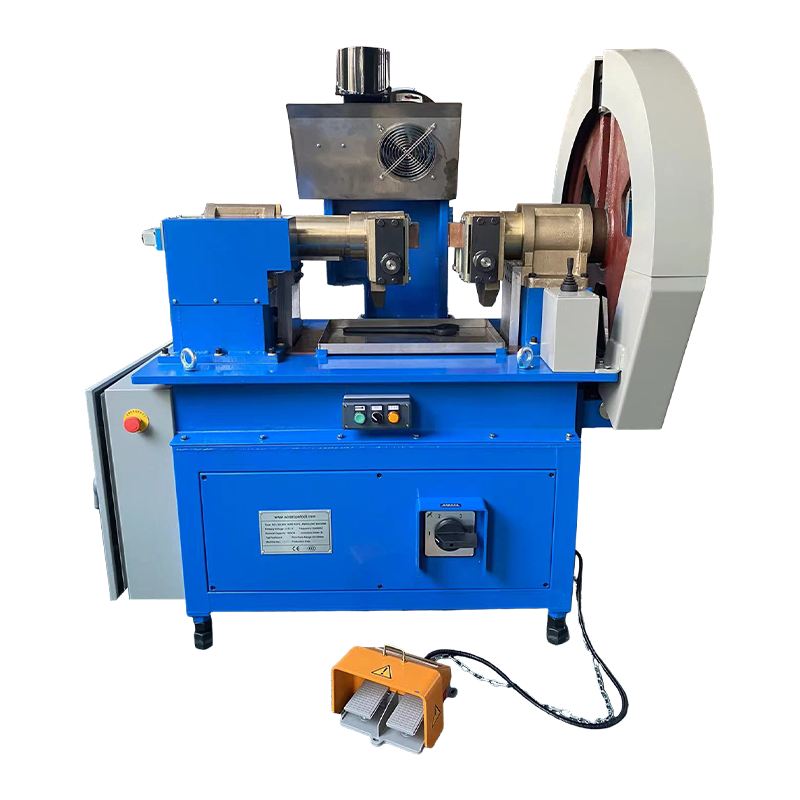
- Annealing or tapering the ends: After cutting, the end strands must be fused or tapered so they do not unravel when the fitting is pressed. A wire rope cutting and tapering machine such as the RDQ1012 heats the end locally and forms a smooth cone-shaped tip. This step is essential before pulling the rope through a sleeve or inserting it into a socket.
- Swaging the end fitting: The finished rope end is placed inside an aluminum or steel sleeve, and a hydraulic press applies high radial pressure. The press squeezes the sleeve into the rope strands, creating a strong mechanical joint. The swaging force must match the sleeve, rope diameter, and construction.
- Final inspection: The crimped sleeve is checked with a go/no-go gauge. The total length is verified while the rope is under a light tension. Any out-of-spec piece is rejected before packaging.
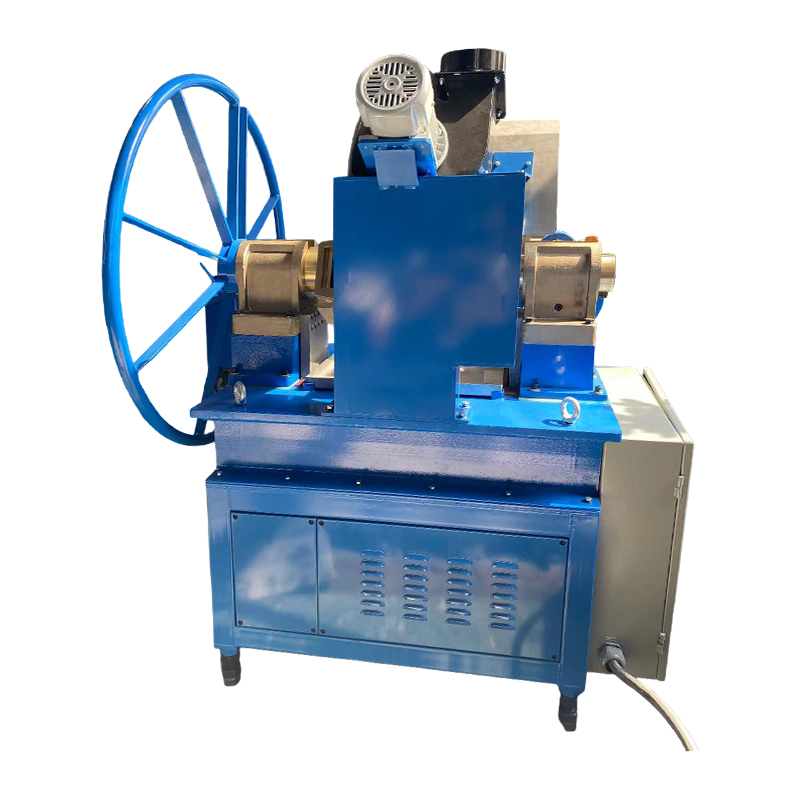 RDQ-1012 Wire Rope Cutting and Tapering Machine for Precise End PreparationThis machine melts rope ends into neat conical or spiral shapes, making the transition to swaging smoother. It suits elevator, mining, and crane ropes within a fixed diameter range without part changes.View Product →
The cutting and tapering stage is where many workshops fail. A simple angle grinder leaves a rough end that is difficult to feed into a sleeve. By using a machine designed for cutting and tapering, you can make the next swaging step much more consistent.
Key takeaway: The order of operations matters. If you skip end preparation, the swaging press cannot produce a reliable termination.
Choosing the Right Cut-to-Length Equipment
To build a reliable cut-to-length line, you need to think beyond the cutting tool. The key components are a decoiling or payoff system, a measuring device, a cutting and tapering machine, and a hydraulic swaging press. If you buy them separately, you must ensure they work together. If you buy from one manufacturer, the compatibility is already solved.
The table below gives a quick comparison of the main machine types used in a wire rope cut-to-length workshop.
| Machine type | Main function | Typical output |
|---|---|---|
| Cutting and tapering machine | Cuts rope and fuses the tip | Clean, tapered rope end ready for swaging |
| Annealing and tapering machine | Anneals end and forms taper | Stress-relieved, tapered end for high-strength assemblies |
| Hydraulic swaging press | Presses sleeves and sockets onto rope | Finished termination with controlled compression |
| Measuring and payoff equipment | Feeds and measures rope from coil | Consistent cut lengths with minimal operator input |
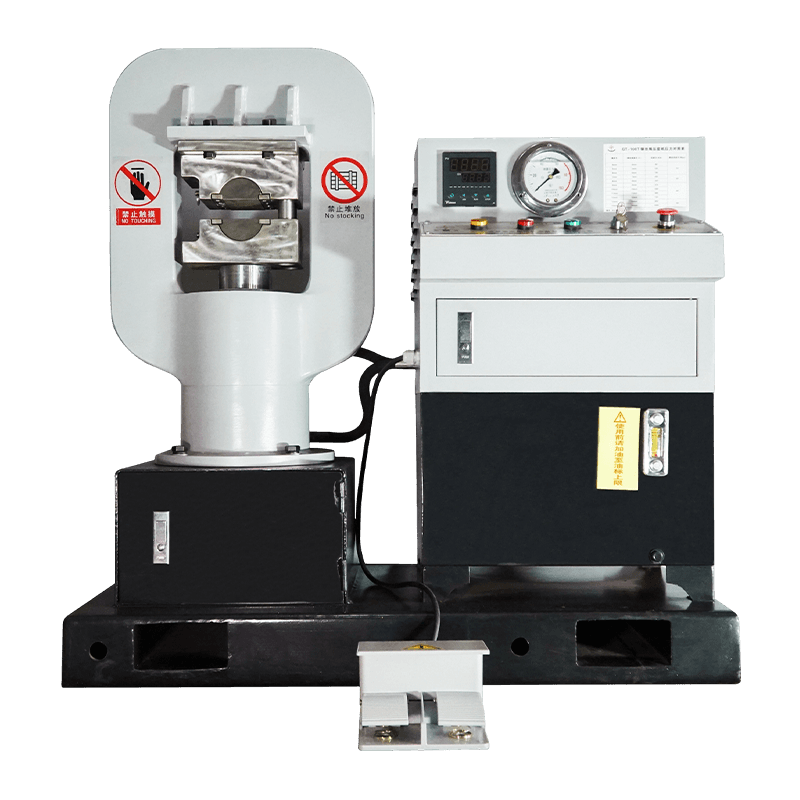
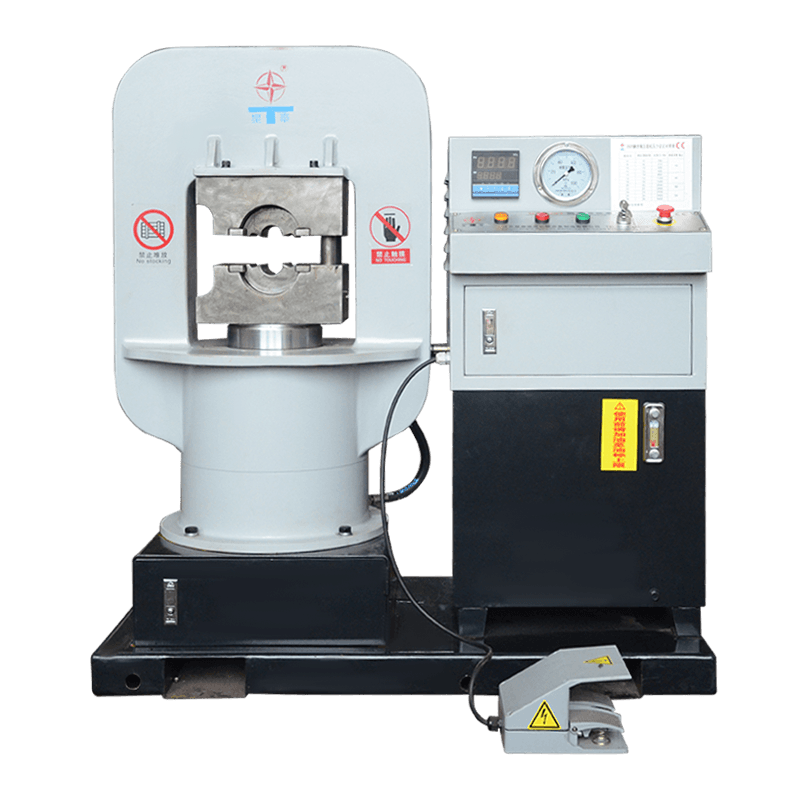
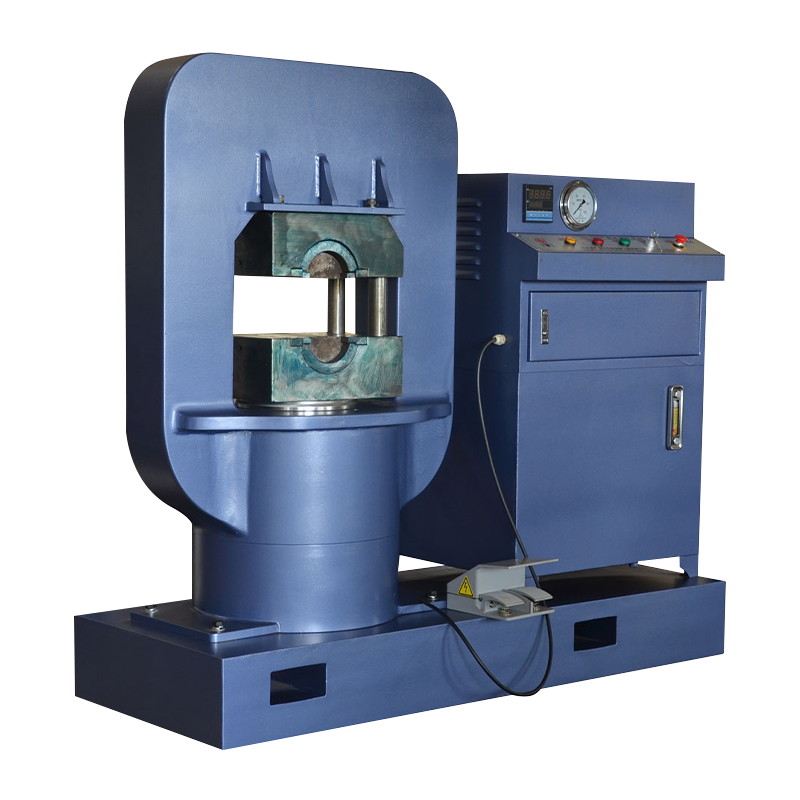
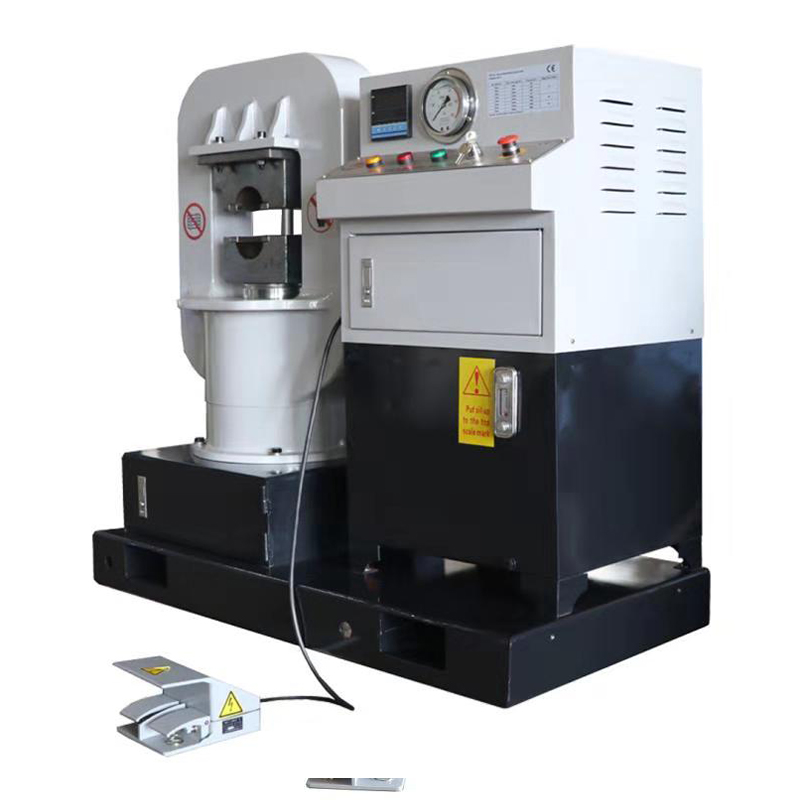 GT-200 Basket-Frame Steel Wire Rope Press for Small-Diameter SleevesIdeal for pressing sleeves on ropes from 2 to 24 mm, this CE-certified press features a compact basket frame, stop-at-any-position piston, and simple operation for consistent sling terminations.View Product →
When choosing a swaging press, look at maximum jaw opening, pressing force and die compatibility. For example, a GT200 basket-frame press is often sufficient for sleeves used on 6x19 and 6x37 ropes in common diameter ranges. The press should also offer a fast approach stroke and a slow pressing stroke to avoid damaging the strands.
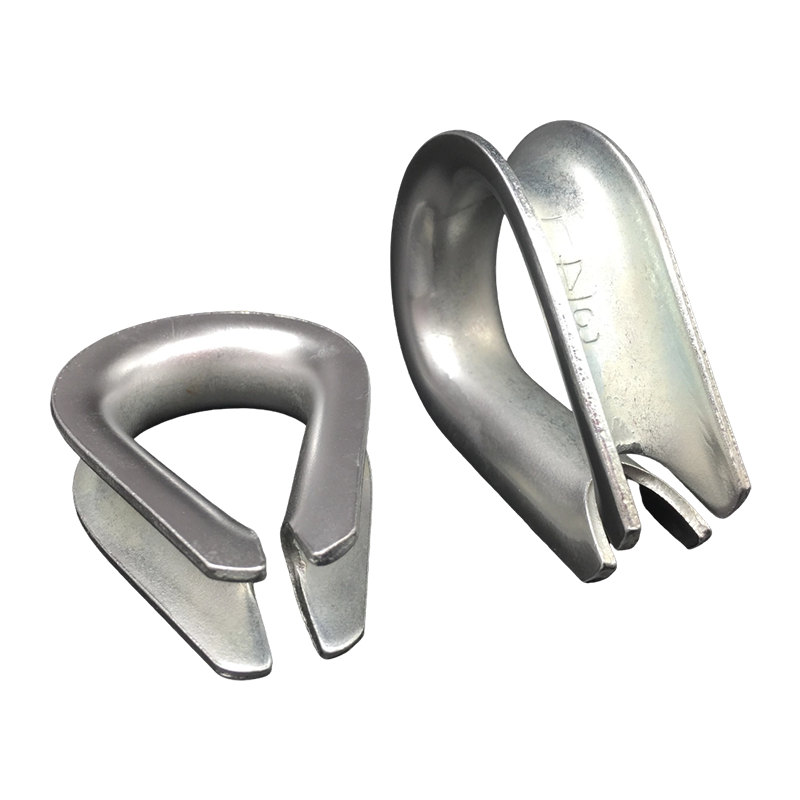
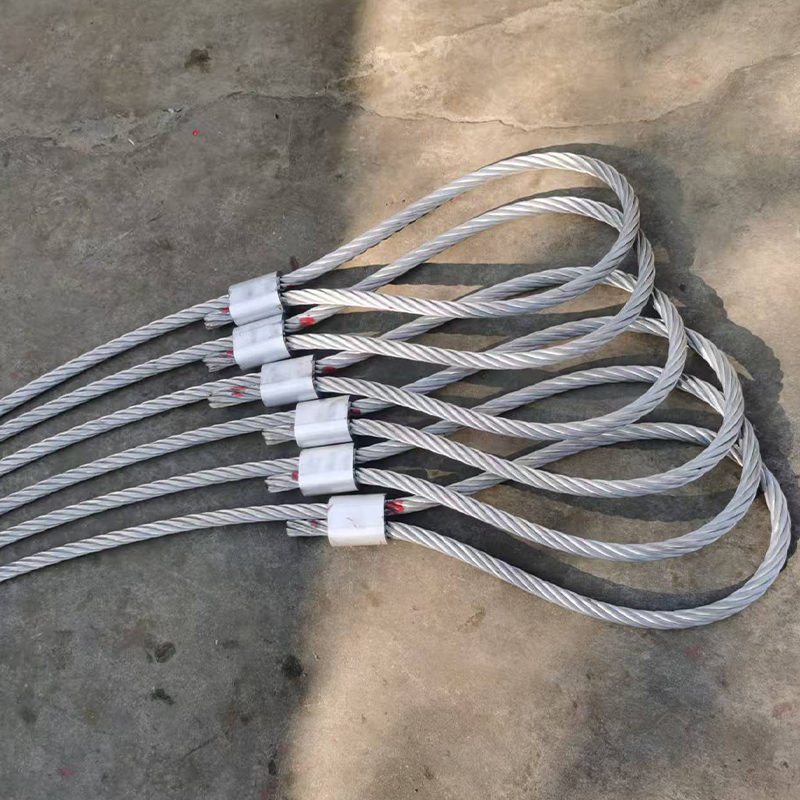 Aluminum Ferrule or Sleeve per DIN3093 for Reliable Rope TerminationsThis DIN3093-compliant aluminum ferrule matches rope diameters from 4 to 20 mm and provides a secure, corrosion-resistant crimp, reducing pull-out risk when paired with the correct pressing die.View Product →
Do not forget the fittings. Aluminum ferrules are widely used in cut-to-length sling production because they deform under pressure and match the rope contour. The ferrule material, inner diameter and wall thickness must be compatible with the rope. Using a generic ferrule with the wrong alloy is a common cause of premature pull-out.
For a complete selection, review the wire rope socket pressing machine range to confirm which model fits your maximum rope diameter and required pressing force.
Selection rule: Match the cutting, tapering and swaging equipment as one system, not as independent machines.
Common Cut-to-Length Mistakes and How to Avoid Them
- Relying on manual tape measurement: Hand marking introduces human error, especially with long ropes. Use a measuring wheel or encoder on a payoff system.
- Ignoring rope elongation: A rope under tension may stretch slightly when measured, then spring back after cutting. Measure at a low, reproducible tension, or apply a correction factor for the rope construction.
- Using the wrong cutting method: Heat from an abrasive wheel can damage the core and adjacent strands. For heat-sensitive ropes, use a hydraulic shear or a dedicated cutting and tapering machine with controlled heating.
- Skipping end preparation: Cutting a rope and leaving the end raw makes swaging difficult and can cause the sleeve to slip. Always taper or fuse the end before pushing it into a ferrule.
- Choosing an undersized press: A press with insufficient tonnage cannot close the sleeve fully, resulting in low pull-out force. Check the press force against the sleeve's required compression load.
- Not verifying after the first piece: When the first cut piece is correct, operators often assume the rest are correct. Check the length and gauge again after every batch change or blade change.
Key message: Most cut-to-length defects come from process control, not from the rope itself.
Maintenance Tips for Cut-to-Length Machines
Cut-to-length machines need regular care to maintain accuracy. Loose dies, worn blades and dirty hydraulic valves all change the output.
Inspect the cutting blade or shear edge frequently. A dull blade produces a rough end and can deform the rope. For heated tapering units, monitor the temperature and the dwell time. Too high a temperature can melt the core; too low a temperature leaves a weak taper.
For hydraulic presses, check the oil level, pressure and cylinder seals. Contaminated oil causes pressure spikes and irregular swaging. Use the manufacturer's recommended viscosity and change interval.
Also calibrate the length measuring system. A small error in the encoder wheel diameter can produce a cumulative error over a long run. Clean the wheel and check its circumference against a test length at least once a week.
Follow the full maintenance precautions for wire rope hydraulic presses to avoid unplanned downtime.
Remember: Preventive maintenance is cheaper than reworking a rejected batch of slings.
Frequently Asked Questions About Cut-to-Length Wire Rope
What is cut to length in wire rope?Cut to length means cutting wire rope from a coil to a specified dimension with a controlled tolerance. In practice, it includes preparing the rope end so it can accept a swaged sleeve or socket. The result is a ready-to-assemble piece used in slings, tie-downs or structural cables. |
What tolerance can be achieved when cutting wire rope to length?A typical tolerance is ±1% of the cut length for general sling work. Many production drawings use ±5 mm for shorter pieces. High-end applications may require tighter control, which usually demands a precision measuring wheel, a stable payoff tension and a calibrated cutting machine. |
Is annealing required before swaging a cut-to-length rope?Annealing is not always required, but some form of end preparation is. Tapering or fusing the rope end prevents the strands from spreading and makes it easier to push the rope into a sleeve. Annealing also reduces hardness and helps the sleeve bite more evenly, which is valuable for high-strength assemblies. |
Can a manual cut-off wheel be used for cut-to-length work?A manual cut-off wheel can work for simple repair jobs, but it is not recommended for production cut-to-length work. It produces inconsistent ends, creates heat damage and depends heavily on operator skill. A dedicated wire rope cutting and tapering machine gives repeatable length, clean ends and a prepared taper for the next swaging step. |
How do I choose the right hydraulic swaging press for cut-to-length slings?Choose a press based on the rope diameter, sleeve dimensions and required pull-out force. Check the jaw opening, pressing force, die compatibility and cycle speed. A basket-frame press like the GT200 is a practical starting point for many 6x19 and 6x37 wire rope constructions. If you also produce sockets, a larger model may be necessary. |
Final FAQ note: Good answers to cut-to-length questions always come back to consistent measuring, controlled cutting and verified swaging.
Cut-to-length wire rope production is not a single machine decision. It is a system that links measuring, cutting, end preparation, swaging and inspection. Choosing the right equipment for each step, and keeping that equipment under control, allows a manufacturer, supplier or wholesaler to deliver safe, consistent assemblies.
Whether you operate a small rigging shop or a large cable assembly plant, start with a reliable cutting and tapering machine, pair it with a correctly sized hydraulic press, and use certified aluminum or steel ferrules. That combination gives you the repeatability that cut-to-length work demands.
Final thought: Invest in process control as much as in machine hardware, and your cut-to-length output will stay within tolerance for years.
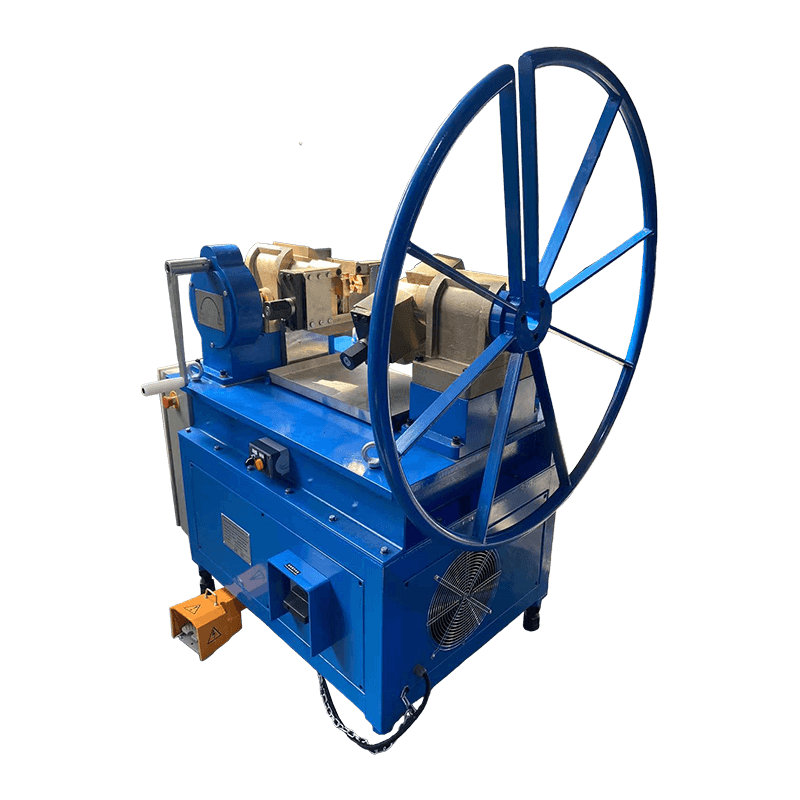

If you require custom hydraulic equipment or technical consultation, please feel free to contact the Xingtai Sales and Engineering Team.
-
 +86-523-86934677
+86-15896002505 -
 [email protected]
-
 +86-15896002505
-
 No. 3 Longgang Road, Gaogang Port Street, Taizhou City, China.
Copyright © Jiangsu Xingtai Hydraulic Manufacturing Co., Ltd. All Rights Reserved. Custom hydraulic machinery manufacturers Wholesale wire rope swagers Factory

