 English
 русский
 Français
 Español
 Português
 Deutsch
 عربى
عربى Türk
Türk
Content
- 1 What Is a Coiling Head in Wire Rope Processing?
- 2 Types of Coiling Heads and Common Applications
- 3 How to Choose a Coiling Head for Your Production Line
- 4 Material Quality and Manufacturing Considerations for Coiling Heads
- 5 Coiling Head Maintenance and Common Faults
- 6 Frequently Asked Questions About Coiling Heads
- 6.1 What is the difference between a coiling head and a laying head?
- 6.2 What size coiling head do I need for a 20 mm wire rope?
- 6.3 Can a coiling head be retrofitted to an existing reeling machine?
- 6.4 How do I prevent the rope from twisting during coiling?
- 6.5 How often should a coiling head be serviced?
- 7 Coiling Head Solutions from a Trusted Manufacturer
A coiling head is the rotating assembly that receives wire rope, annealed wire ends, or wire rod and forms it into a tightly controlled spiral coil. For manufacturers that produce wire rope slings, cable terminations, or reeling packages, the coiling head is a load-bearing and shape-defining component of the production line. Getting its design wrong can cause rope twisting, inconsistent coil diameter, and scrap. Getting it right improves uptime, output quality, and operator safety.
This guide explains how coiling heads work, what types are available, how to select the right one, and how to maintain it. It focuses on wire rope processing equipment commonly used by rope and sling manufacturers, as well as reeling machine operators. If you are a manufacturer, supplier, or wholesaler evaluating coiling equipment, the information below will help you make a more informed purchase decision.
What Is a Coiling Head in Wire Rope Processing?
A coiling head is the part of a reeling or winding machine that rotates the wire rope around a central axis. It typically includes a driven spindle, a guide deck, feed rollers, and a forming collar. The rope path is controlled by the angle between the incoming wire and the rotating head. As the head spins, the rope is laid in adjacent loops.
In a wire rope reeling machine, the coiling head works with a traverse mechanism that moves the rope laterally. This prevents the rope from piling up in one spot. Some coiling heads also include a pressure roller that pinches the rope against the drum or the previous layer, ensuring a dense, stable coil.
The working principle is straightforward: the incoming rope should enter at a constant speed, while the head rotation speed and traverse speed are synchronized. If synchronization fails, the coil becomes loose, gaps appear, or the rope may overlap. That is why precision matters in a production-grade coiling head.
Key Components of a Coiling Head
- Spindle or shaft: transfers torque to the rotating assembly.
- Guide rollers: steer the rope into the correct pitch.
- Forming dies or shoes: shape the loop diameter.
- Tension brake: maintains back tension during winding.
- Traverse drive: moves the rope along the drum width.
Each component affects the final coil. For example, a worn guide roller can create surface score marks on galvanized rope. A rigid spindle reduces vibration and keeps the coil edge clean.
Types of Coiling Heads and Common Applications
Coiling heads can be grouped by their drive system and control method. Manual heads are simple and inexpensive, but they depend heavily on operator skill. Electric heads are convenient for light-duty packaging and general reeling. Hydraulic heads provide high torque and smoother speed control for heavy wire rope. Servo heads add position feedback and are ideal for high-speed precision lines.
| Type | Working Principle | Best Suited For | Typical Capacity |
|---|---|---|---|
| Manual coiling head | Hand-cranked spindle with simple guides | Low-volume repair shops | Below 200 kg coils |
| Electric coiling head | AC motor driven with fixed speed | Light reeling, packaging | 200-800 kg coils |
| Hydraulic coiling head | Hydraulic motor with torque control | Heavy rope and sling production | 1-10 t coils |
| Servo coiling head | Servo motor with encoder feedback | High-speed precision lines | Variable, high repeatability |
To compare these options in practice, the chart below summarizes how customers weigh different coiling head features when they build or upgrade a wire rope processing line. The data comes from feedback collected during machine commissioning visits. It reflects the percentage of customers who identified a specific capability as the main driver for their final configuration. The chart is not a performance specification; it is a decision-support overview. Read it as a starting point for your own selection checklist.
The chart shows that hydraulic power is the dominant requirement for heavy-duty sling manufacturing. High-speed cutting and tapering lines also emphasize hydraulic torque, but they put more weight on precise feeding. Annealing and tapering cells prefer compact designs because floor space is limited. General reeling operations are less demanding and often accept electric coiling heads. Field repair teams adopt manual heads because they are easy to relocate. This pattern tells us that the coiling head must be matched to the process, not bought as a generic accessory. For a manufacturer, selecting a head with the right torque curve reduces motor overloads. For a supplier, offering multiple drive options helps clients future-proof their lines. Rigid frames and machined guide surfaces appear as a common need across all categories. When you specify a coiling head, think about the full duty cycle, not just the maximum rope diameter. A head that satisfies both tensile force and traverse accuracy will minimize coil defects. That is why our engineering team treats the coiling head as part of the whole reeling system rather than a separate component.
How to Choose a Coiling Head for Your Production Line
Choosing a coiling head is a technical decision that should be based on measurable parameters. Start with the rope diameter range, because that determines the size of the guide rollers and forming dies. Next, calculate the maximum pulling force needed for the heaviest rope you process. Then look at line speed and traverse ratio to ensure the head can synchronize with your downstream equipment.
| Parameter | Why It Matters | What to Check |
|---|---|---|
| Rope diameter range | Determines guide roller and die size | Ensure maximum and minimum rope sizes are covered |
| Pulling force / torque | Prevents slipping and motor stalling | Compare with your heaviest rope condition |
| Rotation speed | Affects production rate and coil tightness | Match with line speed and traverse ratio |
| Coil diameter and width | Defines package size for shipping and storage | Check drum or coil former dimensions |
| Drive type | Affects energy consumption and control | Choose electric, hydraulic, or servo based on duty cycle |
For a typical industrial rope line, a coil diameter tolerance of plus or minus 2 percent is a reasonable starting target. If your packaging downstream is automated, you may need tighter control. Also consider the floor footprint. A compact coiling head with a separate control cabinet can save valuable space in an existing workshop.
- Check that the guide surfaces are hardened and replaceable.
- Ask for the motor torque curve, not just the motor power.
- Verify that the traverse stroke matches your drum width.
- Confirm that safety interlocks are included for emergency stops.
- Request documentation for the allowable radial load on the spindle.
When you work with a manufacturer or supplier, ask how the coiling head is tested. A reputable partner should be able to provide dimensional reports, material certificates, and a practical test result at your maximum rope size.
Material Quality and Manufacturing Considerations for Coiling Heads
A production coiling head is subjected to continuous cyclic loads, sliding friction, and occasional shock. This is why material quality matters just as much as dimensional accuracy. Forged alloy steel frames resist deflection better than welded fabrications of the same weight. Guide rollers with a surface hardness of HRC 50 to HRC 55 extend service life by reducing wear from the rope strands.
Heat treatment is another important step. A properly hardened and tempered spindle can absorb torsional loads without permanent deformation. After machining, the rotating assembly should be balanced to avoid vibration at high speed. Even a small imbalance can cause the coil to shift and create poor layers.
- Single-piece frame construction: reduces bolted joint loosening and improves rigidity.
- Alloy steel shaft with induction hardening: resists torsional fatigue.
- Replaceable wear liners: simplify maintenance and lower long-term cost.
- Precision machined guide slots: keep the rope path stable.
In our own manufacturing plant, coiling head assemblies are produced with the same heavy-duty principles as our hydraulic presses: single-piece construction, alloy steel, and strict dimensional inspection. Each head is verified against the customer's rope diameter and coil width before it leaves the factory.
Coiling Head Maintenance and Common Faults
Routine maintenance of a coiling head should be scheduled at least once per shift for high-speed lines and weekly for moderate use. The main items to inspect are lubrication, guide surface wear, bolt torque, and belt or coupling condition. Good housekeeping around the head also prevents stray wire from getting into the bearing housings.
| Fault | Possible Cause | Remedy |
|---|---|---|
| Coil diameter varies along the drum | Worn traverse nut or misaligned guide deck | Adjust traverse timing and replace worn parts |
| Rope twists or forms loops | Incorrect tension or excessive head speed | Reduce speed and increase back tension |
| Vibration at high speed | Unbalanced spindle or loose mounting | Check balance and retorque all fixing bolts |
| Surface scoring on outer strands | Burred guide roller or hardened scale on dies | Grind or replace the guide components |
| Motor overload | Bearing seizure or rope jam in forming collar | Stop the line, clear jam, and inspect bearings |
Operators should be trained to recognize the early signs of trouble. A small change in coil pitch can be an early warning of traverse wear. An unusual noise from the bearing zone should be investigated before it becomes a catastrophic failure. Keeping a simple logbook with shift readings is a practical way to trend the condition of the coiling head.
Frequently Asked Questions About Coiling Heads
What is the difference between a coiling head and a laying head?
A laying head is typically used in wire rod mills to form an endless rod into overlapping rings. A coiling head in wire rope processing is usually attached to a reeling or take-up machine, and it controls the winding of a discrete length of rope. Both create spiral coils, but their speed, tension, and product control requirements differ.
What size coiling head do I need for a 20 mm wire rope?
For a 20 mm wire rope, you should choose a coiling head with a minimum spindle bore larger than the rope diameter and a guide slot wide enough to pass the rope smoothly. The required pulling force depends on the rope construction, oiliness, and layer pressure. As a general rule, choose a head rated at least 25 percent above your maximum calculated tension.
Can a coiling head be retrofitted to an existing reeling machine?
Yes, in many cases a coiling head can be retrofitted, provided the existing machine has enough mounting space and a compatible drive. You will need to check the shaft height, flange pattern, and available motor power. Retrofitting is a common way to increase production capacity without replacing the whole line.
How do I prevent the rope from twisting during coiling?
Twisting usually comes from incorrect tension balance or from the rope feeding in at too high an angle. Use a pivot guide that keeps the rope aligned with the center of the head. Maintain back tension with a brake or hydraulic motor, and do not exceed the recommended rotation speed for the rope diameter.
How often should a coiling head be serviced?
The service interval depends on usage. For continuous production, inspect the guide rollers and bearings every 500 operating hours and change lubrication according to the manufacturer's table. For intermittent use, a weekly check is enough to catch wear before it affects coil quality.
If you work with a coiling head supplier, ask for a service manual and spare part list before purchase. That helps your maintenance team plan inventory and reduce downtime.
Coiling Head Solutions from a Trusted Manufacturer
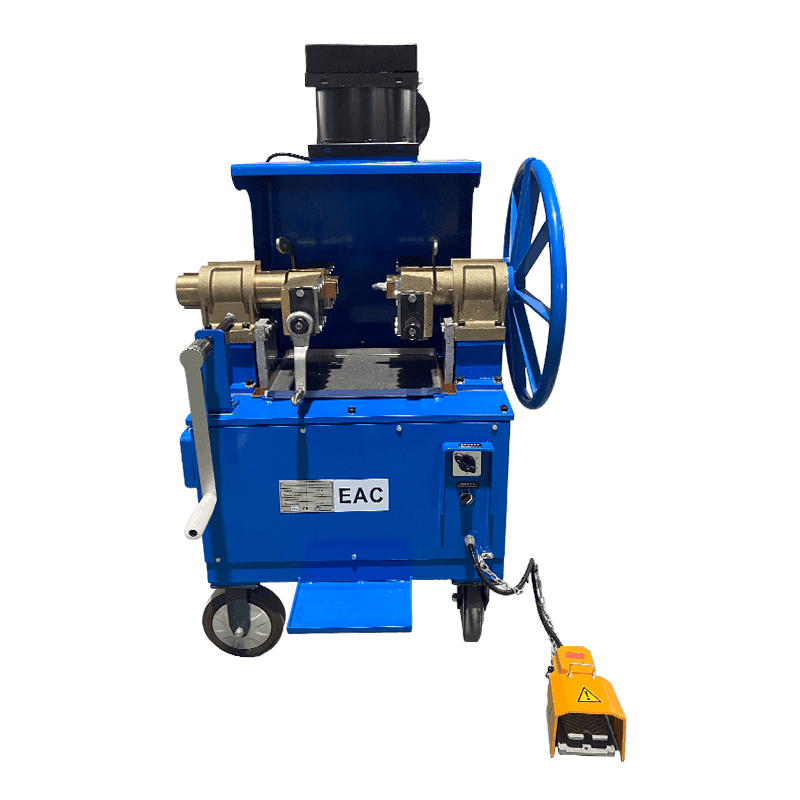
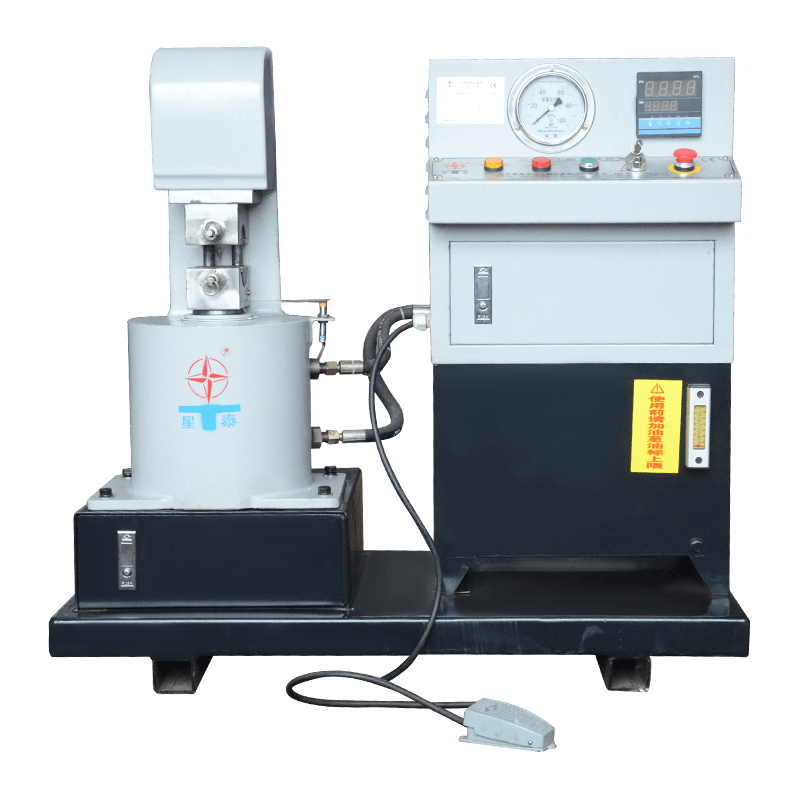
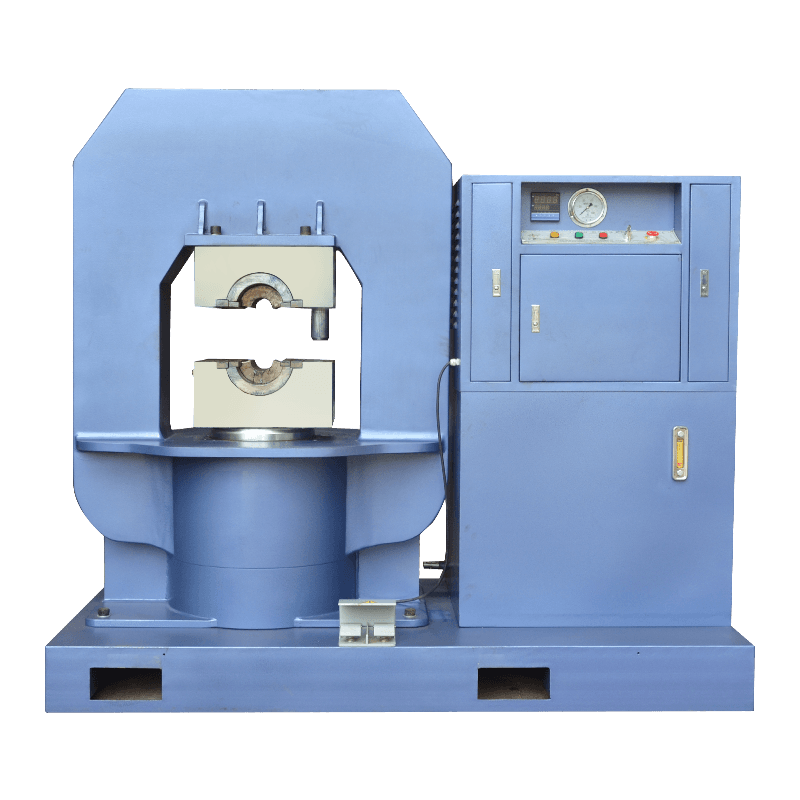
Jiangsu Xingtai Hydraulic Manufacturing Co., Ltd. has been producing wire rope processing equipment since 1992. Our product line includes hydraulic wire rope presses, annealing and tapering machines, and the XT1600 wire rope reeling machine, which integrates a robust coiling head with adjustable tension control. The XT1600 is designed for manufacturers who need steady, repeatable coils without damaging the rope surface.
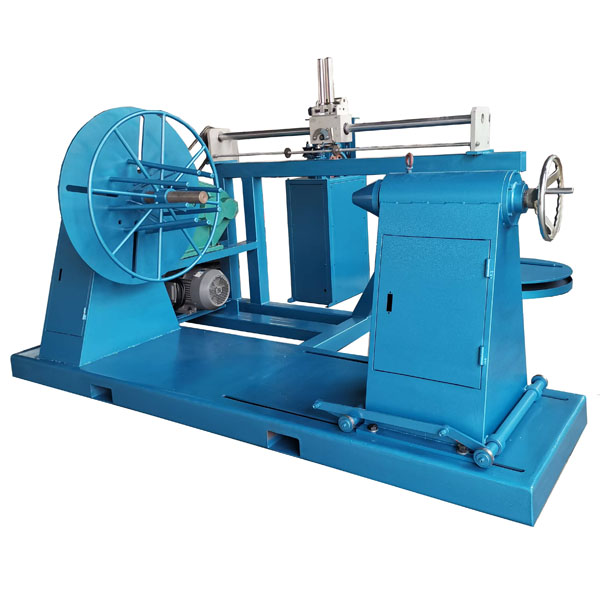 XT-1600 Wire Rope Reeling Machine for Coiling and UnwindingThis reeling machine offers adjustable tension and stepless speed control to produce stable, repeatable coils without surface damage, making it a practical choice for manufacturers needing reliable rope winding and separation.View Product →
As a manufacturer and direct supplier, we offer complete solutions for rope workshops, sling makers, and industrial wholesalers. We export to more than ten countries and can provide customized guide rollers, hydraulic torque settings, and safety interlocks for your specific coil dimensions.
If you want to compare systems, start with our wire rope rolling machine overview. You can also read our article on what a wire rope rolling machine is used for to see how a reeling line fits into a complete production process.

If you require custom hydraulic equipment or technical consultation, please feel free to contact the Xingtai Sales and Engineering Team.
-
 +86-523-86934677
+86-15896002505 -
 [email protected]
-
 +86-15896002505
-
 No. 3 Longgang Road, Gaogang Port Street, Taizhou City, China.
Copyright © Jiangsu Xingtai Hydraulic Manufacturing Co., Ltd. All Rights Reserved. Custom hydraulic machinery manufacturers Wholesale wire rope swagers Factory

