 English
 русский
 Français
 Español
 Português
 Deutsch
 عربى
عربى Türk
Türk
Content
- 1 Why the Coiling Method You Choose Matters
- 2 How to Coil Rope for Storage: Step-by-Step
- 3 Common Coiling Methods and Where Each One Fits
- 4 Which Coiling Method Saves the Most Time at Redeployment
- 5 Coiling and Storing Steel Wire Rope the Industrial Way
- 6 Preparing Rope Ends Before Coiling for Storage
- 7 Storage Conditions That Protect a Coiled Rope
- 8 Application Scenarios and Selection Points
- 9 Frequently Asked Questions About Coiling Rope for Storage
- 10 Related Reading and Resources
A deck hand who dumps a 60-meter mooring line into a loose pile at the end of a shift will pay for it on the next one: knots to pick out, twist to remove, and a stiff set of bends that fights everyone who touches the rope. The reliable answer to how to coil rope for storage comes down to three habits. Coil the rope in loops that cancel twist instead of adding it, lock the finished coil so it cannot loosen on its own, and keep that coil dry, shaded, and off the floor until the rope is needed again.
The details change with the material. A braided polyester line, a three-strand nylon mooring rope, and a steel wire rope each respond differently to coiling, and each punishes careless storage in its own way. This guide covers the hand-coiling methods that work for fiber and synthetic rope, the drum-winding rules that apply to wire rope, the end treatments that stop rope ends from unraveling on the shelf, and the storage conditions that decide whether a rope comes out of storage ready to work or ready for the scrap bin.
Coil to control twist, lock the coil, and store it dry and shaded: those three habits decide whether a rope leaves storage ready for work.
Why the Coiling Method You Choose Matters
Most rope has direction engineered into it. Three-strand laid rope is built from strands twisted helically around the centerline of the rope, and even braided rope balances tension between its cover and core. When a laid rope is wound into simple loops, every full loop adds roughly one full turn of twist in the same direction. Forty loops mean about forty accumulated turns, and when the ends are free, those turns have to escape somewhere. They surface as kinks, hockles, and loops that snap shut into overhand knots the moment the rope is released.
Twist is not only a handling problem. A kinked synthetic rope has been overstressed at the kink, and its working strength is reduced from that point on. In steel wire rope the stakes are higher: a kink displaces strands permanently, and accepted rigging practice is to cut out the damaged section and re-terminate the rope, because a kinked wire rope cannot be trusted under load. Twist stored in a rope also feeds badly into hardware and machinery, from snarled winch drums to uneven spooling on a reeling machine.
This is why coiling methods that cancel twist exist at all. The figure-eight coil and the over-under coil alternate the direction of twist from loop to loop, so the rope comes out of storage close to neutral. Choosing the right method is therefore not a matter of habit or appearance; it is the difference between a rope that keeps its geometry and one that slowly memorizes every mistake.
Every simple loop adds twist, so methods that alternate or cancel that twist protect both the rope's handling and its rated strength.
How to Coil Rope for Storage: Step-by-Step
The sequence below works for a dock crew, a rigging loft, or a farm workshop with nothing more than clear floor space. It takes a few minutes longer than stuffing rope into a bin, and it repays that time on the first pull of the next job.
- Inspect and flake the rope first. Run the full length through your hands, look for cuts, abrasion, glazing, or flat spots, and lay the rope out straight so existing twists can escape before coiling begins.
- Remove residual twist. Hang the rope from a high point and let the free end rotate until it stops, or walk the length while letting the end spin freely. Storing a twisted rope locks that twist in for months.
- Choose a loop size that matches the storage space. Loops with a circumference of roughly 90 to 180 cm suit workshop shelving and peg boards. Larger coils hang better on wide hooks, smaller coils fit bins, but anything tighter than about 30 cm in diameter sets permanent bend memory into stiff rope.
- Coil with a slight counter-twist for laid rope. As each loop forms, rotate the rope a quarter turn between thumb and forefinger in the direction that untwists the lay. Braided rope needs far less of this correction, and the over-under method replaces it entirely.
- Keep the loops even. A coil with loops of matching length sits flat on a shelf, hangs without a heavy side, and pays out without a fight.
- Lock the coil. Hold the loops together, then wrap the working end snugly around the middle of the coil six to eight times. Pass a bight of the end through the top of the coil, fold it down over the whole bundle, and pull the tail tight. The coil now cannot unravel even if it gets knocked around.
- Store it correctly. Hang the coil on a rounded peg wide enough to support it, or set it flat on a shelf. Never leave a locked coil on a concrete floor, where moisture and grit work into the wraps.
For ropes longer than about 80 meters, or for stiff rope that resists hand coiling, the figure-eight method described in the next section usually leaves less twist and pays out faster than the simple loop coil.
Inspect, de-twist, coil with controlled twist, lock the bundle, and get the coil off the floor: five steps that take minutes and protect months of rope life.
Common Coiling Methods and Where Each One Fits
No single coil suits every rope, length, and storage space. The five methods below cover most workshop, marine, and field situations, and each earns its place for a specific reason.
Alpine coil
Loops gathered over the shoulder and secured with wraps. Fast to make and easy to carry, but it adds twist to laid rope. Best up to about 60 m.Butterfly coil
Loops folded into a figure-eight stack at the center. Carries comfortably on the back and shoulders and keeps twist low. A favorite for climbing and arborist ropes.Figure-eight coil
Loops crossed in a figure-eight pattern between two points. Excellent twist control and very fast to pay out. Needs more room to build.Over-under coil
Alternates loop direction to cancel twist on long lines. Standard practice for dock, stage, and event crews handling rope and cable over 50 m.Chain sinnet
The rope is crocheted into a chain. Shortest storage footprint and tangle resistant, but it must be undone completely before use.
| Method | Twist control | Practical length | Pay-out speed | Typical users |
|---|---|---|---|---|
| Figure-eight coil | Excellent | 20 to 80 m | Very fast | Rigging lofts, rescue teams |
| Over-under coil | Excellent with practice | 50 m and longer | Fast | Dock, stage, and utility crews |
| Butterfly coil | Very good | 30 to 80 m | Fast | Climbers, arborists, cavers |
| Alpine coil | Fair | Up to 60 m | Moderate | General utility and farm use |
| Chain sinnet | Good | Short to medium lines | Slow | Compact tool and cord storage |
Match the coil to the rope length and the storage space: figure-eight and over-under coils win on twist control, alpine and butterfly coils win on speed and portability.
Which Coiling Method Saves the Most Time at Redeployment
Adjectives are easy, so the comparison below puts rough numbers on the difference. The exercise is illustrative: one experienced handler, one 50-meter braided polyester rope, and a stopwatch. Each rope was stored for two weeks using a different method, then timed as it was paid out straight and ready for work. Times will vary with rope type, coil size, and handler skill. The pattern between the bars, rather than the exact seconds, is what carries over to real workshops.
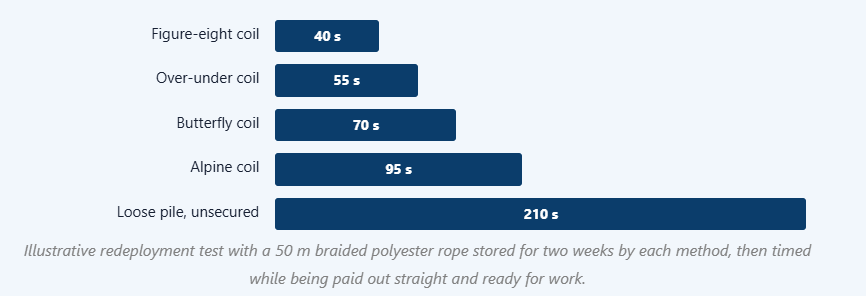
The figure-eight coil paid out fastest because its loops cross in alternating directions, so the twist stored in one loop is canceled by the next. The over-under coil finished close behind for the same reason, although it demands more technique from the handler and usually starts slower for beginners. The butterfly coil performed well because its folded loops also alternate, but the extra folds add a little handling time. The alpine coil lost ground because every loop turns the rope the same way, and two weeks of storage gave that twist time to settle into the rope's memory. The loose pile was not a storage method at all, and its time reflects sorting out overhand knots rather than paying out a coil. Every knot found in a pile is also a strength penalty, because a tight overhand knot can cut the working strength of a synthetic rope by a large margin, often quoted at around half. That means the pile does not just cost seconds, it costs capacity. In a workshop that pulls rope a dozen times a day, the difference between 40 seconds and 210 seconds becomes real labor cost within a month. The same pattern scales up in industry, where a tangled 200-meter wire rope on the floor is a safety problem as well as a scheduling problem. That is exactly why wire rope operations replace hand coiling with drum winding, which the next section covers. The lesson transfers directly: controlled loops in, controlled rope out.
Twist-canceling coils such as the figure-eight cut redeployment time dramatically and avoid the strength loss that comes with knots.
Coiling and Storing Steel Wire Rope the Industrial Way
Hand coiling rules change completely for steel wire rope. A kink in a fiber rope is an inconvenience; a kink in wire rope is permanent structural damage, because strands are displaced and cannot be worked back into place. Industry practice is to cut out any kinked section and re-terminate the rope, so the storage method has to prevent kinks from forming in the first place.
The correct approach is to keep wire rope on reels and drums. Rope should stay on its original reel until it is needed, and when rope is transferred between reels it should run top to top or bottom to bottom. Reeling from the top of one reel to the bottom of another puts a reverse bend into every wrap, and reverse bends are where fatigue shows up first. Drum and sheave diameters matter as well: as a working rule, the drum diameter should be at least twenty times the rope diameter for general service, and larger for high-cycle or critical lifts. Reels belong on stands or A-frames off the floor, covered against dust and moisture, and rotated occasionally so the lubricant redistributes instead of settling at the bottom wraps.
For workshops and warehouses that handle rope in serious lengths, winding and unwinding by hand is slow and unsafe, and this is where a wire rope reeling machine earns its place. A powered reeling machine controls tension and speed during take-up and payoff, keeps wraps even across the drum, and protects both the rope and the operator. Equipment of this type is a standard offering from a wire rope processing manufacturer such as Jiangsu Xingtai Hydraulic Manufacturing Co., Ltd., which has built hydraulic rope equipment since 1992 and supplies users across Europe, Asia, and beyond.
XT-1600 Wire Rope Reeling MachineA powered reeling machine that winds and unwinds wire rope with controlled tension and even spooling, keeping stored rope from kinking or tangling. It suits workshops handling rope in serious lengths where manual coiling is slow and unsafe.View Product →
Wire rope is stored on reels, never in hand coils: controlled tension, correct drum ratios, and covered reel stands keep kinks and corrosion out of a stored rope.
Preparing Rope Ends Before Coiling for Storage
Rope ends fail first in storage. An unwhipped synthetic rope end frays into a brush of filaments, and a three-strand laid rope with a loose end can literally unlay itself strand by strand while it sits on a shelf. Ten minutes of end preparation before the coil goes into storage prevents both problems.
For fiber and synthetic rope, whip each end with whipping twine or polyester tape, or heat-seal the filaments of fully synthetic rope so they fuse into a hard tip. Sealing should penetrate the strand rather than just glaze the surface, and natural fiber rope relies on tight whipping because it cannot be melted.
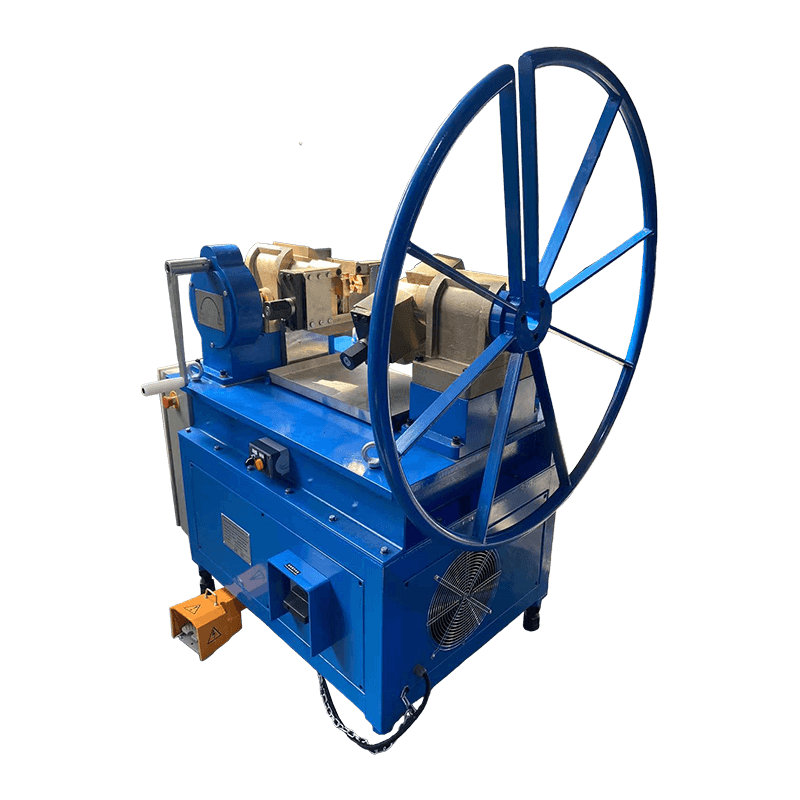
For wire rope, the ends need mechanical protection before anything else. Seizing wire wound tightly at the cut point stops the strands from springing loose, and for rope that will be terminated after storage, preparation continues with tapering so the strands enter sleeves and terminals cleanly. Annealing a wire rope end relieves stress and tightens the strand structure before the tip is formed, which is why annealing and tapering machines sit alongside presses in any serious rigging workshop. Suppliers such as Xingtai build dedicated machines for each step, from annealing and tapering to cutting and fusing, so the end treatment matches the job instead of being improvised with a grinder.
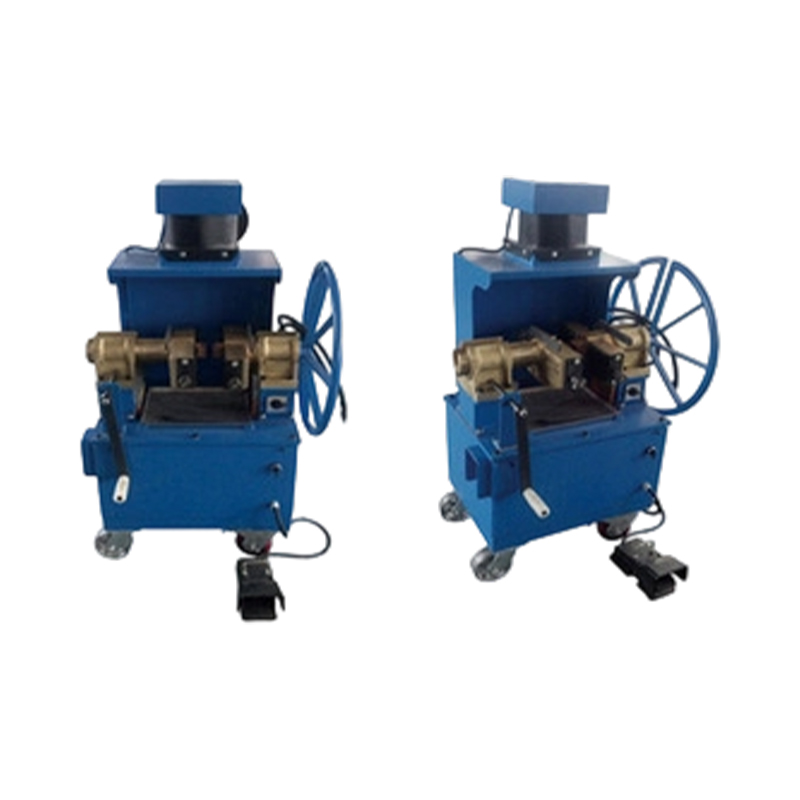 RDQ-1011 Wire Rope Annealing and Tapering MachineThis machine anneals and tapers wire rope ends so strands enter sleeves and terminals cleanly after storage. Compact and easy to move, it handles elevator, mine, and crane ropes within its diameter range without part replacement.View Product →
Whip or seal fiber rope ends and seize or taper wire rope ends before storage, because an unprotected end will unravel on the shelf.
Storage Conditions That Protect a Coiled Rope
A perfect coil still degrades in the wrong environment. Ultraviolet sunlight embrittles polypropylene and nylon, so coiled rope belongs in a cabinet, a breathable bag, or a shaded rack rather than on an open wall facing a window. Humidity drives mildew into natural fiber rope and corrodes the fittings on synthetic rope, so a dry, ventilated corner beats a damp basement every time. Keep rope away from battery chargers, acids, alkalis, solvents, and paint stores, because chemical contamination can weaken synthetic rope without any visible sign.
Physical storage matters as much as climate. Hang coils on rounded pegs rather than thin sharp hooks, since a narrow hook concentrates bend stress on one point of the rope for months. Keep coils off concrete floors, which wick moisture and carry grit into the wraps. Give each coil enough space that air can move around it, and never stack heavy items on top of stored rope or on a rope storage rack loaded beyond its intent.
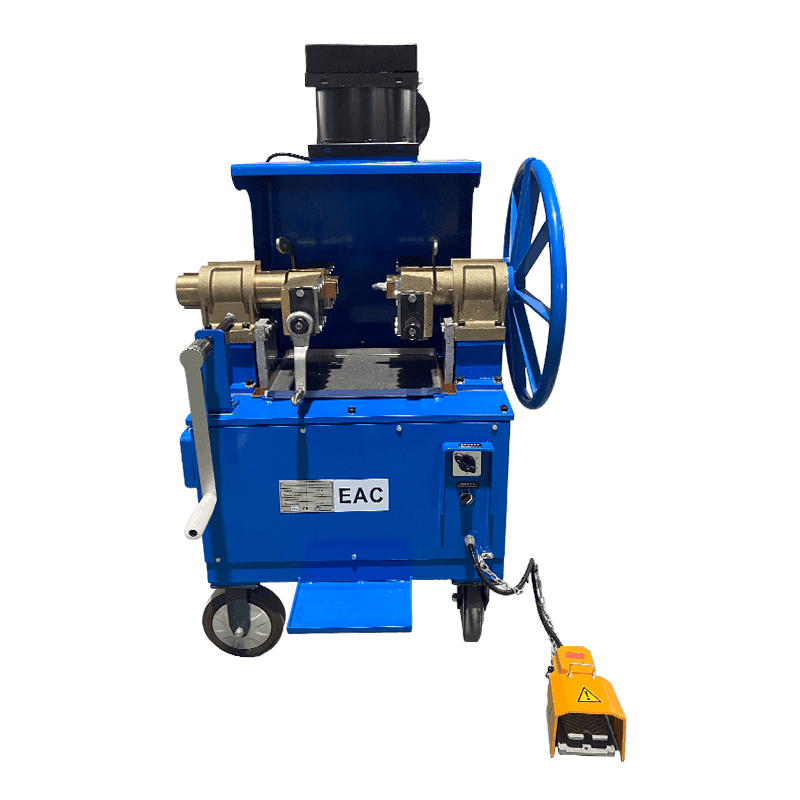
Long-term storage needs a schedule. Check stored coils every three to six months, uncoil briefly to relax the rope, and rotate stock so the oldest rope is used first. Before any rope goes back into storage, clean off mud and salt, let it dry naturally away from direct heat, and inspect it again. When a damaged section is found, cut it out rather than storing the problem, and prepare the new end properly before re-coiling. A cutting and tapering machine makes that repair quick and repeatable, which matters when a crew needs the rope back in service the same day.
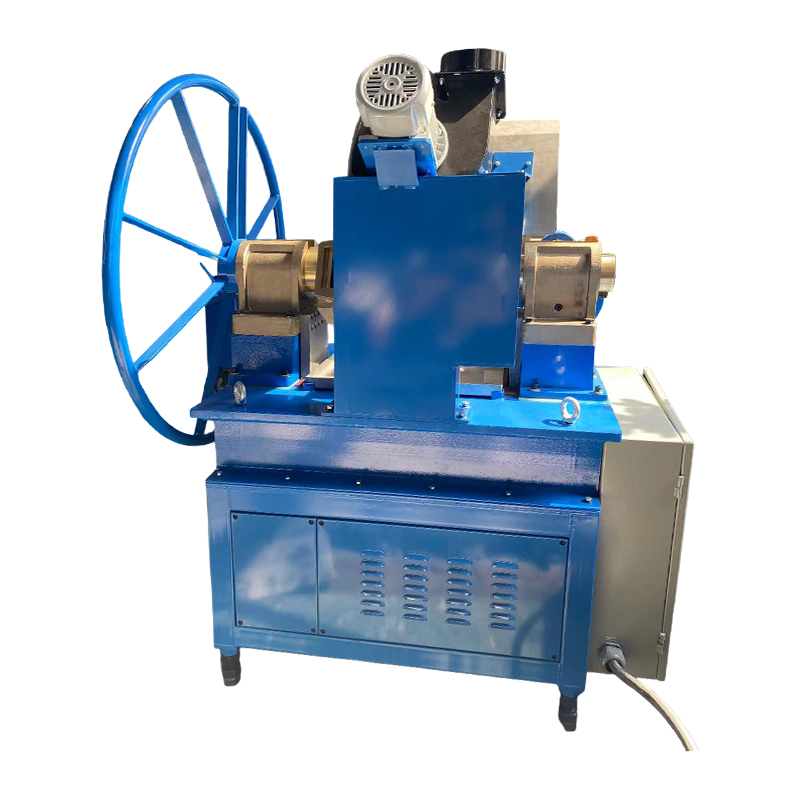 RDQ-1012 Wire Rope Cutting and Tapering MachineA fast-heating cutting and tapering machine for preparing new rope ends after damaged sections are cut out during storage inspections. It produces smooth conical ends and lets crews return rope to service the same day.View Product →
Dry, shaded, off the floor, and checked every few months: storage conditions decide rope life as much as the coiling method does.
Application Scenarios and Selection Points
Fiber rope and wire rope share the goal of tidy storage but reach it by different routes, and comparing them side by side makes the selection points obvious.
| Fiber and synthetic rope | Steel wire rope |
|---|---|
| Coiling: alpine, butterfly, or figure-eight hand coils, sized to the shelf or peg. | Winding: rope stays on reels or drums, wound under tension, top to top between reels. |
| Securing: six to eight locking wraps with a bight passed over the coil. | Securing: seizings at cut ends, reel flanges intact, retaining pins in place. |
| Storage: hung on rounded pegs or shelved in bags and bins, off the floor. | Storage: reels on stands or A-frames, covered, rotated periodically. |
| Main risks: twist memory, UV exposure, mildew, chemical contact. | Main risks: kinks that are permanent, corrosion, crushing under load. |
| Selection point: match coil diameter to rope stiffness and shelf depth. | Selection point: match reel width and drum diameter to rope diameter and length. |
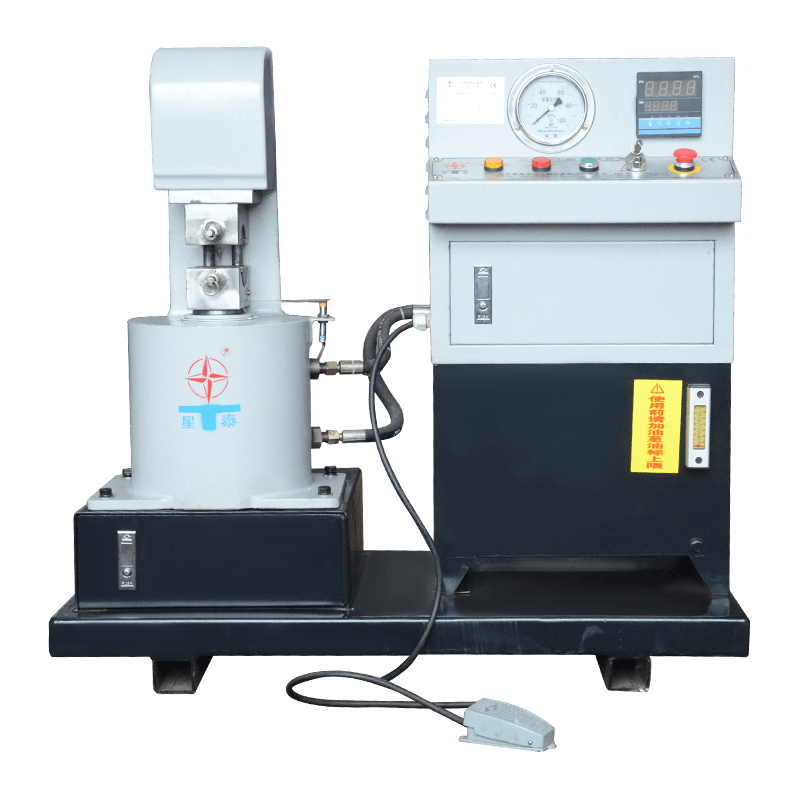
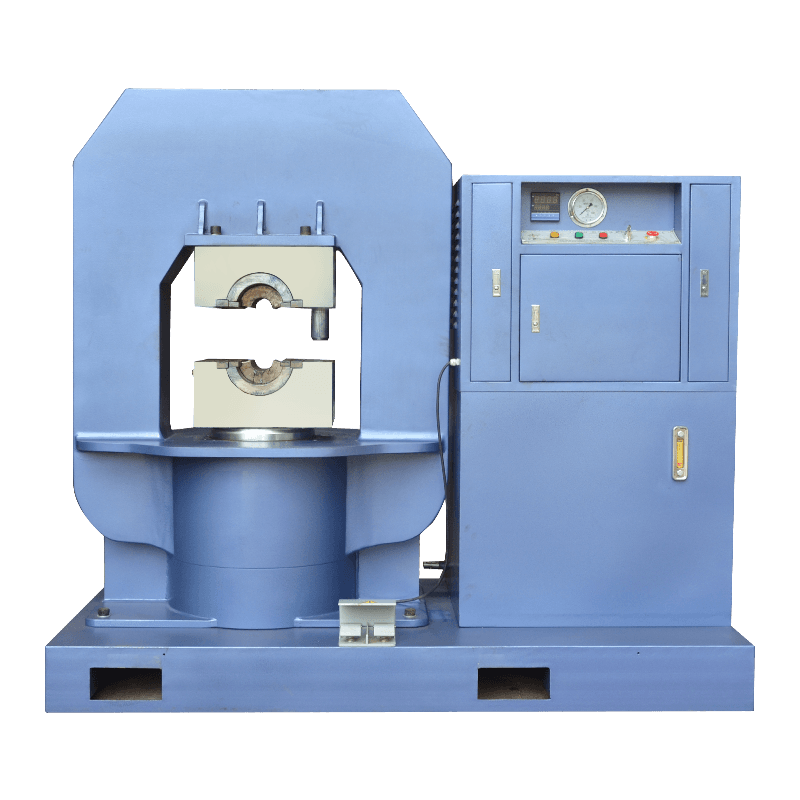
When rope volumes grow past what hand labor can handle, the buying decision shifts from coils to equipment. Whether a buyer purchases as an end user, a rigging shop, or a wholesaler stocking consumables, the same selection logic applies: match the machine class to the rope diameters on the shop floor, confirm that ferrules and sleeves are available in matching sizes, and favor a manufacturer with documented quality control and export experience. A supplier that covers the full processing chain, from reeling and annealing to pressing and accessories, also removes the fitting and tolerance risk that comes from mixing machines and consumables from unrelated sources.
Fiber rope wants twist-canceling hand coils, wire rope wants controlled drum winding, and volume decides when to move from hands to machines.
Frequently Asked Questions About Coiling Rope for Storage
What is the best way to coil rope for storage?For most fiber and synthetic rope under about 80 meters, a figure-eight or over-under coil gives the best combination of twist control and pay-out speed. Flake the rope straight first, coil with alternating or counter-twisted loops, lock the bundle with six to eight wrapping turns and a bight passed over the coil, then hang or shelve it dry and shaded. |
Should I coil rope clockwise or counterclockwise?For three-strand laid rope, coil in the direction that matches the lay and add a slight counter-twist to each loop, or simply use the over-under method, which cancels twist automatically regardless of direction. Braided rope has no dominant lay, so either direction works as long as the loops stay even. |
How do I store steel wire rope without kinking it?Keep it on a reel. Wire rope should never be hand coiled into tight loops for storage, because a kink is permanent damage that must be cut out. Wind the rope onto a drum under tension, keep the drum diameter at least about twenty times the rope diameter, store reels on stands off the floor, and cover them against dust and moisture. |
How tight should the wraps around a coiled rope be?Snug, not crushing. The six to eight wrapping turns only have to stop the coil from unwinding, and a bight passed over the top locks them in place. Wrapping hard enough to compress the rope flattens the loops and sets bend memory into stiff rope. |
Can a coiled rope stay in storage for months?Yes, if the coil is locked, dry, shaded, and off the floor. Inspect stored rope every three to six months, uncoil it briefly to relax the loops, and rotate stock so older rope is used first. Any damaged section found during an inspection should be cut out and the end re-prepared before the rope goes back into storage. |
The same three principles answer nearly every storage question: control twist, lock the coil, and manage the environment.
Related Reading and Resources
These pages from the Xingtai site go deeper into the equipment side of rope handling and wire rope processing.
- For a closer look at powered coiling equipment, see what a wire rope rolling machine is used for in industrial take-up and payoff work.
- The machines and accessories referenced in this guide come from Jiangsu Xingtai Hydraulic Manufacturing, a wire rope processing equipment manufacturer established in 1992.
When hand coiling is no longer enough, powered reeling and end-treatment equipment take over, and the resources above show how.
Coiling rope for storage is a small discipline with a disproportionate payoff. A rope that is coiled with controlled twist, locked securely, and kept in a clean, dry, shaded space will pay out fast, hold its rated strength, and last seasons longer than rope dumped in a pile. Start with the figure-eight or over-under method for fiber rope, keep wire rope on reels under proper tension, treat the ends before they ever reach the shelf, and walk the storage area every few months. The rope will repay the attention on the first job after every storage period.
A few disciplined minutes at the end of each job is all that separates a rope that lasts from a rope that gets cut back early.
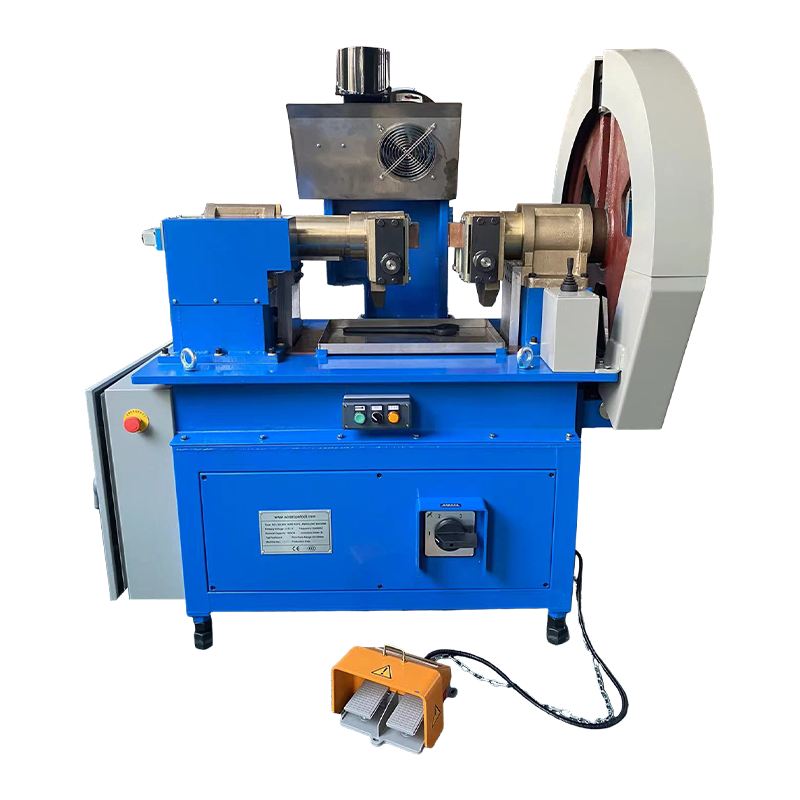

If you require custom hydraulic equipment or technical consultation, please feel free to contact the Xingtai Sales and Engineering Team.
-
 +86-523-86934677
+86-15896002505 -
 [email protected]
-
 +86-15896002505
-
 No. 3 Longgang Road, Gaogang Port Street, Taizhou City, China.
Copyright © Jiangsu Xingtai Hydraulic Manufacturing Co., Ltd. All Rights Reserved. Custom hydraulic machinery manufacturers Wholesale wire rope swagers Factory

