 English
 русский
 Français
 Español
 Português
 Deutsch
 عربى
 Türk

Hydraulic Cable Reel Trailer Guide: Capacity, Reel Handling, and Jobsite Safety
Content
- 1 What a Hydraulic Cable Reel Trailer Must Get Right
- 2 Match Trailer Capacity to Reel Size and Cable Payload
- 3 Use Capacity Bands as a Starting Point, Not a Specification
- 4 Loading, Towing, and Daily Reel Control
- 5 From Cable Delivery to Wire Rope Termination
- 6 Procurement Questions for a Manufacturer or Supplier
- 7 Maintenance and Crew Safety
- 8 FAQ
- 9 Equipment and Further Reading
A crew can lose half a shift when a hydraulic cable reel trailer is chosen around headline payload alone. The reel may fit the cradle, but the lift arms, brake, axle rating, and towing route decide whether the load moves safely and whether cable pays out without kinks or abrasion.
The practical answer is to specify the trailer around four facts: reel diameter and width, cable or wire rope weight, loading method, and the tightest job site access point. Then check hydraulic lift control, braking, and payout tension against daily work rather than a catalog photo. For contractors, utilities, and wire rope assembly shops, the trailer is part of a workflow: it delivers reels, holds them during payout, and returns partly used reels to storage.
What a Hydraulic Cable Reel Trailer Must Get Right
Start with the reel, not the trailer length. A large diameter reel can exceed the cradle height even when the payload figure looks comfortable. Check the maximum reel diameter, maximum reel width, and the distance between the lift arms or mandrels. If the reel sits too high, the crew may need a different loading angle, and road clearance can become a problem.
Next, separate reel weight from cable weight. The trailer’s gross capacity, axle rating, and tongue weight are separate limits, and the combined load includes the empty reel, cable, fittings, and any spooling hardware. A trailer that is legal when empty can be over its axle rating once a full reel is loaded. Hydraulic lift is another daily-use feature: a hold valve, controlled lowering, and clear lift points reduce the risk of a reel rolling or dropping during loading.
- Reel envelope: diameter, width, and center-hole or mandrel requirements.
- Payload: cable weight plus reel weight, fittings, and optional spooling equipment.
- Lift system: cylinder rating, control position, hose routing, and hold valve.
- Payout control: brake, tension adjustment, and free-spool options.
- Road use: lights, brakes, tire rating, and local towing rules.
Match Trailer Capacity to Reel Size and Cable Payload
A hydraulic cable reel trailer supplier may quote a reel capacity in pounds, but the buyer still needs to check how that figure was reached. Ask whether the rating includes the reel, the cable, or both. Ask for the axle rating, tire load limit, tongue weight range, and the maximum reel diameter that can be loaded without removing a guard or changing the lift geometry.
| Selection factor | What to ask for | Why it matters |
|---|---|---|
| Reel envelope | Maximum reel diameter, width, and mounting method | A reel that rubs the frame or sits too high changes loading, towing, and payout. |
| Payload | Gross trailer capacity, axle rating, and tongue weight | Cable weight plus reel and fittings can exceed a simple reel capacity figure. |
| Hydraulic lift | Cylinder rating, control type, and hold valve | Manual loading is slower and raises injury risk with large reels. |
| Braking and payout | Brake type, tension control, and free-spool options | Controlled payout protects cable and keeps the crew clear of the reel path. |
| Road use | Lights, brakes, tire rating, and local towing rules | A yard trailer and a highway trailer are different purchase decisions. |
Use Capacity Bands as a Starting Point, Not a Specification
Capacity bands help a buyer frame the first conversation with a hydraulic cable reel trailer manufacturer or supplier. The chart below uses broad planning ranges only; final ratings depend on axle configuration, brake equipment, tire size, and local towing rules.
Illustrative hydraulic cable reel trailer planning bands
These bands are useful because they expose a common procurement gap: a buyer may compare trailers by reel size while ignoring the loaded weight on the axle. A trailer in the middle band can still be the wrong choice if the crew regularly handles full reels on soft ground or needs a short turning radius. The same thinking applies to reeling and termination equipment, where the work envelope matters more than a single catalog number.
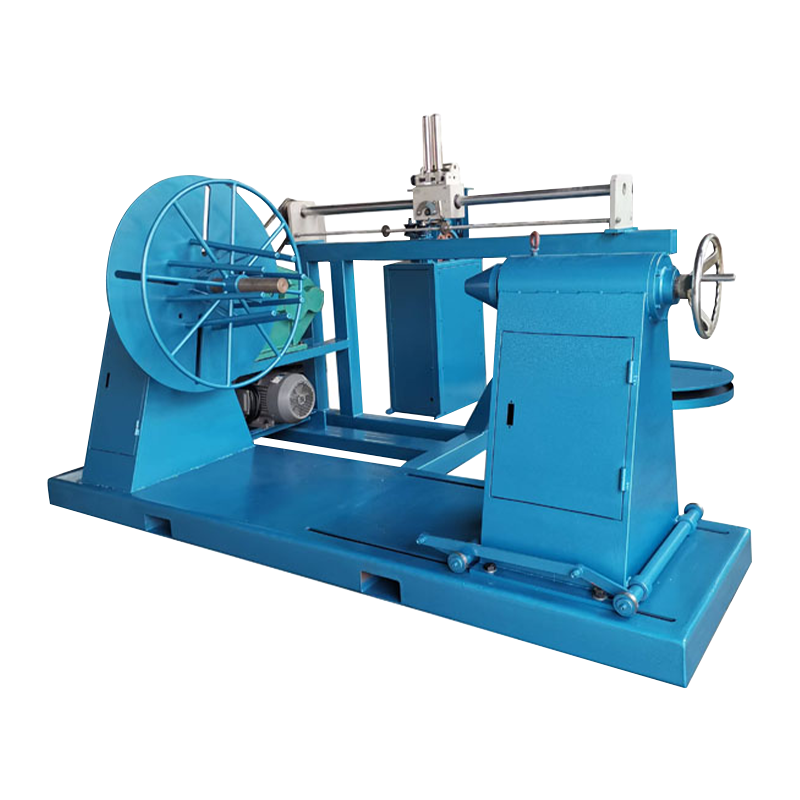
For wire rope processing, the XT1600 wire rope reeling machine is one example of equipment selected around reel handling and line control rather than only line speed. A press, reeler, or lifting trailer should be matched to the reel and the job sequence, not purchased as an isolated item.
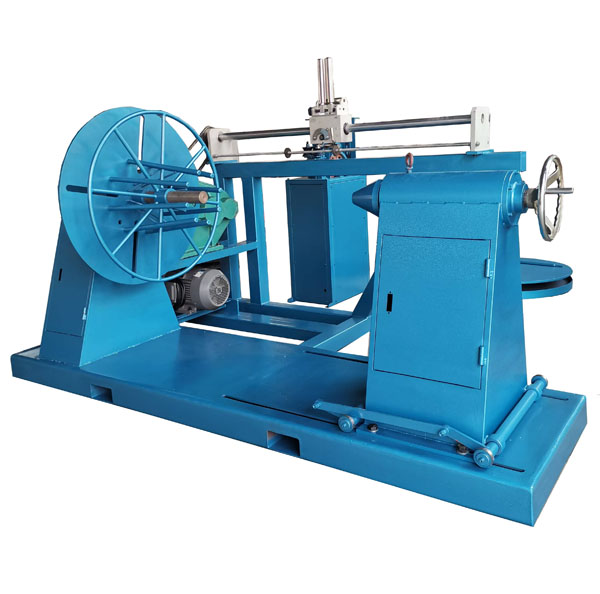 XT-1600 Wire Rope Reeling MachineHeavy-duty reeling and measuring system for steel wire rope, with controlled winding, length preset, and neat spooling for reel-handling workflows.View Product →
Use the chart to ask better questions: What is the heaviest full reel? What is the smallest job site gate? Who controls payout? What brake setting is used on a slope? Those answers turn a broad capacity band into a workable specification.
Loading, Towing, and Daily Reel Control
Loading is where many reel trailer problems begin. A hydraulic lift can raise a heavy reel smoothly, but the crew still needs a level surface, chocked wheels, and a clear path. Keep hands and clothing away from the cradle and lift arms. Once the reel is seated, confirm the locking pins, tie-downs, and brake before moving the trailer.
- Position the trailer on firm, level ground and chock the wheels.
- Check the reel width and diameter against the cradle before lifting.
- Raise the reel with smooth hydraulic control and watch hose clearance.
- Lock the reel, connect the brake or tension device, and inspect tie-downs.
- Test payout at low speed before the crew begins a full pull.
During towing, keep the load within the trailer’s gross and axle ratings. Check tire pressure, lights, and brake operation before each trip. A trailer that tracks poorly or lacks controlled payout can damage cable insulation, kink wire rope, or force the crew to stop work. In tight access areas, a spotter can help the driver avoid contact with walls, poles, and overhead lines.
From Cable Delivery to Wire Rope Termination
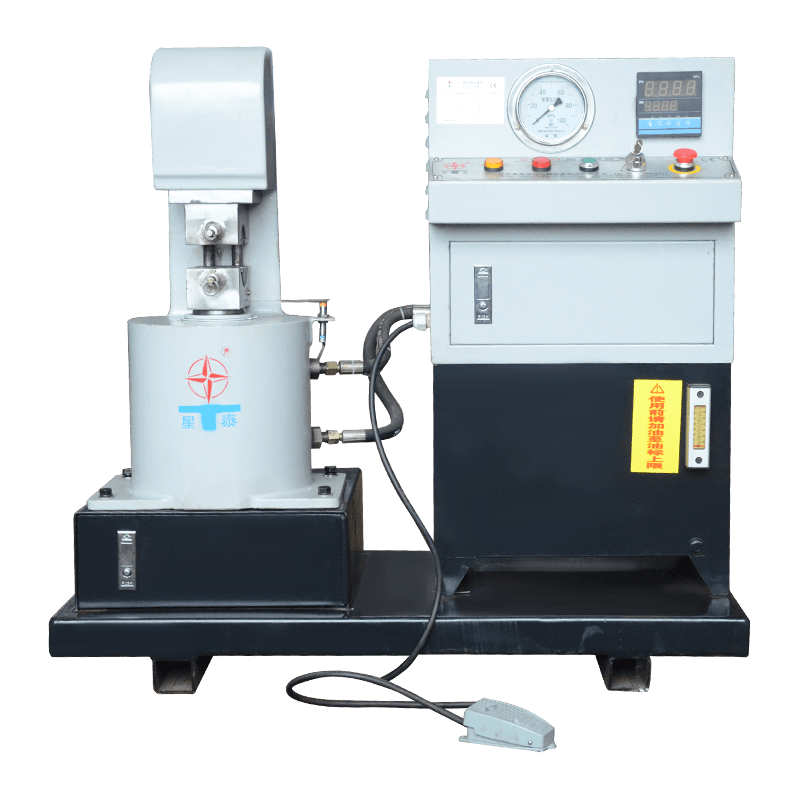
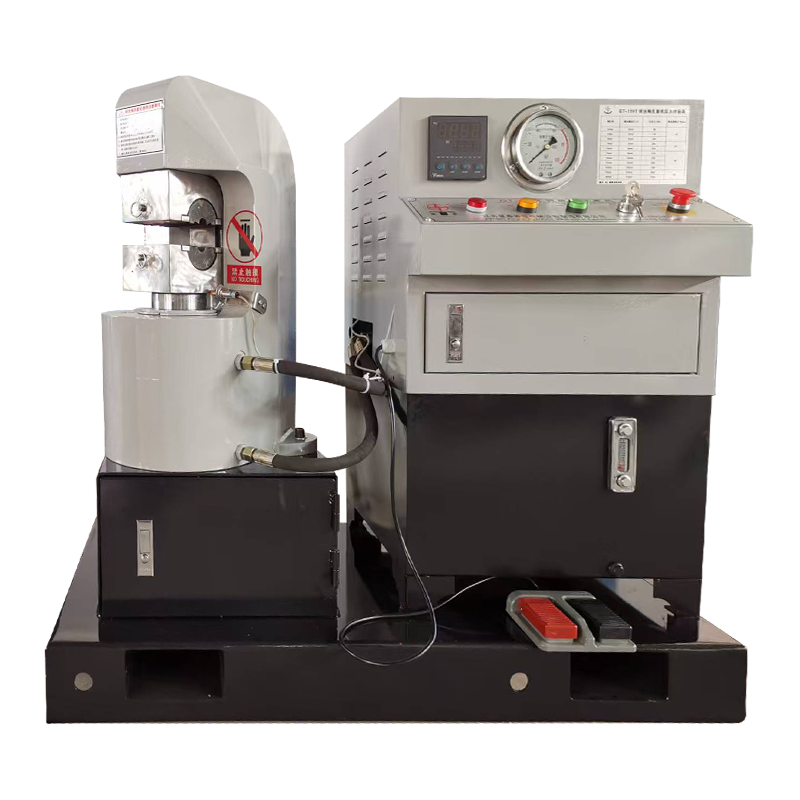
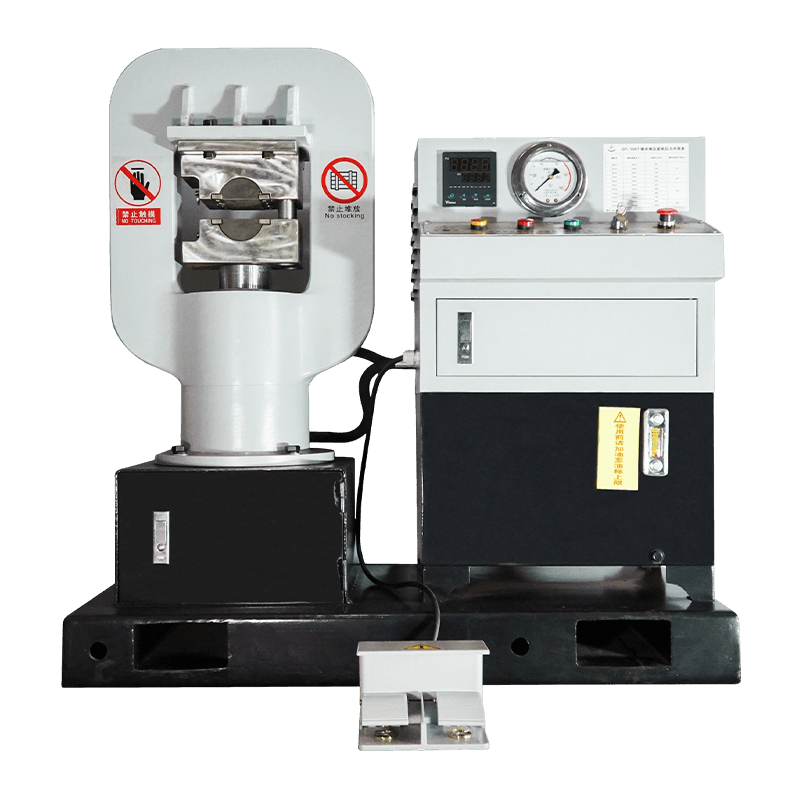
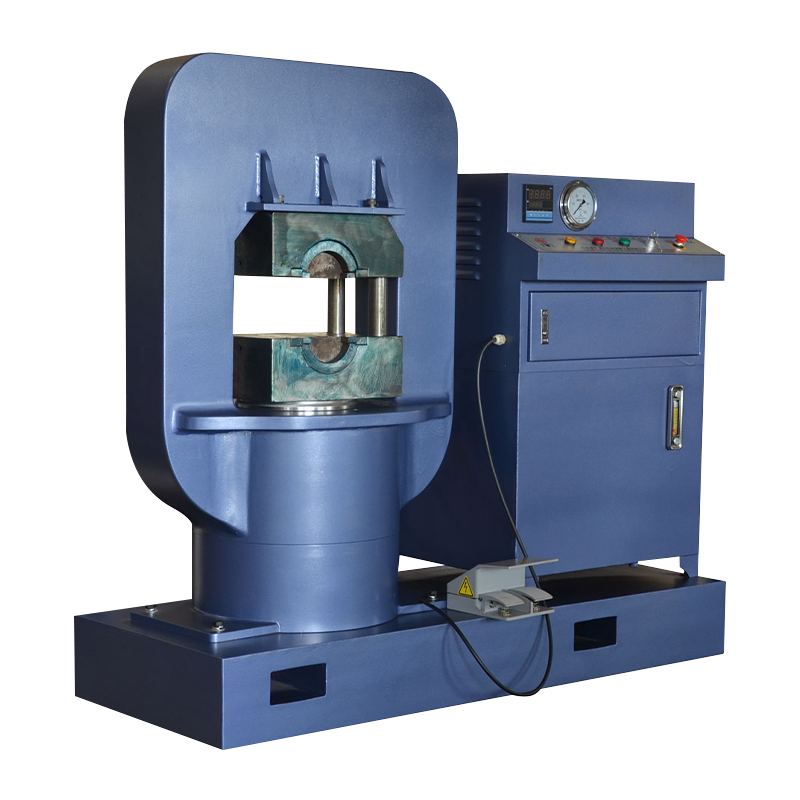
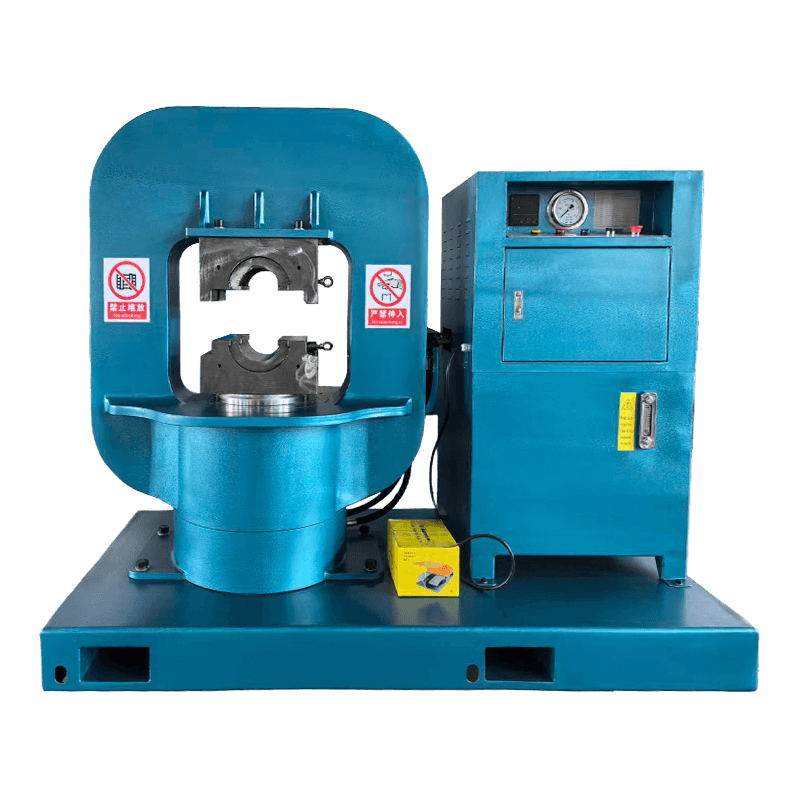
The trailer gets the reel to the work area; the next step is preparing the cable or wire rope for termination. For wire rope assemblies, the end fitting is only as good as the preparation. A hydraulic press with the right tonnage and die set compresses ferrules and sleeves consistently, while a basket-frame press can give the operator more room for sling work and larger fittings. The press should be selected with the ferrule type, rope diameter, and production rate in mind.
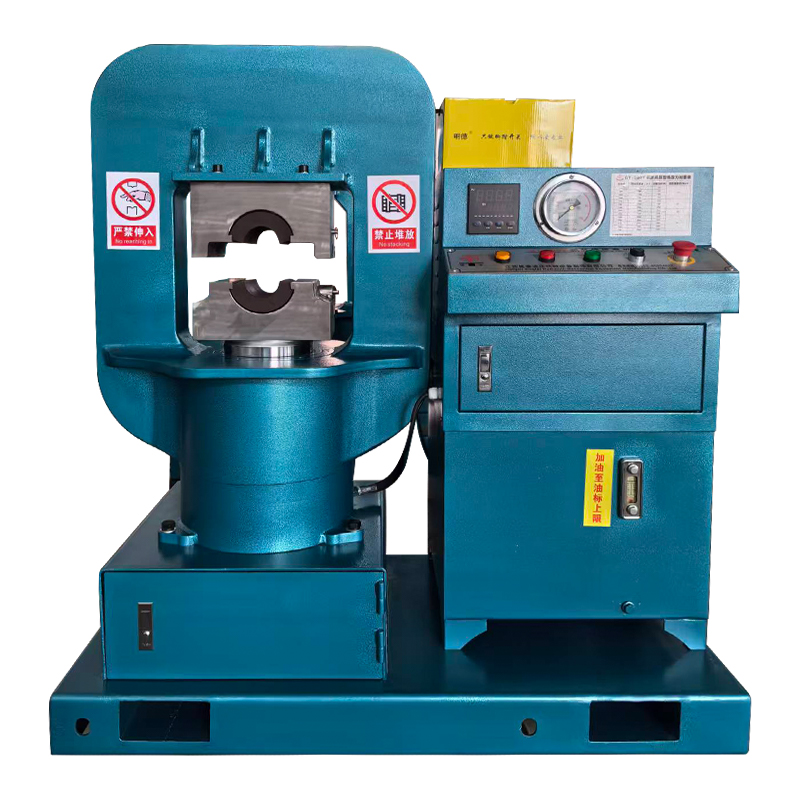 GT-300 Basket-Frame Wire Rope Sling PressHydraulic basket-frame press for 6–30 mm wire rope slings, offering compact strength, adjustable piston positioning, and consistent ferrule and sleeve pressing.View Product →
Annealing and tapering also affect the finished assembly. A clean, compact rope end reduces the chance of unlaying and makes fittings easier to install. If the shop cuts and tapers rope before pressing, the cutting and tapering method should match the rope construction and the fitting supplier’s instructions.
Accessories deserve the same attention as the trailer and press. Aluminium ferrules, thimbles, and swage terminals should match rope diameter, fitting type, and the intended load. A DIN3093 aluminium sleeve, for example, is not interchangeable with every other ferrule design. Buyers should confirm the matching die, press tonnage, and inspection criteria before production begins.
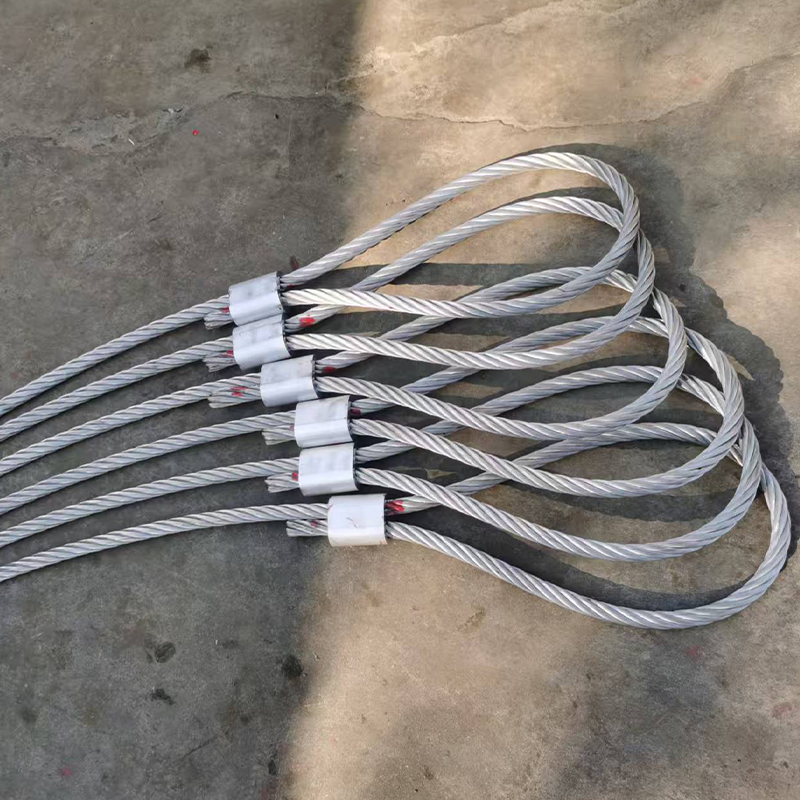 DIN3093 Aluminum Ferrules and Sleeves6061-T6 aluminum sleeves for crimping wire rope ends and loops, sized from 1 to 60 mm and matched to rope diameter and press tooling.View Product →
This is where a coordinated equipment plan helps. The trailer brings reels to the bay, the reeler controls payout, the press closes the fitting, and the accessory selection determines how the termination performs. Buying these items from one manufacturing source can simplify die matching and spare-part planning, but the buyer should still verify each rating and application.
Procurement Questions for a Manufacturer or Supplier
B2B buyers often receive quotes that look similar on the first page. The differences appear in the load chart, hydraulic component details, brake control, and after-sales support. A wholesaler may be useful for standard fittings, but the trailer or press manufacturer should confirm the working limits and the spare-part list. Ask for drawings, test records, and a clear statement of what the quoted capacity includes.
- What reel diameter and width were used to calculate the capacity?
- Does the payload figure include the reel, cable, and fittings?
- What is the axle rating and tongue weight range when loaded?
- Which hydraulic hold valve and hose rating are used on the lift system?
- What brake or tension control is supplied for payout?
- Which spare parts are recommended for the first year of operation?
It also helps to describe the route. A trailer used only inside a yard has different needs from one that travels public roads with a full reel. If the crew handles multiple reel sizes, ask whether the cradle or mandrel can be adjusted without removing major components. For wire rope shops, ask how the trailer, reeler, and press will be loaded and unloaded in sequence so that one piece of equipment does not bottleneck the next.
Maintenance and Crew Safety
Hydraulic cable reel trailer maintenance should start with the lift system and braking components. Check hoses for cracks or rubbing, inspect cylinders and pins for leaks or wear, and confirm that the hold valve prevents drift when a reel is raised. Keep the cradle and tie-down points clean so that the reel seats fully. Tire condition and wheel bearings deserve regular attention because a heavy reel magnifies any towing weakness.
For the shop side, wire rope presses and reeling machines need their own inspection routine. Press dies should be checked for wear, hydraulic fluid should be kept at the correct level, and guards should remain in place. Training matters as much as equipment condition: operators should know the maximum rated capacity, the correct die for each ferrule, and the stop procedure if a fitting does not seat correctly.
FAQ
What does a hydraulic cable reel trailer do?
It carries a cable or wire rope reel, lifts it into a working position, and supports controlled payout at the job site. The hydraulic system reduces manual lifting, while the brake or tension device helps keep the cable under control during pulling.
Can a hydraulic cable reel trailer handle both cable and wire rope reels?
Often it can, but the reel weight, diameter, width, and center-hole design still need to be checked. Wire rope reels may be heavier or stiffer than cable reels of the same size, so the buyer should confirm the loaded weight and payout method with the trailer supplier.
What is the most common sizing mistake?
Buying by reel diameter alone. A trailer may fit the reel but still exceed an axle rating, tongue limit, or lift capacity once the reel is full. The safer approach is to calculate the complete loaded weight and check the route access before ordering.
How often should the hydraulic lift system be inspected?
Inspect before each use and set a more detailed service interval based on duty cycle. Look for hose wear, hydraulic leaks, pin movement, and drift under load. Any lift system that fails to hold a raised reel should be taken out of service until it is repaired.
What should I ask a supplier before ordering?
Ask for the capacity basis, axle rating, tongue weight range, maximum reel size, brake type, and recommended spare parts. Also ask whether the trailer is intended for yard use only or for public-road towing, because lighting, braking, and tire requirements can change the specification.
Equipment and Further Reading
Review the equipment side before finalizing a reel handling plan. These pages help buyers connect trailer capacity with wire rope processing and press selection.

If you require custom hydraulic equipment or technical consultation, please feel free to contact the Xingtai Sales and Engineering Team.
-
 +86-523-86934677
+86-15896002505 -
 [email protected]
-
 +86-15896002505
-
 No. 3 Longgang Road, Gaogang Port Street, Taizhou City, China.
Copyright © Jiangsu Xingtai Hydraulic Manufacturing Co., Ltd. All Rights Reserved. Custom hydraulic machinery manufacturers Wholesale wire rope swagers Factory

