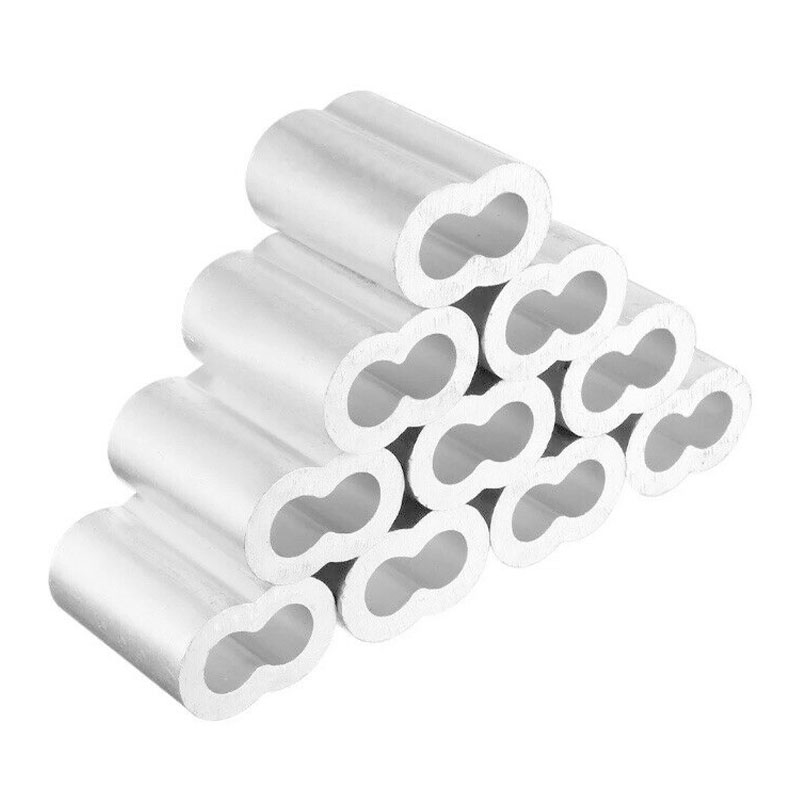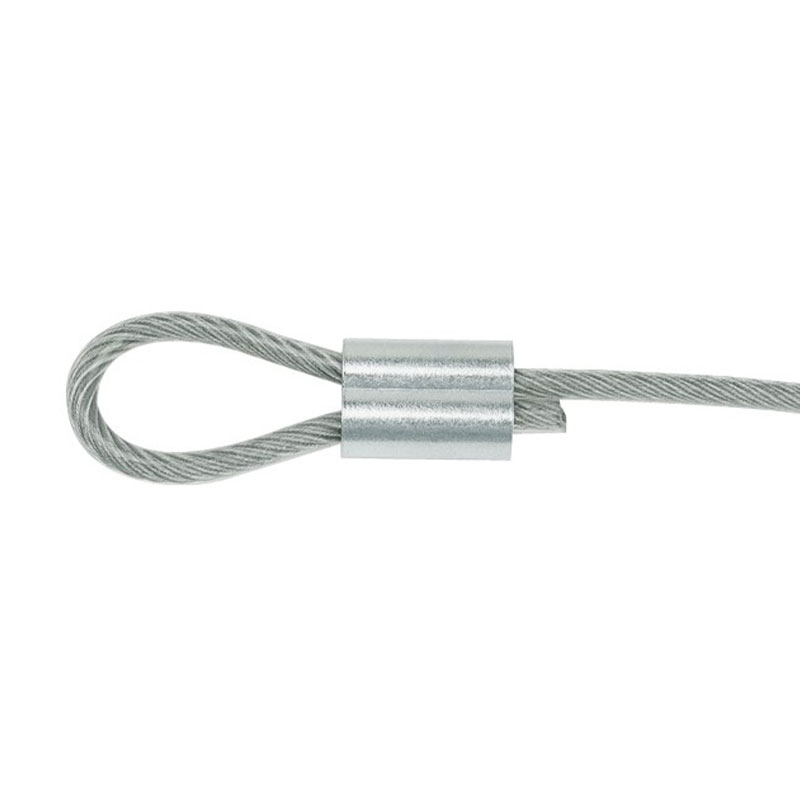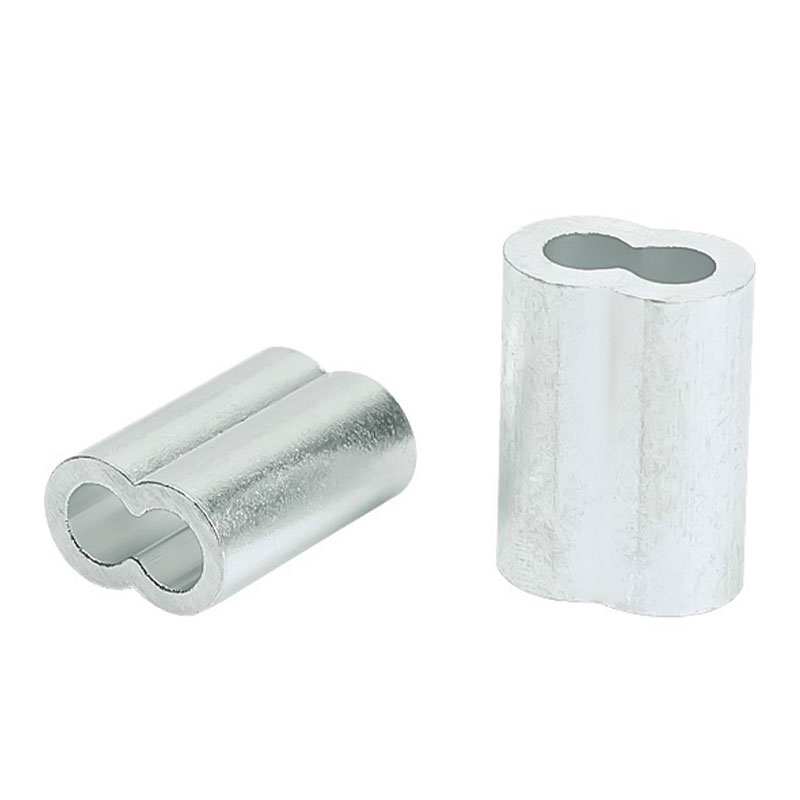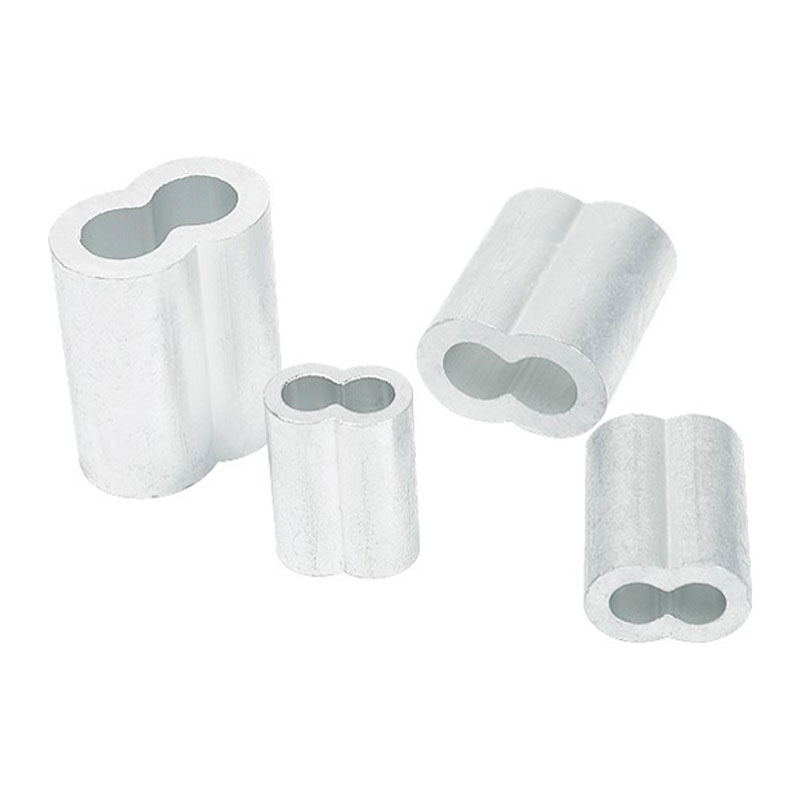
Aluminium Hourglass Sleeves Wholesale
Home / Products / Accessories / Aluminium Hourglass Sleeves
  • Parameter
  • Other Descriptions
  • Contact
Technical Data
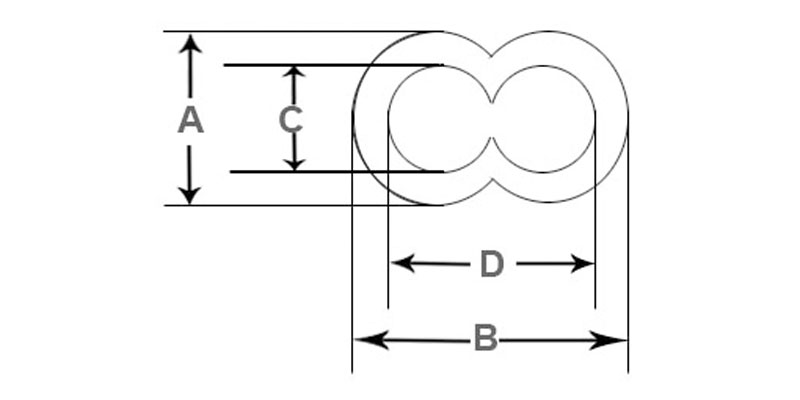
Mode Dia of wire rope (mm) Dimension of aluminium sleeve (mm) Length (mm) Weight  (g/pc)
A B C D
XTH-1/16" 1.6 4.37 6.35 1.96 4 9.6 0.41
XTH-5/64" 2 5.56 7.95 2.39 4.8 9.6 0.73
XTH-3/32" 2.4 7.06 10.26 3.3 6.5 12.7 1.45
XTH-1/8" 3.2 8.71 12.7 3.96 7.9 15.9 2.9
XTH-5/32" 4 9.53 14.3 4.75 9.5 17.5 3.63
XTH-3/16" 5.1 11.2 16.9 5.66 11.4 25.4 7.17
XTH-7/32" 5.6 12.7 19.1 6.35 12.7 27 10.07
XTH-1/4" 6.4 13.61 20.8 7.37 14.6 28.6 11.43
XTH-9/32" 7.1 14.27 22.35 7.92 16 30.2 12.81
XTH-5/16" 8 17.45 26.19 9.53 18.3 31.7 20.41
XTH-3/8" 9.6 19.05 29.36 11.13 21.4 36.5 29.53
XTH-7/16" 11.1 23.8 36.5 17.7 25.4 42.8 53.53

Company
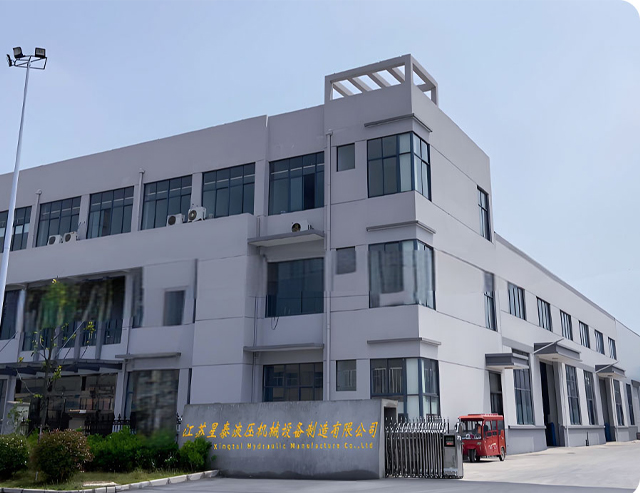
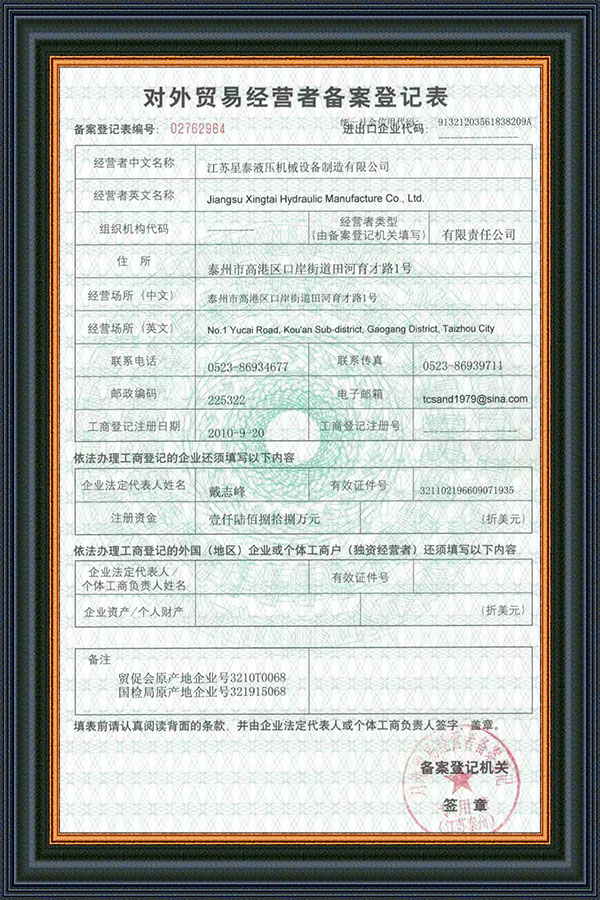
Jiangsu Xingtai Hydraulic Manufacturing Co., Ltd.
As Aluminium Hourglass Sleeves Manufacturers and Aluminium Hourglass Sleeves Company, Jiangsu Xingtai Hydraulic Manufacturing Co., Ltd. was founded in 1992 and is located in Taizhou City, Jiangsu Province, China. The company specializes in manufacturing hydraulic wire rope pressing machines, wire rope annealing and tapering machines, aluminum sleeves, and lifting clamps. Xingtai Hydraulic is equipped with advanced production facilities, strong technical capabilities, authoritative testing equipment, and a comprehensive quality management system.

The swaging components of Xingtai Hydraulic machines are forged from high-strength alloy steel. The machine body is manufactured from a single block of material, ensuring structural integrity and long service life. Our hydraulic systems utilize a dual-pressure pump oil supply system, which enables fast upward and downward movement while ensuring a smooth pressing process. This design significantly improves pressing quality and production efficiency.

Xingtai Hydraulic machines have been exported to numerous countries, including the UK, Australia, the Netherlands, Latvia, Malaysia, Thailand, India, Russia, Botswana, Poland, and others.

Guided by the philosophy of "high quality, competitive price, and lasting commitment," we strive to meet our customers' needs and provide them with the best service. We remain dedicated to serving both existing and new clients with the same level of excellence as we work together to build a successful future.
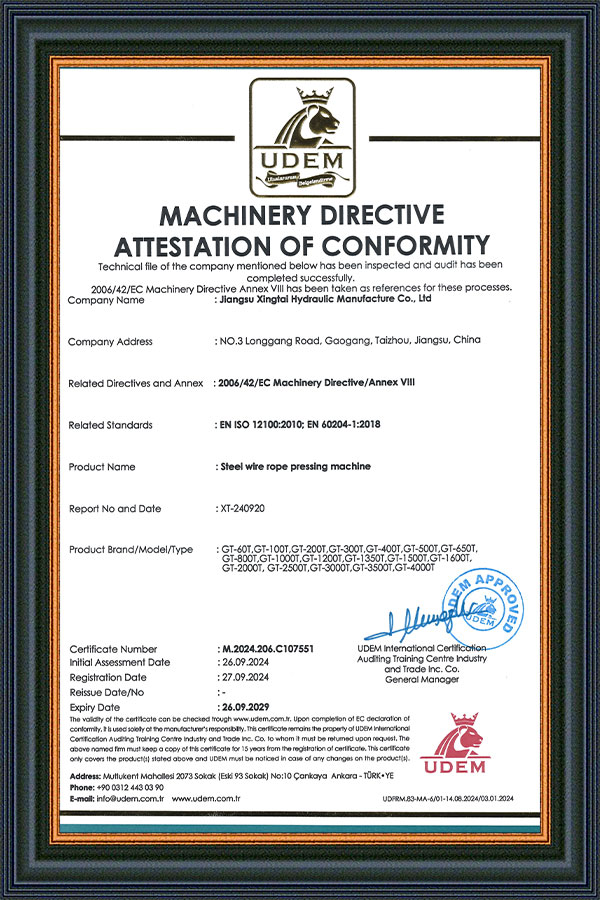
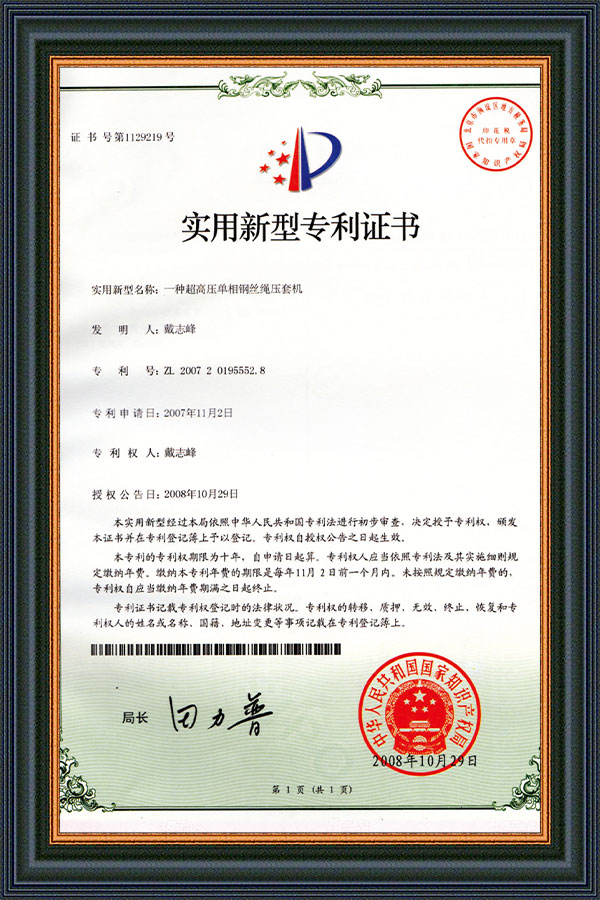
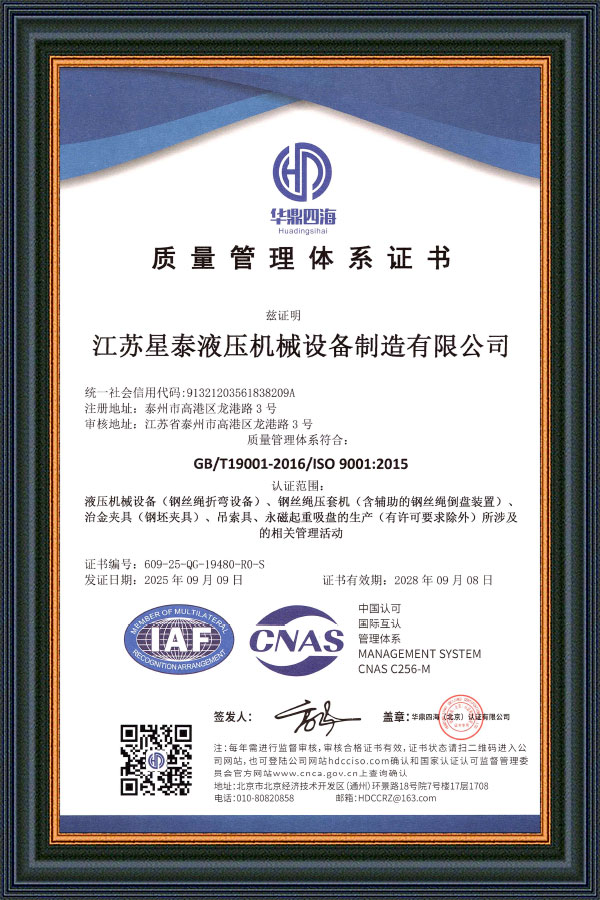
Certificate Of Honor
  • Certifications
  • Certifications
  • Certifications
  • Certifications
News
  • A wire rope sling making machine works by using controlled hydraulic force to permanently compress a metal ferrule (sleeve) around the looped end of a steel wire rope — a process known as swaging or crimping. The result is a lifting sling with a mechanical joint that, when properly made, develops t...

    READ MORE
  • Conclusion: Quality Lifting Wire Rope & Rigorous Maintenance Drastically Reduce Accidents Analysis of over 3,400 lifting operations confirms: using certified high-strength steel cables together with proper wire rope fittings and heavy-duty rigging gear lowers load-drop incidents by 62% to 78%. ...

    READ MORE
  • Before restarting the GT-60 Hydraulic Wire Rope Swage Press Machine (C Frame), operators must complete three critical pre-restart checks: (1) inspect the hydraulic oil level and verify there are no leaks, (2) confirm the swage dies are properly seated and fully closed without obstruction, and (3) e...

    READ MORE
Industry Knowledge

1. When Should You Use Aluminum Sleeves for Wire Rope? – Core Applications

Aluminum sleeves (also called swage sleeves or crimp sleeves) are used to create permanent wire rope terminations, splices, or end stops by cold-swaging (compressing) the sleeve onto the rope. They are the preferred choice when you need a high-strength, compact, and corrosion-resistant termination without the bulk of cable clamps or the labor of hand splicing.

Typical applications include: architectural cable railings, aircraft cable assemblies, marine rigging, winch lines, and general lifting slings. When properly swaged, an aluminum sleeve achieves 90% to 100% of the rope's breaking strength, outperforming most mechanical clamps.

2. Advantage #1: High Termination Efficiency & Consistent Strength

Laboratory pull tests on 7x19 galvanized aircraft cable (6 mm diameter, 1,770 MPa) show that properly swaged aluminum sleeves retain 96–98% of rope breaking strength, significantly better than U-bolt cable clamps (80%) and wedge sockets (85%).

Breaking Strength Retention by Termination Method (%) – 6 mm 7x19 wire rope

Aluminum sleeve (swaged, proper tool)
97% retention
U-bolt cable clamps (3 clips, torqued)
80% retention
Wedge socket (standard)
85% retention
Hand-tucked splice (professional)
78% retention

Fig. 1 – Aluminum sleeves deliver 97% breaking strength efficiency, outperforming clamps by 17% and wedge sockets by 12%.

This means a 10 mm rope rated at 50 kN MBL will have a swaged eye strength of 48.5 kN versus only 40 kN using three cable clamps – a 21% higher safe working load for the same rope.

3. Advantage #2: Corrosion Resistance & Material Compatibility

Aluminum sleeves are naturally corrosion-resistant in most environments (except strong alkalis). They are compatible with galvanized steel, stainless steel, and vinyl-coated wire ropes. The radar chart below compares aluminum sleeves with copper and steel sleeves across five key criteria.

Radar Comparison: Sleeve Materials (Score 1–10)

Corrosion Resistance Swageability Strength (pull-off) Cost Weight / Compactness Aluminum sleeve Copper sleeve Steel sleeve (plated)

Fig. 2 – Aluminum sleeves offer best corrosion resistance and swageability for stainless and galvanized ropes.

For marine environments, 6061-T6 aluminum sleeves with anodized finish outperform copper sleeves. Salt spray testing (ASTM B117) shows aluminum sleeves last 1,200+ hours without pitting vs 400 hours for copper.

4. Advantage #3: Superior Fatigue Life Under Dynamic Loads

Swaged aluminum sleeves distribute cyclic stresses evenly, avoiding the stress concentration points of cable clamps. Fatigue tests on 8 mm 7x19 stainless rope (20% of MBL, 10 Hz) show dramatically longer life.

Cycles to Failure – Termination Type (8 mm stainless, 20% MBL cyclic)

Cycles to failure (thousands) Termination method 0 100 200 300 400 500 480k 125k 80k Aluminum sleeve Cable clamps Hand splice

Fig. 3 – Aluminum sleeve terminations last 3.8x longer than cable clamps under cyclic loading.

5. Selection Guide: When to Use Aluminum Sleeves vs Alternatives

The table below summarizes optimal use cases based on environment, load type, and inspection requirements.

Table 1 – Recommended termination method by application scenario.
Application / Condition Use Aluminum Sleeve? Better Alternative Key Reason
Marine / saltwater environment, stainless rope Yes – ideal Copper (galvanic corrosion) Aluminum compatible with SS, no galvanic pair
High-temperature (>200°C / 392°F) No Steel sleeve or poured socket Aluminum loses strength above 150°C
Abrasive / rocky environment (direct ground contact) No Thimble + steel clamp or swaged steel Soft aluminum can wear through
Architectural / visual cable railing Yes – preferred None (cleanest look) Low profile, available in black anodized
Frequent assembly/disassembly No (permanent) Cable clamps or quick links Swaged sleeves are not reusable

Always match sleeve internal diameter to rope diameter: clearance should be 0.1–0.2 mm before swaging. Undersized sleeves cause strand damage; oversized sleeves reduce holding force by up to 30%.

6. Quality & Safety: Swaging Force & Proof Load Standards

Proper swaging requires a calibrated press or hand swager. The chart below shows minimum pull-out force for various rope diameters (ASTM F2140 standard).

Minimum Pull-Out Force (kN) for Properly Swaged Aluminum Sleeves (7x19 galvanized rope)

Pull-out force (kN) Rope diameter (mm) 0 5 10 15 20 25 30 2.2 kN 6.8 kN 16.5 kN 24.2 kN 3 mm 5 mm 8 mm 10 mm

Fig. 4 – Minimum pull-out force for aluminum sleeves per ASTM F2140. A 10 mm rope requires 24.2 kN pull-out resistance for a safe termination.

After swaging, the sleeve must be inspected for cracks and proper die marks. Field pull-test at 10% of MBL is recommended for critical overhead lifting.

7. Frequently Asked Questions About Aluminum Sleeves for Wire Rope

Q1: Can I reuse an aluminum sleeve after cutting the rope?
A1: No. Swaged aluminum sleeves are single-use only. Once compressed, the aluminum work-hardens and cannot be re-swaged to achieve required holding force. Always use a new sleeve for each termination.

Q2: Are aluminum sleeves suitable for synthetic fiber ropes?
A2: No. Aluminum sleeves are designed for steel wire rope only. For synthetic ropes (Dyneema, nylon), use dedicated splicing or heat-sealed terminations.

Q3: What is the difference between "stop sleeves" and "loop sleeves"?
A3: Stop sleeves are crimped onto a single wire rope end to prevent fraying or act as a mechanical stop. Loop sleeves (also called "eye sleeves") are used to form a permanent eye termination by looping the rope back and swaging both legs together.

Q4: What swaging tool do I need for aluminum sleeves?
A4: Use a manual swaging tool (crimper) for diameters up to 6 mm, or a hydraulic swaging press for 8–16 mm ropes. Ensure the die set matches the sleeve size exactly. Incomplete swaging reduces holding force by up to 50%.

© 2025 Wire Rope Technical Library — Comprehensive guide to aluminum sleeves: applications, strength data, and selection criteria.